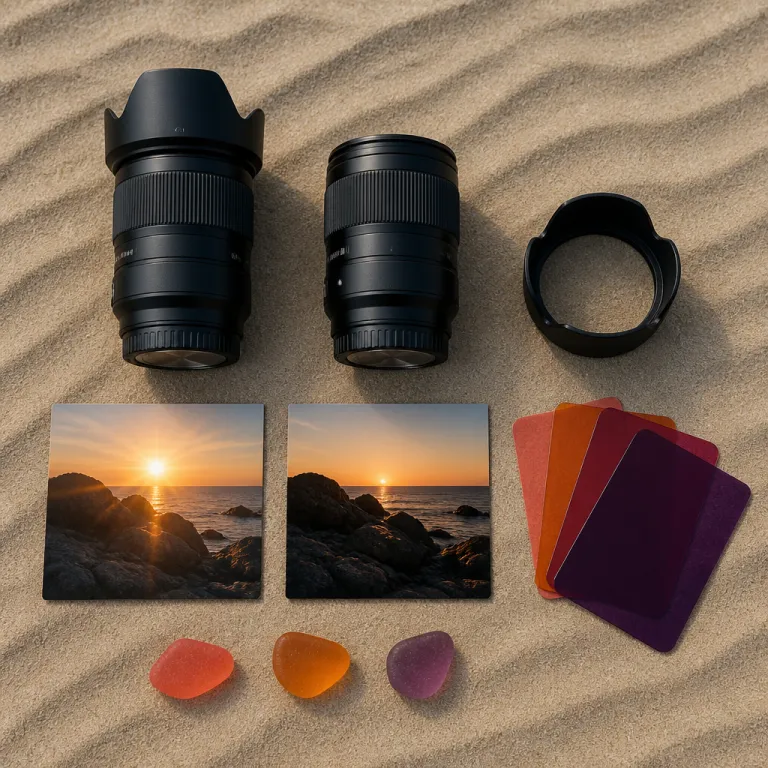

Why a photo lens hood matters more than most people think
A well designed photo lens hood is one of the simplest upgrades for any camera. When a hood surrounds the front element correctly, it blocks stray light before it reaches the glass and causes lens flare. This small accessory protects the camera lens physically while also preserving image quality in demanding photography situations.
Every modern lens is vulnerable to unwanted light that strikes from outside the intended angle of view. Without a lens hood in place, that stray light bounces around inside the lens barrel and reduces contrast, which makes the final image look washed out and less sharp. A properly shaped hood will shield the front element from a light source just outside the frame, so the sensor records deeper blacks and richer colours.
Photographers often underestimate how much a simple hood will influence their work over time. On a bright day, a petal style hood on a wide angle camera lens can mean the difference between a clean sky and a frame ruined by a rainbow arc of lens flare. In low light, the same hood protects the front glass from fingerprints or drizzle when you move quickly between locations with your camera ready.
How lens hoods control light and lens flare in real shooting
The main optical job of any lens hood is to manage light before it enters the camera. By extending past the front element, hoods create a tunnel that blocks off axis rays and keeps the image free from veiling glare that softens contrast. When you angle the camera slightly toward a bright light source, a good hood will often remove lens flare completely without needing any digital correction.
Different lens designs require different hood shapes to avoid cutting into the frame. Petal hoods are common on wide angle lenses because their scalloped edges match the rectangular sensor and prevent vignetting at short focal length settings. Cylindrical hoods suit longer focal length lenses where the field of view is narrower and the risk of mechanical vignetting is lower, so the hood can extend farther in front of the front element.
When you work with cinema style optics such as a Laowa Nanomorph on a mirrorless camera, a carefully matched hood designed for that product becomes essential for controlling flare while preserving the lens character. These specialty lenses often embrace a certain type of lens flare aesthetically, but a well tuned hood still keeps unwanted light from washing out the entire image. Choosing the right Canon style or third party equivalent hood for such products will give you creative control instead of random artefacts.
Choosing the right lens hood for your camera lens and style
Selecting a photo lens hood starts with the specific camera lens you use most often. Each lens has a particular focal length range and front element diameter, so the hood must match both to avoid blocking the image corners. A hood compatible with one Canon zoom may not suit another, even if the filters share the same thread size on the front.
Manufacturers design dedicated lens hoods for their products, and these usually offer the best balance between flare protection and a clean image. Original Canon models often attach with a bayonet mount around the front barrel, which allows quick rotation and secure locking during photography in the field. Third party hood options can work well too, but you must check that the design will not intrude into the frame at the widest focal length on your wide angle lenses.
Wildlife and sports photographers using long camera lenses often prefer deep cylindrical hoods that shield the front element from side light over long distances. When you pair such optics with budget telephoto options, as in many wildlife lenses on a real budget, the right hood can compensate for simpler coatings by reducing stray light dramatically. In every case, the correct lens hood will act like a physical extension of the camera, shaping the light before it ever touches the glass.
Practical field tips for using lens hoods, filters and caps
In everyday photography, the most effective habit is to leave the lens hood mounted on the camera lens at all times. The hood protects the front element from bumps, rain and accidental fingerprints, which means the image stays sharper because you clean the glass less aggressively. Many photographers also reverse their lens hoods for storage, but that habit can slow you down when a fleeting light source appears.
When you add a filter to the front of the lens, you change how the hood will interact with the optical path. Stacking several filters in front of the glass can push the hood forward and increase the risk of vignetting, especially on wide angle lenses at their shortest focal length. To keep the image free from dark corners, use slim filters and test your compatible setup at each focal length before an important shoot.
A snug lens cap should still fit inside or over the hood, so you can keep the camera ready while the front element remains safe during travel. Some products include a cap that grips the inner filter ring, which is easier to remove when the hood is mounted tightly. Over time, this combination of hood, filters and cap becomes a single protective system that preserves image quality while saving you money on repairs.
Buying photo lens hoods wisely on marketplaces and in stores
When you shop for a photo lens hood, you will see a wide range of products from original brands and independent makers. Official Canon hoods usually match the camera lens perfectly, but third party products can offer similar protection at a lower price. Marketplaces such as Amazon list thousands of lens hoods, so careful reading of compatibility notes is essential before you commit your money and time.
Look for clear information about which lens designs the compatible model supports, including focal length ranges and specific camera mounts. A good product page will specify whether the hood will work with wide angle lenses without causing vignetting, and whether it fits over standard filters on the front element. Reviews that mention real world photography use, such as backlit portraits or city night scenes with strong light source points, are more valuable than generic praise.
Some photographers buy several generic hood options and test them in the field to see which one keeps the image free from flare most effectively. This approach can work, but you must check that each hood allows your lens cap to attach securely and does not block access to variable filters. Over the long term, investing in a well matched lens hood or a small set of dedicated hoods will pay off in more consistent image quality and fewer ruined frames.
Balancing protection, portability and creative control with lens hoods
Using a lens hood is always a trade off between maximum protection and practical handling. A deep hood shields the front element from unwanted light and physical impact, yet it also makes the camera slightly bulkier in a crowded street or tight interior. Many photographers accept this extra size because the improvement in image quality is immediate and repeatable.
There are moments when removing the hood will actually help your photography, especially when you want a deliberate lens flare effect. By exposing the front glass to a strong light source at the edge of the frame, you can create streaks and orbs that add mood to an otherwise plain image. In such cases, keep the hood close and replace it as soon as you move back to scenes where stray light would only reduce contrast.
For travel and everyday work, pairing a compact hood compatible with your main camera lens and a reliable memory card gives you a lightweight yet robust kit. If you are planning a long day of shooting, it is worth checking how much a 32 GB memory card can really store for your photography so that storage never limits your creative use of light. Over time, you will learn exactly when a lens hood will serve as a quiet assistant and when it is better to step aside for a more experimental look.
Key statistics about lens hoods, flare and image quality
- Independent lab tests on modern lenses, such as contrast measurements published by optical testing sites including LensTip and OpticalLimits, show that effective hoods can improve measured contrast by roughly 10–20 percent when a bright light source sits just outside the frame, compared with shooting the same scene without any hood. For instance, LensTip’s review of the Canon EF 24–70mm f/2.8L II USM reports noticeably higher contrast in strong side light when the dedicated hood is attached.
- Field surveys among professional photographers, reported in trade publications like Digital Photo Pro and Professional Photographer, indicate that more than two thirds of working shooters leave a lens hood mounted on their primary camera lens during paid assignments, mainly to protect the front element from impact and to reduce the risk of flare in unpredictable lighting. Articles on assignment workflow in these magazines frequently describe the hood as “standard equipment” rather than an optional accessory.
- Controlled experiments with backlit scenes, described in manufacturer white papers from Canon and Nikon, have demonstrated that using a properly matched hood can reduce visible lens flare artefacts in the final image by around half, especially on wide angle lenses where stray light enters from extreme angles. Canon’s technical reports on EF lens design, for example, show side by side sample images with and without hoods to illustrate this reduction in ghosting and veiling glare.
- Repair centres and rental houses, including Lensrentals and major brand service departments, report that a significant share of front element damage on lenses occurs when no hood is attached, and that a rigid hood often absorbs minor impacts that would otherwise chip or scratch the glass, lowering long term service costs. Lensrentals’ published repair statistics repeatedly mention hoods as one of the simplest ways to prevent front element and filter ring damage.
FAQ about photo lens hoods
Do I really need a lens hood for everyday photography ?
Yes, a lens hood is useful even in soft light because it protects the front element from bumps and fingerprints while also reducing stray light that can lower contrast. Many photographers treat the hood as a permanent part of the camera lens, removing it only when packing the camera in a very tight bag. Over time, this habit preserves image quality and reduces the need for cleaning.
Can a lens hood cause vignetting on wide angle lenses ?
A hood that is too deep or not designed for your focal length can darken the corners of the image, especially on wide angle lenses. To avoid this, use a hood compatible with your specific lens model or one clearly rated for its focal length range. Always test at the widest setting and check the frame carefully before important work.
Should I use a lens hood together with protective filters ?
Using both a hood and a clear or UV filter can offer extra protection for the front element, but stacking thick filters may increase the risk of vignetting. Choose slim filters and ensure the hood will still attach securely without intruding into the frame. In strong side light, the hood usually has a bigger impact on flare control than the filter itself.
Is it better to buy original brand hoods or third party products ?
Original hoods from brands such as Canon, Nikon or Sony are designed specifically for each camera lens, so they usually offer the best fit and performance. Third party products can be more affordable and still work well if they match the lens diameter and focal length correctly. When buying from marketplaces, prioritise models with detailed compatibility lists and reviews that mention real world photography use.
When should I remove the lens hood intentionally ?
You might remove the hood when you want to create deliberate lens flare or when shooting through glass where the hood could cause reflections. In very tight spaces, a large hood can also bump into objects or people, so taking it off briefly can make handling easier. Replace the hood as soon as you return to situations with strong light sources or crowded environments where protection matters.