Sensor formats, image quality, and how size really affects your photos
Choosing among the best fixed lens digital cameras starts with understanding sensor formats. A larger full-frame sensor generally delivers cleaner image files at high ISO, smoother depth-of-field transitions, and more flexibility for black-and-white processing, while a smaller APS-C sensor or 1-inch sensor keeps the camera compact and the overall body weight lighter. For many people, the sweet spot lies with APS-C or 1-inch compact cameras, which balance price, portability, and image quality better than most smartphones.
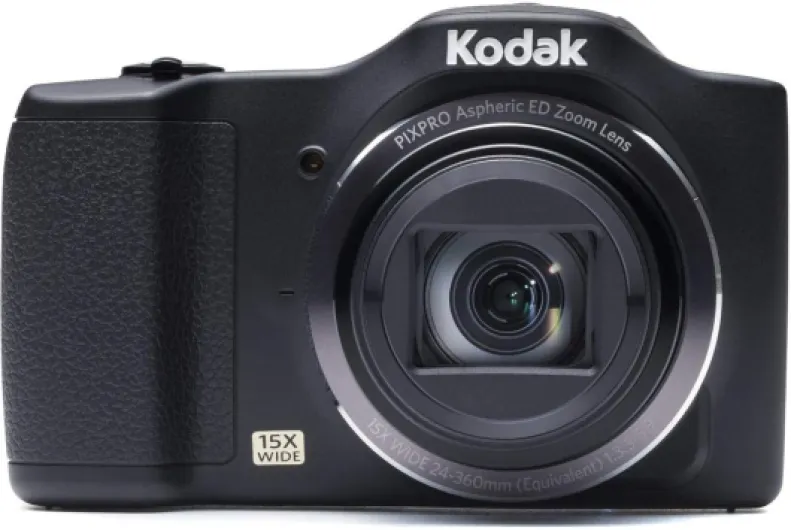
Full-frame compact designs such as some Leica fixed lens cameras pair a large CMOS sensor with a fast focal length around 28 mm or 35 mm equivalent. This combination gives a natural field of view for street scenes, strong subject separation, and excellent detail even in dim light, although the price usually climbs sharply. By contrast, an APS-C compact camera or a 1-inch-style budget model like the Kodak Pixpro FZ55 16 MP 5x Zoom Digital Camera in black, which uses a compact 1/2.3-inch sensor and a 28–140 mm equivalent zoom, offers more reach with its lens and still outperforms many phones for everyday photography.
Do not ignore how sensor technology interacts with image stabilization and autofocus performance in these digital cameras. A modern CMOS sensor with fast readout enables more accurate continuous autofocus, better video quality, and advanced features such as subject tracking or face detection. When you compare camera buy options, look at how the sensor, lens, and stabilization system work together rather than chasing individual specifications in isolation.
Ricoh, Fujifilm, and Leica: how leading brands shape the fixed lens experience
Among enthusiasts, Ricoh, Fujifilm, and Leica dominate conversations about the best fixed lens digital cameras. The Ricoh GR series, including the popular Ricoh GR IIIx model, uses an APS-C sensor in a genuinely pocketable compact body with a sharp 40 mm equivalent fixed lens that many street photographers swear by. When people mention the GR IIIx or earlier GR cameras, they usually praise the crisp image quality, responsive autofocus, and the way these compact cameras almost disappear in the hand.
Fujifilm approaches fixed lens design differently, blending retro styling with advanced digital internals in its X100 line of compact cameras. These cameras combine an APS-C sensor, a 35 mm equivalent focal length, and a hybrid optical/electronic viewfinder, which together create a unique shooting experience that feels both classic and modern. For photographers who value black-and-white film simulations, rich color profiles, and effective stabilization in a relatively small body size, many consider the X100 series among the best compact options available.
Leica plays in a higher price bracket, but its fixed lens full-frame compact cameras attract photographers who want a minimalist interface and premium build. A Leica full-frame compact model typically offers a fast prime lens, solid weather resistance, and a robust metal body that inspires confidence during travel or documentary work. If you are exploring curated recommendations, resources such as this guide to top fixed lens digital cameras can help you compare how Ricoh, Fujifilm, and Leica position their fixed lens cameras for different users.
Key features that separate average compact cameras from the best
When evaluating camera buy decisions, focus on how each feature affects real images rather than marketing language. Start with the lens, because a high-quality fixed lens or a well-designed zoom has more impact on image quality than small differences in megapixels. Look for a bright maximum aperture, a useful focal length range, and close focusing capability, since these factors shape depth-of-field control, low-light performance, and everyday versatility.
Autofocus speed and reliability matter just as much, especially if you shoot moving subjects or candid street scenes. The best fixed lens digital cameras combine phase-detection autofocus on the CMOS sensor with intelligent subject recognition, which keeps faces and eyes sharp even when the scene changes quickly. Pair that with effective image stabilization in the lens or body, and you can handhold at slower shutter speeds without sacrificing sharpness in either color or black-and-white images.
Handling details often separate an average compact camera from the best compact models. A responsive touchscreen, well-placed dials, and a clear electronic viewfinder make it easier to adjust exposure, frame the shot, and review fine image details in bright sunlight. Weather sealing, battery life, and ergonomics also matter, because a camera that feels comfortable in the hand encourages you to carry it more often and to shoot more confidently in challenging conditions.
Everyday usability: ergonomics, video, and when a compact beats a DSLR
Real-world usability often decides whether a fixed lens camera becomes your daily companion or stays in a drawer. A compact body with thoughtful controls, a responsive rear screen, and intuitive menus lets you react quickly when the light changes or a fleeting moment appears in your field of view. When a camera feels natural to operate, you think less about buttons and more about framing the image and managing depth of field creatively.
Video performance has become central even for stills-focused photographers, because many people expect their compact cameras to handle family clips, travel logs, or short creative projects. The best fixed lens digital cameras now offer 4K recording, reliable continuous autofocus, and effective image stabilization, which together produce smooth footage without extra rigs. Some models even provide flat color profiles that give more flexibility in post-production, bringing them closer to larger full-frame systems in terms of video quality.
There are situations where a high-quality compact camera simply beats a bulky DSLR or mirrorless kit. Walking through a crowded city, a small compact with a discreet black body and a silent shutter attracts far less attention than a large full-frame camera with an interchangeable zoom lens. In my own experience, comparing a lightweight fixed lens compact to a renewed entry-level DSLR such as the Nikon D3100 with 18–55 mm VR lens, reviewed in detail as a tested digital SLR option, makes it obvious how often you leave the bigger kit at home simply because of the weight.
How to match a fixed lens camera to your style and budget
Before you compare specific digital cameras, clarify what you actually photograph most. Street photographers often prefer a compact body with a 28 mm or 35 mm equivalent focal length, fast autofocus, and strong black-and-white rendering, while travel shooters may favor a longer zoom lens and better weather sealing. Portrait-focused users might lean toward larger sensors such as APS-C or full-frame, because these formats offer smoother depth-of-field transitions and more flexible image files for editing.
Budget plays a decisive role, since the price range for the best fixed lens digital cameras stretches from affordable compact cameras to premium Leica models. Entry-level compact camera options with smaller sensors still deliver better image quality than most phones, especially in low light or when you need clean video with reliable image stabilization. Mid-range APS-C compacts from brands like Ricoh and Fujifilm offer a compelling mix of portability, performance, and build quality, making them strong camera buy choices for enthusiasts.
When you evaluate each candidate, handle the camera if possible and pay attention to how the body size fits your hands, how the touchscreen responds, and how quickly the autofocus locks in different lighting conditions. Check whether the field of view of the lens matches how you naturally see scenes, and whether the menus feel logical to you. A spec sheet can highlight the best features on paper, but only real handling reveals whether a particular fixed lens camera will become a trusted everyday companion.
Key figures about fixed lens digital cameras
- According to shipment data from the Camera & Imaging Products Association (CIPA), compact digital cameras accounted for roughly one third of all dedicated camera units sold worldwide in recent years, showing that fixed lens models still serve a large audience beyond smartphones.1
- Many premium compact cameras with APS-C or 1-inch sensors offer resolutions between 16 and 26 megapixels, which is sufficient for high-quality prints up to at least 40 × 60 cm when paired with a sharp fixed lens.
- Independent lab tests from organizations such as DxOMark indicate that modern full-frame sensors can deliver more than 14 stops of dynamic range at base ISO, while advanced APS-C designs reach around 13 stops, narrowing the real-world gap between formats.2
- Image stabilization systems in current fixed lens cameras typically provide between 3 and 6 stops of compensation, allowing photographers to handhold at shutter speeds as low as 1/4 second with wide focal lengths in many situations.
- Market analyses from firms like BCN Retail show that models from Ricoh, Fujifilm, and Leica consistently rank among the best-selling premium compact cameras in Japan and Europe, reflecting strong demand for high-quality fixed lens designs.3