
Summary
Editor's rating
Value for money: who this renewed kit makes sense for
Design and handling: chunky but practical
Battery, storage and the small annoyances
Build quality and condition as a renewed product
Image quality and autofocus: still very capable for photos
What you actually get with this renewed D7000 kit
Pros
- Solid, comfortable DSLR body with lots of physical controls and dual SD card slots
- 18–105mm VR lens covers a useful zoom range for everyday shooting with stabilisation
- Good stills image quality at low to mid ISO and reliable autofocus for static subjects
Cons
- Older sensor and video features; low-light and video performance lag behind modern cameras and phones
- Renewed kit contents can be inconsistent, sometimes missing battery/charger or proper packaging

Specifications
View full product page →| Brand | Nikon |
A used DSLR instead of a new phone camera?
I picked up this renewed Nikon D7000 kit with the 18–105mm VR lens because I wanted to get back to a “real” camera after years of just using my phone. I’m not a pro, but I’ve had a few DSLRs before (Canon and Nikon), so I kind of knew what to expect. The idea of getting an older body, refurbished, instead of dropping a lot of cash on a new mirrorless was appealing. On paper, 16.2 MP, dual SD slots, 39-point autofocus and a stabilised zoom lens for this price looked like a decent deal.
I used it for about three weeks: a weekend trip, some family stuff indoors, a couple of walks in the park, and a low‑light concert in a small bar. So this isn’t lab testing, it’s just normal life use. I shot mostly JPEGs, some manual, some aperture priority, ISO usually between 100 and 3200, and I used a mix of old SDHC and newer SDXC cards. I didn’t baby it, it went in and out of a bag, in the car, in light drizzle once.
Right away, you feel this is not a new camera. The menu layout, the screen resolution, and the overall speed are behind current gear. But at the same time, the thing that stands out is that it still takes genuinely good photos when you do your part. The sensor might be older, but for everyday shooting, it’s more than enough. The autofocus system is also better than what I expected for something this old, especially with static or slow subjects.
Overall, my first impression was: solid body, decent lens, very capable for photos, clearly dated for video, and typical renewed-product lottery on accessories. It’s not flashy, it doesn’t feel modern, but it gets the job done if your main goal is to shoot stills and you don’t care about the latest bells and whistles.
Value for money: who this renewed kit makes sense for
In terms of value, this renewed Nikon D7000 kit sits in an interesting spot. For roughly the price of a mid‑range compact or a budget mirrorless body alone, you’re getting a DSLR body plus a versatile 18–105mm VR zoom. For someone starting out or coming back to photography, that’s decent. You get a lot of control, a solid body, and a lens that covers most everyday situations. If you already have Nikon F‑mount lenses, it’s even more attractive as a cheap second body.
Where the value drops is if you care a lot about video, super high‑ISO performance, or very compact gear. A newer entry‑level mirrorless with a kit lens might give you better autofocus for video, cleaner high‑ISO, and a lighter setup, but usually at a higher price. Phones will beat it on convenience and sharing speed, but not on handling, lens flexibility, or the feel of shooting. So it really depends on what you want. For novice to intermediate photographers focused on stills, this is a pretty solid deal as long as you understand you’re buying older tech.
You also have to factor in the hidden costs: possibly buying a genuine battery, a memory card or two, maybe a manual or a remote trigger. That can easily add another chunk of money. Even then, you’ll likely still be below what you’d pay for a new DSLR or mirrorless kit with similar control and build quality. The Amazon Renewed guarantee is another point in its favour, since you can return or replace it if you get a bad unit.
So my take: good value if your priority is a cheap but capable stills camera with a flexible zoom lens, and you’re okay with some risk on the refurb side and with missing accessories. If you’re expecting a modern, polished experience out of the box with perfect packaging and full kit, or if video is your main thing, then the value isn’t as strong and you might be happier saving up for a newer model.
Design and handling: chunky but practical
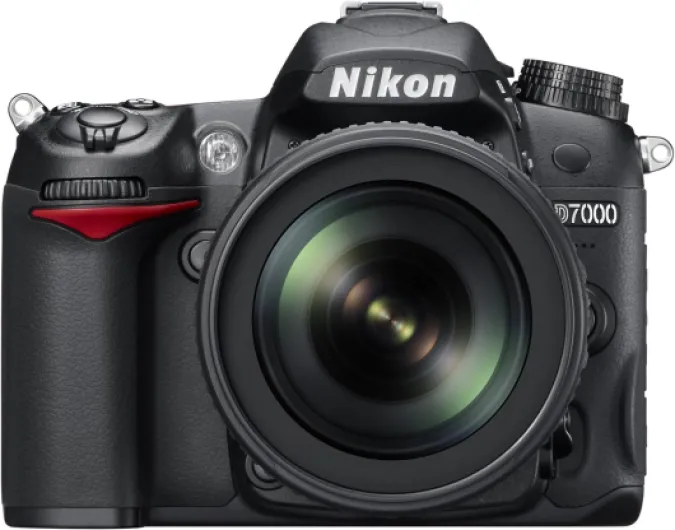
The D7000’s design is very much classic DSLR: chunky grip, physical dials everywhere, optical viewfinder. Compared to a modern mirrorless or a big phone, it’s definitely bigger and heavier. At around 900 g with the lens, this is not something you forget in your pocket. For me, that weight actually helped with stability, especially at 105mm. The grip is deep, and my fingers sat comfortably, even after an hour of walking around shooting. It feels like a camera meant to be used, not just looked at.
On the top and back, you’ve got a proper mode dial, a secondary dial for drive modes, and front/rear command dials for aperture and shutter. I like that there are dedicated switches for AF/MF and live view, and buttons for ISO, WB, and metering. It’s not as minimal as newer designs, but in practice, it’s nice not to dive into menus constantly. Once you remember where everything is, you can change most settings without taking your eye off the viewfinder. That’s something phones and simple cameras don’t give you.
The 3‑inch LCD has 640k dots, which is okay but definitely not sharp by 2024 standards. Reviewing images is fine, but zooming in to check focus is a bit grainy. The optical viewfinder is bright enough, and I had no trouble composing shots outdoors in daylight. Indoors, it’s still usable, but you’re relying on the AF system more than your eyes. The menu system is typical older Nikon: logical enough once you get used to it, but it does feel dated and a bit cluttered compared to more recent bodies.
Overall, the design is not sleek or modern, but it’s practical. If you like physical controls and a proper viewfinder, you’ll probably enjoy using it. If you’re coming from a phone, the size and the number of buttons might feel overkill at first. After a few days, though, I found myself appreciating having dedicated controls, especially when the light changed quickly and I didn’t want to fight with touch screens and submenus.
Battery, storage and the small annoyances
The first thing to know: the listing says batteries are not included, and that matches the mixed reviews. In my box, I found a third‑party battery and a generic wall charger. It worked, but I didn’t fully trust the long‑term reliability. I ended up buying an original Nikon EN‑EL15 separately. With the genuine battery, I easily got a full day of casual shooting: roughly 400–600 shots, some menu browsing, and a bit of chimping on the LCD. That’s one area where DSLRs still beat phones: you’re not charging every few hours.
With the third‑party battery that came in the box, battery life was shorter, and the percentage reading felt less accurate. It dropped from around 60% to 20% faster than expected. So if you’re planning to use this camera seriously, I’d budget for at least one genuine Nikon battery. It’s extra cost, but it makes the whole experience less annoying. There was no USB charging, obviously, so you need to carry the charger if you’re travelling.
On the storage side, the dual SD card slots are a big plus. I used two 64 GB SDXC cards (V30 rated) and had no issues. You can configure them for overflow (when one is full, it switches to the other) or backup (writing the same file to both cards). For anything important like travel or events, I set it to backup, which gives some peace of mind. Write speeds were fine for JPEG shooting; I never hit the buffer in normal use.
The small annoyances: no remote included, no manual, and the USB port is old‑school (USB 2.0). I ended up using a card reader instead of the cable because it was faster and less fiddly. So in practice, battery and storage are strengths if you’re willing to buy a proper battery and a couple of good SD cards. Out of the box, depending on what your renewed unit includes, you might need to spend a bit more to make it truly comfortable to use.
Build quality and condition as a renewed product
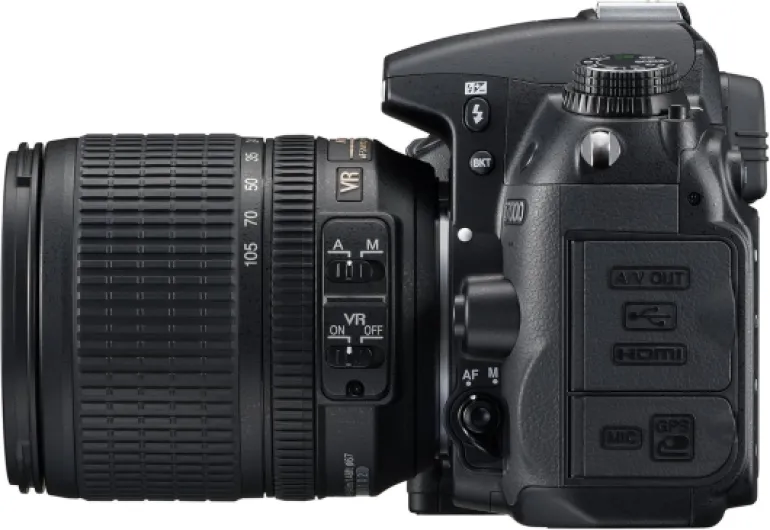
The D7000 body itself feels solid. It has a magnesium alloy top and rear, and the whole thing gives off a semi‑pro vibe rather than a cheap entry‑level plastic feel. In the three weeks I used it, I had it hanging from my neck, thrown into a backpack without a padded case a couple of times, and used in light drizzle once. No creaks, no flex, no weird noises. Buttons and dials still have a good click, and the shutter sounds tight, not tired. So from a build standpoint, it holds up well for its age.
Because this is an Amazon Renewed product, the big question is: how good was the refurb job? In my case, the camera arrived clean, with no gunk in the crevices, no scratches on the LCD, and only tiny marks on the body if you looked very closely. The lens zoom ring was smooth, the focus ring had no play, and both front and rear elements were clean. No dust blobs showed up in the images, which usually means the sensor was cleaned properly. That lines up with some of the positive reviews saying it looked almost new.
However, user reviews also show the other side: at least one person mentioned bad packaging and missing accessories like charger and battery. That’s the renewed gamble: the camera itself might be fine, but the overall kit can feel a bit thrown together. The warranty is 1 year limited, which is reassuring on paper, but you still don’t know the actual shutter count or how the previous owner treated it. So you’re trusting both Nikon’s original build quality and the refurbisher’s standards.
From my time with it, I’d say the D7000 as a product is robust enough to survive several more years of casual use, as long as you don’t abuse it. The risk is less about the body failing overnight and more about getting a unit that wasn’t cleaned or packed carefully. So if you go this route, I’d test everything in the first week: check all buttons, cards slots, lens mount, VR, and take some test shots at different apertures to spot any issues early while the return window is open.
Image quality and autofocus: still very capable for photos
For stills, this camera holds up better than I expected. The 16.2 MP APS‑C sensor is not high‑resolution by today’s standards, but the files are clean enough and detailed enough for prints and online use. At ISO 100–800, images look crisp, with decent dynamic range. I shot a lot of outdoor scenes at ISO 100–200 and got nice, sharp photos with good colour straight out of the camera in JPEG Fine. You can push shadows a bit in post without everything falling apart, which is decent for an older sensor.
In low light, things change. At ISO 1600, it’s still okay, some visible noise but usable. At ISO 3200, the noise becomes noticeable, but for family shots or social media, it’s still fine. Above that, especially at 6400 and beyond, it’s more of an emergency option. I used ISO 3200 at a small bar gig with the 18–105mm wide open, and the results were acceptable but not pretty if you zoom in. So if you’re expecting clean, modern low‑light performance, this isn’t it, but it’s good enough for casual use.
The 39‑point autofocus system is one of the better parts of the camera. For static subjects, landscapes, portraits, or slow‑moving people, it locks focus quickly and reliably. In AF‑C (continuous), it tracks movement reasonably well, but don’t expect miracles with fast sports or erratic kids running indoors. I had a couple of missed focus shots when my subject moved towards me quickly, but for the price and age, it’s acceptable. The central points are more reliable; the outer points are fine in good light but can hunt a bit in dim conditions.
Video is where the age really shows. Even though the spec mentions MP4 and 2160p, in practice this is not a modern video camera. Autofocus during video is slow and noisy with this lens, and the footage looks okay at best. For quick clips, it’s fine, but if video is your main use case, there are better options around. So overall: for photos, performance is pretty solid for an older DSLR; for video, it’s clearly behind what you get from mid‑range phones or newer mirrorless bodies.
What you actually get with this renewed D7000 kit
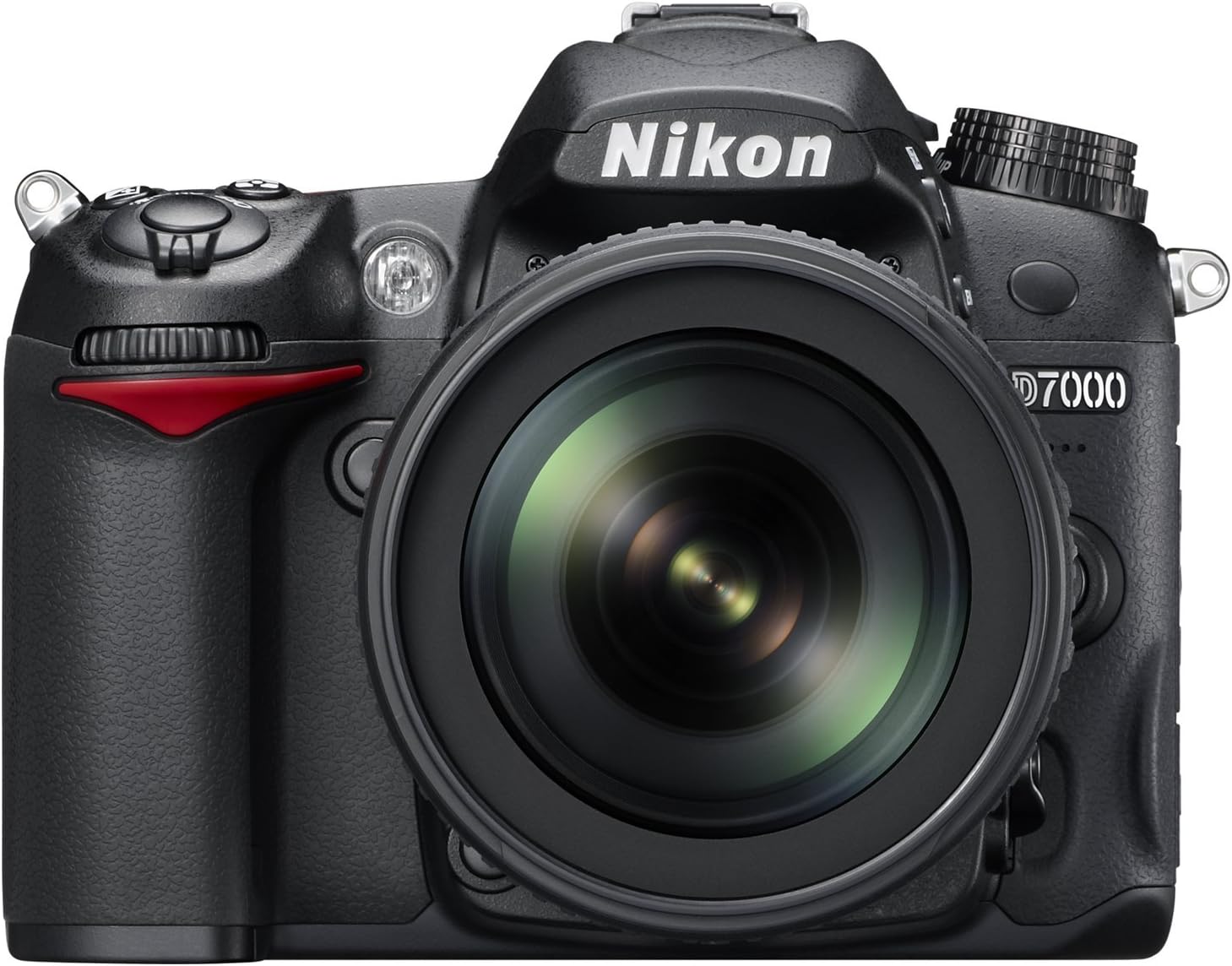
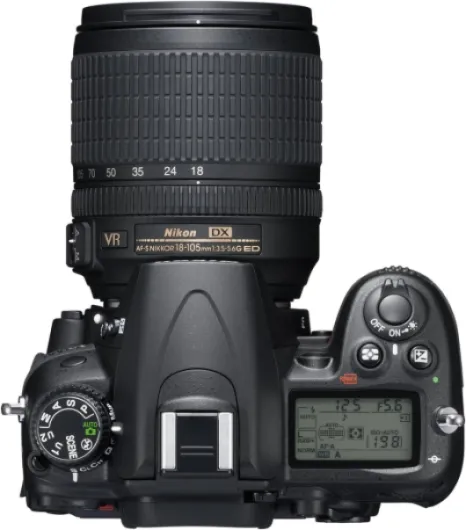
This is a renewed / refurbished Nikon D7000 body with an 18–105mm VR lens. So you’re not getting the newest tech, but you’re getting a mid‑range body from back when DSLRs were the standard. The spec sheet says 16.2 MP APS‑C (DX) sensor, 39 autofocus points, dual SD card slots (SDXC compatible), ISO 100–6400 expandable to 25600, and a 3‑inch LCD. It shoots stills and video, though the listing mentions 2160p which, realistically, this generation doesn’t truly handle the way modern cameras do, so I treated it as a 1080p-era camera.
The lens is the Nikon 18–105mm f/3.5–5.6 VR, which gives you a 6x optical zoom, from a fairly wide 18mm to a decent telephoto at 105mm. For everyday use, that range is handy: landscapes at 18mm, portraits and tighter shots between 50–105mm. The VR (image stabilisation) is built into the lens, and it does help keep shots usable at slower shutter speeds, especially at the long end. The camera supports common shooting modes: Auto, Program, Aperture Priority, Shutter Priority, and full Manual, so you can grow with it if you’re still learning.
One thing to be aware of: batteries are officially “not included” in the listing, and user reviews are mixed. Some people got a full kit with charger, battery and even a case; others got basically just the body and lens without a battery or manual. In my case, I got a third‑party battery and a generic charger, no printed manual. The body itself looked clean: no scratches on the screen, only very light marks on the grip if you looked closely. The lens glass was clean, no obvious dust or fungus, zoom ring smooth, and VR working.
So in practice, what you’re buying is an older, mid‑range DSLR that’s still perfectly usable today, packaged in a way that depends heavily on how careful the refurbisher was. If you’re okay with maybe having to buy a genuine Nikon battery and a cheap manual separately, the core package (body + 18–105mm lens) is quite usable and gives you a real DSLR experience without spending what a new body and lens would cost.
Pros
- Solid, comfortable DSLR body with lots of physical controls and dual SD card slots
- 18–105mm VR lens covers a useful zoom range for everyday shooting with stabilisation
- Good stills image quality at low to mid ISO and reliable autofocus for static subjects
Cons
- Older sensor and video features; low-light and video performance lag behind modern cameras and phones
- Renewed kit contents can be inconsistent, sometimes missing battery/charger or proper packaging
Conclusion
Editor's rating
After a few weeks with the renewed Nikon D7000 and 18–105mm VR kit, my overall feeling is that it’s a solid stills camera for the price, with some clear age-related limits. The body is robust, handling is good thanks to all the physical controls, and the 39‑point autofocus is still usable for most everyday situations. The 16.2 MP sensor is not cutting‑edge, but for normal prints and online use, it does the job. Paired with the 18–105mm lens, you’ve got a flexible setup that covers landscapes, portraits, and general travel shots without changing lenses.
On the downside, this is not a modern video camera, low‑light performance is only decent, and the whole experience feels dated if you’re used to fast, connected devices. Being a renewed product adds some uncertainty: some boxes come nicely kitted out, others arrive missing a proper battery or charger. I’d treat it as buying a good used camera with a bit of safety net from Amazon’s guarantee, not as buying something fresh from the factory.
If you’re a novice or enthusiast who mainly wants to shoot photos, learn manual controls, and doesn’t care much about video or having the newest tech, this kit makes sense and offers good value. If you’re very picky about accessories, want top‑tier low‑light or 4K video, or prefer something compact and modern, you should probably skip this and look at newer mirrorless options or just stick with a high‑end phone. For what it is—a renewed, older DSLR—it still gets the job done and can be a nice way to get back into photography without spending a fortune.