
What “compact” really means now for everyday photographers
The phrase best compact camera 2026 hides a messy reality for buyers. A compact camera used to mean a shirt pocket point and shoot with a tiny sensor and a slow zoom lens, but today it also covers premium fixed lens bodies that rival small mirrorless cameras in image quality. When you compare compact cameras now, you are really choosing between convenience, sensor size, and how serious you are about photography.
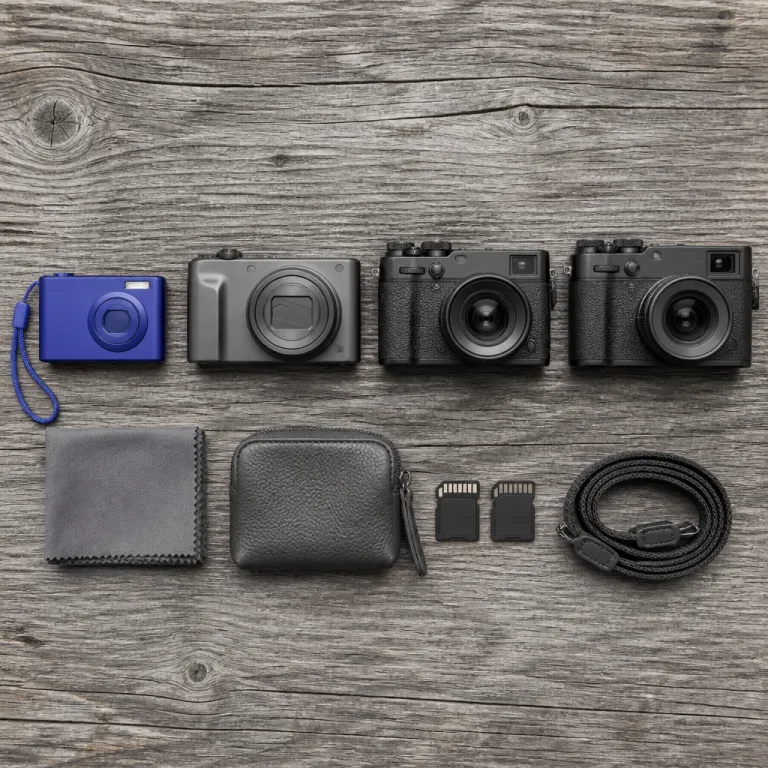
At the budget end, compact cameras are still small cameras with retractable zoom lenses and modest sensors, and these cameras aim to beat your phone mainly with optical zoom and better handling. Higher up, the best compact models use a larger APS sensor or micro thirds sensor, a bright fixed lens, and a more substantial body that feels like a shrunken rangefinder. This split means the best cameras in this category will either slip into a jeans pocket or hang from a strap as an everyday carry tool you actually enjoy using.
When people search for the best compact camera 2026, they often mix up fixed lens compacts with interchangeable lens mirrorless cameras, and that confusion matters because a compact camera will lock you into one focal length or one zoom lens forever. A small mirrorless body with a kit zoom can be almost as portable, but it changes how you think about focal length, future upgrades, and the total cost of your photography system. The right choice will depend on whether you want a single excellent image making machine that just works or a flexible camera system that can grow with you.
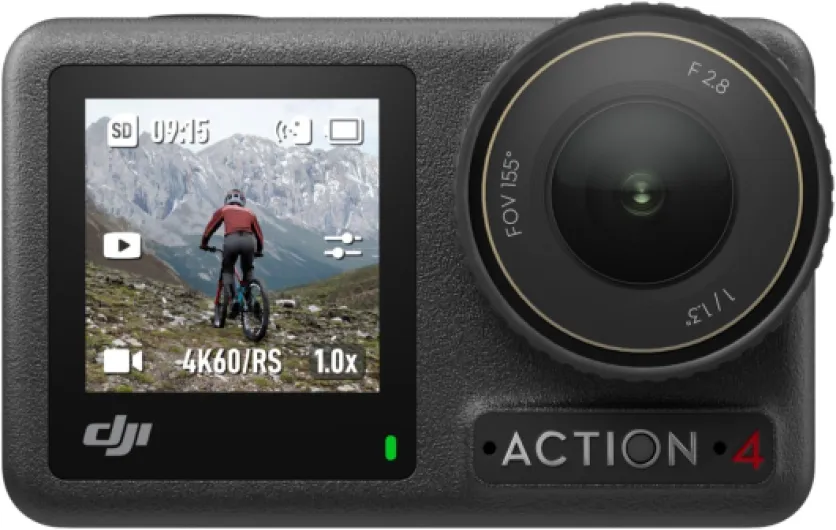
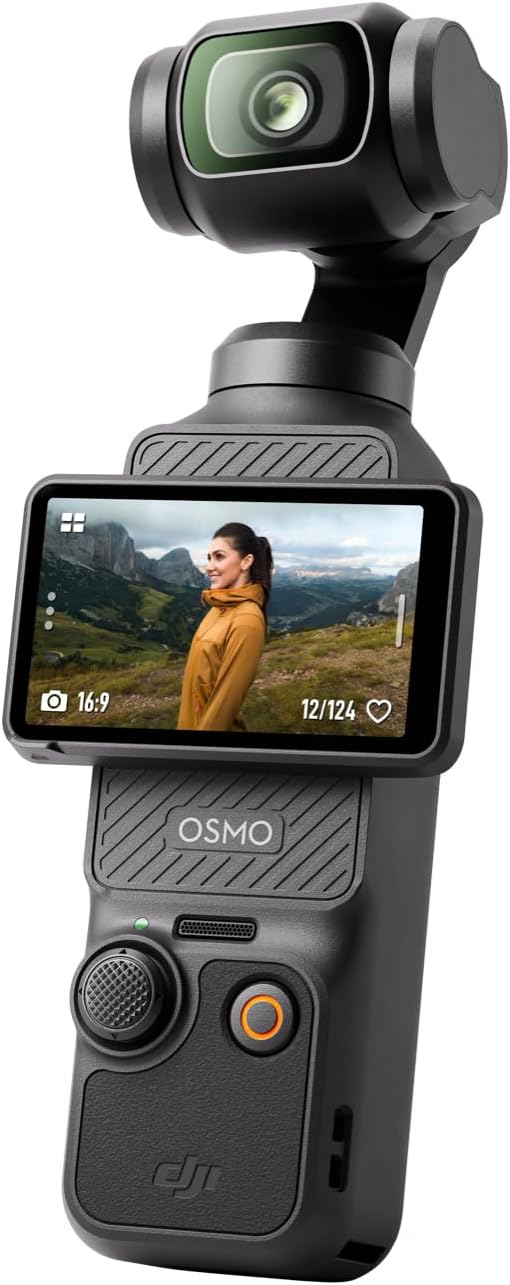
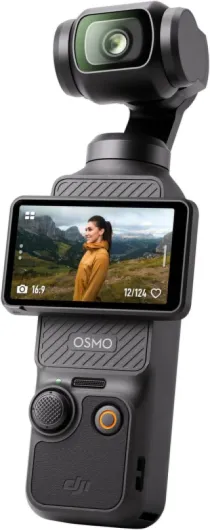
- + Résolution 4K à 120fps
- + Étanche pour les activités nautiques
- + Capteur de 1/1.3 pouces pour une meilleure qualité d'image
- + Excellente performance en faible luminosité
- + Performances couleur 10 bits et D-Log M

The under 500 euro compacts: what you gain and what you give up
If your budget tops out around 500 euros, the best compact camera 2026 for you will probably be a simple point and shoot with a small sensor and a long zoom lens. These compact cameras are designed for family trips and casual photography, and they prioritise reach and convenience over absolute image quality or low light performance. Think of them as better tools than a phone when you need a real optical zoom and a proper camera grip.
In this price band, a typical compact camera uses a 1 over 2.3 inch type sensor, which is far smaller than an APS sensor or micro thirds chip, and that limits dynamic range and high ISO performance. You still get a versatile frame equivalent focal length range, often from about 24 millimetres to 200 millimetres, and that makes these compact cameras useful for city breaks, school events, and wildlife in good light. However, the small sensor and slow maximum aperture mean that image quality drops quickly in low light, and backgrounds will rarely blur as much as they do with larger sensor cameras.
Autofocus in these budget compact cameras is usually contrast detect only, so tracking a running child or a pet will be hit and miss, and the shooting experience can feel laggy compared with a mid range smartphone. On the plus side, you can find beginner friendly vlogging compacts with flip screens and Wi Fi, and some models tested in dedicated reviews of 4K digital cameras for beginners show that video can be perfectly adequate for social media. If you accept that these compact cameras are tools for daylight travel snapshots rather than artistic low light photography, they can still be the best cameras for families who just want something simple and reliable.
The 800 to 1 300 euro premium compacts: where things get serious
Move into the 800 to 1 300 euro range and the phrase best compact camera 2026 starts to mean something very different. Here you find premium compact cameras like the Ricoh GR series, the Sony RX100 line, and fixed lens bodies from Panasonic that borrow technology from larger systems. These cameras are still small, but they are built for enthusiasts who care deeply about image quality, low light performance, and the overall shooting experience.
The Ricoh GR III and Ricoh GR IIIx are the poster children for this new compact camera era, because each uses an APS sensor inside a genuinely pocketable body with a fixed lens. The Ricoh III pairs that sensor with a 28 millimetre frame equivalent focal length, while the Ricoh IIix version stretches to a 40 millimetre frame equivalent focal length that many photographers prefer for portraits and street photography. Both Ricoh cameras deliver excellent image quality, with crisp detail, strong dynamic range, and surprisingly good high ISO files for such a small camera, especially when you enable their effective in body stabilization.
Sony takes a different path with the RX100 VIII, which remains one of the best compact cameras for travellers who want a fast zoom lens and a pop up electronic viewfinder in a tiny body. Its 1 inch sensor is smaller than an APS sensor but larger than the chips in cheap compact cameras, and that middle ground gives you better low light performance and more control over depth of field. If you prefer a slightly larger body with a micro thirds sensor and a classic zoom, Panasonic’s Lumix L10 fixed lens camera offers a back to basics design that many photographers love, and in depth tests of this model show how a well tuned micro thirds sensor and Leica branded zoom lens can still deliver excellent image quality for everyday carry use.
Sensor size, focal length and why your phone is not enough
Choosing the best compact camera 2026 often comes down to understanding sensor size and focal length, because those two factors shape everything from low light performance to background blur. A 1 inch sensor, like the one in Sony’s RX100 series, is already much larger than a phone sensor, and that extra area gathers more light and improves image quality at higher ISO settings. Step up again to an APS sensor in a Ricoh GR III or Ricoh GR IIIx, and you gain another leap in low light performance and dynamic range, even though the camera body stays surprisingly small.
Micro thirds sensors, used in cameras like the Panasonic Lumix L10 fixed lens model, sit between 1 inch and APS formats, and they offer a smart compromise for compact cameras that still need room for a bright zoom lens and effective stabilization. While none of these compact cameras match a full frame sensor for shallow depth of field, they can still produce an excellent image with pleasing background separation when paired with a fast fixed lens. The key is to look at the frame equivalent focal length and maximum aperture together, because a 28 millimetre frame equivalent lens at f two eight on an APS sensor behaves very differently from a 24 to 200 millimetre zoom lens at f four on a 1 inch chip.
Phones simulate bokeh and low light performance with computational tricks, but a real compact camera with a larger sensor and optical stabilization will still beat them when the light drops or the subject moves quickly. A fixed lens compact like the Ricoh III forces you to work within one focal length, which can sharpen your photography skills and make the shooting experience more deliberate. By contrast, a premium zoom compact such as the RX100 VIII or a bridge style camera tested in detailed zoom performance reviews gives you more framing flexibility, but you trade some pocketability and sometimes a little image quality at the long end of the zoom.
Compact versus small mirrorless: when size wins and when it does not
Many people searching for the best compact camera 2026 also look at small mirrorless cameras like the Fujifilm X E4 or Sony A6700, and the overlap can be confusing. A compact camera with a fixed lens will usually be smaller and lighter than a mirrorless body with a kit zoom, and that difference matters when you are deciding what becomes your true everyday carry. However, a mirrorless camera with an APS sensor or full frame sensor offers room to grow with new lenses, better viewfinders, and often more advanced autofocus systems.
If you know you will never change lenses and you value a discreet body that slips into a jacket pocket, a fixed lens compact like the Ricoh GR IIIx or a high end Canon PowerShot G series model is often the better choice. These compact cameras are tuned as complete packages, with the lens, sensor, and stabilization designed together to maximise image quality and handling, and that integration can make them feel more responsive than an entry level mirrorless kit. On the other hand, if you think you might explore telephoto wildlife photography, fast primes for portraits, or ultra wide lenses for landscapes, a small mirrorless camera will give you options that no fixed lens compact can match.
Electronic viewfinder quality is another dividing line, because many compact cameras either skip a viewfinder or use a tiny pop up unit, while mirrorless bodies usually offer larger, brighter EVFs that make manual focusing and exposure judgement easier. Battery life also tends to be better on slightly larger bodies, which matters if you shoot long days without charging, and some photographers prefer the deeper grip and more substantial feel of a mirrorless camera body. The right answer is simple though, because the best cameras are the ones you actually carry, and for many people that still means a genuinely compact camera with a fixed lens and a straightforward shooting experience.
The fixed lens revival and why premium compacts are hard to find
The surge of interest in fixed lens cameras like the Fujifilm X100 series has reshaped the conversation around the best compact camera 2026. Even though the X100 line uses an APS sensor and a 35 millimetre frame equivalent fixed lens in a body that is not truly pocket sized, it has made the idea of a single focal length everyday carry camera feel aspirational again. That demand has spilled over into other fixed lens compacts, making models like the Ricoh GR III and Ricoh GR IIIx sell out frequently and pushing more photographers to consider premium compact cameras instead of entry level mirrorless kits.
This fixed lens revival highlights how a well matched lens and sensor can deliver consistently excellent image quality without the complexity of interchangeable lenses, and it explains why so many enthusiasts now treat a compact camera as their main tool rather than a backup. A camera like the Ricoh III, with its APS sensor, effective stabilization, and 28 millimetre frame equivalent focal length, encourages a particular style of photography that blends street, travel, and everyday life in one small body. The Ricoh IIix version, with its slightly longer focal length, shifts that balance toward portraits and detail shots, and together these cameras show how a fixed lens design can still feel flexible in real world use.
Manufacturers have responded by refining their premium compact lines, from Canon PowerShot models that chase full frame style rendering in a smaller format to Sony compacts that squeeze ever longer zoom lenses into tiny bodies without sacrificing too much image quality. At the same time, niche models like the Panasonic Lumix L10 fixed lens camera celebrate a more restrained approach, focusing on a balanced micro thirds sensor, a thoughtfully chosen zoom range, and a tactile shooting experience that rewards deliberate photography. In the end, the best compact cameras are not the ones with the most features on paper, but the ones that quietly become part of your daily routine and keep delivering an excellent image long after the spec sheets have faded.
Key figures about compact cameras and sensor performance
- In recent industry reports, 1 inch and larger sensor compact cameras account for a growing share of fixed lens camera sales, reflecting a shift away from very small sensor point and shoot cameras toward models that prioritise image quality and low light performance.
- Laboratory testing from major review outlets shows that APS sensor compacts like the Ricoh GR III can maintain usable image quality up to ISO 6 400, while many small sensor compact cameras struggle beyond ISO 1 600, which directly affects how confidently you can shoot indoors or at night.
- Travel surveys indicate that a significant portion of enthusiasts now carry a single compact camera as their primary travel body, with many citing weight savings of several hundred grams compared with a full frame mirrorless body and two lens kit.
- Market data from camera industry associations reveals that fixed lens premium compact cameras have seen double digit percentage growth in unit sales over recent years, even as overall camera shipments decline, underscoring how strongly this niche now appeals to everyday photographers.
FAQ: choosing the right compact camera for your needs
Is a premium compact camera better than my smartphone for travel photos ?
A premium compact camera with a 1 inch, micro thirds, or APS sensor will usually outperform a smartphone in low light, at longer focal lengths, and when you want more natural background blur. The larger sensor, better optics, and optical stabilization give you cleaner files and more consistent image quality. For casual daylight snapshots a phone is fine, but a compact camera becomes valuable when the light drops or your subject moves quickly.
Should I choose a fixed lens compact or a zoom compact ?
A fixed lens compact like the Ricoh GR III or Ricoh GR IIIx offers better image quality and a slimmer body, but you must be comfortable working with one frame equivalent focal length. A zoom compact such as the Sony RX100 VIII or a Canon PowerShot travel zoom gives you more framing flexibility at the cost of a slightly larger body and sometimes a slower maximum aperture. If you value simplicity and pocketability, a fixed lens compact is ideal, while frequent travellers often prefer the versatility of a zoom lens.
How does sensor size affect low light performance in compact cameras ?
Larger sensors gather more light per pixel, which improves noise performance and dynamic range in low light situations. An APS sensor compact will generally beat a micro thirds or 1 inch sensor at high ISO, while all three will outperform the tiny sensors used in budget compact cameras. When choosing the best compact camera 2026 for night scenes or indoor events, prioritise sensor size and lens brightness over sheer megapixel count.
When is a small mirrorless camera a better choice than a compact ?
A small mirrorless camera becomes the better option when you know you will want multiple lenses, such as a telephoto for sports, a fast prime for portraits, and an ultra wide for landscapes. Mirrorless bodies usually offer better electronic viewfinders, more physical controls, and longer term system growth, though they are less pocketable than true compact cameras. If you mainly shoot everyday life, travel, and street scenes, a fixed lens compact may be enough, but ambitious hobbyists often appreciate the flexibility of a mirrorless system.
Do I really need an electronic viewfinder on a compact camera ?
An electronic viewfinder is not strictly necessary, but it can make shooting in bright sunlight much easier and helps with precise framing and manual exposure adjustments. Premium compacts like the Sony RX100 VIII include a small pop up EVF that is very useful when the rear screen becomes hard to see. If you often shoot outdoors at midday or prefer a more traditional camera feel, choosing a compact camera with an electronic viewfinder is a smart investment.