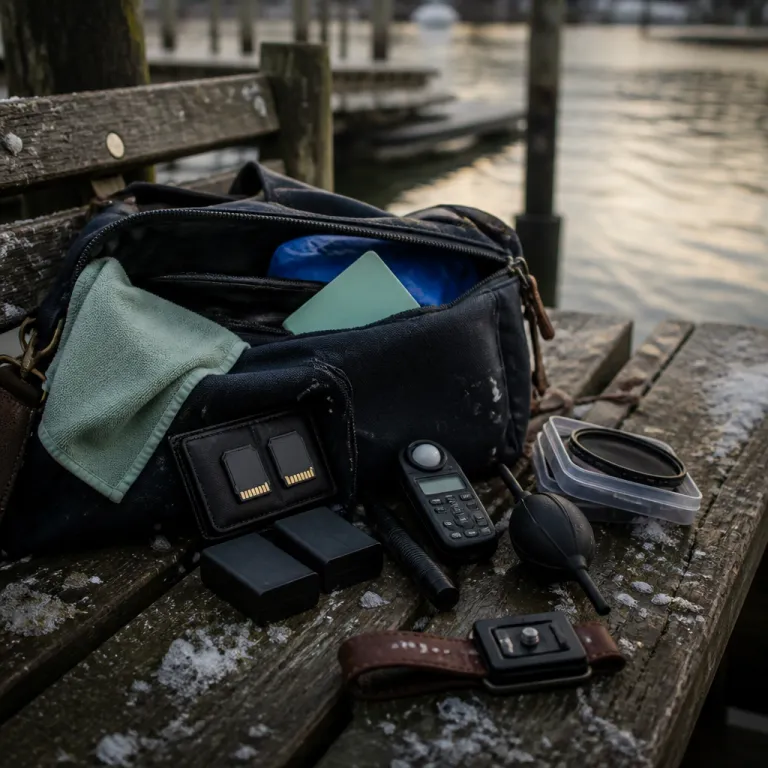
Essential camera accessories for beginners: the gear that matters more than a new body
Why essential camera accessories matter more than a new body
Experienced shooters know that the basic add-ons new photographers ignore often decide whether a day of photography succeeds or fails. When your camera batteries die at your child’s game or your only memory card fills during a once in a lifetime trip, the most expensive camera body suddenly feels useless. The right supporting gear quietly keeps the camera working, protects your investment, and lets you focus on photos instead of problems.
Think of your first camera kit as a system, not just a single camera body with a kit lens. A balanced set of accessories, from a reliable tripod to fast memory cards and a comfortable camera bag, will do more for your images than chasing one more stop of dynamic range on spec sheets. For most beginners, spending part of the budget on support equipment will produce better low light results, sharper photos, and far less frustration than stretching for a higher tier mirrorless or DSLR camera.
Professionals who shoot with Nikon, Canon, Sony, or Fujifilm cameras build their equipment around reliability first, image quality second. They carry multiple lenses, spare batteries, and several memory cards because they know something will eventually fail at the worst possible moment. That mindset is exactly why the first accessories you choose on day one should focus on keeping the camera working, protecting lenses, and backing up files to a hard drive before anything else; this beginner camera accessories checklist for 2026 is built around that same priority.
Power, storage, and protection: the invisible backbone of every kit
The first non glamorous purchase should be spare batteries, because one charge rarely survives a full day of mixed stills and video. Independent tests from sites such as DPReview and Imaging Resource routinely show CIPA battery ratings dropping by 30–50% once you add continuous autofocus, burst shooting, and frequent image review. Two extra batteries per camera body is the baseline that experienced photographers treat as non negotiable equipment, and this simple habit will save more shots than any new lens; expect to spend roughly $25–$40 for a reputable third party cell from brands like Wasabi Power or Watson, or $60–$80 for an original Nikon, Canon, or Sony pack.
Next comes storage, where the difference between a slow memory card and a fast one shapes how your camera will behave in real action. Benchmarks from reviewers such as Camera Memory Speed regularly show UHS I SD cards with real world write speeds around 30–70 MB/s, while good UHS II cards from SanDisk Extreme Pro or Lexar Professional often sustain 150–260 MB/s. For casual photography, a UHS I SD card is fine, but a UHS II card in the 150–300 MB/s range keeps the buffer from clogging when you shoot long bursts at a kids’ soccer match or record 4K video. Buying several mid capacity memory cards instead of one huge card also protects you, because a single failure will not wipe out every photo from the trip; for example, three 64 GB cards usually cost less than one very large 256 GB card while spreading your risk.
Protection sounds boring until you scratch the rear screen or drop the camera bag on concrete. A tempered glass screen protector costs almost nothing, takes minutes to apply, and preserves resale value when you eventually upgrade your camera body or lenses. Pair that with a padded camera bag that fits your starter kit snugly, leaving room for a prime lens, a zoom lens, batteries, and memory cards, and your equipment will survive travel, rain, and crowded subway rides far better than if it rattles loose in a backpack. Well reviewed entry level bags from Lowepro or Peak Design typically cost $60–$150 and offer weather resistant fabrics, configurable dividers, and secure pockets for hard drives and accessories.
Support and stability: tripods, straps, and keeping the camera steady
Sharp photos rarely come from specs alone, because stability matters as much as sensor quality in low light. A compact travel tripod with a solid ball head lets you shoot cityscapes at night, family portraits indoors, or even basic studio photography at home without cranking ISO into noisy territory. For a first set of support tools, a small but sturdy tripod that folds into a camera bag is far more useful than a huge studio stand that never leaves the closet; proven options include lightweight aluminum models from Manfrotto (such as the Befree series) or Benro in the $80–$150 range that support 4–6 kg without flex in independent load tests from reviewers like The Center Column.
When choosing a tripod, ignore flashy weight ratings and focus on real world behavior with your camera and lenses mounted. A good ball head should lock firmly without creep, even when you tilt a zoom lens at full focal length, and the legs should resist wobble when you press the shutter or use a light touch on the camera body. If you plan to grow into heavier DSLR cameras or longer zoom lenses, buy support equipment that will handle future gear, because a stable platform improves every lens you own and keeps image stabilization systems working at their best.
Straps are another overlooked part of camera accessories that directly affect how long you can keep shooting. The thin neck strap that ships with most cameras cuts into your shoulder, twists constantly, and makes keeping the camera ready at your hip harder than it should be. Many experienced photographers switch to a cross body sling strap or a wrist strap that clips quickly to the camera body, and this simple change makes carrying a Nikon mirrorless kit with two lenses feel far better during a long day of photography. Popular examples include Peak Design Slide straps and BlackRapid sling systems, which distribute weight more evenly and keep the camera stable while walking; if you care about autofocus performance while handholding, this list of digital cameras with fast autofocus is a useful reference.
Light, lenses, and cleaning: making images look better from day one
Once power and stability are sorted, the next must have add ons you should consider relate to light and optics. A small external flash that tilts and swivels can transform indoor photography, bouncing light off a ceiling for soft, flattering photos instead of harsh direct flash. Even if you never touch studio photography, a compact flash on a mirrorless or DSLR camera lets you shoot family events in low light without ugly shadows or blurry faces; entry level units from major brands typically cost $80–$150 and recycle quickly enough for casual portraits, while third party options from Godox or Yongnuo offer similar power at lower prices.
Lenses shape how your images feel, and a thoughtful choice beats owning many lenses you rarely use. A fast prime lens, such as a 35 millimetre or 50 millimetre with a wide aperture, gives you shallow depth of field, better low light performance, and a natural perspective for everyday photos, while a versatile zoom lens covers travel, portraits, and kids’ sports with one piece of gear. Over time you may add more zoom lenses with different focal length ranges, but starting with one prime lens and one zoom lens is usually the smartest equipment choice for a first serious kit; common beginner friendly examples include 50mm f/1.8 primes and 24–70mm or 18–55mm zooms from Canon, Nikon, Sony, and Fujifilm.
Cleaning tools are the quiet heroes of keeping the camera and lenses performing like new. A rocket blower, a soft brush, a lens pen, and a few microfiber cloths let you remove dust from the camera body, clean fingerprints from lens filters, and gently clear the sensor surface without scratching it. Use the blower first before every lens change, especially outdoors in low light or windy conditions, and you will dramatically reduce the dust spots that otherwise ruin photos and send cameras to the repair shop; brands such as Giottos and VisibleDust are frequently recommended in lab tests and repair shop checklists for safe, effective cleaning.
What experienced photographers skip: gimmicks that waste money and space
Not every accessory sold next to cameras actually helps you make better photos, and experienced shooters quietly avoid a surprising amount of gear. The truly useful extras for new photographers share three traits, because they protect equipment, increase keeper rate, or make the camera easier to use for longer periods. Anything that does not clearly improve your photography or your workflow usually ends up forgotten at the bottom of camera bags.
Skip clip on smartphone style lenses marketed for real cameras, because they degrade image quality and interfere with proper lens hoods and filters. Avoid ultra cheap tripod kits with plastic ball heads that wobble under the weight of a basic zoom lens, since they create more blur than they prevent and fail quickly under regular work. Think twice before buying huge sets of generic lens filters, as a single high quality protective filter and perhaps a circular polarizer will serve you better than a dozen low grade options that introduce flare and reduce contrast in strong light.
Storage gimmicks deserve the same skepticism, because a drawer full of tiny unlabelled memory cards is a recipe for lost data. Instead, use a small labelled card wallet, back up every shoot to a portable hard drive, and then to a second drive at home so your photos survive even if a camera bag disappears. When you are ready to explore how far modern mirrorless cameras have blurred the line with cinema gear, this analysis of what the shift from cinema camera to mirrorless means for solo creators shows how the right accessories and workflow turn a modest kit into a powerful tool you will still enjoy using years from now.
FAQ
What are the absolute essential camera accessories beginners should buy first ?
For a new photographer, the first must have items to buy are two spare batteries, at least two reliable memory cards, a tempered glass screen protector, and a padded camera bag. These items keep the camera working, protect the camera body and lens, and prevent a single failure from ending a day of photography. Once those basics are covered, a compact tripod and a simple external flash are the next upgrades that will noticeably improve your photos.
How many memory cards and hard drives do I really need ?
A practical starting point is three memory cards for each camera you use regularly, with capacities that match your shooting style and whether you record video. After every important shoot, copy your photos to a portable hard drive and then to a second drive at home, so one failure never destroys your work. This simple two drive backup habit is far more important than chasing more megapixels or buying extra lenses you will rarely use.
Do I need a tripod if my camera has image stabilization ?
In body image stabilization helps a lot for handheld photography, but it cannot replace a solid tripod in very low light or for long exposures. Any exposure longer than about one second, such as night cityscapes or light trails, still benefits from a stable tripod and a good ball head. A compact travel tripod that fits inside most camera bags is usually enough for beginners and will stay useful even as your gear grows heavier.
Should beginners buy a prime lens or a zoom lens first ?
A zoom lens is usually more flexible for beginners, because it covers a range of focal length options for travel, family events, and casual portraits. A fast prime lens, such as a 35 millimetre or 50 millimetre, gives better low light performance and smoother background blur, but it forces you to move your feet more. Many experienced photographers suggest starting with a good zoom lens, then adding one prime lens once you understand which focal length you naturally prefer.
How do I keep my camera and lenses clean without damaging them ?
Use a rocket blower first to remove loose dust from the camera body, lens mount, and front element, then a soft brush for stubborn particles. A lens pen and microfiber cloth handle fingerprints and smudges on lens filters and screens, while liquid cleaners should be used sparingly and never directly on the glass. For sensor cleaning, beginners should stick to the blower and let a professional handle wet cleaning if dust spots remain visible in photos.
Quick starter kit checklist and comparison snapshot
To turn these ideas into action, use this simple checklist as you build your first camera kit: two extra batteries, three mid capacity SD cards, a padded shoulder or sling bag, a compact travel tripod, one zoom lens, one fast prime, a small tilting flash, and a basic cleaning set with blower and cloths. Most photographers can assemble this core setup for less than the price difference between an entry level and mid range camera body, yet it delivers more keepers in real world shooting.
| Accessory | Typical spec | What to look for |
|---|---|---|
| Spare battery | Same capacity as original | Reliable brand, $25–$80, tested for your exact camera model; OEM packs cost more but usually match CIPA rated runtimes, while good third party options trade a little capacity for lower price. |
| SD memory card | UHS II, 150–300 MB/s write | Mid capacity (64–128 GB), V30 or better for 4K video, $20–$60; UHS II cards clear buffers faster for burst shooting, while UHS I cards are cheaper but slow down continuous shooting. |
| Travel tripod | Load rating 4–6 kg | Folds under 40 cm, solid ball head, metal leg locks, $80–$150; aluminum models are slightly heavier but more affordable than carbon fibre, and a proven design beats inflated load ratings. |
Once you have this foundation in place, commit to using it for a few months before chasing new camera bodies. The confidence of knowing your batteries, cards, and support gear will not fail is what actually frees you to experiment, learn, and grow as a photographer.