Key features to compare in cameras with HDMI output
When you compare the best digital cameras with HDMI output, start with resolution and frame rate. A camera with 4K video output over clean HDMI will look sharper on large screens, while Full HD can still be enough for a webcam with a smaller streaming window. Check whether the HDMI output matches the internal recording quality, because some cameras limit external video to lower resolutions or frame rates.
Autofocus performance is critical if you plan to use the camera as a video camera for talking head content or product demos, and you should look for systems with auto focus that track eyes and faces reliably. Some models offer both auto focus and manual focus options, letting you switch to fixed focus when you want consistent framing for a static web cam shot. If you prefer more control, a camera with a smooth manual focus ring and focus peaking will help you nail sharpness even when shooting with a wide angle lens at close distance.
Connectivity also matters, so examine whether the camera includes USB, microphone input, and headphone monitoring alongside HDMI output. A USB webcam mode can simplify streaming when you do not want to rely on a capture card, while a dedicated mic input pairs well with external microphones highlighted in many top digital cameras with microphone input guides. For creators in the United States and elsewhere who travel frequently, battery life, charging over USB, and the ability to power the camera with a dummy battery all influence how practical HDMI based setups feel over long recording sessions.
Using HDMI cameras for streaming, meetings, and hybrid work
Many people now buy the best digital cameras with HDMI output specifically to upgrade their online presence. Instead of relying on a basic laptop web cam, a dedicated camera with clean HDMI can deliver cinematic background blur, better color, and more flattering skin tones. When you connect that HDMI output to a capture card, your computer simply sees a high quality USB webcam signal that works in most conferencing apps.
Streamers often combine a camera with HDMI and an Atem Mini or similar HDMI switcher, which lets them mix multiple cameras, slides, and screen shares during live streaming sessions. In such setups, a camera with auto focus that locks onto your face saves you from constantly checking the monitor, while manual focus can be useful for overhead shots of a desk or product table. If you want to build a multi camera rig, consider a list of enthusiast bodies from resources such as top digital cameras for enthusiasts, then check which ones offer clean HDMI and long recording times without overheating.
Corporate teams and solo professionals in the United States increasingly treat a high quality HDMI camera as essential office equipment. A compact body with USB power delivery can run all day as a webcam with minimal fuss, provided you manage heat and ventilation around the sensor and internal electronics. For remote workers who move between home and coworking spaces, a small video camera with HDMI output and a lightweight capture card is easier to pack than a full studio, yet still looks far better than most built in cameras.
Sensor, lenses, and image quality in HDMI based workflows
Even when you focus on the best digital cameras with HDMI output, the underlying sensor technology remains the foundation of image quality. Larger APS C and full frame sensors gather more light than smaller chips, which helps maintain clean video at higher ISO values during low light live streaming. If you want to understand how stacked, back illuminated, and front illuminated sensor designs affect noise and dynamic range, a detailed guide to camera sensor architecture can clarify what those terms mean in practice.
Lenses shape the look of your HDMI output, so consider whether you need a wide angle zoom for tight rooms or a standard prime for portraits. A camera with interchangeable lenses lets you adapt to different recording location constraints, while fixed lens cameras trade flexibility for simplicity and compact size. When you use a wide angle lens close to your face, auto focus must be both fast and accurate to avoid distracting focus breathing, and some creators still prefer manual focus to lock the plane of sharpness at a fixed distance.
Color science and internal processing also influence how clean the HDMI work signal appears on your monitor or capture card. Some cameras offer flat or log video profiles over HDMI output, which give editors more room to grade skin tones and highlights later. If you mostly use the camera as a webcam with minimal editing, a natural profile with good out of camera color will save you time and reduce the need for complex corrections.
Practical setup tips for HDMI, USB, and capture cards
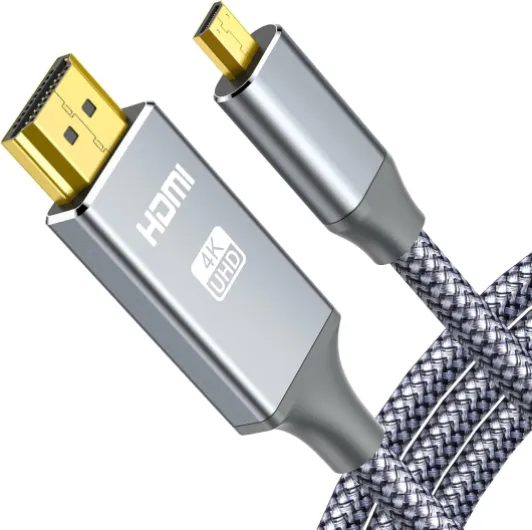
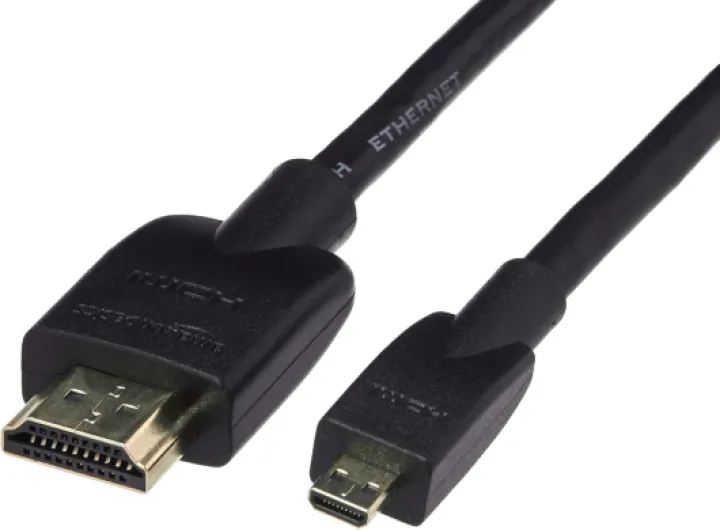
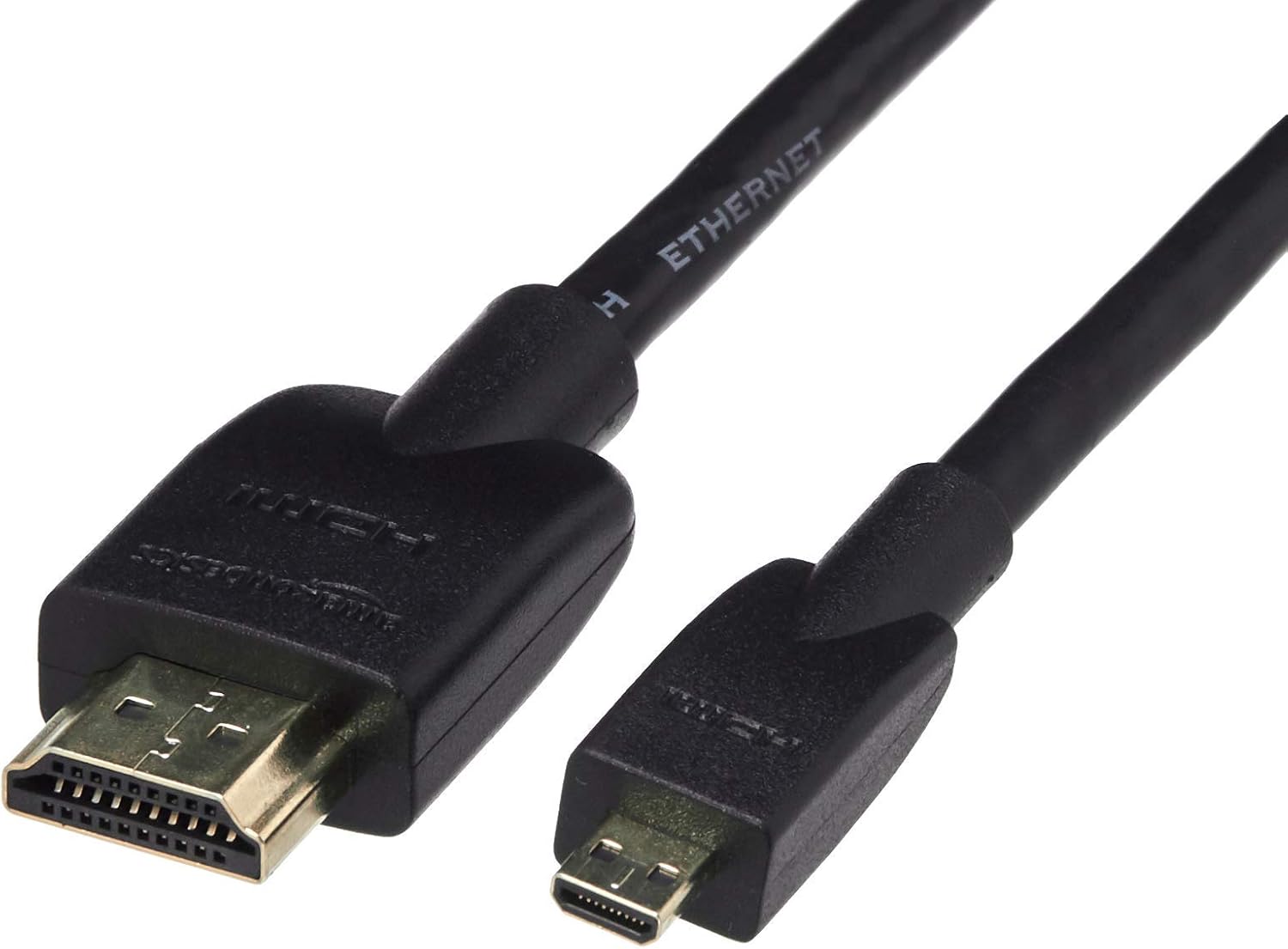
Once you have chosen among the best digital cameras with HDMI output, the next challenge is building a stable setup. Always use high quality HDMI cables of appropriate length, because cheap or overly long cables can cause intermittent signal loss that is hard to find during live streaming. For most home studios, a 1,5 to 3 meter cable balances flexibility with reliability, while longer runs may require active cables or signal boosters.
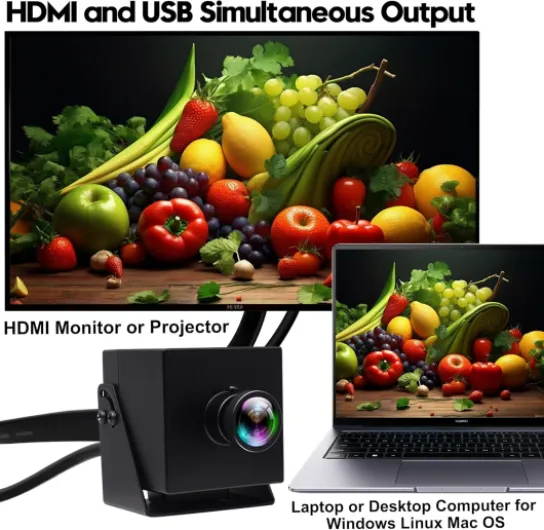
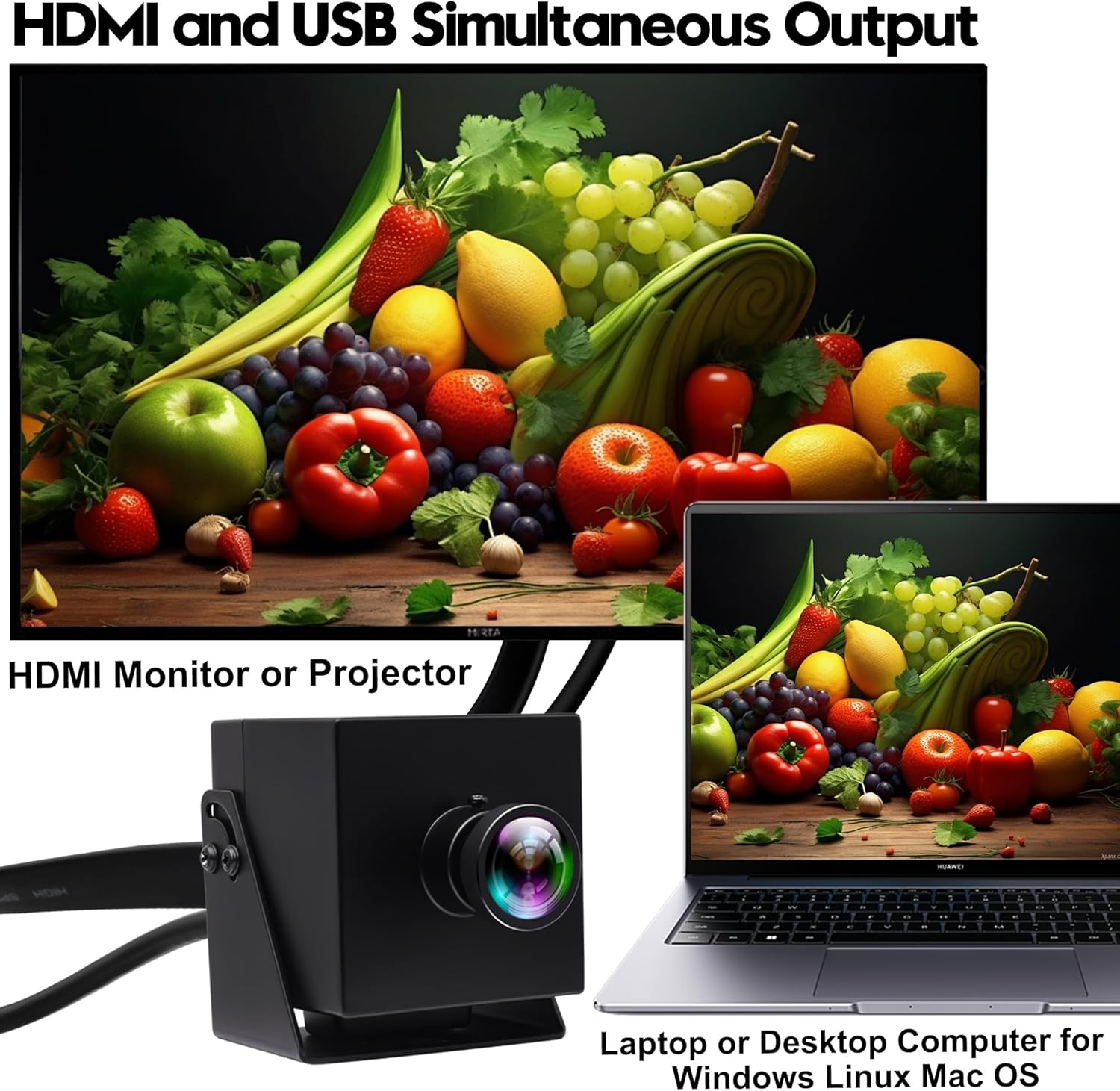
To connect your camera with HDMI to a computer, you typically route the signal through a capture card that converts HDMI to USB. Many compact capture card models support clean HDMI at 1080p or 4K, but you should confirm the maximum frame rate and color sampling they handle. If your camera also offers USB webcam functionality, you can keep that as a backup path in case the capture card fails at a critical time.
Power management is crucial when using a camera as a web cam or video camera for extended recording. A dummy battery and AC adapter keep the sensor and electronics running without interruption, while USB power delivery can supplement or replace the battery in some cameras. For mobile setups in the United States or abroad, carry spare batteries and a small power bank, and test how long continuous recording lasts at your typical resolution and frame rate.
How a camera comparison tool can guide your HDMI choice
Shoppers trying to identify the best digital cameras with HDMI output often feel overwhelmed by specifications and marketing claims. A structured camera comparison tool in a buying guides section can simplify decisions by letting you filter cameras with clean HDMI, long recording limits, and reliable auto focus. When you compare several cameras side by side, pay attention to sensor size, lens options, and whether each camera with HDMI also supports USB webcam modes.
Such tools can also highlight which models offer manual focus aids, wide angle lens compatibility, and robust build quality for frequent travel between one recording location and another. If you participate as a member of an online forum, you can share your comparison list and invite replies from people who have tested those cameras in real world streaming or event coverage. Over time, these community insights help identify which cameras remain stable during long live streaming sessions and which ones overheat or limit HDMI output after a short time.
Some features are still surprisingly hard to find, such as truly clean HDMI on budget bodies or fixed focus webcams with large sensors. A good comparison tool will flag whether HDMI output includes overlays, whether the camera supports with auto exposure and with auto focus in all video modes, and whether it can double as a simple web cam when needed. For buyers in the United States and other regions, filters for regional availability and warranty support ensure that the cameras you shortlist are actually practical to purchase and service.
Key figures on HDMI capable digital cameras
- Industry surveys show that more than 70 % of new interchangeable lens cameras now include clean HDMI output, reflecting the growing demand for streaming and external recording workflows.
- Market analyses indicate that over 60 % of content creators who stream weekly use at least one capture card, underscoring how central HDMI to USB conversion has become in home studios.
- Consumer research in the United States reports that buyers who replace a laptop web cam with a dedicated HDMI camera are more than twice as likely to rate their video quality as "professional" in follow up questionnaires.
- Testing by independent labs has found that full frame sensors can deliver up to 1,5 to 2 stops better low light performance than smaller sensors when sending video over HDMI, which significantly improves clarity in dim rooms.
- Streaming platform data shows that channels upgrading to higher quality HDMI based video feeds often see session watch time increase by 10 to 20 %, suggesting that clearer images help retain viewers longer.