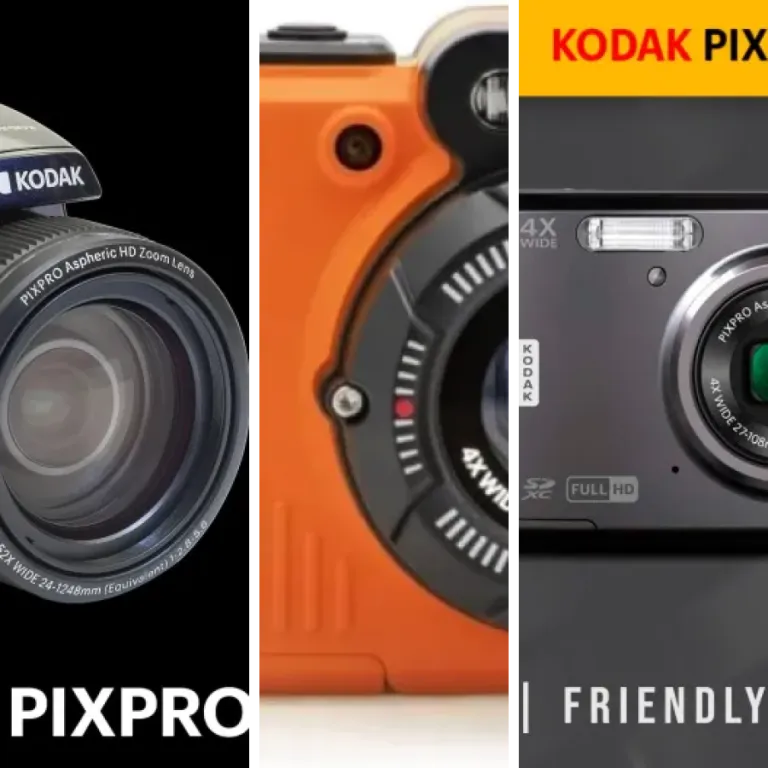
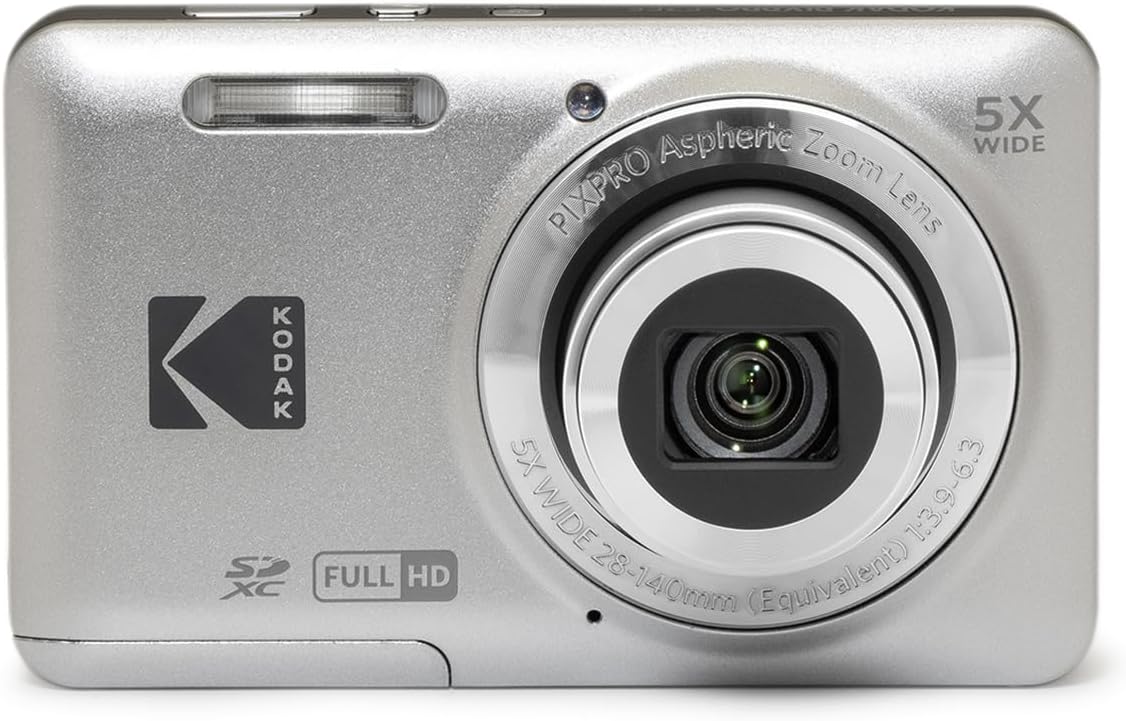
Top Kodak Pixpro compact cameras for everyday photography
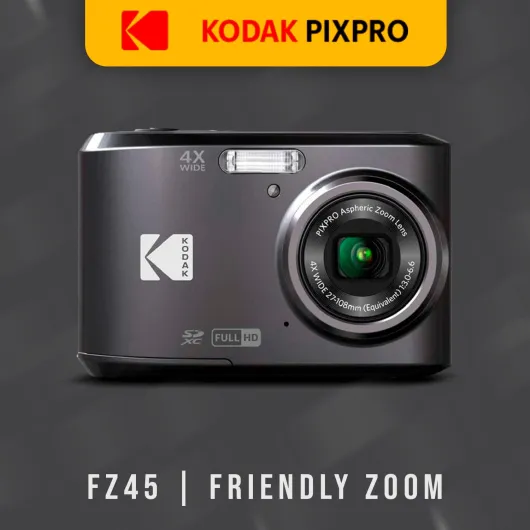
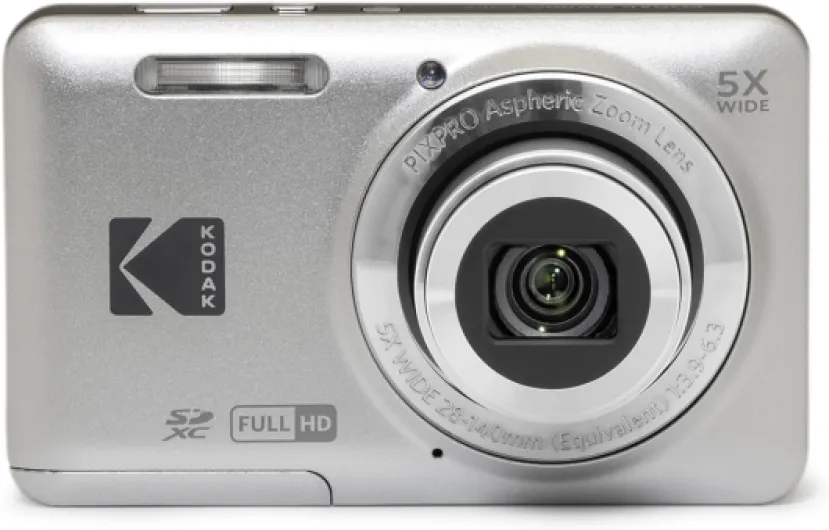
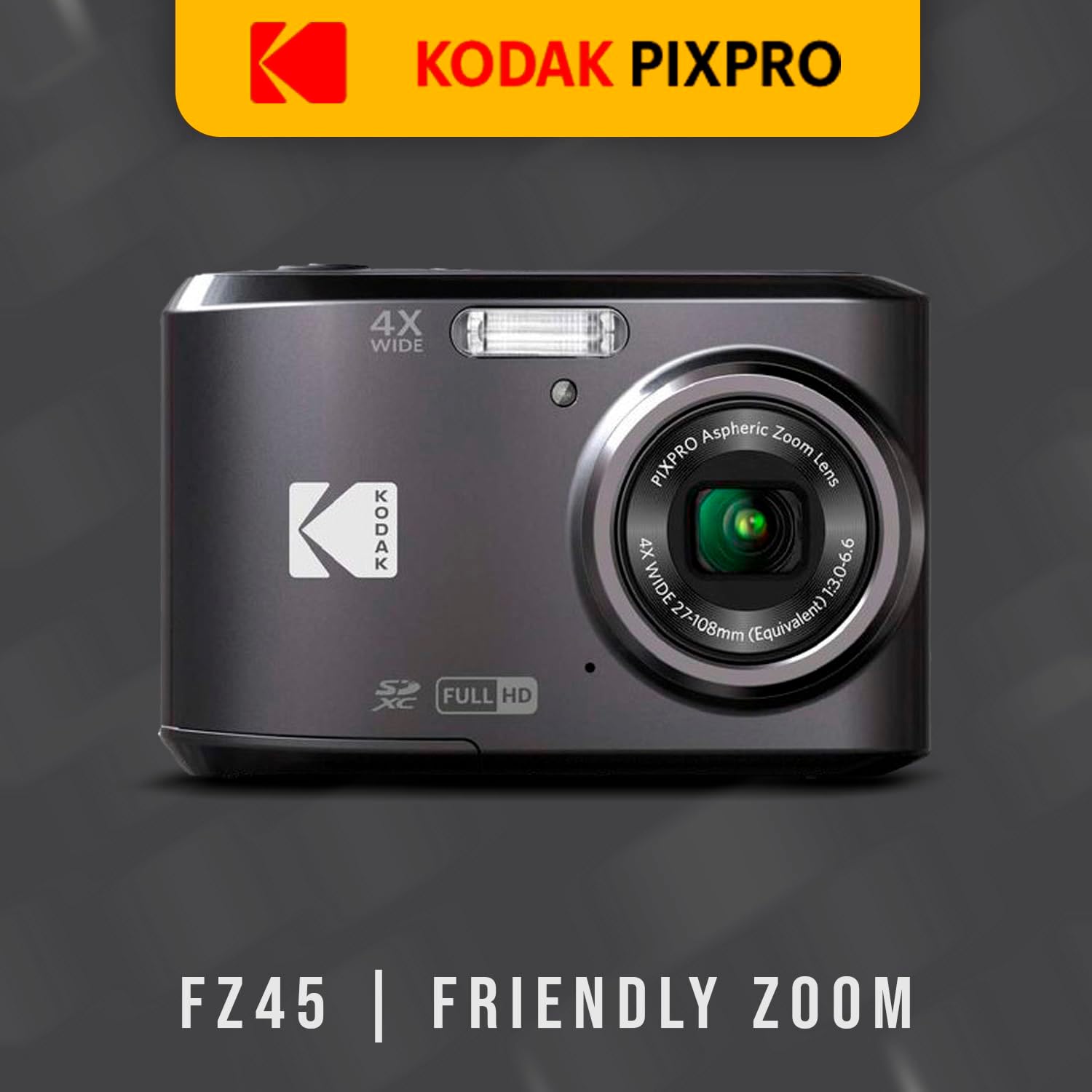
For everyday snapshots, a compact Kodak Pixpro camera offers a practical mix of portability and digital performance. These compact cameras are designed for people who want a simple point shoot experience, where the camera will handle exposure, focus, and color while you frame the image. Compared with an old film camera, a compact digital camera from the Pixpro range gives you instant feedback, easy sharing, and no processing costs.
Look for a compact camera Kodak Pixpro model with at least a 24 millimeter equivalent wide angle lens, because this zoom wide setting helps you capture groups, interiors, and landscapes. Many of the best Kodak Pixpro cameras in the compact segment provide a 5x to 10x optical zoom, which is enough reach for portraits and casual travel scenes without making the camera bulky. When you read any pixpro review, pay attention to comments about autofocus speed, menu design, and how easy it feels to change basic settings.
Battery life is another key factor, since a compact digital camera with a weak battery will frustrate you on long days out. Some Kodak Pixpro compact cameras manage around 200 shots per charge, while others stretch closer to 300, so always check the official CIPA rating before you buy. If you plan to shoot a lot of video clips, carry a spare battery because continuous video recording drains power faster than still image capture.
Travelers who photograph wildlife or distant architecture may find a compact camera limiting, even when the optical zoom is generous. In that case, a bridge camera with a longer camera optical range and a more substantial grip will feel more stable at high zoom levels. To understand whether a compact camera or a larger body suits your style, you can study a dedicated guide such as choosing the best camera for wildlife and then map those needs to specific Kodak Pixpro models.
Bridge style Kodak Pixpro cameras for long zoom versatility
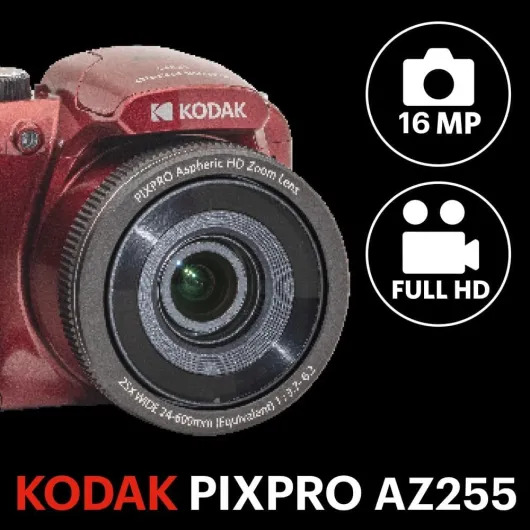
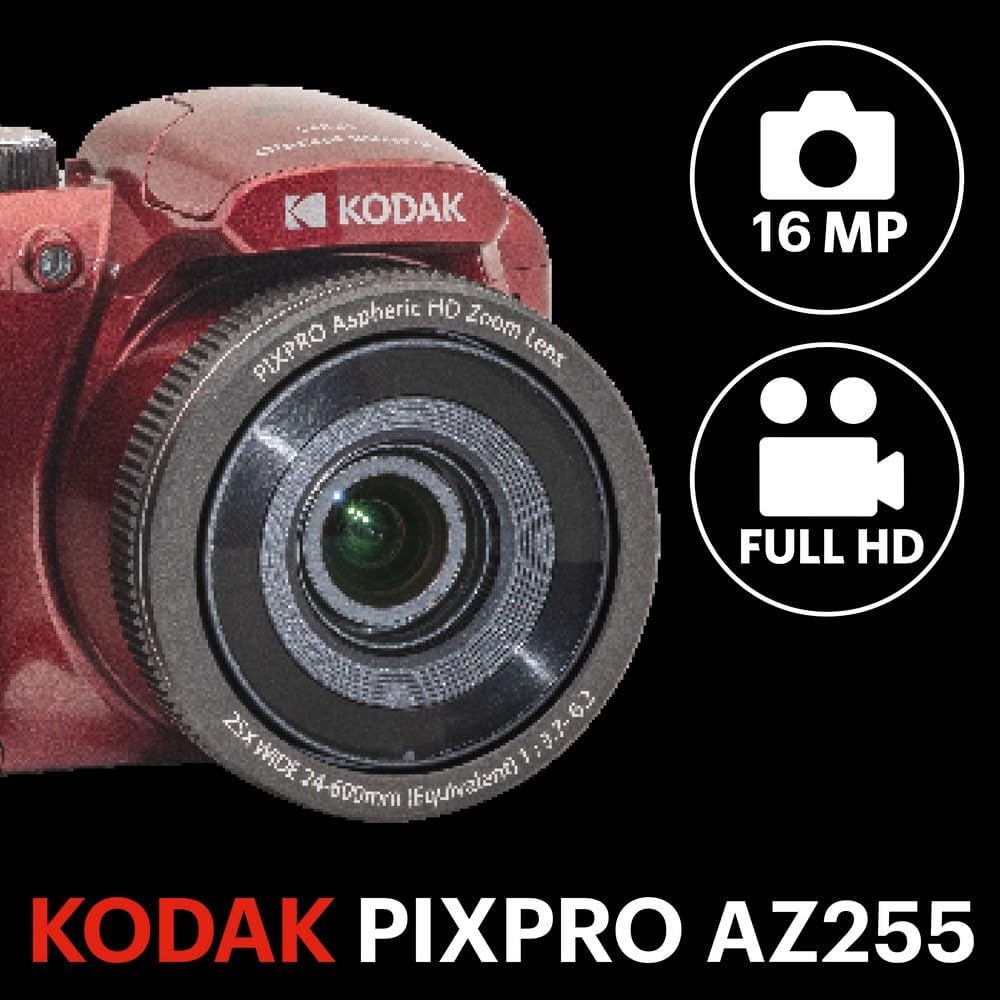
Bridge style Kodak Pixpro cameras sit between compact cameras and interchangeable lens systems, offering long zoom ranges in a single fixed lens body. These digital cameras mimic the handling of a DSLR, yet they keep the price accessible for people who want the best zoom reach without buying extra lenses. A bridge camera Kodak Pixpro model is ideal if you often photograph wildlife, air shows, or sports from a distance.
The headline feature of any bridge camera is its optical zoom, which can stretch from a wide angle 24 millimeter equivalent to 600 millimeters or more at the telephoto end. When you read a detailed pixpro review of a bridge model, check how sharp the image remains at maximum zoom and whether the camera optical stabilisation keeps handheld shots steady. The best Kodak Pixpro cameras in this category balance zoom wide coverage with good image quality in the middle of the range, where most people actually shoot.
Because bridge cameras use relatively small sensors, they cannot match the low light performance of larger sensor digital cameras, yet they still deliver excellent daylight image quality for the price. If you mainly share photos online or make prints up to A4 size, a Kodak Pixpro bridge camera will be more than sufficient and far more flexible than a basic film camera. People moving up from a simple point shoot model often appreciate the manual modes, electronic viewfinder, and more advanced video options found in these Pixpro cameras.
Handling matters with any long zoom camera, so look for a deep grip, clear buttons, and an articulated screen that makes it easy to compose at awkward angles. If you are unsure whether to stay with a point and shoot digital camera or step into a bridge body, a resource such as choosing between point and shoot cameras and DSLRs can clarify the trade offs. Once you understand your priorities, you can confidently select the best Kodak Pixpro bridge camera that matches your budget and shooting style.
Kodak Pixpro WPZ and rugged models for outdoor adventures
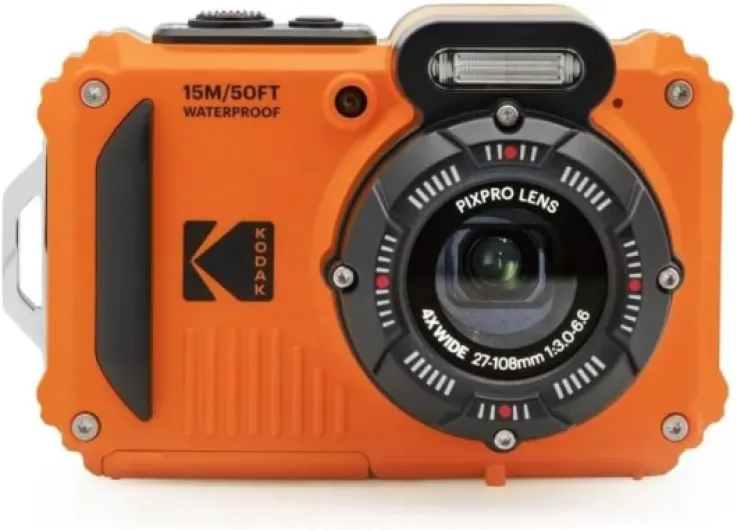
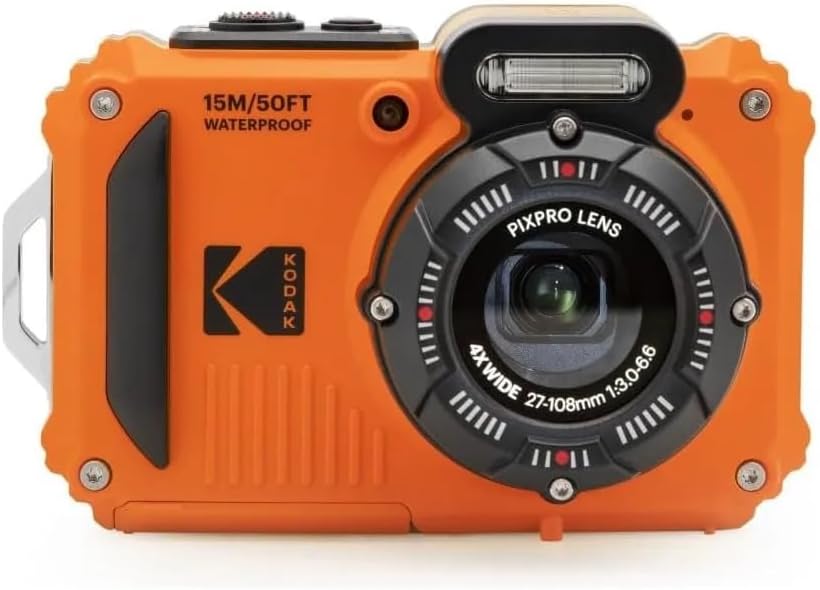
Among the best Kodak Pixpro cameras for active lifestyles, the rugged Pixpro WPZ series stands out for its waterproof and shock resistant design. This type of digital camera is built for beaches, pools, hiking trails, and family holidays where a fragile film camera would never survive. A Pixpro WPZ camera Kodak model lets you focus on the moment while the sealed body protects the sensor, lens, and battery compartment from sand and splashes.
Rugged Pixpro cameras typically offer a moderate optical zoom, often starting at a useful wide angle that suits underwater scenes and tight spaces. While the zoom wide range is shorter than on a bridge camera, the trade off is a compact body that slips easily into a pocket or life jacket. When you read a pixpro review of a waterproof model, pay close attention to comments about buttons, menu visibility underwater, and how easy it is to operate the camera with wet hands.
Image quality from a rugged Kodak Pixpro digital camera will not rival that of a large sensor mirrorless body, yet it is more than adequate for social media, small prints, and casual video clips. The best Kodak Pixpro cameras in this niche prioritise reliability, simple controls, and strong battery life over extreme resolution or advanced manual features. If you still enjoy using a film camera for artistic projects, a rugged Pixpro WPZ can complement it as a worry free option for risky environments.
Video performance matters for many outdoor users, so check whether the camera records Full HD video and whether it offers electronic stabilisation for smoother footage. A rugged digital camera with good stabilisation will produce more watchable clips when you are swimming, cycling, or skiing. Remember that every waterproof camera requires careful maintenance, including rinsing in fresh water after salt exposure and checking seals regularly to preserve long term image quality.
Image quality, video features, and real world performance
When comparing the best Kodak Pixpro cameras, image quality should sit at the top of your checklist. Resolution alone does not guarantee a good image, because the size of the sensor, the design of the lens, and the strength of the image processing engine all influence the final result. A well balanced Kodak Pixpro digital camera will produce clean files with natural color, controlled noise, and enough detail for typical prints.
Look closely at how each camera handles low light, since small sensor digital cameras can struggle with noise at higher ISO settings. A bright lens with a wide maximum aperture helps, as does effective optical stabilisation that lets you shoot at slower shutter speeds without blur. When you read a detailed pixpro review, study the sample images at different ISO values and pay attention to how skin tones, shadows, and fine textures appear.
Video capabilities have become central to many buying decisions, because people expect their camera to handle both stills and moving images. Most Kodak Pixpro cameras record at least Full HD video, and some models add higher frame rates for smoother motion or slow motion effects. If video is a priority, check for features such as continuous autofocus, external microphone support, and easy access to video settings through dedicated buttons.
Battery life and handling complete the real world picture, since even the best Kodak Pixpro cameras are only useful if they are comfortable to carry and ready to shoot. A compact camera with intuitive menus and a responsive shutter encourages you to take more photos, while a clumsy interface will slow you down and cause missed moments. Always remember that a digital camera is a tool, and the right balance of image quality, zoom range, and ergonomics will matter more than any single headline specification.
Price, value, and how to read Kodak Pixpro reviews wisely
Price is often the deciding factor when choosing among the best Kodak Pixpro cameras, especially for people seeking their first serious digital camera. A lower price does not always mean poor quality, because Kodak has positioned many Pixpro cameras as value focused options with solid image performance and practical zoom ranges. The key is to understand which features you truly need and which ones you can comfortably skip.
When you read any camera review, start by checking how the reviewer uses the camera and whether their priorities match your own. A reviewer who mainly shoots wildlife with a long bridge camera may value optical zoom reach above all else, while you might care more about compact size, easy menus, and good battery life for travel. Pay attention to consistent comments about image quality, autofocus reliability, and build quality across multiple pixpro review articles.
Think in terms of value rather than absolute price, because a slightly more expensive Kodak Pixpro camera with better image quality and stronger construction may last longer and serve you better. If you still own a film camera, consider how a new digital camera will fit into your overall photography kit and whether it replaces or complements your existing tools. The best Kodak Pixpro cameras offer a clear upgrade in convenience and flexibility over film, while keeping the learning curve gentle for beginners.
Finally, remember that every camera Kodak produces in the Pixpro line represents a set of design compromises between zoom range, sensor size, body size, and cost. Your goal is to choose the combination of optical zoom, compactness, and performance that aligns with how you actually shoot, not how marketing materials suggest you should. By weighing price, real world handling, and trustworthy reviews together, you will arrive at a Kodak Pixpro camera that feels like a natural extension of your eye and your hand.
Key figures about Kodak Pixpro and digital camera trends
- According to the Camera & Imaging Products Association, global shipments of digital cameras peaked at over 120 million units before declining to under 10 million units in recent years, which highlights how smartphones have reshaped the market and pushed brands like Kodak Pixpro toward niche, value oriented segments.
- CIPA data shows that compact digital cameras still account for a majority of unit shipments, often exceeding 60 percent of the dedicated camera market, which aligns with the focus of many Kodak Pixpro models on portability and affordability.
- Industry reports from firms such as IDC indicate that bridge cameras and long zoom models represent a smaller but stable share of the market, typically around 10 to 15 percent of dedicated camera sales, supporting ongoing investment in high zoom Kodak Pixpro bridge designs.
- Consumer surveys from major retailers consistently show that over 70 percent of entry level camera buyers rank price and ease of use as their top priorities, which explains why the best Kodak Pixpro cameras emphasise simple controls, automatic modes, and competitive pricing.
- Market analyses from research companies like Statista suggest that video usage on digital cameras continues to grow, with more than half of new buyers citing video recording as a key feature, reinforcing the importance of solid video performance in modern Kodak Pixpro cameras.