
Summary
Editor's rating
Is it actually worth the money?
Small, light, and a bit dated
Battery life and the confusing "doesn’t work unplugged" comment
Build quality and how it holds up in real life
Image and video quality: good daylight, rough in low light
What this camera actually is (and isn’t)
Pros
- Compact and lightweight, easy to carry everywhere
- Simple interface and shooting modes, very beginner-friendly
- 5x optical zoom is useful and clearly better than digital zoom on older phones
Cons
- Weak low-light performance with visible noise and soft details
- Small, low-brightness screen that is hard to see in sunlight
- No modern extras like Wi‑Fi, 4K video, or RAW photo support

Specifications
View full product page →| Brand | KODAK |
A cheap way to get off your phone camera
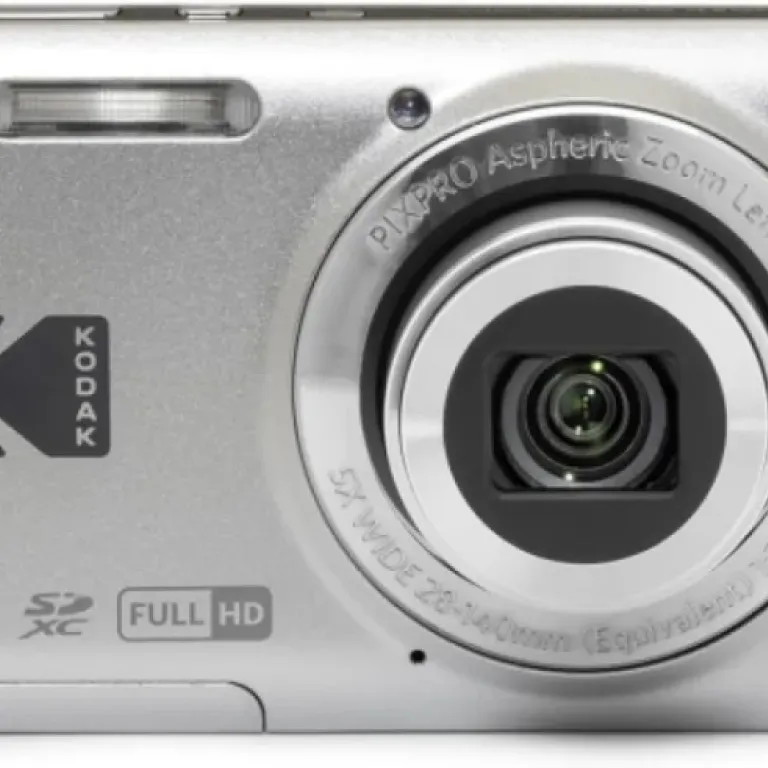
I picked up the Kodak PIXPRO FZ55 because I wanted a small camera for trips where I don’t feel like draining my phone battery or worrying about dropping an expensive smartphone. I wasn’t expecting miracles, just something compact that shoots better zoomed photos than my mid-range phone and records simple 1080p clips. I’ve used it for about two weeks: a weekend city trip, a couple of evenings out, and some random shots at home.
Right away, you can tell this is a point-and-shoot made for casual users, not for photography nerds. Turn it on, half-press to focus, click, done. The menu is pretty straightforward, and the shooting modes are basic: automatic, portrait, landscape, macro. Nothing fancy, but that’s kind of the point. If you’re used to phone cameras doing everything for you, you’ll feel at home here, just with more physical buttons.
In terms of expectations, I’d say this: if you’re hoping this 16MP sensor will blow away a recent iPhone or Pixel in every situation, you’ll be disappointed. The sensor is small, the lens is not very bright (f/3.9), and there’s only digital stabilisation. But if you mostly shoot in daylight and like the feel of a real camera with a proper shutter button and optical zoom, it starts to make sense. It’s more about comfort and simplicity than raw image quality.
So my angle in this review is simple: how does it behave in real life for someone who just wants holiday pictures, casual vlogs, and memories for social media? I’ll go through the design, the image and video performance, the battery, and whether I think the price makes sense compared to just using your phone or buying a slightly more advanced compact. Spoiler: it’s decent, with a few annoyances you should know before you buy.
Is it actually worth the money?
In terms of value for money, the FZ55 sits in a weird spot. It’s one of the cheaper compact cameras from a known brand, and that shows in the specs: no 4K, no RAW, basic screen, digital stabilisation only. On the other hand, you do get a proper optical zoom, a dedicated photo device, and a very simple user experience. If your phone is old or has a weak camera, this can be a noticeable upgrade for daylight and zoom shots.
Compared to slightly more expensive compact cameras, you miss out on features like better image stabilisation, brighter lenses, or Wi‑Fi transfer. If those things matter to you, it might be smarter to add a bit more money and get a more capable model. But if your budget is tight and you just want something that gets the job done without being fancy, the FZ55 is defensible. It’s good enough for family albums, school trips, and casual travel blogs.
Where I think the value is best is for people who don’t want to use their phone all the time. Maybe you’re worried about battery, or you’re handing the camera to kids, or you just like the feel of a physical zoom. In those cases, this camera makes sense. If you already own a decent recent smartphone, though, you might not see a huge jump in image quality, except when you zoom.
So overall, I’d call the value pretty solid but not mind-blowing. It’s fairly priced for what it offers, but it doesn’t punch far above its weight. If you go in with realistic expectations—basic compact, decent daylight photos, limited low-light performance—you’ll probably feel you got your money’s worth. If you expect it to beat high-end phones or entry-level mirrorless cameras, you’ll be disappointed.
Small, light, and a bit dated
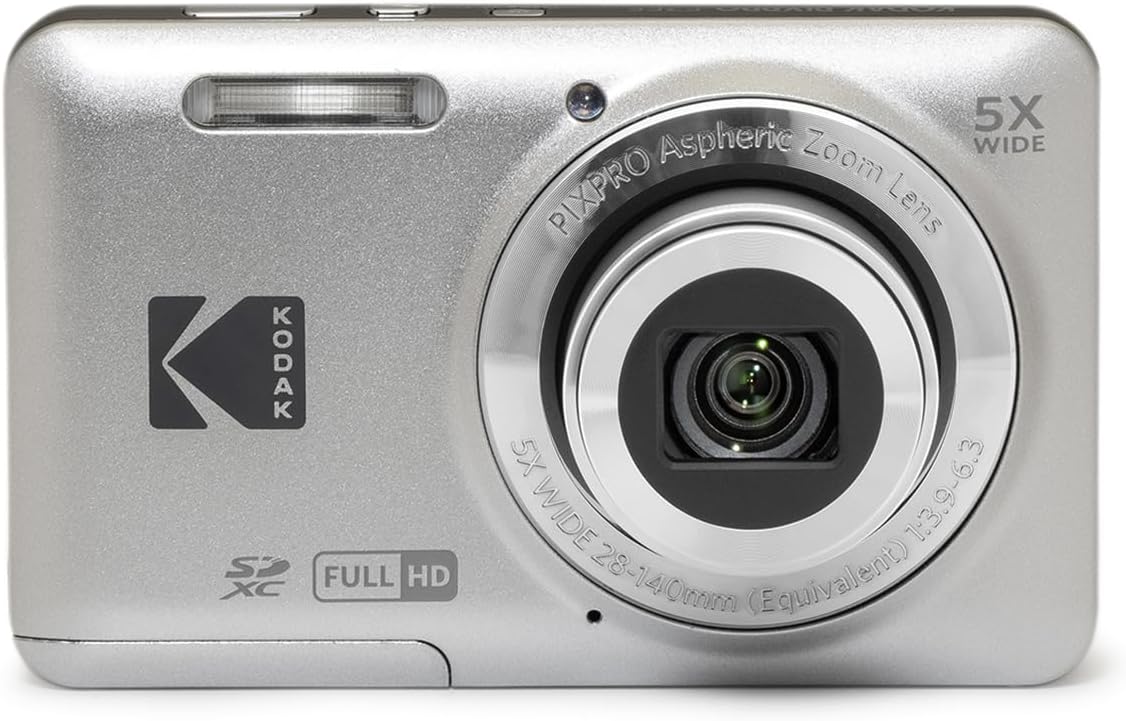
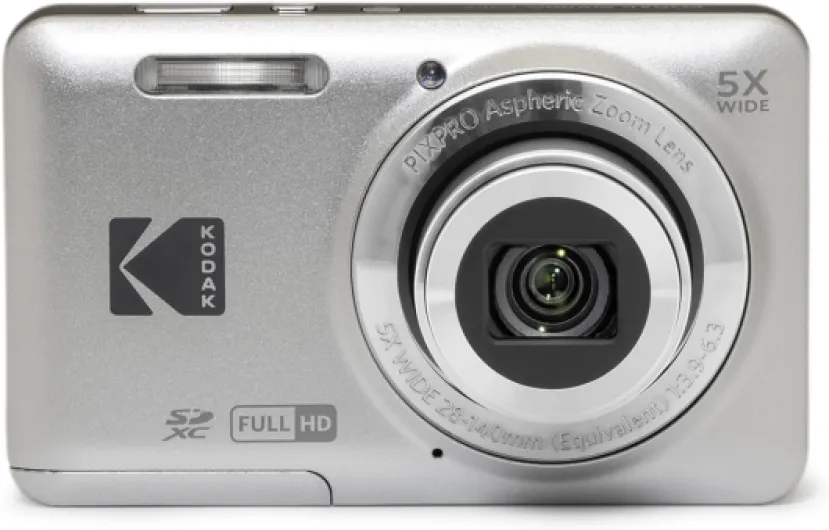
Physically, the FZ55 is very compact. It fits easily in a jeans pocket or a small handbag, and at around 181 g it’s lighter than a lot of smartphones with a case on. The dark grey colour is pretty neutral; it doesn’t scream “toy”, but it also doesn’t look premium. One Amazon reviewer mentioned the silver version looks more expensive, and I kind of get that. The grey is more low-profile, which I actually like for travel so it doesn’t attract too much attention.
The button layout is simple: power button, shutter button, zoom rocker, a mode button, a directional pad, and a few extra buttons for menu and playback. If you’ve ever used a compact camera before, you’ll figure it out in a couple of minutes. The plastic body doesn’t feel high-end, but nothing creaks when you hold it, and the battery/SD door closes properly. It’s not weather-sealed, so don’t expect it to handle rain or beach sand very well.
The 2.7-inch screen is where the age shows. It’s small, not very bright in direct sunlight, and the viewing angles are average. On a sunny day in the city, I sometimes had to shade the screen with my hand to see what I was framing. There’s no touch, everything is via buttons, which some people will find reassuring and others will find annoying. Personally, I’d have liked a slightly bigger and brighter screen, especially if you’re thinking of using it for vlogging.
One weird detail: the specs say “no flash” and then mention flash modes as automatic. On my unit, there is a built-in flash that pops up in auto mode, but it’s weak and very harsh. It’s only good for really close subjects. So design-wise, think “old-school compact camera, trimmed down to the basics”. It’s fine for the price, but don’t expect any fancy touches like a grip, a tilting screen, or a viewfinder you actually want to use for long periods.
Battery life and the confusing "doesn’t work unplugged" comment
The camera uses a rechargeable lithium-ion battery, which is standard for this kind of compact. In my use, I got roughly two days of casual shooting on a single charge: around 150–200 photos and a few short 1080p clips each day. I’m not counting every shot, but I only needed to charge it once after a full weekend trip, which lines up with one Amazon reviewer who said they only had to charge it after a few months of light use. So for normal travel use, the battery life is actually pretty solid.
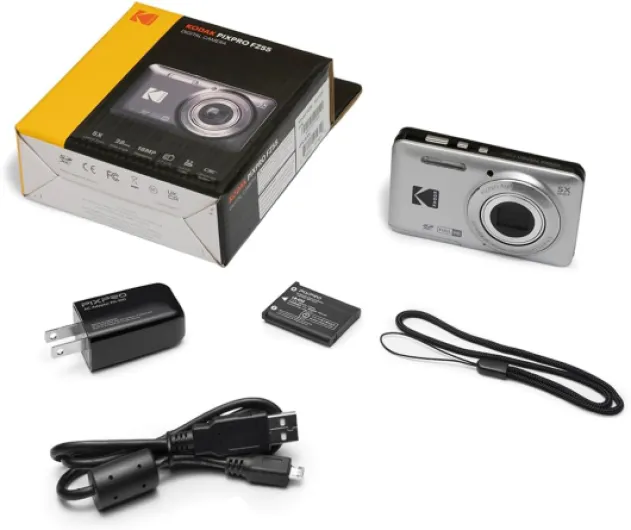
Charging is done via USB, and you can shoot while it’s plugged in. That’s where the 1-star review about “doesn’t work unplugged” probably comes from. My guess is their unit arrived without a charged battery, or they didn’t insert it correctly, because mine works fine on battery alone once it’s charged. Still, it’s worth knowing that batteries are often not included in some listings, or they arrive almost empty. So if you buy it, check the box contents and charge it fully before judging.
One thing I would recommend if you plan to use this a lot: pick up a spare battery. The camera isn’t a power monster, but if you start recording longer videos or spend a whole day sightseeing, it’s nice not to worry. There’s no fancy battery percentage indicator, just a basic icon, so it can drop from “looks okay” to “almost dead” faster than you’d expect.
Overall, the battery situation is “good enough” for a budget compact. It’s not on the level of some bigger cameras that can do 400–500 shots easily, but for a pocket camera at this price, I didn’t feel limited. Just don’t expect miracles, and don’t panic if it doesn’t turn on straight out of the box: charge it, make sure the battery is properly seated, and then judge.
Build quality and how it holds up in real life
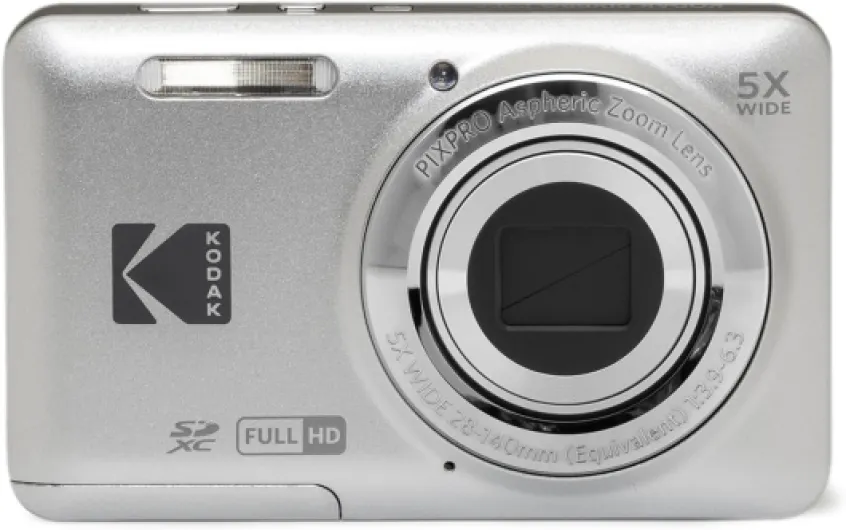
Durability-wise, this is clearly a plastic compact, not a rugged camera. I’ve thrown it in a backpack without a case, carried it in a jacket pocket with keys, and it’s held up fine so far: no scratches on the lens, just a couple of small scuffs on the body that you only see if you look closely. The lens mechanism still extends and retracts smoothly, and the buttons haven’t gone mushy.
There’s no water resistance, and you can feel it. The battery/SD card door doesn’t have any sealing, and the USB port is exposed. I wouldn’t take this out in heavy rain or near the sea without being careful. A bit of drizzle is probably fine if you wipe it off quickly, but if you’re planning a lot of beach or pool use, I’d either get a cheap case or look at a waterproof camera instead.
The moving parts you need to worry about are the lens and the battery door. As long as you don’t power it on while it’s in a tight pocket (so the lens doesn’t jam) and you don’t yank the door, it should be okay. The hinge doesn’t feel like it will survive serious abuse, though. This is the kind of camera you treat with normal care, not something you toss around like a GoPro.
Given the price and the build, I’d say durability is average but acceptable. It’s not built like a tank, but it also doesn’t feel like a toy that will fall apart in a month. For family holidays, city trips, and casual use, it should last a few years if you’re not rough with it. If you’re clumsy or buying this for kids, I’d definitely add a basic protective case and maybe a wrist strap to avoid drops.
Image and video quality: good daylight, rough in low light
Let’s talk photo quality first. In good daylight, the FZ55 does a perfectly decent job. Colors are a bit on the punchy side but not cartoonish, and for casual use it looks fine straight out of camera. At 16MP, there’s enough resolution for social media, small prints, and basic cropping. Sharpness in the centre is okay at the wide end; towards the edges, it softens a bit, but for holiday shots and family photos it’s totally acceptable.
Where it starts to struggle is indoor and low-light shots. The small 1/2.3" sensor and f/3.9 aperture mean the camera quickly pushes the ISO up, and you end up with visible noise and mushy details. Faces still look recognisable and usable for memories, but if you zoom in, it’s not pretty. Digital image stabilisation helps a bit with minor hand shake, but don’t expect miracles if you’re shooting at night or in a dim bar. My mid-range phone actually did better in really low light, thanks to its night mode and software tricks.
The 5x optical zoom is the main advantage over a phone. At full zoom in daylight, I got shots of building details, signs, and people at a distance that my phone’s digital zoom completely ruined. The trade-off is that at full zoom, the lens gets slower and you need more light or a steadier hand. For wildlife or sports from far away, it’s not really enough reach, but for city trips and zoo visits, it’s useful.
On the video side, 1080p at 30 fps is fine for casual vlogging and clips for Instagram or TikTok. Image quality is decent in good light, but again, low light gets noisy and soft quickly. The autofocus hunts a bit if you move towards or away from the camera while talking, and there’s no external mic input, so you’re stuck with the built-in audio, which is okay but a bit tinny. For simple travel videos, it gets the job done. If you’re serious about vlogging, I’d look at something with better stabilisation and audio options.
What this camera actually is (and isn’t)
The Kodak PIXPRO FZ55 is basically a small, no-nonsense compact camera with a 16MP CMOS sensor, 5x optical zoom and 1080p video. You get a 28mm wide angle at the short end, which is nice for group shots and city streets, and the zoom takes you far enough for basic travel photos without going into big zoom territory. It takes SD cards up to 512GB, but you’ll never realistically fill that just with 16MP JPEGs and 1080p clips unless you treat it like a camcorder.
There’s a 2.7-inch LCD screen, which is honestly on the small side by today’s standards, and the resolution doesn’t look very sharp. It’s fine for framing and checking if people have their eyes open, but don’t expect to judge sharpness or noise accurately from the screen. Everything is saved as JPEG for photos and MP4 for video, so it’s plug-and-play with any computer or phone that can read SD cards.
What you don’t get is just as important: no 4K video, no RAW photos, no built-in Wi‑Fi or Bluetooth, and no real manual control beyond some exposure settings. This is built for set-and-forget shooting. White balance is mostly automatic, focus is contrast detect with 9 points, and image stabilisation is digital, not optical. So in low light or when you’re moving, the camera starts to show its limits pretty quickly.
In practice, I’d describe it as a simple travel and family camera. It’s something you hand to your parents, your kids, or your partner and they can use it without a learning curve. If you’re thinking of starting photography as a hobby and want to play with lenses, aperture, and all that, this is not the right tool. But if you just want a dedicated device that takes better zoomed daylight shots than an old or mid-range phone, it fits that narrow but real use case.
Pros
- Compact and lightweight, easy to carry everywhere
- Simple interface and shooting modes, very beginner-friendly
- 5x optical zoom is useful and clearly better than digital zoom on older phones
Cons
- Weak low-light performance with visible noise and soft details
- Small, low-brightness screen that is hard to see in sunlight
- No modern extras like Wi‑Fi, 4K video, or RAW photo support
Conclusion
Editor's rating
The Kodak PIXPRO FZ55 is a straightforward, budget-friendly compact camera that does exactly what it says on the tin: it takes decent photos and videos in good light, gives you a useful 5x optical zoom, and stays small enough to live in your pocket or bag without being a hassle. I liked how simple it was to hand to someone else and say “just press this button” without having to explain modes or settings. For travel, family events, or as a camera for kids or parents who don’t want to fiddle with a smartphone, it works.
On the downside, it’s clearly limited. The low-light performance is weak, the screen feels dated, and there are no modern extras like Wi‑Fi, 4K, or RAW. It’s not a tool for learning photography in depth or for serious vlogging; it’s a basic point-and-shoot. That 1-star review about it only working when plugged in is likely a battery or setup issue, not a general problem, but it does remind you this is not a premium product with perfect quality control.
If you have a recent good smartphone, I’d only recommend this if you specifically want a dedicated camera with optical zoom and don’t want to risk your phone. If your phone is older or you just want a simple, separate device for holidays and memories, the FZ55 offers good value for money as long as you accept its limits. It’s not impressive, but it’s practical and gets the job done for casual use.