Choosing between DSLR, mirrorless camera, and advanced compact cameras
Every enthusiast eventually faces the choice between DSLR, mirrorless camera, and advanced compact cameras. Each camera type offers different strengths in image quality, handling, and portability, so the best option depends on how and where you shoot. A careful look at specifications, combined with a realistic view of your photography habits, will reveal which digital camera format truly suits you.
DSLR cameras from Canon and Nikon still appeal to many photographers who value an optical viewfinder and long battery life. A DSLR camera body is often larger and heavier, yet it balances well with telephoto lens options and offers robust continuous shooting performance for action images. If you mainly shoot sports, wildlife, or events, a DSLR with a full frame sensor can still be the best camera choice, especially when you buy it with a fast zoom lens that handles low light.
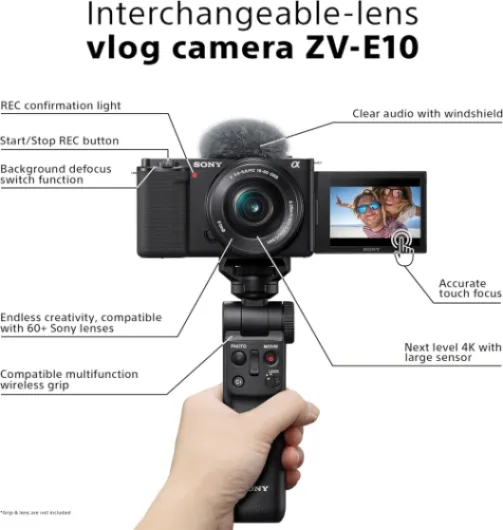
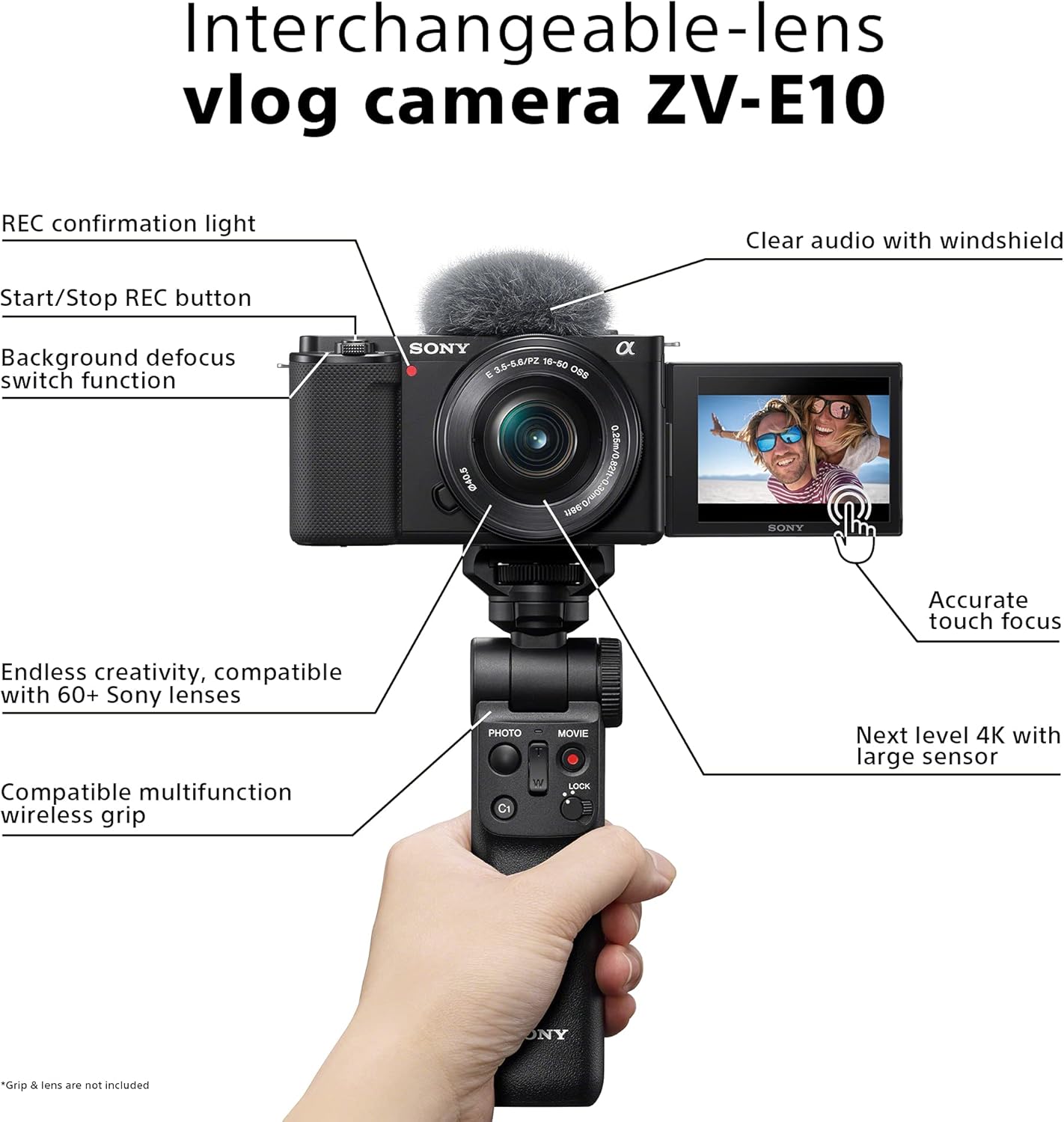
Mirrorless cameras from Sony, Canon, and Fujifilm have become the default recommendation for many enthusiasts. A mirrorless camera offers an electronic viewfinder that previews exposure and color, advanced autofocus across most of the image, and strong video tools in a relatively compact body. When you compare mirrorless cameras in a camera comparison tool, pay attention to lens availability, image stabilization performance, and how the camera feels in your hand during extended shooting.
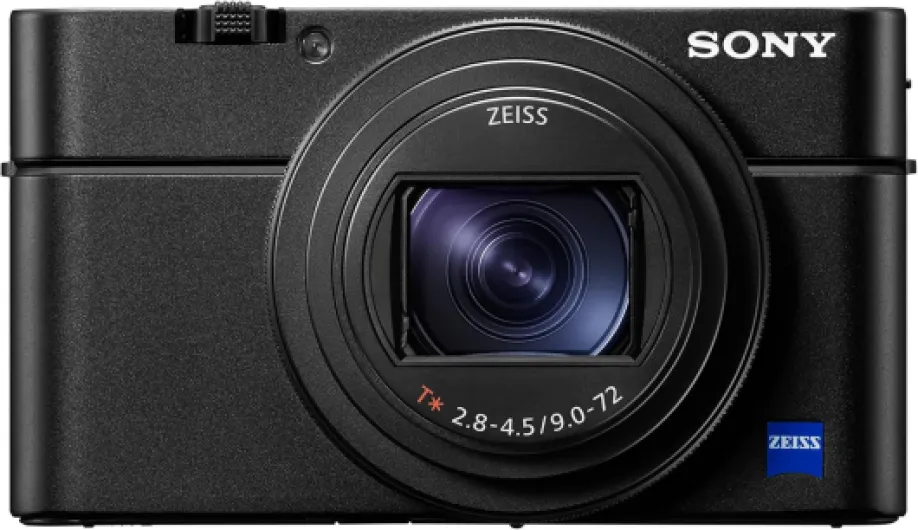
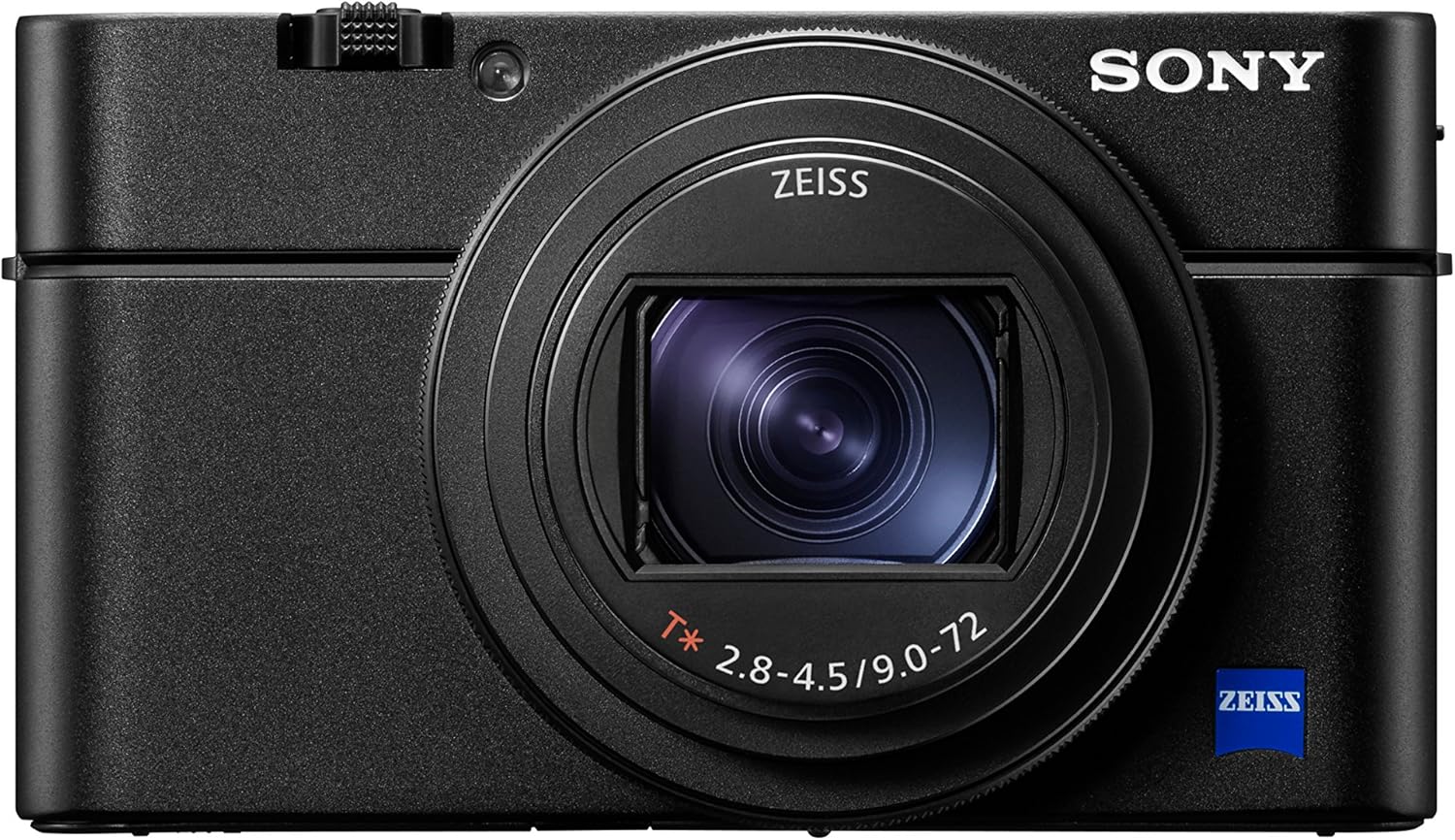
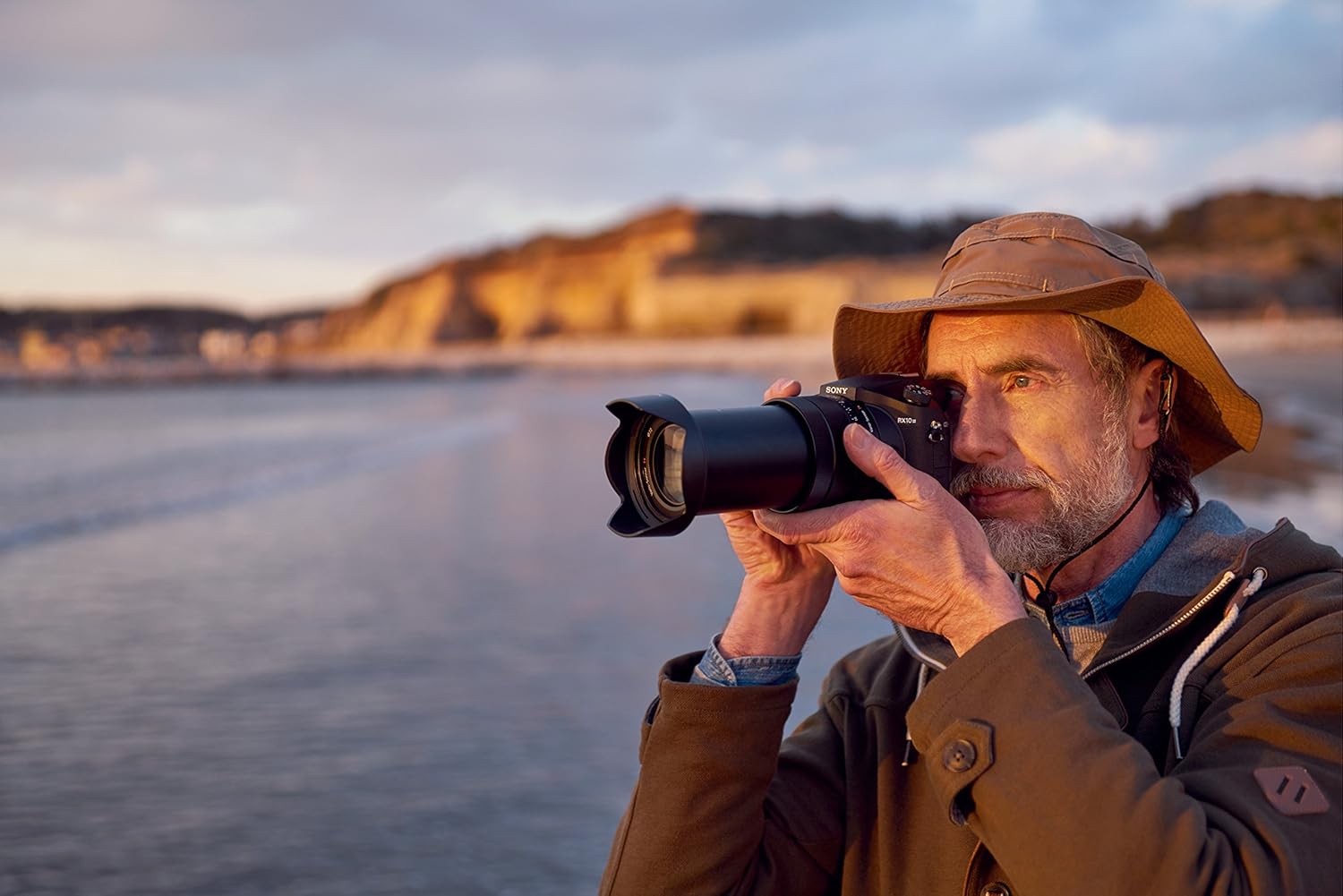
Advanced compact cameras, including premium point and shoot models, remain attractive for travel and everyday photography. A compact camera with a one inch sensor, such as a Sony VII series model, can deliver impressive image quality and 4K video while fitting into a jacket pocket. If you travel frequently, use a comparison tool alongside a detailed guide on finding the right travel camera size and sensor trade offs to decide whether a compact digital camera or a small mirrorless camera better balances quality and convenience.
Understanding sensor size, full frame, and image quality trade offs
Sensor size is one of the most important factors when comparing the best digital cameras for enthusiasts. A larger sensor generally improves image quality, especially in low light, but it also affects camera size, lens options, and price. Knowing how full frame, APS C, and smaller sensors differ helps you use any camera comparison tool more effectively.
Full frame sensors match the size of traditional 35 millimetre film and usually deliver the best image quality among consumer cameras. A full frame Canon EOS or Sony mirrorless camera offers cleaner images at high ISO, smoother background blur, and more flexibility when editing RAW files. These cameras are ideal for enthusiasts who shoot portraits, landscapes, or events in challenging light, but they require larger lenses and a higher budget when you buy into the system.
APS C and Micro Four Thirds sensors power many compact mirrorless cameras and some DSLR bodies aimed at enthusiasts. These sensors are smaller than full frame, yet they still provide excellent image quality for most photography, including travel, street, and family images. When you compare cameras with different sensor sizes, look at real world sample images and expert review notes rather than relying only on megapixel counts or marketing claims.
Some comparison tools now highlight sensor architecture, such as stacked or back illuminated designs, which improve speed and low light performance. To understand what these terms mean for your images, consult a detailed explanation of what your camera sensor architecture does to your photos while you evaluate review specifications. This context helps you decide whether paying more for a stacked sensor in a Sony mirrorless camera or a high end compact point and shoot is a strong reasons to buy or an unnecessary luxury for your style of shooting.
Key features to compare: autofocus, image stabilization, and video performance
Beyond sensor size, the best digital cameras for enthusiasts stand out through autofocus, image stabilization, and video capabilities. A camera comparison tool lets you place these features side by side, but you need to know which specifications matter in real use. Focusing on how these features affect your photography and video will prevent you from being distracted by marketing buzzwords.
Autofocus performance is critical for action, portraits, and even casual family photography. When comparing cameras, look for phase detection autofocus points that cover a large portion of the image, reliable eye detection, and strong continuous shooting speeds. Sony, Canon, and Fujifilm mirrorless cameras now offer subject recognition for people, animals, and vehicles, which can turn a challenging shooting scenario into a sequence of sharp images.
Image stabilization, whether in body or in lens, helps you shoot sharper images at slower shutter speeds. Many mirrorless cameras include in body image stabilization that works with almost any lens, while some DSLR and compact cameras rely on optical stabilization in specific lenses. Use a comparison tool together with a dedicated guide to top digital cameras with image stabilization to see which models offer the best balance of stabilization performance, size, and price for your needs.
Video performance matters even if you primarily think of yourself as a still photography enthusiast. Modern digital cameras offer 4K video, advanced codecs, and useful tools like focus peaking, yet not all cameras handle overheating, rolling shutter, or autofocus equally well. When you read any expert review, pay attention to reasons to avoid a camera for serious video work, such as limited recording times or weak audio options, and weigh them against reasons to buy like excellent image quality and reliable autofocus.
Comparing brands: Canon, Sony, Fujifilm, and Ricoh for enthusiasts
Brand ecosystems shape your long term experience with the best digital cameras for enthusiasts. When you buy a camera from Canon, Sony, Fujifilm, or Ricoh, you also commit to their lenses, accessories, and firmware support. A camera comparison tool helps you evaluate bodies, but you must also consider the broader photography system each brand offers.
Canon has a strong presence in both DSLR and mirrorless camera lines, with Canon EOS R series mirrorless cameras gradually replacing older DSLR bodies. Enthusiasts appreciate Canon for its intuitive menus, reliable autofocus, and wide range of native and third party lens options that cover everything from ultra wide landscapes to telephoto sports shooting. When comparing Canon cameras, check image quality, battery life, and how well each body supports both still images and video, especially if you plan to grow from camera beginners to more advanced work.
Sony leads the mirrorless cameras market with a deep lineup of APS C and full frame bodies. A Sony mirrorless camera often offers cutting edge autofocus, strong continuous shooting, and excellent low light performance, making it a frequent candidate for the best camera in many expert review lists. Compact models like the Sony VII series appeal to travelers who want high quality images and 4K video in a pocketable point and shoot style body.
Fujifilm focuses on APS C mirrorless cameras with a distinctive design and color science that many enthusiasts love. Its cameras combine tactile dials, strong JPEG image quality, and a growing lens lineup that covers most photography genres, from street images to portraits and landscapes. Ricoh, while smaller, offers unique compact cameras such as the GR series, which deliver exceptional image quality from a large sensor in a truly pocketable digital camera, making them a compelling reasons to buy choice for discreet everyday shooting.
Using expert review data and real world tests in your comparison
Specifications alone never tell the full story about the best digital cameras for enthusiasts. A camera comparison tool becomes far more powerful when you combine it with expert review data, lab measurements, and real world shooting impressions. This approach helps you separate marketing claims from genuine performance that improves your photography.
When you read an expert review, focus on how the reviewer describes handling, autofocus reliability, and image quality in varied conditions. Look for comments on low light performance, color rendering, and how the camera behaves during continuous shooting bursts or extended video recording. Pay attention to reasons to avoid a camera, such as poor battery life or awkward menus, and weigh them against reasons to buy like excellent lenses, robust build quality, or outstanding image stabilization.
Real world sample images and video clips are essential for judging any digital camera. Many review sites provide full resolution images, including RAW files, so you can inspect fine detail, noise levels, and dynamic range across different cameras. When you compare images from a Canon EOS full frame body, a Sony APS C mirrorless camera, a Fujifilm compact, and a Ricoh street camera, you quickly see how sensor size, lens design, and processing affect final image quality.
Always check how a camera performs for camera beginners as well as more advanced users. Some of the best digital cameras for enthusiasts offer helpful auto modes and guided menus while still providing deep manual control for creative shooting. When you see an image credit under sample photos in a review, use that as a reminder to consider who is behind the camera, because a skilled photographer can make almost any camera look good, while a balanced comparison tool and honest expert review will reveal which cameras genuinely support your growth.
Practical checklist: narrowing your shortlist and planning your credit future
Once you have explored specifications, expert review notes, and sample images, it is time to narrow your shortlist of the best digital cameras for enthusiasts. A structured checklist keeps you focused on what matters most for your photography rather than chasing every new feature. This process also helps you plan your budget and credit future responsibly when you decide which camera and lens kit to buy.
Start by listing your top three photography priorities, such as travel images, family video, or low light street shooting. Then, for each camera on your list, rate its sensor performance, lens ecosystem, image stabilization, and battery life on a simple scale that reflects your needs. Include both DSLR and mirrorless cameras, as well as any compact point and shoot models like a Sony VII or Ricoh GR, so you can see clearly which digital camera offers the best balance of quality, size, and price.
Next, consider total system cost rather than only the camera body price. Factor in at least one fast prime lens, a versatile zoom, spare batteries, and a reliable memory card, because these accessories directly affect your shooting experience and image quality. Thinking in terms of a multi year plan for your credit future encourages you to choose a camera system that can grow with you, instead of chasing short term deals that may limit your photography later.
Finally, revisit reasons to buy and reasons to avoid for each camera using your comparison tool. Remove any model that fails on critical points like ergonomics, autofocus reliability, or video limitations that matter to you, even if its specifications look impressive. The cameras that remain will represent the true best camera options for your needs, giving you confidence that your eventual image credit on social media or in print reflects both your skill and a carefully chosen tool.
Key figures about enthusiast digital cameras
- According to CIPA shipment data, mirrorless cameras now account for more than half of interchangeable lens camera sales worldwide, showing how quickly enthusiasts are moving away from DSLR bodies.
- Industry testing by organizations such as DxOMark indicates that modern full frame sensors can deliver usable image quality up to ISO 12800 and beyond, giving enthusiasts far more low light flexibility than older digital camera generations.
- Market analyses from firms like IDC report that compact point and shoot camera sales have declined sharply, while premium compact models with one inch sensors maintain stable demand among enthusiasts who value portability and quality.
- Independent lab tests often show in body image stabilization systems providing between four and seven stops of compensation, allowing photographers to handhold shots at shutter speeds previously impossible without a tripod.
- Battery life ratings from the CIPA standard reveal that many mirrorless cameras now exceed 500 shots per charge, narrowing the historical gap with DSLR cameras and making them more practical for full day shooting.