
Summary
Editor's rating
Is this combo worth the money?
Design and handling: not tiny, but well thought out
Battery life and reliability for full days out
Build quality and how tough it feels
Autofocus, photo, and video performance in real life
What you actually get with this kit
Pros
- Strong hybrid performance: 33 MP stills plus 4K 60p 10‑bit video with solid autofocus
- Good battery life for a mirrorless, with USB‑C charging and power options
- 50mm F1.8 gives useful full-frame shallow depth of field at a relatively low lens cost
Cons
- Overall kit price is high for casual users or beginners
- 50mm F1.8 lens feels basic: plastic build, audible AF, not the sharpest wide open
- Body is not very compact and menus still require time to learn

Specifications
View full product page →| Brand | Sony |
A serious hybrid camera that doesn’t baby you
I’ve been using the Sony Alpha 7 IV with the 50mm F1.8 for a few weeks, mainly for street photos, family stuff, and some YouTube-style video. I’m coming from an older APS‑C body and a basic DSLR, so this is my first proper full-frame hybrid camera that’s meant to handle both photo and video without feeling like a compromise. I didn’t baby it: I used it handheld in low light, outside in cold weather, and for long video recordings.
Right away, it’s clear this is not a toy. The body feels serious, the menus are packed with options, and the autofocus has more settings than I honestly care to tweak. If you just want a simple point‑and‑shoot experience, this is probably too much. But if you’re willing to dig a bit, there’s a lot of control here. The 33 MP sensor gives you plenty of room to crop, and the files hold up nicely in editing.
Paired with the 50mm F1.8, you basically get a classic “normal” lens setup that’s good for portraits, everyday shots, and talking‑head videos. It’s not a fancy G‑Master lens, but it’s light, cheap by Sony standards, and the F1.8 aperture lets in enough light to blur backgrounds nicely. That combo makes the kit feel pretty balanced overall: body is serious, lens is simple but useful.
It’s not perfect though. The body isn’t tiny, the menus still feel a bit dense even if they’re better than older Sony cameras, and the 50mm F1.8 is a bit noisy when focusing. But if you care more about getting solid photos and video than having a cute or ultra‑compact camera, this setup makes sense. You just need to accept the price and the learning curve.
Is this combo worth the money?
Let’s be honest: the Alpha 7 IV body alone is not cheap, and even though the 50mm F1.8 is one of Sony’s more affordable full-frame lenses, the total cost of this kit is still a serious investment. In terms of value, I’d say it makes sense if you actually use both the photo and video features. If you only shoot photos and never touch video, there are cheaper full-frame bodies that could be enough. If you only care about video, you might consider a more video-focused camera. This one shines as a true hybrid.
The 50mm F1.8 is a smart lens to bundle with it. It keeps the price down compared to a 24–70 zoom or a G‑Master prime, but still gives you that full-frame shallow depth of field and decent low‑light performance. For portraits, street, and everyday shots, it’s very usable. Is it the sharpest or quietest lens? No. But for the price, it’s okay. If you grow out of it later, you can always upgrade to better glass and keep this one as a backup or lightweight option.
Where the value kicks in is the feature set on the body: 33 MP sensor, solid AF, 4K 60p, 10‑bit, IBIS, good battery, full‑size HDMI, and a flip screen. You can cover a lot of jobs with this one camera: weddings, events, YouTube, corporate, family photos. If you’re someone who might get paid gigs or you’re serious about content creation, the cost starts to feel more reasonable because the camera doesn’t really limit you much.
If you’re more of a casual hobbyist who just wants nice family photos and occasional clips, this might be overkill. You’d be paying for features you won’t fully use. In that case, a cheaper body and the same 50mm F1.8 would give you better value. But if you’re in that middle ground of advanced hobbyist or semi‑pro, this combo is a strong, long‑term base. You can keep the body for years and slowly upgrade lenses as you go.
Design and handling: not tiny, but well thought out
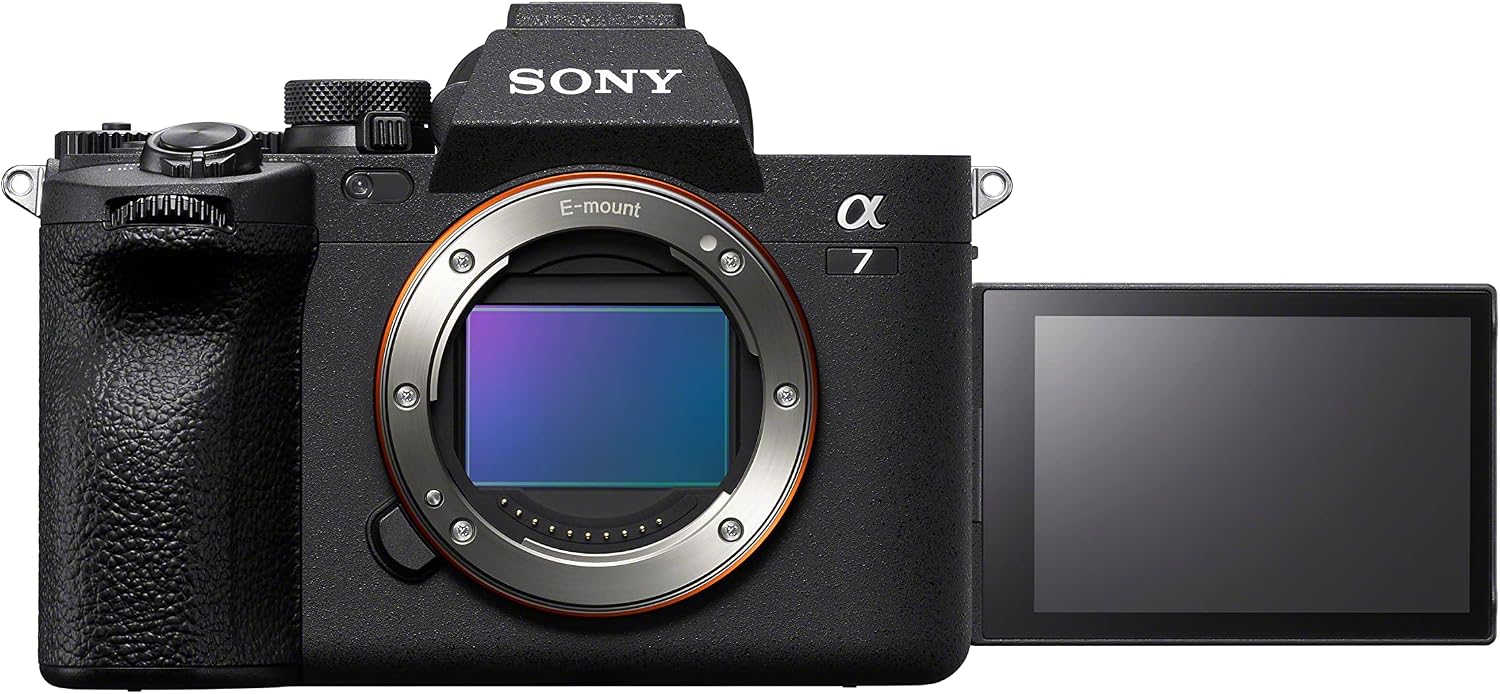
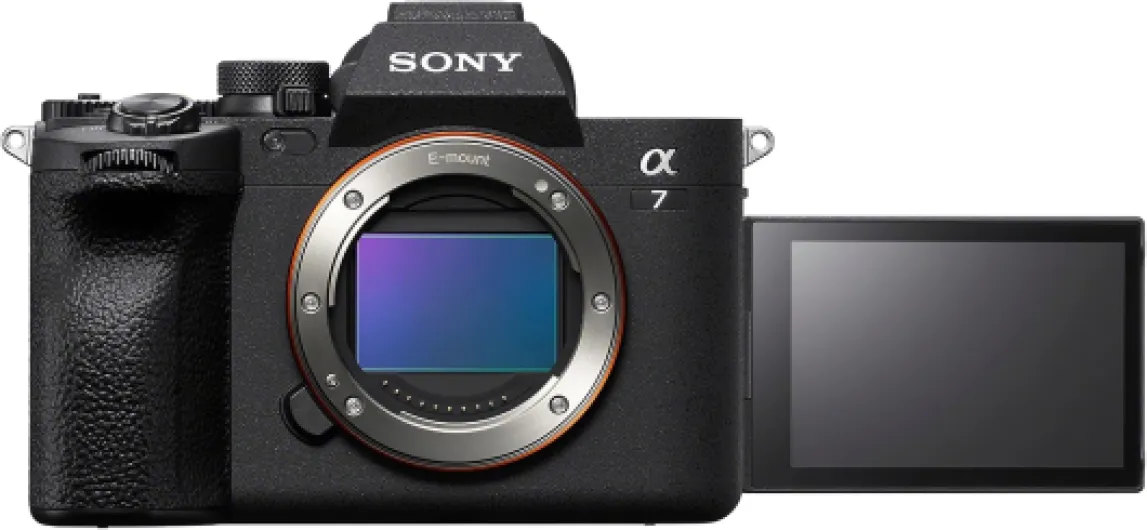
The Alpha 7 IV is not a small camera, especially once you add the 50mm, but the grip and control layout are actually pretty solid. I have medium hands and I could hold it comfortably for long walks without feeling like it would slip. The front grip is deep enough, and the material has a decent texture. It doesn’t feel luxurious, but it feels secure. Compared to my older APS‑C body, this one feels more balanced, especially with slightly heavier lenses.
The top dials are practical: you get a dedicated photo/video/S&Q switch under the main mode dial, which is handy if you switch between stills and video often. I set photo mode for RAW shooting and video mode for 4K 25p with different button behavior. That way, I don’t have to dig through menus every time I want to record. The exposure compensation dial, front/rear dials, and custom buttons give you enough direct control once you spend an evening setting things up.
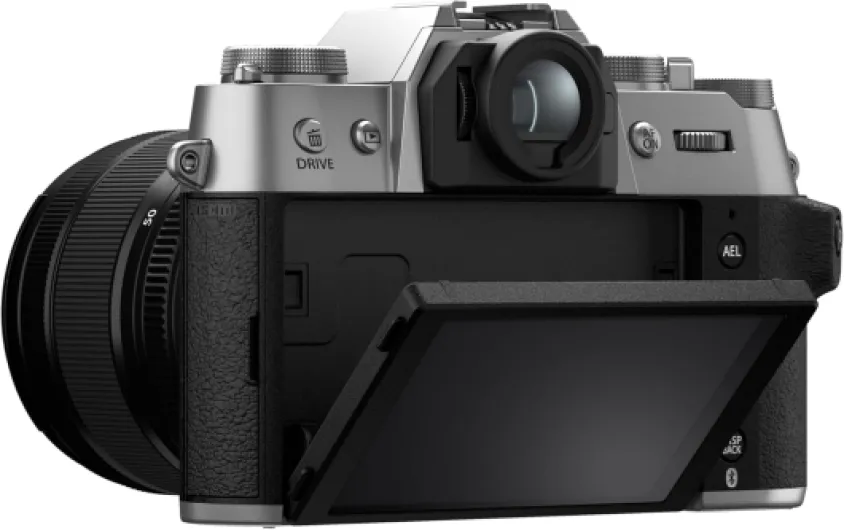
The vari‑angle screen is a big plus. You can flip it out and face it forward for vlogging or low‑angle shots. Touch control is finally decent on Sony: you can move the focus point, use touch to focus, and navigate parts of the menu. It’s still not as smooth as a smartphone, but it’s usable. The EVF is clear enough for most use cases. It’s not the best I’ve ever looked through, but I never really felt limited by it in real use, even in bright light.
If I had to complain, the body is a bit on the chunky side for casual carry compared to some smaller mirrorless cameras. Also, there are a lot of buttons and labels, which can look intimidating if you’re new to this level of camera. But from a practical point of view, once you’ve had a few outings, the design choices make sense. Everything important is reachable, and nothing felt like a weird design decision just for style points. It’s a tool, not a fashion item, and it’s built like that.
Battery life and reliability for full days out
The Alpha 7 IV uses Sony’s Z battery, which is known to be one of the better mirrorless batteries out there. In real use, I managed a full day of mixed shooting (photos plus some 4K video clips) on a single battery without stressing too much. We’re talking roughly 400–600 photos and about 30–40 minutes of 4K video, with some chimping on the screen and a bit of Wi‑Fi transfer. By the end of the day, I was usually below 30%, but not completely dead.
If you mainly shoot stills and use the viewfinder more than the screen, the battery obviously lasts longer. On a photo‑only day, I easily passed 800 shots and still had juice left. For video‑heavy use, especially 4K 60p and long takes, the battery drains faster. When I recorded a continuous 45‑minute 4K clip, it took a big chunk of the battery, but I could still shoot photos afterward. I’d say for serious video days, you should plan on at least one spare battery, maybe two if you hate charging on the go.
The good point is that you can charge via USB‑C directly in the camera. I plugged it into a power bank a couple of times between sessions, and it topped up enough to remove the stress. That’s handy when traveling or when you forget your main charger. The camera can also run from USB power while recording, which is useful for long stationary shoots like podcasts or live streams.
In terms of heat, I didn’t run into shutdowns in normal indoor temperatures. I did some 4K recording for over half an hour and the body got warm, but it didn’t stop. I can’t speak for very hot outdoor conditions, but for regular use, it seems fine. Overall, battery life is pretty solid for a full-frame mirrorless doing 4K, but if you’re used to DSLR endurance, just be aware you’ll need at least one spare if you shoot all day, especially with video.
Build quality and how tough it feels
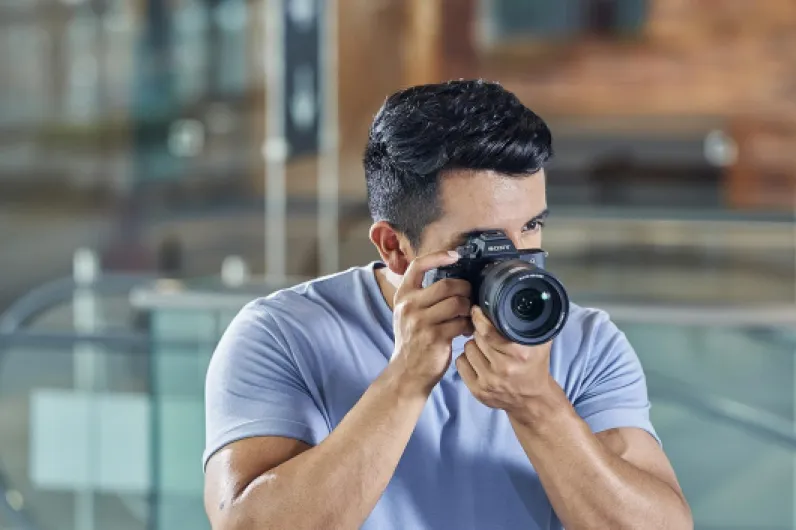
From a build point of view, the Alpha 7 IV feels sturdy enough for regular use, but I wouldn’t call it indestructible. The body uses a mix of metal and plastic. The mount area and main frame feel solid, and there’s no weird creaking or flex when you grip it hard. I threw it in a backpack a few times with only a light wrap and it came out fine, no scratches or loose parts. The buttons and dials don’t feel cheap; they have decent click and resistance.
I used it a couple of times in light drizzle and cold weather (around 0–5°C). It kept working without any issues. Sony says there’s some weather sealing, but I wouldn’t push it in heavy rain without extra protection. The ports have rubber flaps that seem decent, but they’re still flaps, not magic shields. For daily use, travel, and casual outdoor stuff, it feels reliable enough. I never had the impression it would fall apart if I bumped it lightly or put it on a rough surface.
The 50mm F1.8 lens is where you feel more compromise. It’s light and mostly plastic, with a metal mount. That’s fine for weight, but it doesn’t give a premium vibe. The focus ring is okay but not super smooth. I wouldn’t worry about it failing right away, but I also wouldn’t expect it to handle years of abuse like a pro G‑Master lens. For careful users, it should last, but if you’re rough on gear, it’s probably the first thing that will show wear.
After a few weeks, I didn’t notice any play in the mount, no dust under the screen, and no weird issues with the buttons. So for now, I’d say durability is good for enthusiast and semi‑pro use. Just don’t treat it like a rugged action camera. A simple bag, a bit of common sense around water and sand, and it should hold up fine for years.
Autofocus, photo, and video performance in real life
The main thing that stands out with this camera is the autofocus. Eye AF for people and animals is genuinely helpful. For portraits with the 50mm at F1.8, it locked on to eyes most of the time, even when people moved a bit or turned their heads. In continuous AF (AF‑C), it tracked my kid running around the park better than any camera I’ve used before. There were a few misses in very low light, but nothing dramatic. The 50mm F1.8 itself is not lightning fast, but the body compensates a lot.
For stills, the 33 MP sensor gives you good detail without creating absurdly heavy files. I shot in RAW and edited in Lightroom, and the files handled exposure and color tweaks without falling apart. Dynamic range feels solid: you can pull shadows without getting ugly noise too quickly. High ISO performance is decent; I was comfortable up to ISO 6400 for casual stuff. Beyond that, you see noise, but it’s usable for non-critical shots. The 10 fps burst is fine for most action, though the buffer can slow you down if you’re shooting long bursts in uncompressed RAW.
Video-wise, 4K up to 60p with 10‑bit is the main draw. In practice, 4K 25p looks very clean, with good detail and color. 4K 60p has a crop, which is a bit annoying if you like wider shots, but you can work around it with a different lens. Rolling shutter is present if you whip the camera around, but for normal handheld stuff it’s not a big deal. Eye AF in video is very helpful for talking‑head content; it keeps your face sharp without hunting all the time.
For more advanced users, having S‑Log 3 and S‑Cinetone is nice. I tried S‑Cinetone for a few clips and the out‑of‑camera look is quite usable, so you don’t have to spend ages color‑grading if you don’t want to. Overall, performance is strong across the board. It’s not a sports monster like some top‑end bodies, but for mixed use—events, portraits, YouTube, travel—it handles pretty much everything without feeling like it’s struggling.
What you actually get with this kit
In this kit, you’re basically getting a 33 MP full-frame mirrorless body (the Alpha 7 IV) and a 50mm F1.8 prime lens with Sony E-mount. The camera is built as a hybrid: it shoots 33 MP stills, does 4K up to 60p, and has 10‑bit video with S‑Log and S‑Cinetone if you’re into grading. It also has in‑body image stabilization (IBIS), which helps a lot with handheld shots and video. On paper, it’s aimed at people who want one camera for both photos and video, not two separate systems.
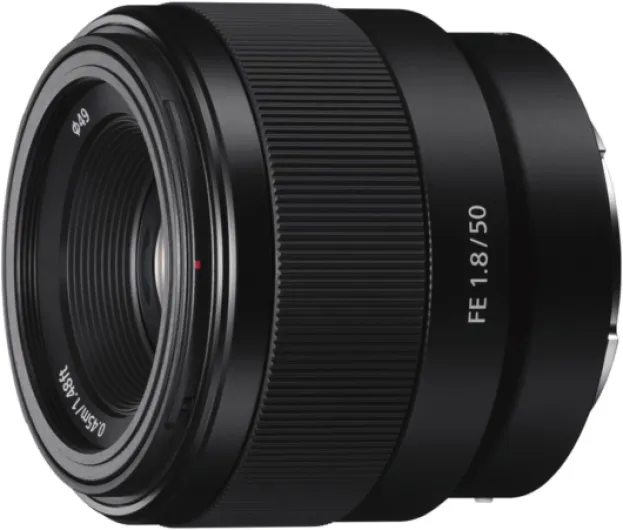
The 50mm F1.8 is the basic full-frame nifty fifty in the Sony lineup. It’s light, small, and uses a simple optical formula with one aspherical element. No special G or GM branding, no fancy switches. Just a basic autofocus prime that covers the 50mm focal length (around 75mm equivalent on APS‑C if you ever use it on a crop body). Aperture goes from F1.8 to F22, which is fine for most everyday situations. It’s not the sharpest lens on the planet, but for portraits and everyday shooting, it does the job.
Feature-wise, the camera comes with real-time Eye AF for humans, animals, and even birds, which actually works very well in practice. You also get a flip‑out vari‑angle touchscreen, an electronic viewfinder with 3.69M dots, dual card slots, and Wi‑Fi/Bluetooth for sending files or using your phone as a remote. There’s also a full-size HDMI port and a digital audio interface if you want to plug in better mics for video.
So overall, what you’re paying for here is a modern, fairly high-end body plus an entry‑level full-frame prime. The combo covers a lot of use cases: portraits, travel, YouTube videos, product shots, and general daily stuff. If you want crazy zoom or super-fast pro glass, this 50mm won’t give you that, but as a starting point or simple everyday lens, it’s hard to complain too much, especially given the price of Sony’s higher‑end lenses.
Pros
- Strong hybrid performance: 33 MP stills plus 4K 60p 10‑bit video with solid autofocus
- Good battery life for a mirrorless, with USB‑C charging and power options
- 50mm F1.8 gives useful full-frame shallow depth of field at a relatively low lens cost
Cons
- Overall kit price is high for casual users or beginners
- 50mm F1.8 lens feels basic: plastic build, audible AF, not the sharpest wide open
- Body is not very compact and menus still require time to learn
Conclusion
Editor's rating
The Sony Alpha 7 IV with the 50mm F1.8 is a very capable hybrid setup that covers most photo and video needs without feeling like you’re compromising all the time. The body delivers strong autofocus, good 33 MP image quality, proper 4K features, and solid battery life. The 50mm F1.8 is a basic but useful prime that lets you enjoy full-frame look and low‑light shooting without blowing the budget on glass right away. Together, they form a kit that’s practical rather than flashy.
It’s not a perfect package. The camera is not exactly small, the menu system still needs some learning, and the 50mm lens feels a bit cheap and noisy compared to higher‑end options. Also, the overall price is high if you’re just dabbling in photography or filming your kids occasionally. But if you’re serious about content creation, or you’re an enthusiast who wants one camera that can handle portraits, events, travel, and YouTube‑style video, this combo makes sense and should last you several years.
I’d say it’s best suited for advanced hobbyists, creators, and semi‑pros who will actually use the 4K/10‑bit video, Eye AF, and higher‑resolution stills. If you’re a complete beginner or on a tight budget, you might be better off with a cheaper body and the same 50mm. If you already own high‑end Sony glass and want a modern hybrid body, the Alpha 7 IV is an easy pick; you can always swap out the 50mm later. Overall, it’s a pretty solid, no‑nonsense workhorse rather than a showpiece.