
Summary
Editor's rating
Is the P1100 good value for money?
Big body, big lens, no nonsense design
Battery life and real-world shooting sessions
Build quality and how tough it feels
Zoom power vs real-world shooting
What this camera actually is (and isn’t)
Pros
- Huge 125x optical zoom (24–3000mm equivalent) in a single fixed-lens body
- Optical stabilization and bird-watching/macro modes make it easier for beginners
- RAW support, 4K video, and articulating LCD give decent flexibility for the price
Cons
- Small 1/2.3" sensor limits low-light performance and dynamic range
- Big and fairly heavy body, hard to handhold at full zoom without a sturdy tripod
- Limited manual control and customization compared to DSLR/mirrorless systems

Specifications
View full product page →| Brand | Nikon |
A point-and-shoot that thinks it’s a telescope
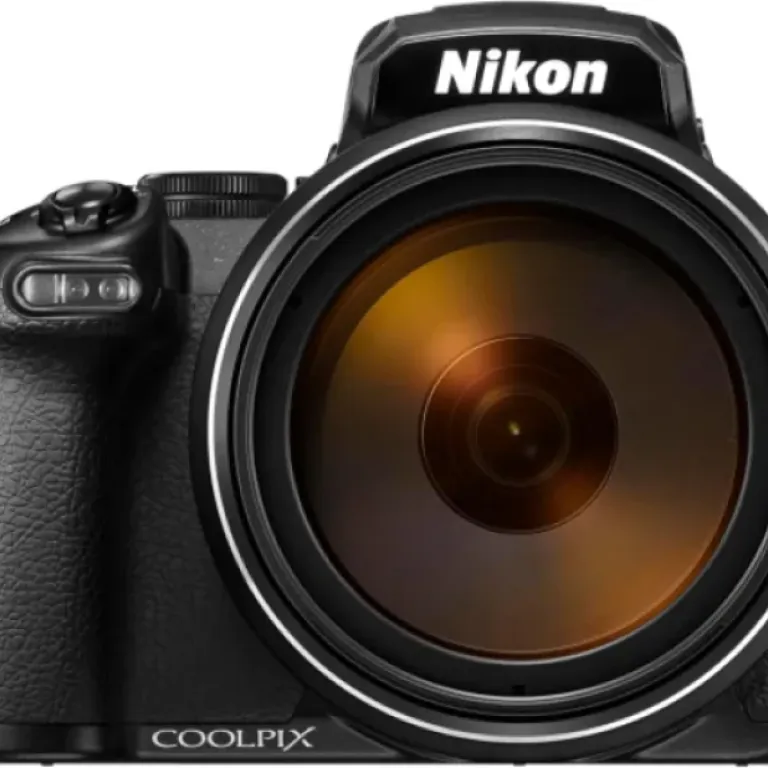
I’ve been using the Nikon COOLPIX P1100 for a few weeks, mainly for wildlife and random weekend trips, and the short version is this: it’s basically a huge zoom lens glued to a simple camera body. If you’ve only ever used a phone or a small compact, this thing looks and feels like a mini telescope. The main draw is obvious: 125x optical zoom, up to 3000mm equivalent. That’s not marketing fluff, you really can pull in stuff that’s way off in the distance, like birds on the other side of a lake or details on buildings you can barely see with your eyes.
I came from a basic DSLR with a cheap 70–300mm lens, and the reach on this P1100 just destroys that combo. But you pay for that in other ways: the camera is big, not very discreet, and the small 1/2.3" sensor has limits, especially in low light. This is not a pro camera, and you feel that as soon as you start pushing ISO or shooting at night. The 16 MP resolution is fine for web and normal prints, but don’t expect crazy detail if you crop heavily on top of that long zoom.
In daily use, it behaves like a classic point‑and‑shoot with some extra controls. You get auto modes, scene modes, bird-watching mode, macro mode, RAW support, 4K video, Wi‑Fi and Bluetooth. It’s pretty clear Nikon aimed this at beginners or casual shooters who want reach without dealing with interchangeable lenses. The camera does a lot for you, sometimes too much if you’re used to full manual control.
Overall, my feeling so far is: very fun tool with serious reach, but with clear trade-offs. If you know what you’re getting into (small sensor, big body, limited manual flexibility), it can be a solid choice. If you’re hoping for pro-level image quality and deep customization in this format, you’ll probably be frustrated pretty fast.
Is the P1100 good value for money?
Value-wise, the P1100 sits in a weird but interesting spot. You’re basically paying for one main thing: ridiculous zoom reach in a single package. If you tried to match 3000mm equivalent on a DSLR or mirrorless system, you’d be looking at a lot more money and a much bulkier kit. So in that sense, the price makes sense. You get 16 MP stills, RAW, 4K video, Wi‑Fi/Bluetooth, an articulating screen, and optical stabilization all in one box, with the battery included. For a hobbyist who wants to shoot wildlife, planes, or distant landscapes without getting into lens buying, it’s pretty solid.
On the flip side, the camera has clear limits. The small sensor means low‑light performance is just okay, and image quality doesn’t match even an entry-level APS‑C camera with a decent lens. Also, if you’re more of a creative shooter who likes to tweak every setting, the limited controls and more "automatic" approach can feel restrictive. This is exactly what one reviewer hinted at: for good to pro photographers, it’s not the most flexible tool.
Compared to other all‑in‑one superzooms, it sits towards the top end in terms of zoom and features, but not in price like a full pro setup. So the value depends a lot on what you actually want to do. If your main goal is to zoom as far as possible, grab birds and the moon, and share photos online, the price is fair. If you mostly shoot family photos, indoor events, or low‑light scenes, you might be better off with a cheaper camera or even a decent phone plus a smaller mirrorless for the same money.
For me personally, I see it as a niche but useful purchase: not the best all‑round camera, but a good deal if you specifically want long zoom without the hassle of a full system. If that’s you, the value is good. If not, you’ll probably feel you paid for zoom you rarely use.
Big body, big lens, no nonsense design
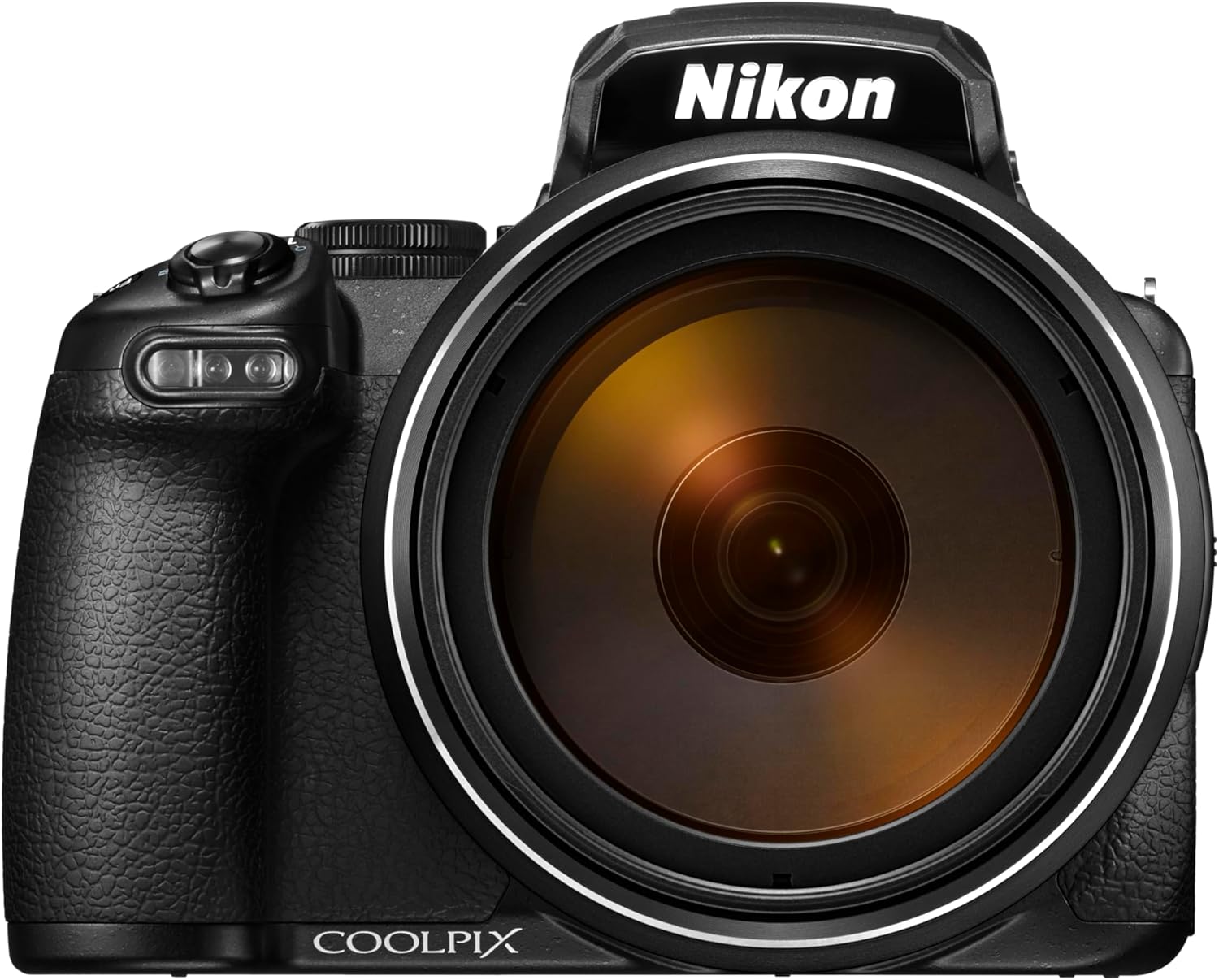
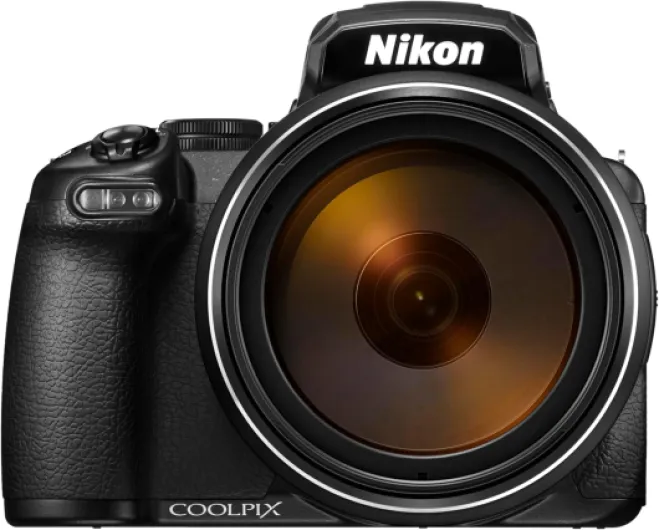
Design-wise, the P1100 is pretty straightforward: it’s basically a large grip with a huge lens barrel stuck on the front. If you’ve seen the older P950 or P1000, this sits in the same family. It is big and a bit heavy, and you feel that the minute you put it in a small backpack. Compared to carrying a DSLR with a long telephoto lens though, this is still simpler and a bit more compact overall. One Amazon reviewer said it’s big and heavy but still lighter than a body plus multiple lenses, and I agree with that.
The grip is chunky and comfortable, especially if you have average or bigger hands. I could hold it one‑handed for quick shots, but at full zoom that’s not realistic; you need both hands and ideally a tripod. The mode dial on top is clear, and I liked that bird‑watching mode is right on the dial instead of buried in a menu. The customizable control ring around the lens is handy: I set it to exposure compensation and it made quick adjustments a lot easier than digging in menus.
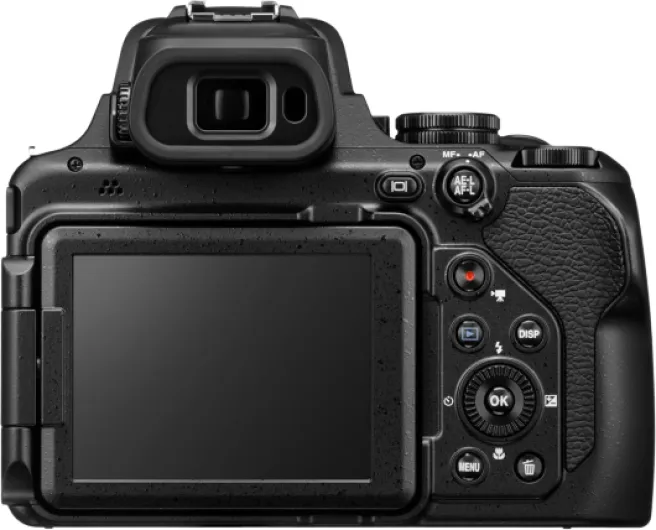
The articulating 3.2" LCD is a nice touch. It flips out and rotates, so you can shoot from low or high angles or do basic vlogging if you really want to. The resolution is decent but not mind‑blowing; it’s good enough to judge composition and basic focus, but not for detailed pixel peeping. The EVF is usable, not the crispest I’ve seen, but it does the job outdoors when the screen becomes hard to see.
Buttons and layout feel like typical Nikon: logical, not too many, and labeled clearly. This matches the target audience: people who don’t want to fight with the camera. There are no fancy design touches here, it’s more utilitarian. Personally, I liked that. It looks like a tool, not a fashion accessory. The downside is it’s not discreet at all; if you want to be low‑profile while traveling, this thing screams "big camera" every time you pull it out.
Battery life and real-world shooting sessions
The official listing doesn’t shout about battery life, but in real use I’d call it average to slightly above average for a camera in this class. On a full charge, I managed a half‑day of mixed shooting (stills + some 4K clips, a lot of zooming, some Wi‑Fi transfers) without hitting empty. On a more chilled day, mostly photos and limited reviewing on the screen, I got through a full afternoon and evening. If you’re trigger‑happy and constantly chimping (reviewing shots on the LCD), you’ll drain it faster.
Using the electronic viewfinder instead of the rear screen helps a bit, but not dramatically. The big thing that eats power is heavy use of the zoom and stabilization, plus video. If you plan to shoot long wildlife sessions at full zoom or a lot of 4K video, I’d strongly recommend grabbing at least one spare battery. This isn’t unique to the P1100; most bridge cameras and mirrorless bodies have the same issue when you push them.
The good point is that it charges via USB‑C, which is convenient. I charged it from a power bank once during a long day and that saved the session. Being able to top it up from the same charger as your phone or laptop is practical, especially while travelling. No need to carry a dedicated brick if you don’t want to, though an external charger with a spare battery is still more flexible if you shoot a lot.
So in practice, I’d say: one battery is fine for casual outings, but if you’re planning long hikes, safaris, or birding days, treat a spare as part of the cost. It’s not terrible, it’s just not the kind of camera where you forget about charging for days. It’s more "charge each night and you’re good" territory.
Build quality and how tough it feels
In terms of durability, the P1100 feels solid enough but not bombproof. The body is mostly plastic with a rubberized grip, which is normal for this price range. It doesn’t feel cheap in the hand, but you can tell it’s not a pro magnesium-alloy body either. After a few weeks of use—being thrown in a backpack, used on a tripod, and carried around the city—I didn’t notice any creaks or loose parts. The zoom barrel extends a long way at 3000mm, but it didn’t wobble in a worrying way.
There’s no mention of weather sealing, so I treated it with respect: no heavy rain, no dust storms. I did use it in light drizzle once, quickly, and wiped it down after. No issues, but I wouldn’t rely on it in rough weather. If you’re planning to use it a lot outdoors, I’d get a basic rain cover or at least keep a plastic bag handy. The lens has a 77mm filter thread, which is good if you want to add a protective filter or ND filter; that also helps protect the front element from scratches.
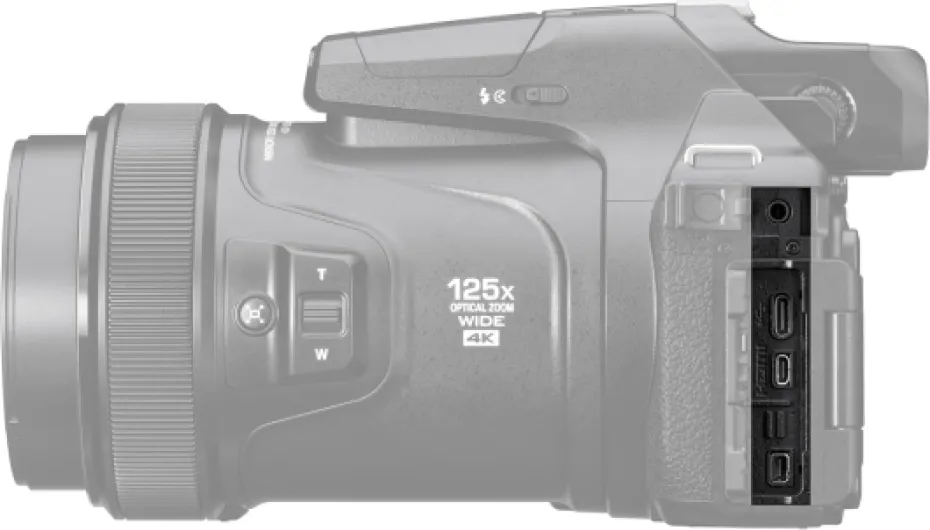
The articulating screen feels okay but I wouldn’t push my luck by constantly flipping and twisting it aggressively. Same for the doors over the ports and card slot: they close fine, but they’re still just plastic flaps. One drop on hard ground could ruin your day, so a decent padded bag is pretty much mandatory with a camera this size and price. It’s not fragile, but it’s not a rugged outdoor tool either.
Overall, I’d say the durability is in line with what you’d expect from a mid‑range Nikon bridge camera. Treat it decently and it should last, but don’t expect it to handle abuse like a pro DSLR. If you’re rough on gear, you’ll need to be extra careful or look for something with actual weather sealing and a tougher shell.
Zoom power vs real-world shooting
The headline spec is the 125x optical zoom (24–3000mm equivalent), and yes, it actually reaches that far. I used it on some birds across a river and on details of buildings a few hundred meters away. On the wide end (24mm), it behaves like a normal wide‑angle compact. Once you start zooming past 1000mm, every tiny movement shows up. At full 3000mm, even breathing or slightly pressing the shutter can shake the frame. The built‑in Dual Detect Optical VR helps, but physics is physics: you really want a sturdy tripod, exactly like one reviewer mentioned.
Autofocus is decent but not lightning fast. For static subjects, it locks on fine. With birds or small fast‑moving subjects at long zoom, it sometimes hunts, especially in lower light or with busy backgrounds. The hybrid AF (contrast + phase detect) sounds good on paper, but this is not on the same level as modern mirrorless systems. Continuous shooting at 7 fps is okay for casual action, but the buffer and write speed limit how long you can sustain that. For casual wildlife, it’s usable; for serious sports or birds in flight, it’s more hit‑and‑miss.
Image quality is very much "small sensor territory." At ISO 100–400 in good light, photos look pretty clean and detailed enough for everyday use and prints. Once you push ISO 1600 or 3200, noise kicks in, and you lose detail, especially in shadows. The 16 MP resolution is fine, but don’t expect miracles if you crop heavily on top of that long zoom. RAW support does help a bit for recovering highlights and shadows, but it doesn’t turn it into a full‑frame camera. This is exactly why I’d say it’s great for beginners or hobbyists, not for pros who are picky about image quality.
Video performance is solid for casual use: 4K UHD (2160p), decent stabilization, and okay autofocus. It works well for simple travel clips or zooming in on wildlife. Rolling shutter and focus hunting can show up if you pan fast or zoom a lot during recording. For YouTube or personal videos, it’s fine; for serious video work, I’d look elsewhere. Overall, performance is strong where it’s supposed to be (zoom reach and convenience) and weaker in low light and fast action, which is pretty much what I expected from the specs.
What this camera actually is (and isn’t)
The COOLPIX P1100 is a bridge camera, which means it sits between a compact and a DSLR/mirrorless. Fixed lens, but a big body that looks a bit like a DSLR. You get a 16 MP 1/2.3" CMOS sensor, a 24–3000mm equivalent lens with 125x optical zoom, 4K video, RAW (.NRW) support, and an articulating 3.2" LCD. It weighs about 3.1 lbs, so it’s not a pocket camera. Think of it as an all‑in‑one kit: one body, one lens, that’s it.
The target user is pretty obvious from the specs: travel, wildlife, casual events, and people who don’t want to carry multiple lenses. There’s Wi‑Fi and Bluetooth to move photos to your phone, which works fine once you set it up, though the Nikon app is a bit clunky like most camera apps. You also get a built‑in electronic viewfinder (EVF), which is useful in bright sunlight when the rear screen gets hard to see.
On the control side, Nikon gives you auto modes, scene modes (including bird-watching and macro), and some basic manual options like exposure compensation, white balance, and manual focus using the customizable control ring. But compared to a proper DSLR or mirrorless, the amount of tweaking you can do is more limited. This matches what one Amazon reviewer said: it’s not really aimed at pros who want every setting under the sun, it’s more for people who want the camera to handle most things while they enjoy the zoom.
So in practice, I see it as a specialized tool: great when you need reach and convenience, weaker if you care a lot about low‑light quality, bokeh, or super fast performance. It’s not a replacement for a full system if you’re serious about photography; it’s more like a dedicated zoom monster that’s easy to pick up and use.
Pros
- Huge 125x optical zoom (24–3000mm equivalent) in a single fixed-lens body
- Optical stabilization and bird-watching/macro modes make it easier for beginners
- RAW support, 4K video, and articulating LCD give decent flexibility for the price
Cons
- Small 1/2.3" sensor limits low-light performance and dynamic range
- Big and fairly heavy body, hard to handhold at full zoom without a sturdy tripod
- Limited manual control and customization compared to DSLR/mirrorless systems
Conclusion
Editor's rating
After using the Nikon COOLPIX P1100 in real conditions, my overall take is simple: it’s a fun, very capable superzoom for beginners and hobbyists who care more about reach and convenience than ultimate image quality or pro-level control. The 125x optical zoom is not just a gimmick; you really can shoot things that would be out of the question with normal gear, especially birds, planes, the moon, and distant details on trips. Paired with the optical stabilization, RAW support, 4K video, and articulating screen, it covers a lot of everyday needs in one body.
But it’s not magic. The small 1/2.3" sensor means low‑light performance and dynamic range are limited, and at full zoom it’s hard to keep things sharp without a tripod, just like several users mentioned. It’s also a big, noticeable camera, and the controls are more "point‑and‑shoot" than "pro tool." If you’re already deep into photography and want full manual flexibility and cleaner files, you’ll probably feel constrained by this camera.
I’d recommend the P1100 to: people who love wildlife or travel and want long reach without juggling lenses; beginners moving up from a phone who want a simple but powerful zoom camera; and casual shooters who mostly work in daylight. I’d say skip it if: you mainly shoot indoors or at night, you care a lot about shallow depth of field and clean high‑ISO images, or you’re a serious photographer expecting DSLR/mirrorless-level control and quality. In short, it’s a pretty solid superzoom tool with clear strengths and clear limits—good if it matches your use case, less convincing if it doesn’t.