Canon EOS full frame cameras for serious photography
Among the top Canon digital cameras, full frame EOS models sit at the center of the system. A Canon EOS full frame camera body gives you a larger sensor, better low light performance, and more control over background blur. For many photographers, that combination makes a full frame Canon camera the best long term investment.
The Canon EOS 5D Mark III helped define what enthusiasts expect from a full frame DSLR camera. Its successor, the Canon EOS 5D Mark IV, refined the formula with higher resolution, improved autofocus, and stronger video performance in a familiar EOS series body. If you want a detailed field test of a professional full frame Canon camera body, you can study this in depth Canon 5D Mark IV full frame review before deciding.
When you read about Canon EOS Mark III and Mark IV cameras, pay attention to how each generation handles autofocus. The EOS 5D Mark III already offered a sophisticated AF system, but the later EOS Mark IV body improved tracking and low light sensitivity. For fast moving subjects, that difference in autofocus reliability can matter more than a small jump in image quality.
Canon full frame mirrorless cameras such as the EOS R5 and EOS R6 Mark II now challenge traditional DSLR cameras in almost every area. A modern Canon EOS mirrorless camera offers advanced subject recognition, in body stabilization, and high resolution electronic viewfinders that preview exposure and color in real time. Many photographers now regard these mirrorless cameras as the best Canon digital cameras for hybrid photo and video work.
Lens choice remains crucial when you invest in a full frame Canon camera. RF mount lenses for Canon mirrorless cameras often deliver sharper corners, faster apertures, and quieter autofocus than older DSLR lenses. EF mount lenses for Canon DSLR cameras still offer excellent value, especially when you pair a classic zoom lens with a robust EOS Mark III or Mark IV body.
For travel and documentary work, a compact full frame Canon camera with a versatile zoom lens can replace a bag of older gear. You gain the image quality of a large sensor, the flexibility of a wide to telephoto zoom, and the convenience of a single camera body. That combination explains why so many photographers now treat full frame Canon EOS cameras as their primary digital camera for every assignment.
Canon mirrorless cameras versus DSLR cameras
Choosing between Canon mirrorless cameras and Canon DSLR cameras shapes how your system will evolve. A Canon DSLR camera from the EOS series offers an optical viewfinder, long battery life, and a huge catalog of EF lenses. Canon mirrorless cameras in the EOS R series trade that optical view for an electronic one but add faster autofocus, better video, and more compact camera body designs.
When you handle a Canon mirrorless camera, the first thing you notice is size. Many Canon EOS mirrorless bodies are smaller and lighter than comparable DSLR cameras, especially when paired with compact lenses. That makes a mirrorless camera one of the best Canon options for travel photographers who carry their digital camera all day.
Autofocus performance is another major difference between these Canon cameras. Mirrorless cameras use on sensor phase detection across a wide area, which allows the Canon EOS system to track eyes, faces, and animals with impressive accuracy. Older DSLR cameras rely on a separate autofocus module, which can be very fast but often covers a smaller portion of the image frame.
Video shooters usually prefer a Canon mirrorless camera for its advanced features. Canon EOS mirrorless bodies often provide uncropped 4K video, focus peaking, and log profiles that help you grade footage more flexibly. While some Canon DSLR cameras offer solid video, they rarely match the combination of autofocus, image quality, and monitoring tools found in the latest mirrorless cameras.
Lens ecosystems differ slightly between Canon DSLR cameras and Canon mirrorless cameras. RF mount lenses for mirrorless bodies are designed for the shorter flange distance, which allows Canon to build compact lenses with excellent optical performance. EF mount lenses for DSLR cameras remain widely available, and you can adapt many of them to a Canon EOS mirrorless camera without losing autofocus or image stabilization.
If you want a structured overview of the top Canon digital cameras across both systems, you can consult this curated selection of leading Canon models. It compares Canon cameras by sensor size, autofocus performance, and video features in a way that suits both beginners and experienced photographers. Using such comparisons will help you decide whether a mirrorless camera or a DSLR camera is the best Canon path for your style.
Compact Canon cameras and the PowerShot series
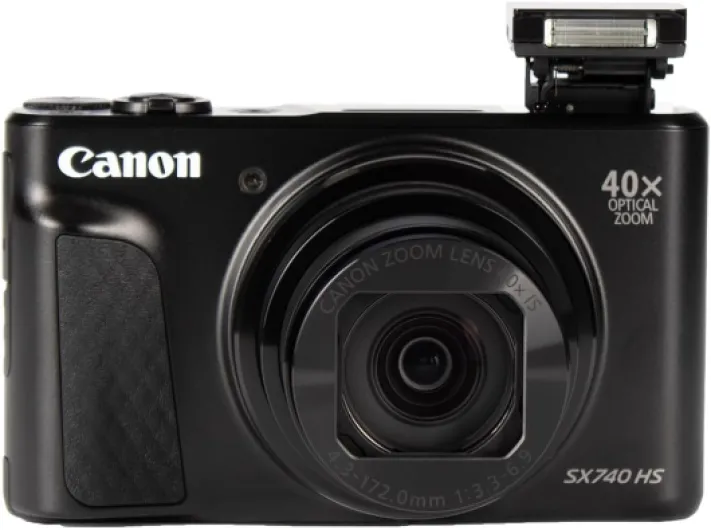
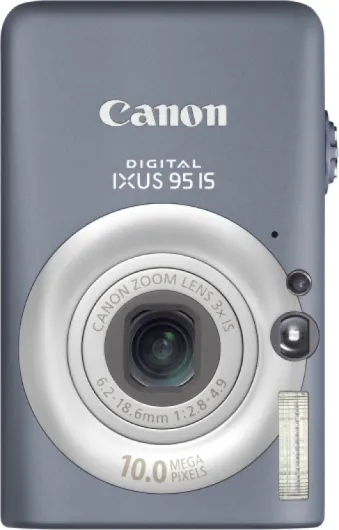
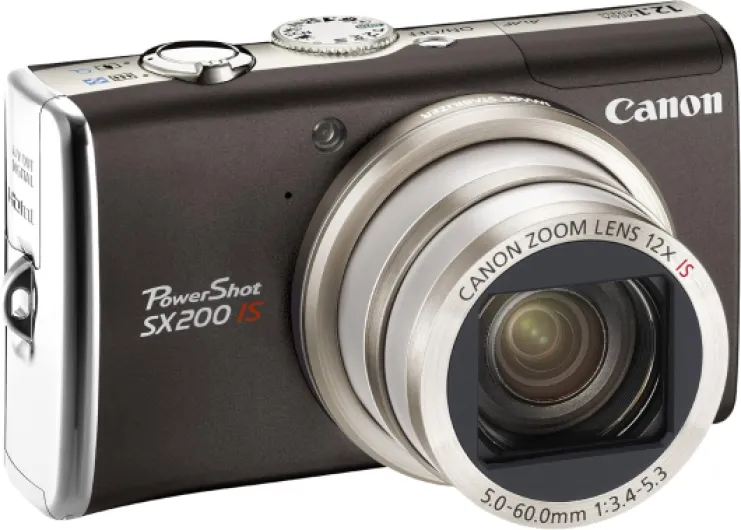
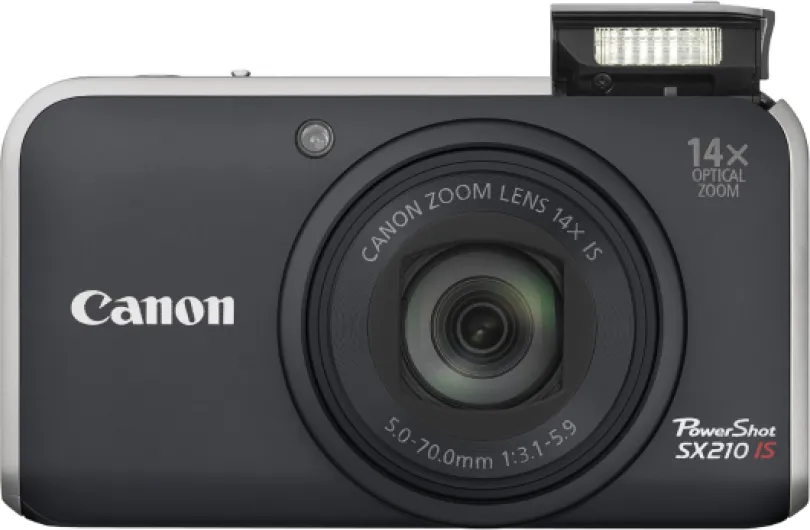
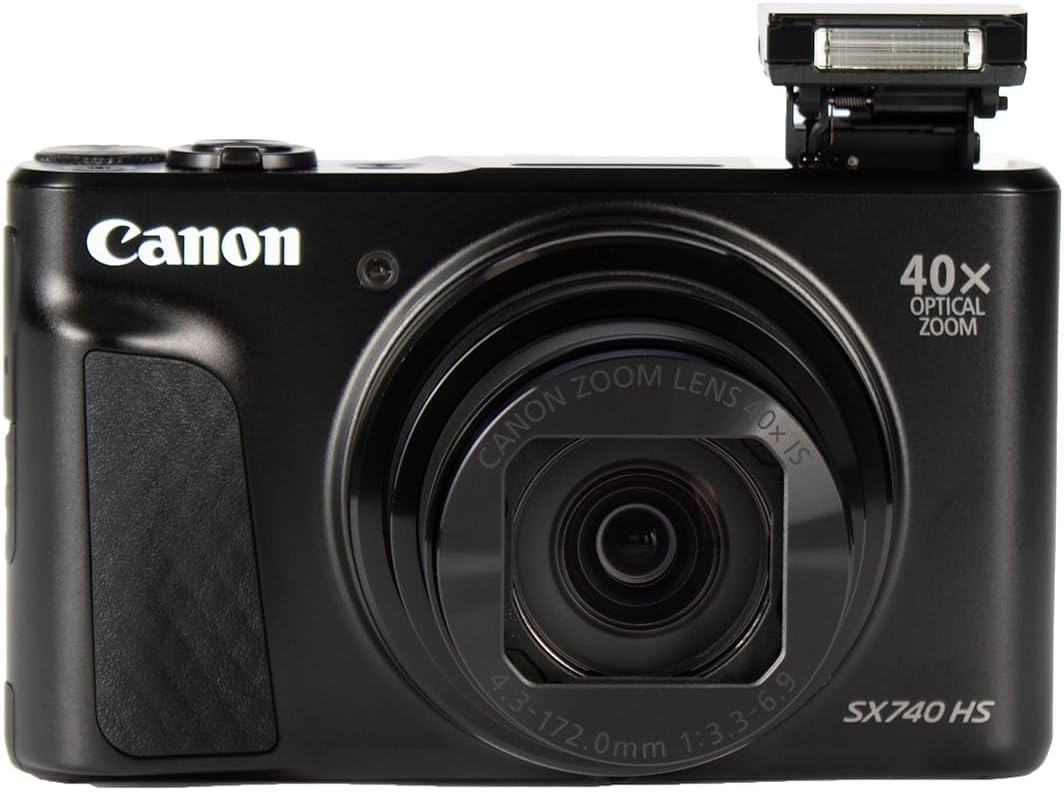
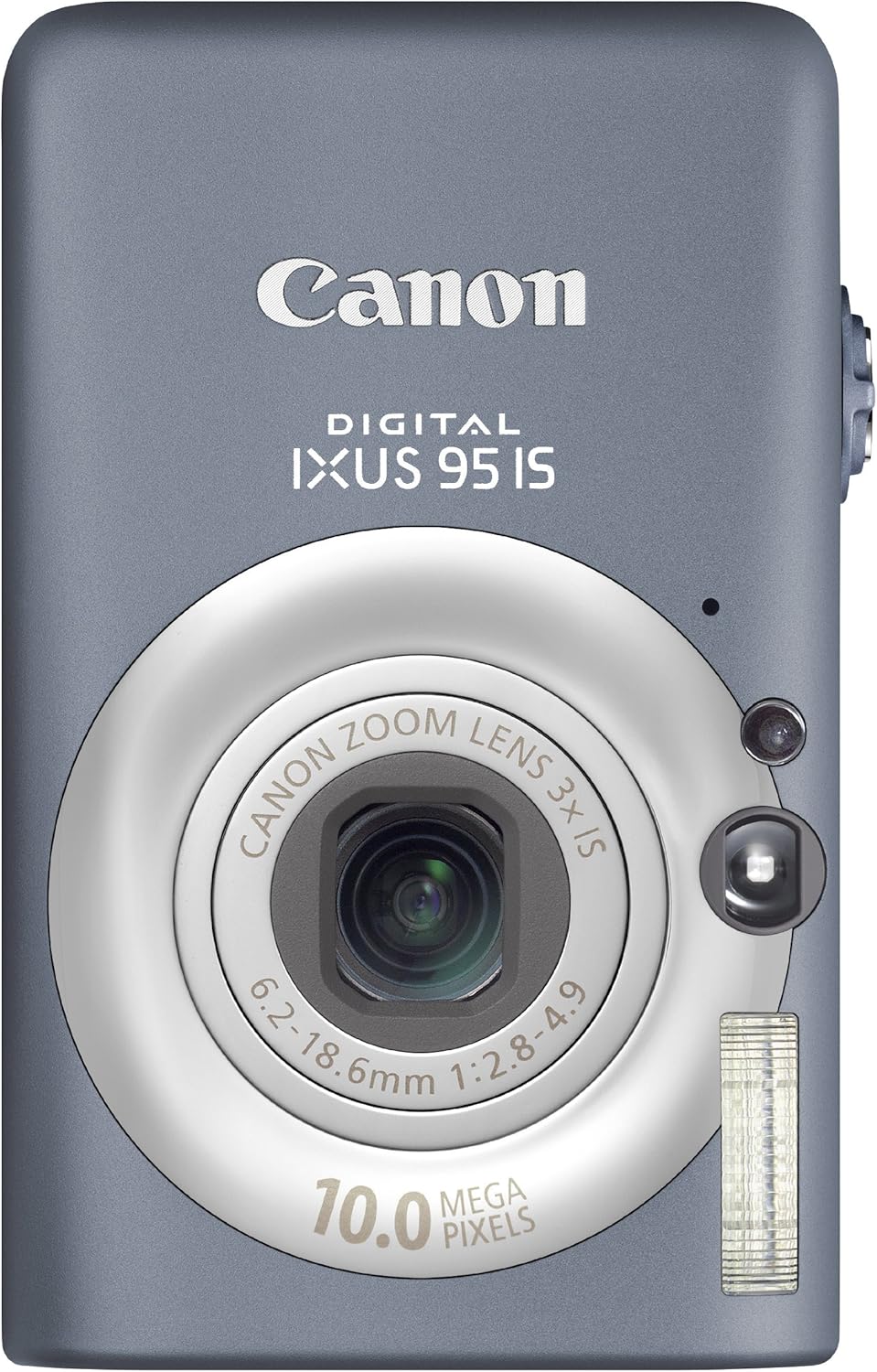
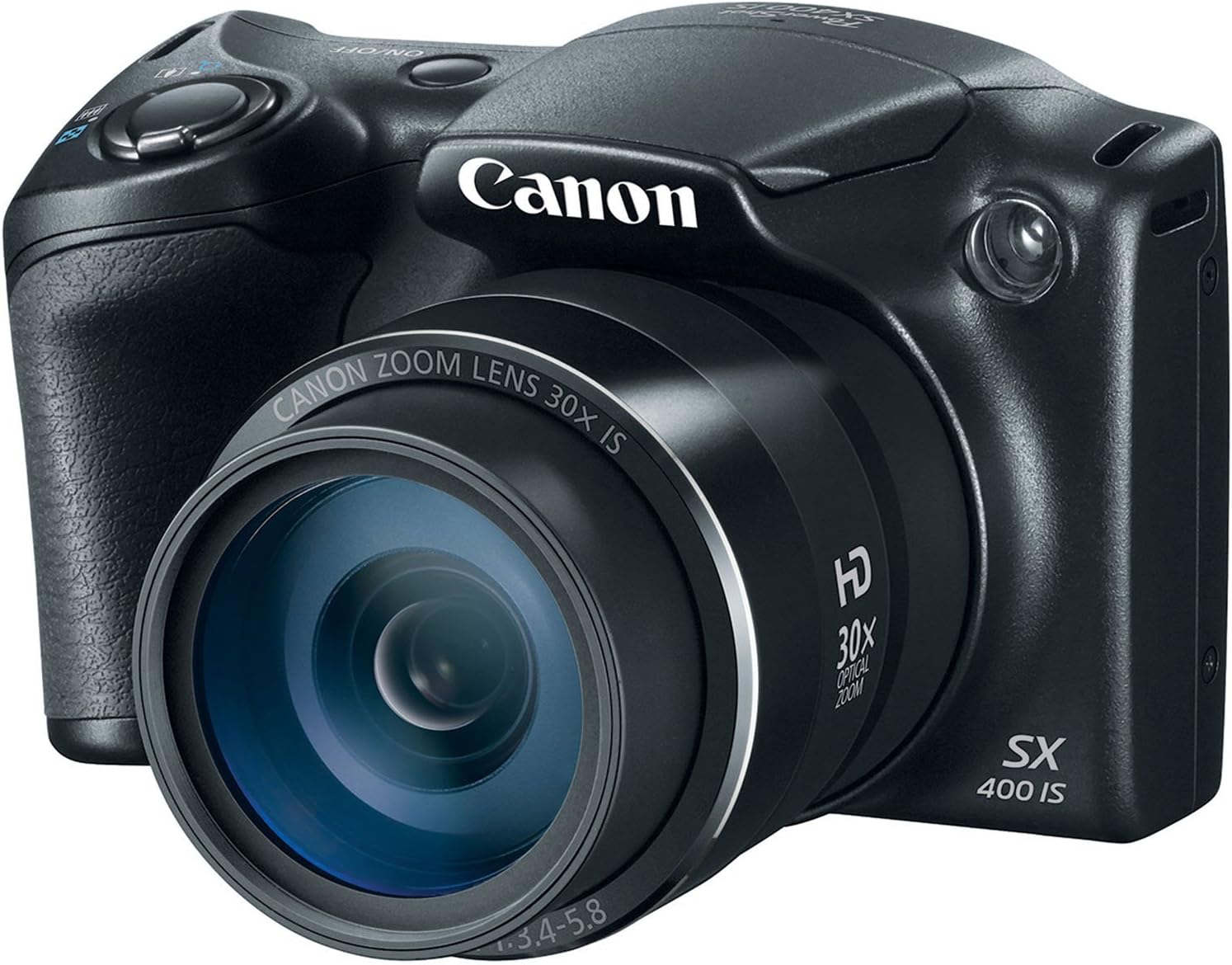
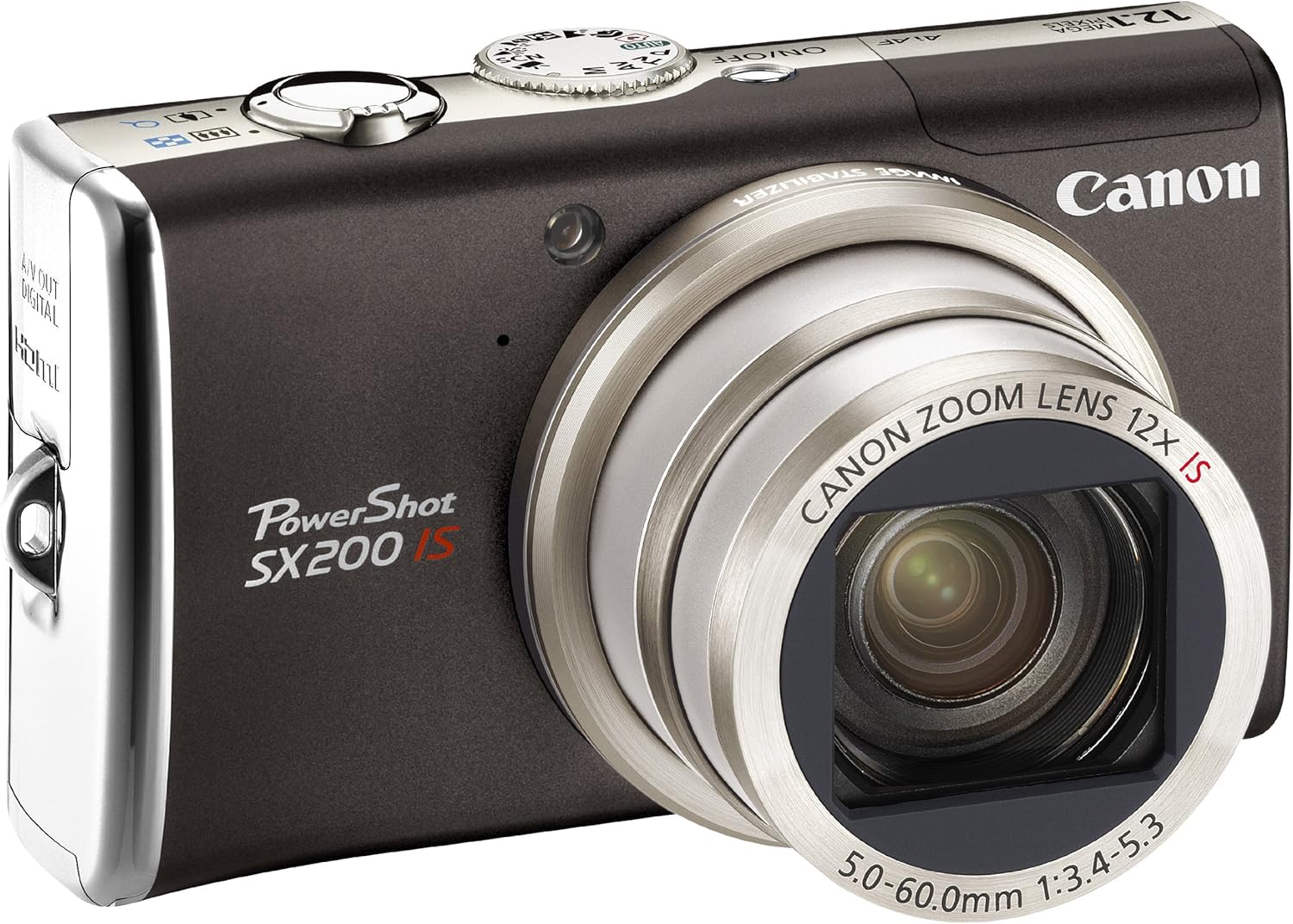
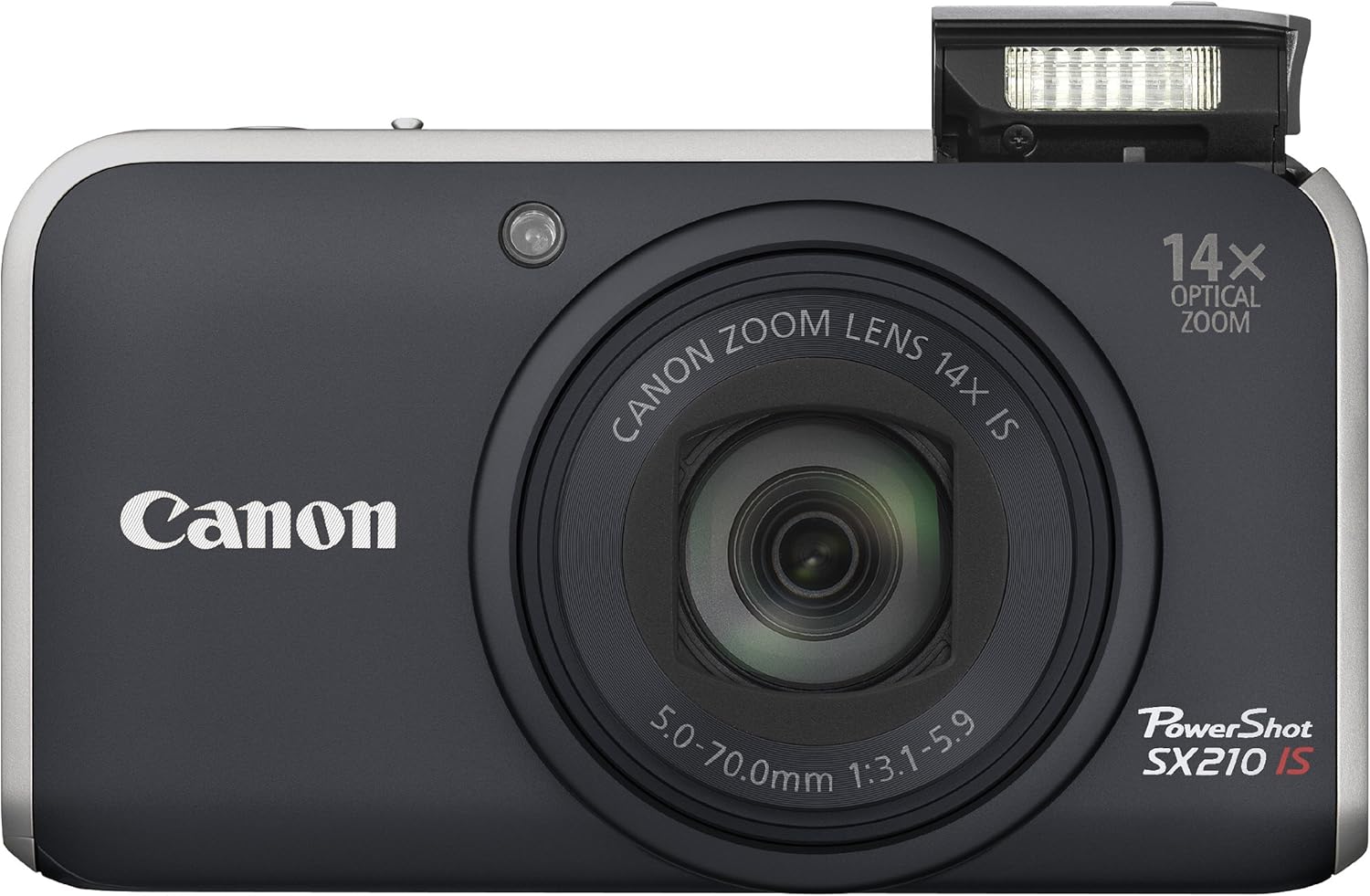
Not everyone needs a large Canon EOS camera body with interchangeable lenses. Canon compact cameras in the PowerShot series offer pocketable designs, built in zoom lenses, and straightforward controls for everyday photography. For many families, a Canon PowerShot digital camera is the best Canon option because it is always with them when moments happen.
The Canon PowerShot series covers simple point and shoot cameras as well as advanced compact cameras with larger sensors. High end compact cameras often include a one inch sensor, fast zoom lens, and sophisticated autofocus that rivals some entry level DSLR cameras. That combination of image quality and portability makes these compact cameras ideal for travel, street photography, and casual video clips.
When you evaluate Canon compact cameras, pay attention to the lens specifications. A bright zoom lens with a wide maximum aperture helps maintain good image quality in low light situations such as indoor events or evening city scenes. The best Canon compact cameras also offer optical image stabilization, which reduces blur when you shoot at slower shutter speeds.
Video features on Canon PowerShot cameras have improved significantly over recent generations. Many models now record 4K video, provide clean HDMI output, and offer reliable autofocus tracking for vlogging or family films. If you want a small digital camera that handles both stills and video, a higher end Canon compact camera can be a smart alternative to using your phone.
Battery life and handling still matter even on compact Canon cameras. Look for a comfortable grip, intuitive menus, and customizable buttons that let you adjust exposure quickly without diving into settings. A compact Canon camera that feels natural in your hand will encourage you to shoot more, which ultimately leads to better images and stronger visual stories.
For photographers who already own a Canon EOS camera, a Canon PowerShot compact camera can serve as a discreet backup. You keep your main camera body and lenses for planned shoots, while the compact digital camera covers spontaneous moments. This two camera approach ensures you always have at least one Canon camera ready, whether you are on assignment or simply walking through your neighborhood.
Entry level Canon cameras for beginners and enthusiasts
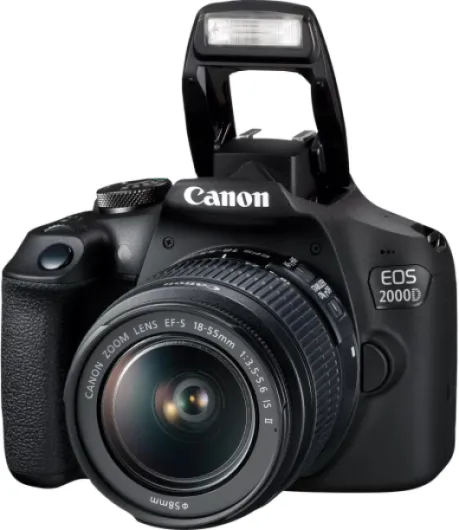
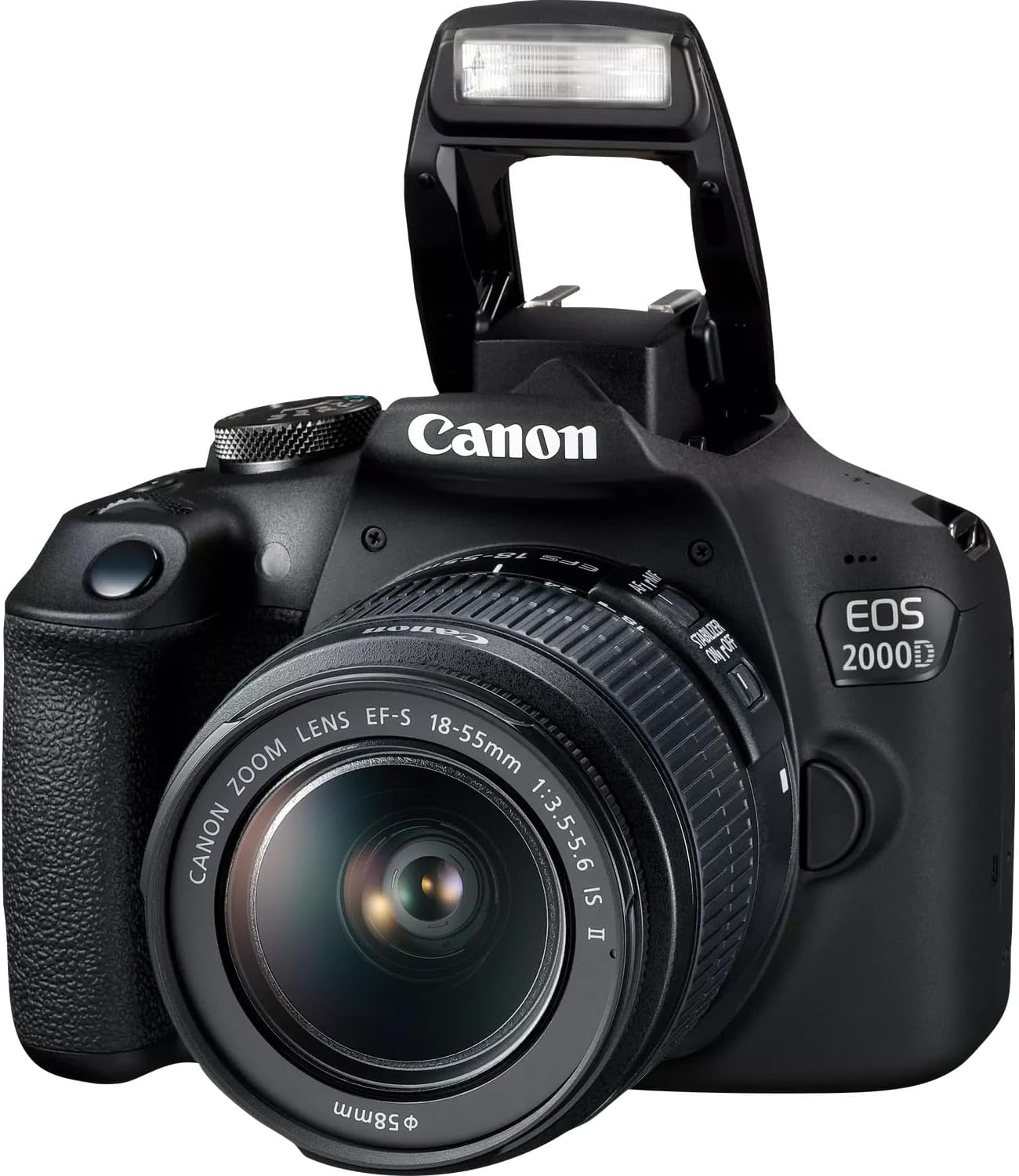
Starting with the right entry level Canon camera can make photography more enjoyable. The EOS Rebel series of Canon DSLR cameras has long been a popular gateway into the Canon ecosystem. These cameras combine approachable controls, solid image quality, and compatibility with a wide range of Canon lenses at an accessible price.
Many beginners still choose an EOS Rebel DSLR camera because it feels like a traditional camera. You get an optical viewfinder, a comfortable grip, and direct access to key settings such as shutter speed, aperture, and ISO. For learning exposure and composition, that tactile experience can be more engaging than relying solely on a screen.
Canon also offers entry level mirrorless cameras that appeal to new photographers who value portability. These Canon EOS mirrorless bodies are often smaller than EOS Rebel DSLR cameras but still deliver excellent image quality and fast autofocus. Paired with compact lenses, they become some of the best Canon digital cameras for travel, content creation, and everyday use.
When you compare entry level Canon cameras, look beyond megapixels and marketing terms. Check how the autofocus system performs in low light, how quickly the camera wakes from sleep, and whether the menus feel intuitive. A camera that responds quickly and stays out of your way will help you focus on composition and timing instead of wrestling with settings.
Lens choice at the beginning of your Canon journey also matters. Many starter kits include a basic zoom lens, which is fine for general photography but may struggle in low light or for portraits with strong background blur. Over time, adding a brighter prime lens or a higher quality zoom lens will unlock more of the image quality potential in your Canon camera body.
If you are curious about how an enthusiast level DSLR camera compares to entry level options, you can examine this detailed test of a mid range DSLR kit. While it focuses on a different brand, the review highlights issues such as autofocus behavior, sensor performance, and handling that apply directly when you evaluate Canon cameras. Understanding those criteria will help you recognize when a Canon EOS camera offers genuine value versus marketing hype.
Key features that define the best Canon digital cameras
Certain technical features consistently separate the best Canon digital cameras from the rest. Sensor performance, autofocus reliability, and lens quality work together to determine the final image quality you see on screen or in print. When you compare Canon cameras, judge them on how these elements interact rather than on any single specification.
The sensor is the heart of every Canon camera, whether DSLR or mirrorless. A larger full frame sensor gathers more light, which improves low light performance and dynamic range compared with smaller sensors. However, modern APS C sensors in Canon cameras can still deliver excellent image quality when paired with good lenses and careful exposure.
Autofocus systems have evolved dramatically across Canon EOS cameras. Dual Pixel CMOS AF technology allows many Canon mirrorless cameras and some DSLR cameras to focus quickly and smoothly during both stills and video. For action, wildlife, and events, a responsive autofocus system often matters more than a small difference in resolution or frame rate.
Lens quality remains a decisive factor in any Canon system. A sharp lens with consistent performance across the zoom range will reveal the full potential of your Canon camera sensor. Investing in one or two high quality Canon lenses often improves your images more than upgrading the camera body every product cycle.
Video capabilities now influence how photographers choose the best Canon digital cameras. Features such as 4K recording, log profiles, and high bitrate codecs give you more flexibility in post production. If you plan to shoot serious video, ensure your Canon EOS camera offers clean HDMI output, reliable autofocus, and manageable rolling shutter performance.
Handling and ergonomics complete the picture when you evaluate Canon cameras. A well designed Canon camera body with clear menus, customizable buttons, and a responsive touchscreen will help you work faster and more confidently. Over long days of shooting, that ease of use can matter as much as pure image quality or autofocus speed.
Building a Canon system around your camera body
Buying one of the best Canon digital cameras is only the first step. To get the most from any Canon camera body, you need to build a thoughtful system of lenses, accessories, and workflow habits. Treat your Canon EOS camera as the core of a flexible toolkit rather than a standalone gadget.
Start with lenses that match your subjects and style. A standard zoom lens covers everyday scenes, while a fast prime lens excels in low light and portraits with shallow depth of field. Over time, you can add specialized Canon lenses such as ultra wide zooms for landscapes or telephoto zooms for sports and wildlife.
Consider how you will handle video within your Canon system. If your Canon EOS camera offers strong video features, invest in accessories such as microphones, neutral density filters, and stable support. These additions help you maintain consistent image quality and professional sound when you switch from stills to moving images.
Lighting also plays a major role in the performance of Canon cameras. External flashes, continuous LED panels, and simple reflectors can transform the look of your images more than another incremental camera upgrade. By controlling light, you allow the sensor and lenses in your Canon camera to perform at their best.
Workflow and backup habits protect the images you create with your Canon cameras. Use fast memory cards, maintain at least two copies of your files, and calibrate your monitor so that image color and contrast remain accurate. A reliable workflow ensures that the image quality you capture with your Canon EOS camera survives all the way to final delivery.
As your skills grow, you may eventually add a second Canon camera body to your kit. Using two Canon cameras with different lenses attached lets you switch perspectives instantly without changing lenses in dusty or wet conditions. That flexibility is one reason many professionals rely on multiple Canon EOS bodies when they cover weddings, sports, or editorial assignments.
Key figures about Canon digital cameras
- Canon has held a leading global interchangeable lens camera market share for more than a decade, often reported at roughly 40–50 % of the market in summaries of CIPA shipment data and Canon financial disclosures.
- Many current Canon full frame cameras such as the EOS R6 Mark II offer native ISO ranges that extend to around ISO 40 000 or higher, providing at least two stops of improved low light performance compared with typical entry level models from earlier generations, according to Canon’s published specifications.
- Canon Dual Pixel CMOS AF systems in recent EOS cameras can provide thousands of selectable autofocus points, with some mirrorless models covering close to the full frame area horizontally based on Canon’s technical documentation.
- High end Canon EOS cameras including the EOS R3 can shoot continuous bursts at 20 frames per second or more with electronic shutters, which is roughly double the speed of many older DSLR cameras used by enthusiasts, as stated in Canon’s product literature.
- Canon RF mount lens development has accelerated, with dozens of lenses released since the system launched, including multiple zoom lenses that maintain f/2.8 apertures across their entire focal length range and several compact f/4 options listed in Canon’s official catalog.