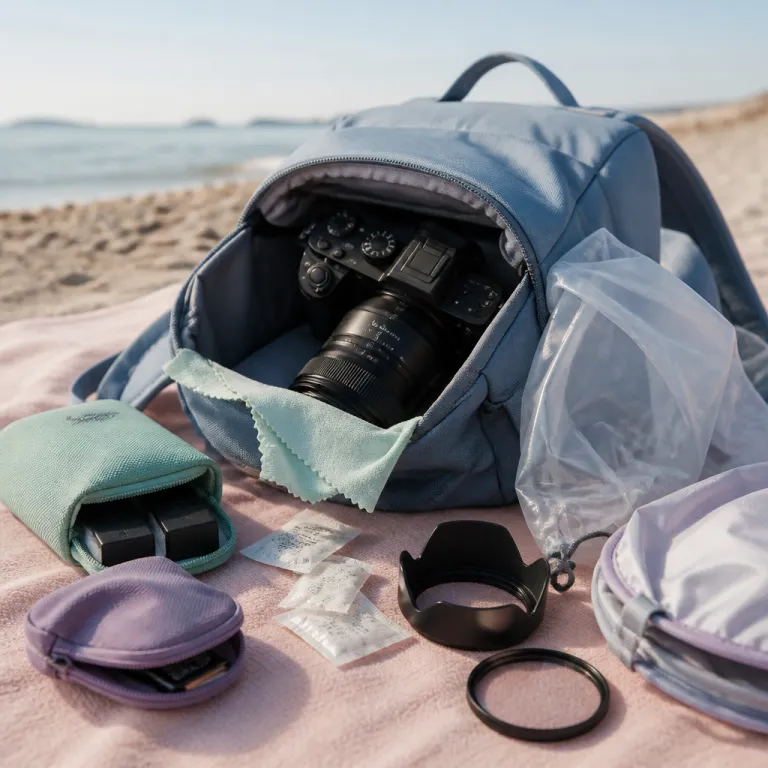
Building a summer travel camera kit that actually fits your life
Your travel camera summer packing guide starts long before you zip a bag. A smart summer travel packing strategy begins with deciding what you will really shoot on this trip, then matching a lean camera kit to that vision instead of stuffing every lens you own into a heavy case. Think of your gear as a working tool set, not a museum of small shiny items that only slow you down on vacation.
For most people, one body and one versatile zoom lens beat a cluttered items list of primes that never leave the hotel. A compact mirrorless camera with a stabilized standard zoom, such as a 24 to 70 millimetre equivalent, covers landscapes, portraits, and casual travel photography while staying light enough to carry all day in a discreet travel bag. If you expect a lot of tight alleys or cramped interiors, prioritise a lens with a useful wide angle end around 24 millimetres rather than chasing extreme telephoto options you will rarely use on a city break vacation.
Remote expeditions change the equation, because repair shops and rentals are not available when you travel far off grid. In that case, a two body approach can make sense, with a second small camera body sharing the same memory cards and batteries to keep the kit simple and your packing list short. You still want to save space, so resist the urge to pack a third body or a giant backup case that turns every day walk into a forced march.
Whatever you choose, write an actual items list before you start packing the gear, including camera, lenses, charger, batteries, memory cards, cleaning kit, and basic protection. That written packing list keeps you honest about what you will carry and what will just sit in the hotel safe while you travel, and it also helps you don’t forget essentials like a card reader or a second strap. Treat this as your ultimate packing template for every summer trip, then refine it after each vacation packing experiment based on what you really used.
Heat, humidity, and sand: keeping your camera working in real summer
Summer heat is brutal on electronics, so any serious travel camera summer packing guide must start with thermal limits. Most modern mirrorless and DSLR bodies are rated to operate up to roughly 40 degrees Celsius, but in direct sun on a beach or rooftop that camera can hit shutdown temperatures much faster than you expect during a long day of travel photography. Before your next trip, read your manual for the exact operating range, then plan how you will keep the camera cool instead of trusting vague marketing claims.
Video is the real stress test, because continuous 4K recording generates far more heat than stills. If you plan to pack a camera for long clips of street performances or family events on vacation, assume that many bodies will thermal throttle or stop recording after 20 to 30 minutes once ambient temperatures climb above 35 degrees Celsius. To keep cool performance, shoot shorter clips, avoid leaving the camera baking on a tripod between takes, and use the shade of your travel bag or a light coloured scarf as a simple heat shield when you are not rolling.
Humidity and condensation are quieter killers than heat, especially when you move from an air conditioned hotel room to a hot, wet street during the day. Store your camera kit in a padded case with a few silica gel packs, and when you step outside, keep the bag closed for ten to fifteen minutes so the gear warms gradually and moisture does not condense on internal elements. A basic rain cover or even a large ziplock bag can protect against sudden showers or sea spray, and this low tech solution can save space compared with a bulky hard case while still keeping sand out of buttons and dials.
Beach trips demand extra paranoia, because wind driven sand can grind into zoom barrels and scratch front elements. Use a clear protective filter on any lens you will carry near the water, and keep a rocket blower and microfiber cloth in your day kit so you can clean grit before it embeds in the camera. For a deeper dive into how sensor architecture handles noise and dynamic range when the camera heats up, read this analysis of stacked and back illuminated sensors and think about how your own body will behave on a scorching rooftop at sunset.
One body or two, and how to manage batteries, cards, and daily carry
Choosing between a one body one lens philosophy and a two body setup is the core trade off in any travel camera summer packing guide. For most travellers, especially on a short city vacation, a single weather sealed body with a mid range zoom and a fast prime in the bag offers the best balance of flexibility and light weight. You will move faster, shoot more, and feel less like a pack mule when you travel with a compact kit instead of a full studio in your carry on case.
Two bodies start to make sense when you travel to remote regions, shoot paid work, or cannot afford a failure during a once in a lifetime trip. In that scenario, pack a second small body that shares batteries and memory cards with your main camera, and mount complementary lenses so you can switch focal lengths without exposing the sensor to dust on a windy day. One body might wear a wide angle zoom for landscapes and tight streets, while the other carries a short telephoto for portraits and compressed scenes, giving you fast options without constant lens changes.
Batteries behave differently in heat than in cold, but they still need respect on a long day of travel photography. Lithium ion cells lose noticeable capacity above about 35 degrees Celsius, so a battery that usually lasts 600 shots might feel tired after 400 when you shoot in blazing sun during a beach vacation. Keep spares in the shade of your travel bag rather than in a black pouch on your chest, avoid leaving them in a hot car, and rotate through them so no single pack spends the whole day at the top of the temperature range.
Memory cards are cheap insurance, so your packing list should always include more capacity than you think you need. Use several mid sized cards instead of one giant card, and at the end of each day, back up the day’s items to a drive or laptop and then keep one card on your person, perhaps in a money belt, while the backup stays in the hotel room. If you are tempted to replace your standard zoom before a big trip, read this piece on why your kit lens is often better than you think and decide whether that money is better spent on extra batteries, cards, or a sturdier travel bag.
Packing strategy: from airline rules to smart summer camera organisation
Airline rules can quietly wreck a well planned travel camera summer packing guide if you ignore them. Lithium ion batteries must ride in your carry on bag, not in checked luggage, and some airlines limit the number or capacity of spare packs you can bring on a long haul trip. Before you start travel packing, check your carrier’s current rules and build your packing list around a single cabin friendly camera case that fits under the seat as a personal item.
Inside that travel bag, organisation matters more than sheer volume, especially when you want to save space for non photo items. Use small pouches or soft packing cubes to separate camera gear from everyday vacation packing essentials like a travel size hand sanitizer, a compact hair dryer, or a basic toiletries kit, so you can reach the camera quickly without dumping your entire bag on the airport floor. A slim money belt can hide passports, cards, and a couple of spare memory cards, while the main case carries the camera, lenses, and cleaning tools you will actually use during the day.
Think in layers when you pack for a hot climate, because what you carry on your body affects how your camera handles heat. A light coloured bag or strap reflects more sun and helps keep cool temperatures around the gear, while a dark, tightly packed case can trap heat and push the camera closer to its thermal limit during a long day of walking. Prioritise breathable straps and harness options that spread weight, so you can carry the kit comfortably through crowded streets or long hikes without feeling chained to your gear.
Non photo items still matter in a serious travel packing strategy, because they keep you shooting instead of hiding in the hotel. A small travel size hand sanitizer bottle, a quick drying cloth, and a hat to shade both you and the camera can be as important as another lens when the sun is brutal. For a broader look at how camera launches and sensor trends shape what ends up in your summer kit, this analysis of recent Canon and Sony releases shows where the industry is heading and which bodies might handle heat and travel abuse more gracefully.
FAQ
What is the minimum camera kit I should pack for a summer trip ?
For most travellers, the minimum effective kit is one camera body, one versatile zoom lens that reaches a useful wide angle, two or three batteries, and at least two memory cards. Add a small cleaning kit, a padded travel bag, and basic weather protection like a rain cover or large ziplock. This lean setup keeps weight low while still covering most travel photography situations on a typical vacation.
How can I stop my camera from overheating in hot weather ?
To reduce overheating, avoid leaving the camera in direct sun, especially when shooting long 4K video clips. Use shade, a light coloured cloth, or the inside of your bag to keep the body cooler between shots, and shoot shorter bursts of video instead of continuous recording. Turning off unnecessary features like constant Wi Fi and using lower frame rate modes can also help the camera stay within its safe operating range.
Should I bring a second camera body for summer travel ?
A second body is useful if you are travelling somewhere remote, shooting paid work, or cannot risk missing key moments due to a failure. For a casual city vacation, most people are better served by one reliable body, a flexible lens, and extra batteries and cards instead of a heavier two body kit. If you do bring two bodies, choose models that share batteries and memory cards to simplify packing and daily carry.
How many batteries and memory cards do I need for a week long vacation ?
As a baseline, plan for at least three batteries and enough memory cards to hold twice as many photos as you expect to shoot. Heat can reduce battery life, so having an extra pack beyond your usual needs is wise for summer trips. Using several mid sized cards instead of one large card also reduces the risk of losing all your images if a single card fails.
Is a hard case necessary for protecting my camera on summer flights ?
A full hard case is rarely necessary for typical airline travel if you keep the camera in a padded shoulder bag or backpack that stays with you as a carry on. Soft cases with good internal dividers and snug lens compartments protect gear well while remaining easier to fit under seats and in overhead bins. Hard cases make more sense when you check large amounts of equipment or expect rough handling during overland segments of your trip.