Instax Mini range: compact best Instax options for everyday use
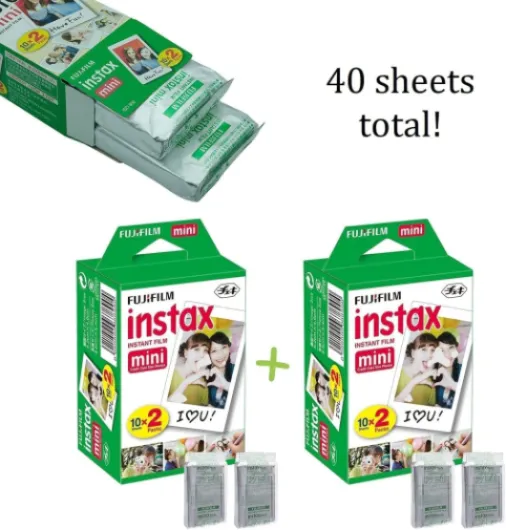
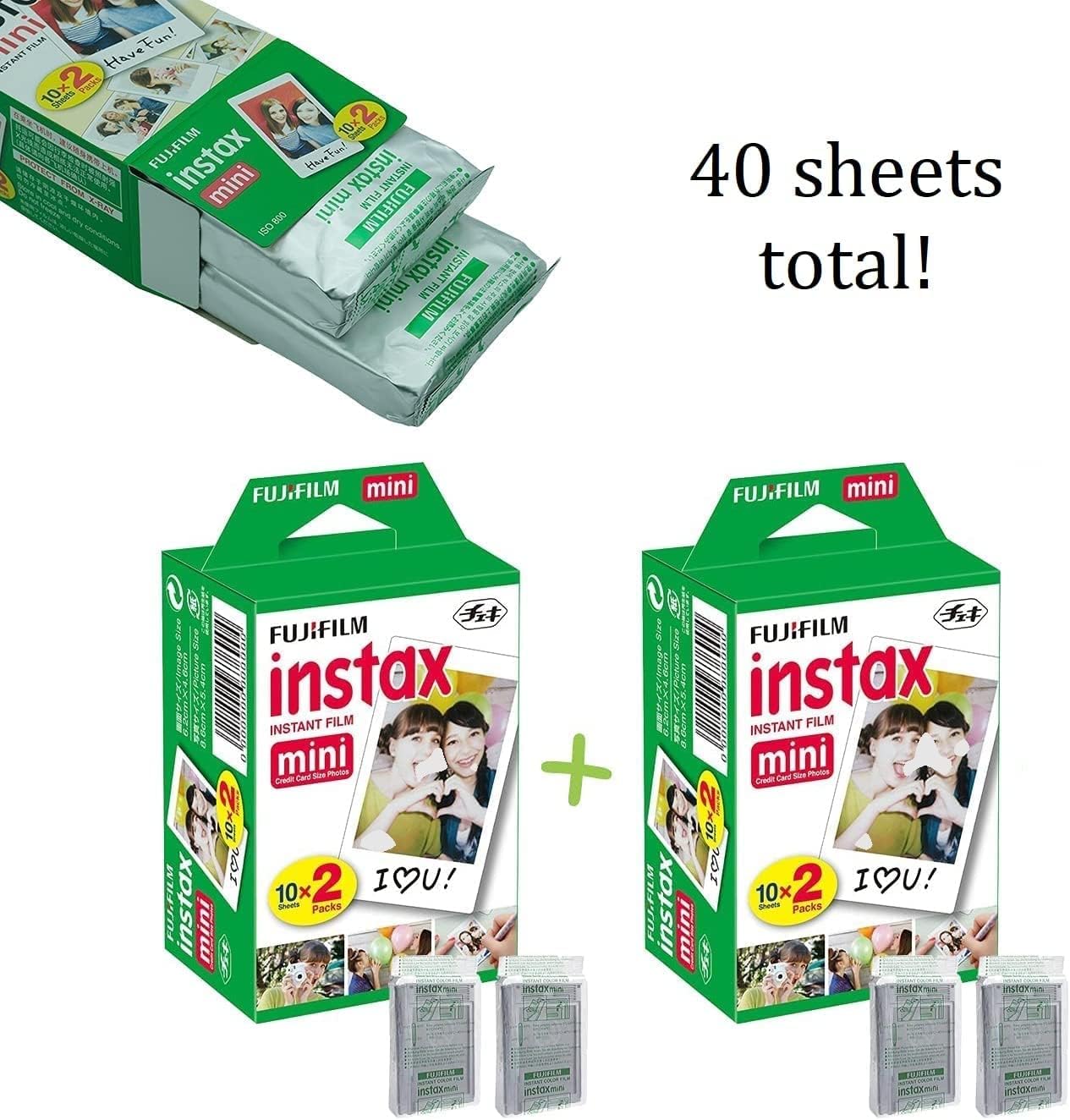
The Instax Mini family remains the most popular gateway into instant cameras. Every Instax Mini camera uses the same Instax Mini film type, so you can share packs between friends and keep costs predictable while still enjoying colourful prints. For many buyers, this shared ecosystem is what makes the best Instax cameras feel practical rather than just nostalgic toys.
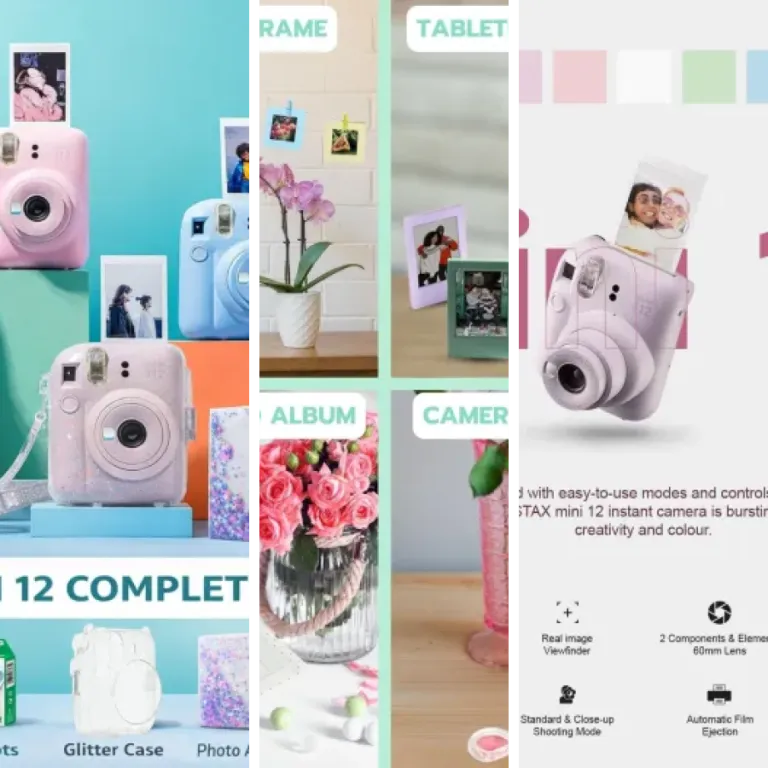
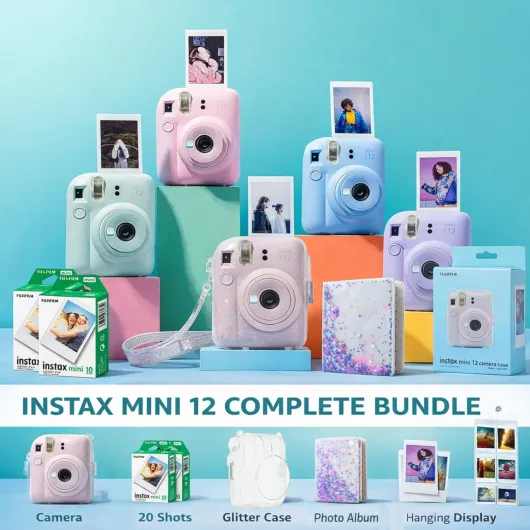
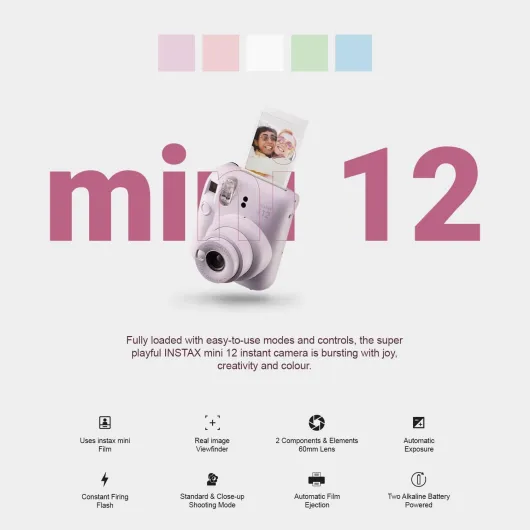
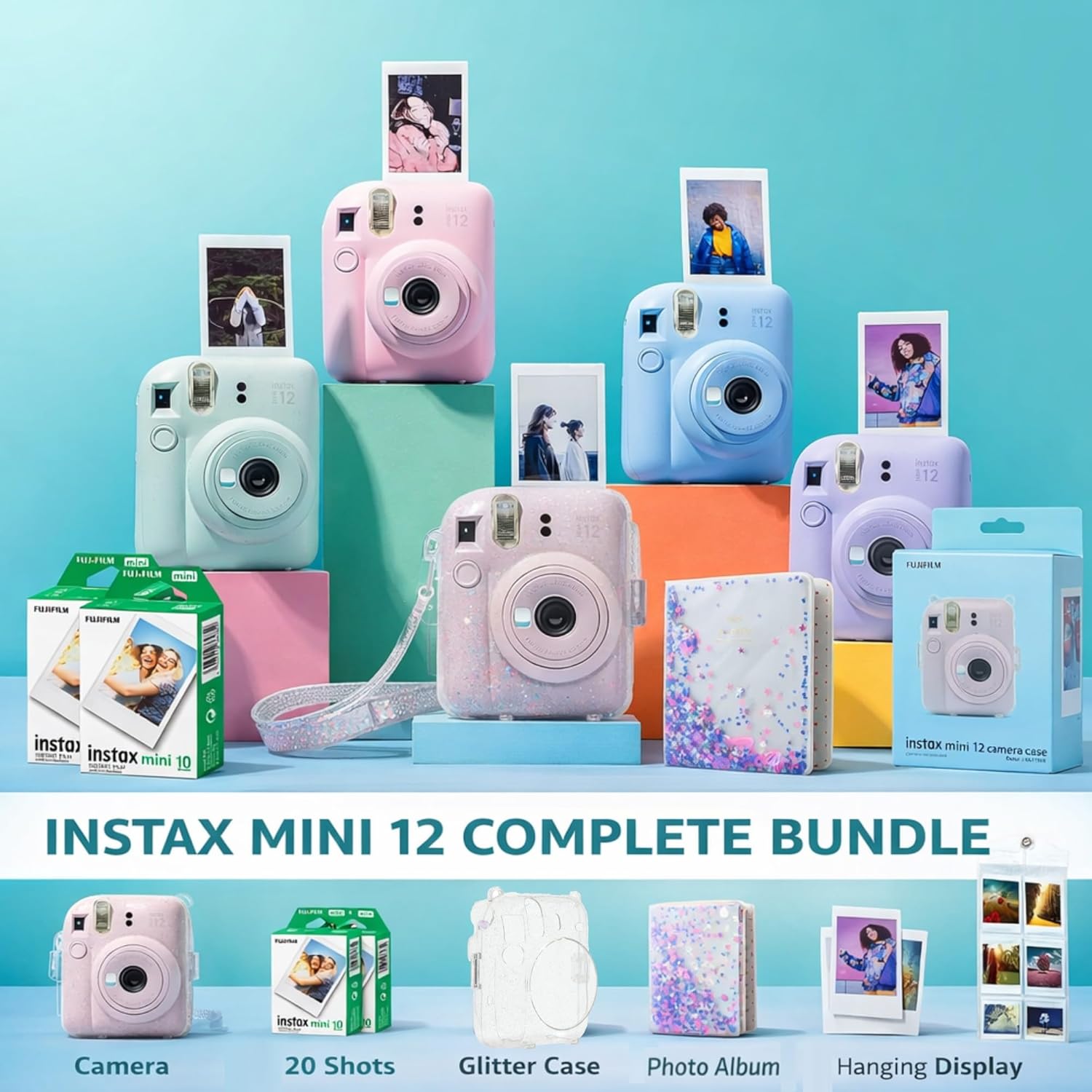
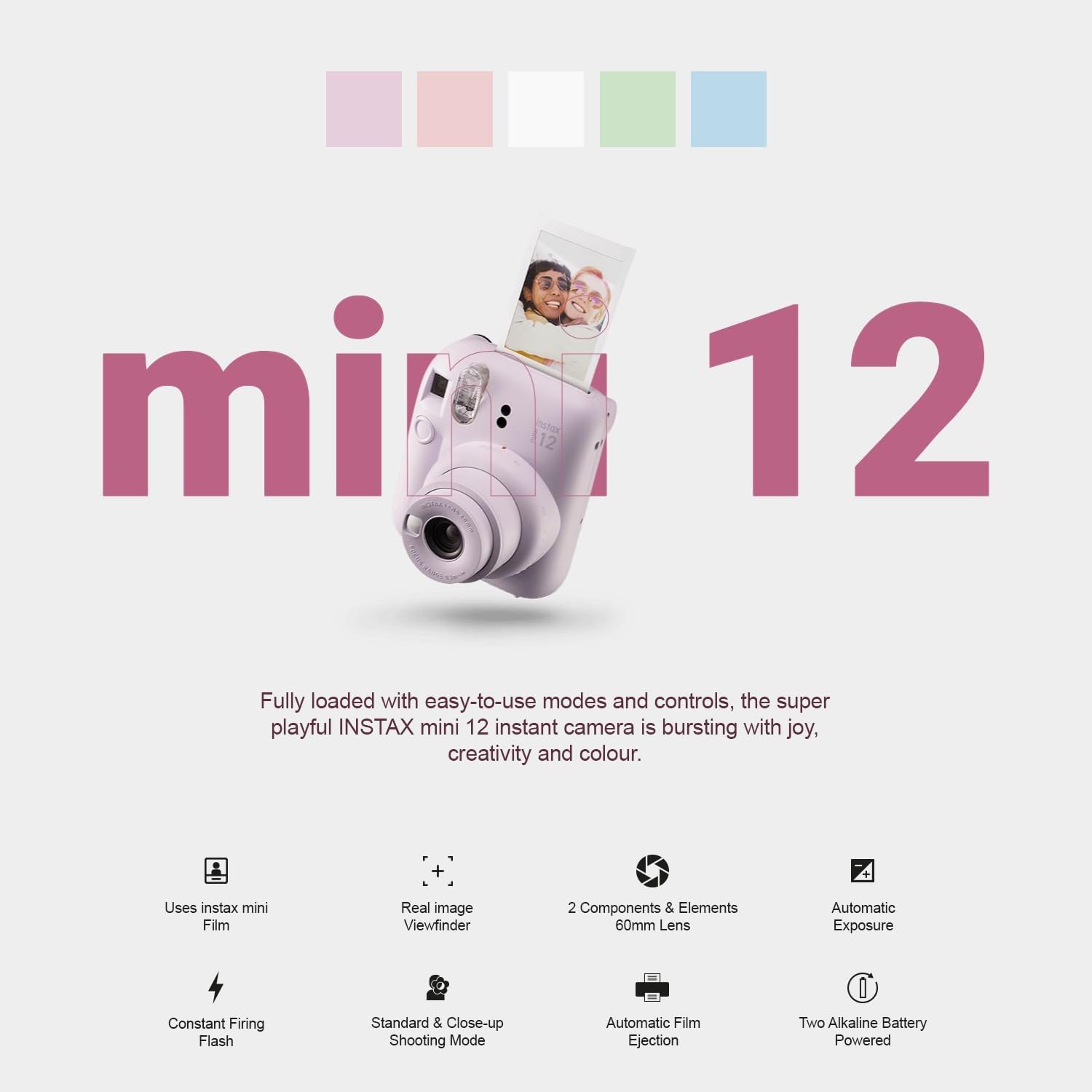
Entry level models such as the Fujifilm Instax Mini 12 focus on simplicity and playful design. You get a fixed lens, automatic exposure, and a bright body colour, which together create an instant camera experience that feels friendly for children and adults who have never handled film. These cameras will not offer manual controls, but they reward point and shoot behaviour with consistent images in daylight or under indoor lamps.
Step up to hybrid instant designs like the Fujifilm Instax Mini Evo and you gain far more flexibility. The Mini Evo combines a digital sensor with Instax Mini film, letting you preview images on a screen and print only the frames you love, which saves money on film over time. This hybrid instant approach also allows creative filters and lens effects, so the same camera Instax body can produce classic monochrome prints one moment and vivid colour images the next.
Another creative option is the Fujifilm Instax Mini LiPlay, often written as mini Liplay or Liplay Instax in product listings. This hybrid instant camera records sound clips with each shot and prints a QR code on the Instax Mini film, so scanning the link will replay the audio and deepen the memory. For social gatherings, this feature turns simple prints into interactive keepsakes that feel more personal than standard instant photos.
If you already own a digital camera or even a smartphone with strong video features such as a 4K vlogging camera, an Instax Mini printer might suit you better than another camera body. Devices like the Mini Link or later Mini Link 2 connect to your phone, letting you send favourite images to Instax Mini film without carrying a second camera Instax device. This separation keeps your serious shooting on one camera while the Instax product handles only the fun prints.
Within the Mini range, the best Instax choice depends on whether you value spontaneity or control. Pure instant camera models such as the Mini 12 keep the process tactile and unpredictable, while hybrid instant options like the Mini Evo and Mini LiPlay give you a safety net through digital previews. Either way, the combination of compact design, accessible film prices, and charming prints explains why Instax Mini cameras dominate budget friendly instant photography.
Instax Square and Instax Wide: bigger prints for creative storytellers
Moving beyond the Mini format opens up new creative options with Instax Square and Instax Wide cameras. An Instax Square camera uses film that is closer to the classic one by one ratio, which many photographers associate with medium format images and social media feeds. This square Instax film type gives more room for composition while still keeping the camera body relatively compact.
The Fujifilm Instax Square SQ1 and SQ40 are straightforward instant camera models that prioritise ease of use. Each camera Instax body in this line offers automatic exposure, a simple lens, and a clean design, so you can focus on framing rather than settings and still get balanced prints. For people who want the best Instax cameras for portraits, the square format flatters faces and keeps background distractions under control.
Instax Wide cameras take a different path, using Instax Wide film that stretches horizontally. This wide Instax format is ideal for group photos, landscapes, and table scenes at weddings, where a single instant camera shot can include many people without feeling cramped. The prints are physically larger than both Instax Mini and Instax Square, which makes them perfect for albums, scrapbooks, or wall displays.
Hybrid instant technology is slowly reaching these larger formats as well, with concepts such as wide Evo and link wide appearing in Fujifilm roadmaps and enthusiast discussions. While the Mini Evo is currently the most visible hybrid instant model, many users hope for a future wide Evo that combines a digital sensor with Instax Wide film for more selective printing. Until that arrives as a finished product, pairing a phone with a Link Wide printer already gives a similar experience by letting you choose which images deserve those big wide prints.
For creators who also shoot high resolution video, an Instax Wide or Instax Square setup can complement a dedicated 8K camcorder such as the one reviewed in this 8K video camera test. You capture detailed moving images with the digital camera, then use a Link Instax or Link Wide printer to turn selected frames into tangible instant prints. This workflow keeps your serious production separate while still enjoying the tactile charm of Instax cameras.
Among budget buyers, the main trade off between Instax Square and Instax Wide is film cost versus impact. Square prints are cheaper and the cameras are smaller, which suits travel and everyday carry, while wide prints cost more but create a stronger visual statement on a wall or in a guest book. If you want the best Instax balance, many photographers start with a Mini camera and later add either an Instax Square or Instax Wide model once they understand their favourite shooting situations.
Hybrid Instax cameras and printers: stretching a tight budget further
Hybrid instant cameras such as the Fujifilm Instax Mini Evo and Mini LiPlay are powerful tools for budget conscious photographers. These hybrid instant designs capture digital images first, then let you decide which frames deserve Instax Mini prints, which dramatically reduces wasted film. Over months of use, that selective printing can make a Mini Evo or Mini LiPlay cheaper to run than a basic instant camera that prints every shot automatically.
The Mini Evo stands out among the best Instax cameras because it blends retro design with modern control. You get a small lens dial that simulates different optical effects, a film dial that applies colour filters, and a rear screen that previews images before printing, which together create a playful yet efficient shooting experience. While the camera does not offer full manual controls like a mirrorless body, it gives enough flexibility to handle bright sun, indoor scenes, and creative low light shots.
Mini LiPlay takes a slightly different approach by focusing on audio and social sharing. This Liplay Instax model records short sound clips with each exposure, then prints a QR code on the Instax Mini film that acts as a link to the audio file. Friends can scan that link Instax code with a phone and hear your message while viewing the print, turning simple images into multi layer memories.
Instax printers such as the Mini Link, Link Wide, and the Square Link extend this hybrid instant philosophy to any digital camera or smartphone. You shoot with your preferred device, edit the images, then send only the best frames to Instax film through the printer, which keeps film usage efficient and intentional. For many users, this combination of a serious digital camera and a compact Instax printer offers the best Instax experience in terms of both quality and cost.
Some enthusiasts even pair cinematic tools with Instax gear, using cameras marketed for evo cinema style video and then printing stills as instant souvenirs. While the phrase evo cinema is often used loosely in marketing, the idea is simple, you capture high quality moving images and then extract still frames that become Instax prints. This workflow shows how an instant camera or printer can complement, rather than replace, your main digital system.
When you compare hybrid instant products with classic Instax cameras, the upfront price is higher but the long term economics can be favourable. Printing only your favourite images means each pack of film lasts longer, and the digital files provide a backup if a print is lost or damaged. For budget buyers who still want creative control, a Mini Evo, Mini LiPlay, or one of the Link Instax printers often represents the smartest investment.
Image quality, lenses, and manual controls on Instax cameras
Instant photography has its own aesthetic, but image quality still matters when you compare the best Instax cameras. Every Instax camera uses a relatively simple lens and a small flash, yet differences in optical design and exposure logic can change how sharp your prints look and how well faces are exposed. Understanding these limits helps you choose the right instant camera for your expectations.
Most entry level Instax Mini, Instax Square, and Instax Wide cameras rely on fixed focus lenses. These lenses are optimised for typical portrait distances, so group shots at one to three metres look sharp, while very close subjects may appear soft unless the camera offers a dedicated close up mode or a clip on lens accessory. If you care about crisp images, check the minimum focus distance and whether the product includes any macro or selfie features.
Hybrid instant models such as the Mini Evo and Mini LiPlay use digital sensors and internal processing to refine images before printing. The camera Instax software can brighten shadows, tame highlights, and add contrast, which often makes prints from these hybrid instant cameras look more polished than those from purely optical designs. You still get the grain and texture of Instax film, but the underlying digital file gives the system more flexibility.
Manual controls are limited across the Instax range, yet some models offer useful tweaks. Certain cameras provide exposure compensation, letting you nudge the image brighter or darker, while others include dedicated modes for indoor scenes, kids, or landscapes, which effectively act as semi manual controls. If you often shoot in mixed lighting, choosing an Instax camera with at least basic manual controls will help you avoid washed out highlights or muddy shadows.
Lens design also affects how your images feel emotionally. A wider lens on an Instax Wide camera exaggerates perspective and suits group shots or travel scenes, while the slightly tighter lens on many Instax Mini cameras flatters faces and keeps backgrounds less dominant. When reviewers talk about the best Instax cameras, they often highlight how the lens and film type interact to create a signature look that either matches or clashes with your personal style.
For people who already own a digital camera with advanced manual controls, an Instax printer can be the perfect bridge between precision and spontaneity. You can shoot raw files, adjust exposure and colour carefully, then send the final images to a Mini Link, Link Wide, or Square Link for instant prints. This approach lets you enjoy the tactile Instax experience without giving up the creative control you expect from a serious camera system.
Practical buying tips and value picks among top Instax cameras
Choosing among the best Instax cameras becomes easier when you match specific models to clear use cases. For casual snapshots and family events, a simple Instax Mini camera such as the Mini 12 or its successors offers the right mix of price, portability, and straightforward operation. These cameras keep the product design uncluttered, so anyone can pick them up and start creating instant prints within minutes.
If you want more creative control without leaving the Instax ecosystem, the Fujifilm Instax Mini Evo is a standout choice. Its hybrid instant design, digital preview, and playful filter system make it one of the best Instax products for people who care about both efficiency and style, especially when film prices are rising. Pairing the Mini Evo with a smartphone also lets you print external images through the camera, turning it into a flexible link between digital and analog worlds.
For social gatherings, weddings, or travel scrapbooks, Instax Wide cameras deserve serious attention. The larger Instax Wide film type creates prints that feel generous and easy to share, and the wide lens captures groups without forcing people to squeeze together awkwardly. While the cameras lack deep manual controls, their automatic exposure is tuned for people centric scenes, which is exactly what most buyers need.
People who already own a capable digital camera or even a compact model with USB C charging, such as those highlighted in this guide to top digital cameras with USB C, may find more value in Instax printers than in another camera body. A Mini Link, Link Wide, or Square Link printer turns any saved image into an instant print, which means you can shoot once and reuse the same images across social media, albums, and physical displays. This strategy stretches your budget because you invest in one main camera and use Instax products only for final output.
When comparing prices, remember that film cost over a year often exceeds the initial camera price. A cheaper camera Instax body with expensive film can become more costly than a premium hybrid instant model that lets you print selectively, especially if you shoot frequently. For budget buyers, tracking how many packs of film you expect to use each month is the most honest way to judge long term value.
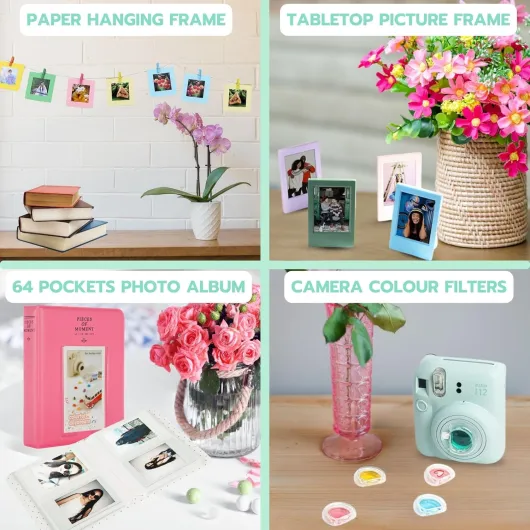
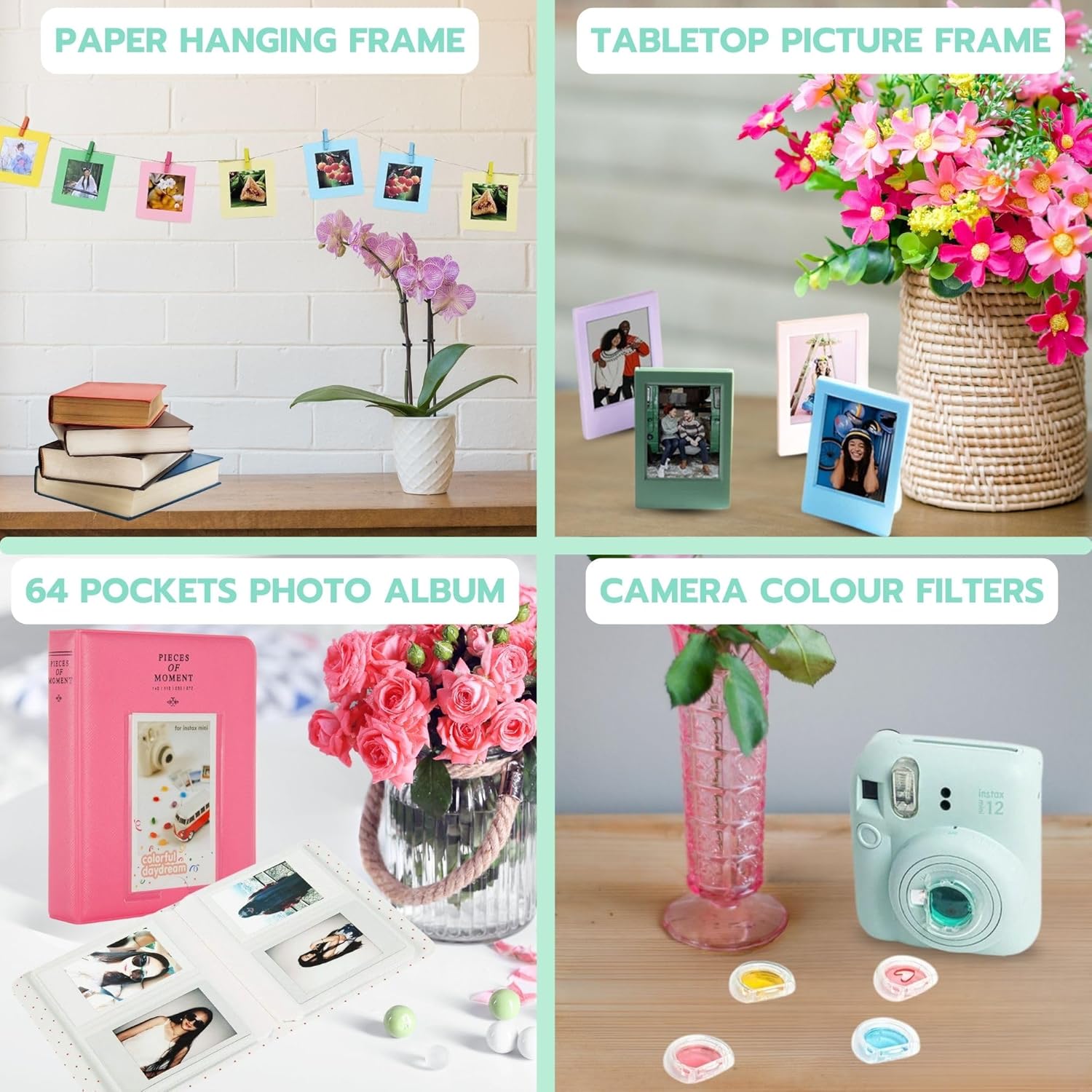
Finally, think about how you will store and share your prints. Albums, frames, and protective sleeves add small extra costs, yet they also protect your images and make the instant experience feel more intentional. The best Instax cameras are not only about specifications, they are about how comfortably they fit into your life, your budget, and the stories you want to tell with tangible photographs.
Key figures about Instax cameras and instant photography
- Fujifilm reported that Instax product shipments exceeded ten million units globally in a recent financial year, showing how strong demand remains for instant cameras compared with many compact digital models.
- Industry analysts note that Instax film sales have grown at a faster rate than digital camera shipments, with some estimates suggesting double digit percentage growth over several consecutive years, while overall camera markets have contracted.
- In consumer surveys, more than half of respondents who own an instant camera say they use it primarily for social events and travel, which explains why Instax Mini and Instax Wide formats dominate party and wedding photography.
- Retail pricing data from major European and Asian markets shows that entry level Instax Mini cameras often cost less than 100 euros, while hybrid instant models such as the Mini Evo and Mini LiPlay typically sit in the 150 to 220 euro range.
- Cost per shot calculations indicate that Instax Mini film is usually around 20 to 30 percent cheaper per print than Instax Square or Instax Wide film, which is why budget buyers often start with Mini format before exploring larger prints.
References
- Fujifilm official Instax product pages and financial reports
- Retail pricing and sales data from major camera retailers such as B&H Photo and Wex Photo Video
- Market analysis from industry research firms covering instant camera and film sales