Key features that define the best Bluetooth digital cameras
When you compare the best Bluetooth digital cameras, start with how they handle image quality rather than just wireless tricks. A strong sensor and a sharp lens matter more than any app, because no amount of Bluetooth convenience can rescue a soft or noisy photo. Look for a compact camera or interchangeable lens camera that balances resolution, dynamic range, and low light performance with the way you actually shoot.
Optical zoom is another pillar, especially if you often photograph distant subjects such as wildlife, stage performances, or sports. A camera with a 10x or 20x optical zoom lens keeps image quality high while a purely digital zoom simply crops the photo and reduces detail. For many people, a modest zoom range combined with a bright wide angle lens around 24 millimetres equivalent offers the best mix of flexibility and performance.
Screen design also shapes how you use Bluetooth features in real life. A tilting or fully articulating screen makes it easier to frame yourself when using a vlogging camera, then review photos before sending them to your phone. Touch enabled screens simplify menu navigation, which matters when you quickly enable Bluetooth pairing or adjust video settings during a fast paced shoot.
Battery life deserves close attention because Bluetooth and Wi‑Fi both draw power during long shooting days. Some cameras now charge over USB‑C, which is convenient if you already carry a power bank for your phone and want a digital camera with USB‑C charging for travel. If you often film long video clips or use the camera as a video camcorder, consider buying a spare battery and a large memory card to avoid interruptions.
Connectivity options extend beyond Bluetooth, and the best Bluetooth digital cameras usually combine several standards. You might see NFC for quick pairing, Wi‑Fi for large file transfers, and Bluetooth for always on control, which together create a flexible workflow. For a deeper look at models that combine fast autofocus with modern ports, you can review this guide to top digital cameras with USB C and then shortlist the ones that also include robust Bluetooth features.
Finally, think about ergonomics and handling, because a camera that feels awkward will stay in a drawer no matter how advanced its Bluetooth system. Try the grip, button layout, and menu logic in person if possible, or read detailed user feedback that describes real shooting experiences. A well designed camera body, whether a small point and shoot or a larger mirrorless model, lets you focus on photography instead of fighting the controls.
Choosing between compact cameras, point and shoot models, and larger systems
People searching for the best Bluetooth digital cameras often hesitate between compact cameras, simple point and shoot models, and more advanced interchangeable lens systems. Each category serves a different style of photography, and the right choice depends on how you balance portability, image quality, and control. Thinking clearly about your habits before you buy will save you money and frustration later.
Compact camera designs with built in lenses are ideal for travel, family events, and casual street photography where you value discretion. These cameras slip easily into a jacket pocket yet still offer better image quality than most phones, especially in low light or when you need more optical zoom. Many modern compact cameras include Bluetooth, Wi‑Fi, and a tilting screen, which together make them excellent shoot cameras for people who want simplicity without giving up creative options.
Point and shoot cameras sit at the most accessible end of the spectrum, focusing on automatic modes and minimal controls. If you mainly want to capture quick snapshots, a point and shoot camera with Bluetooth can send each photo to your phone while you enjoy the moment. This type of camera is also a gentle step up for someone moving from a film camera, because the automatic exposure and focus systems handle most decisions.
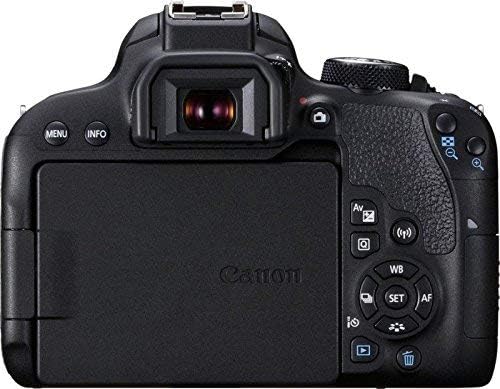
Interchangeable lens cameras, whether mirrorless or DSLR, offer the greatest flexibility for serious photography and video work. You can attach wide angle lenses for landscapes, fast primes for portraits, or telephoto lenses for distant subjects, then use Bluetooth to transfer selects to your phone for immediate sharing. These systems cost more and require more learning, but they reward careful shooting with superior image quality and better control over depth of field.
Some brands, such as Ricoh, focus on niche strengths like street photography, where a compact camera with a fixed wide angle lens and discreet design excels. A Ricoh digital camera with Bluetooth lets you keep the camera at the ready while your phone stays in your pocket, then sync images later over a low power connection. For photographers who value subtlety, this combination of small size, fast handling, and wireless transfer can be more appealing than a bulky video camcorder or large zoom camera.
When you compare different categories, pay attention to how each handles video as well as stills. A vlogging camera with a front facing screen, clean HDMI output, and reliable Bluetooth control will serve content creators better than a basic point and shoot camera, even if both claim similar megapixel counts. For more detail on resolution and sensor performance, you can consult this overview of top 30 megapixel digital cameras and then narrow the list to models that also include strong wireless features.
Building a camera comparison tool tailored to Bluetooth features
A thoughtful camera comparison tool helps you evaluate the best Bluetooth digital cameras without drowning in technical jargon. Instead of scanning endless spec sheets, you can filter cameras by Bluetooth version, wireless app quality, and how quickly they transfer a typical photo. This structured approach is especially useful for people who care about workflow as much as pure image quality.
Start by defining the criteria that matter most for your own photography and video habits. For some, the priority is a compact camera that pairs instantly and sends small photo previews for social media, while others need a robust vlogging camera that can transfer long video clips. Your comparison tool should let you rank features such as Bluetooth stability, app usability, and background transfer speed alongside classic metrics like sensor size and optical zoom range.
Next, include real world scenarios in the comparison rather than only laboratory numbers. For example, test how long it takes to move a batch of street photography images from the camera to a phone over Bluetooth and Wi‑Fi, then note whether the process remains reliable over a full month of use. You might also compare how different cameras handle remote shooting from a phone screen, which is crucial for solo creators who film themselves.
It helps to track accessories in the same tool, because Bluetooth features interact with items like memory cards and lenses. A camera that supports fast UHS‑II memory cards will clear its buffer more quickly, making it easier to shoot bursts and then transfer selects over Bluetooth without waiting. Likewise, a body that works well with both wide angle lenses and telephoto lenses gives you more flexibility when you plan a shoot around distant subjects.
Autofocus performance should appear prominently in any comparison, since it affects both still photography and video. If you care about fast action or moving subjects, consult resources that focus on top digital cameras with fast autofocus and then cross reference those models with their Bluetooth capabilities. This method ensures you do not sacrifice focus reliability just to gain wireless convenience.
Finally, remember that a comparison tool is only as useful as the data you feed into it. Update your list of cameras regularly, note whether each model is eligible for free delivery from major retailers, and track price changes over time so you know when a camera becomes a better value. By combining hard numbers with notes about handling, app quality, and long term reliability, you create a resource that genuinely helps people choose the right Bluetooth enabled camera.
Buying safely online: pricing, delivery, and payment details
Shopping online for the best Bluetooth digital cameras can be convenient, but it also demands careful attention to pricing and delivery terms. Large platforms such as Amazon often highlight when a camera is eligible for free delivery, which can tip the balance between two similar models. Always read the fine print, because free shipping may apply only to certain sellers or require a minimum basket value.
Product pages sometimes mention specific delivery windows, such as an estimated arrival by a particular Friday in June, which might appear as a shorthand like Fri Jun in order summaries. These estimates help you plan for an upcoming trip or a scheduled shoot, especially if you need time to test the camera before important photography work. If timing is critical, consider paying a little more for faster shipping rather than risking delays with the cheapest option.
Payment methods also influence your overall experience and protection level. Using a credit card can provide extra safeguards, including chargeback rights if the camera never arrives or differs significantly from the description. Some cards even offer extended warranty coverage on digital camera purchases, which is valuable when you invest in a higher end vlogging camera or a versatile compact camera.
When comparing prices, factor in the cost of essential accessories such as a memory card, spare battery, and possibly an extra lens if you choose an interchangeable lens system. A bundle that includes a fast memory card and a protective case might be better value than a slightly cheaper body only offer with no extras. Remember that a good lens often outlasts a camera body, so it can be wise to allocate part of your budget to quality lenses rather than chasing every minor camera update.
Pay attention to return policies and warranty terms, especially for imported cameras or models sold through third party marketplaces. Check whether the manufacturer’s warranty applies in your country and whether you must register the camera within a certain month after purchase. A clear return window gives you time to test Bluetooth connectivity, low light performance, and overall handling in your own shooting conditions.
Finally, be wary of deals that seem too good to be true, particularly on high demand compact cameras or premium lenses. Extremely low prices may signal grey market imports without local support, refurbished units sold as new, or even counterfeit accessories such as memory cards that fail under heavy shooting. A slightly higher price from a reputable retailer with transparent policies is usually a safer path when you rely on your camera for important photo and video work.
Practical shooting tips for Bluetooth enabled cameras
Once you own one of the best Bluetooth digital cameras, the next step is learning how to integrate wireless features into your shooting routine. Start by pairing the camera with your phone and configuring automatic transfer for small JPEGs while keeping full resolution files on the memory card. This approach lets you share a photo quickly while preserving maximum image quality for later editing on a computer.
During street photography sessions, consider using your phone as a discreet remote control and viewing screen. You can place the compact camera at waist level, frame the scene on your phone, and trigger the shutter without drawing attention, which often results in more natural expressions. Bluetooth keeps the connection alive while Wi‑Fi handles bursts of images when you finish the shoot and return to a stable signal.
For low light situations such as evening cityscapes or indoor events, a tripod and remote shooting app become powerful allies. Mount the camera, compose with a wide angle lens if you want to include more of the scene, then trigger the exposure from your phone to avoid camera shake. This technique works equally well for long exposure photography and for recording video clips where you need to start and stop without touching the camera body.
Content creators using a vlogging camera can benefit from Bluetooth in several ways beyond simple file transfer. Many apps allow you to monitor audio levels, adjust exposure, and even switch between photo and video modes from your phone while you stand in front of the lens. This saves time, reduces mistakes, and makes solo production more efficient than constantly walking back to the camera between takes.
Travel photographers should also think about backup strategies that combine Bluetooth with other tools. While Bluetooth is convenient for moving a curated selection of images to your phone each day, it is still wise to copy the full contents of the memory card to a laptop or portable drive whenever possible. That way, you keep a free and redundant archive of your work in case the camera, phone, or card fails during a long trip.
Finally, remember that technology should support your creativity rather than dictate it. Use Bluetooth to streamline repetitive tasks such as sharing, backing up, and remote control, then focus your energy on composition, timing, and storytelling. Whether you shoot with a small point and shoot camera, a Ricoh street photography specialist, or a larger system with multiple lenses, the goal remains the same, to create meaningful images that outlast any single device.
Key figures about Bluetooth digital cameras
- Major camera brands increasingly treat Bluetooth connectivity as a standard feature on new interchangeable lens cameras, reflecting strong demand for seamless pairing with smartphones and tablets.
- Consumer feedback on recent compact cameras frequently cites wireless transfer, including Bluetooth, as a deciding factor alongside image quality and price when choosing between similar models.
- Independent hands on tests by reviewers commonly show that automatic background transfer of small JPEGs over Bluetooth and Wi‑Fi can move a typical day’s shooting to a phone in just a few minutes on many recent cameras.
- Battery endurance tests indicate that enabling Bluetooth usually reduces overall shooting time only slightly compared with wireless disabled, a modest trade off for continuous connectivity in most real world scenarios.
- Retail data from major online platforms suggests that cameras promoted with Bluetooth connectivity and clear delivery terms often sell through faster than comparable non connected models in the same price bracket.