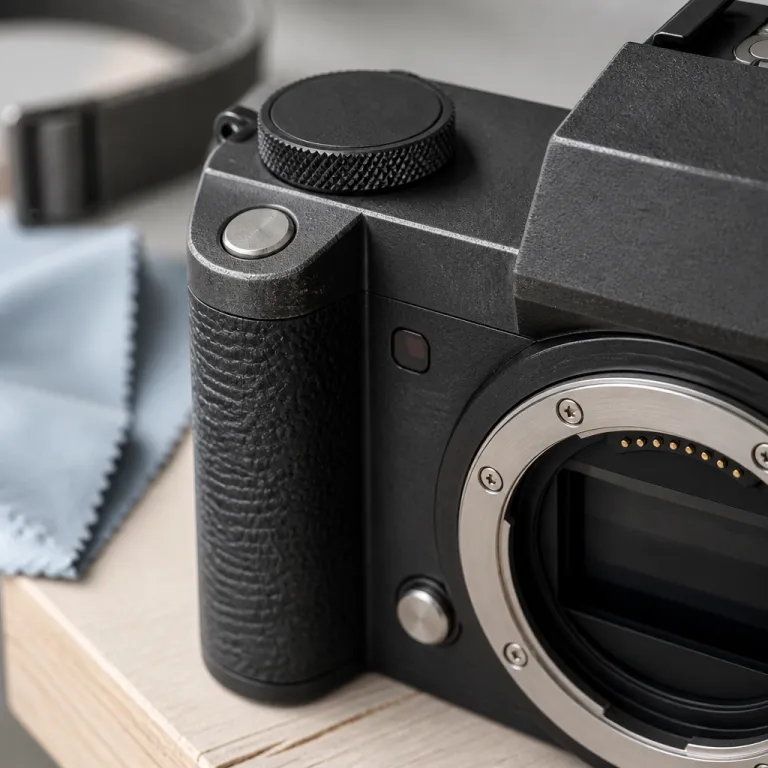

Leica SL2 as a mirrorless camera for serious image makers
The Leica SL2 is a full frame mirrorless camera built for photographers who demand robust control and refined image quality. This Leica camera uses a 47.3 megapixel full frame sensor that pairs with L mount lenses to create a system that feels both modern and rooted in the heritage of Leica cameras. For anyone comparing mirrorless cameras, the SL2 will stand out as a camera body that prioritizes handling, low light performance, and a clear photographic workflow.
At the heart of the Leica SL2 sits a full frame sensor that delivers detailed image files with generous dynamic range and flexible ISO settings. Independent tests from sources such as DXOMARK report a measured dynamic range in the region of 14 stops at base ISO, which helps explain the way the camera holds highlight detail and shadow information in demanding scenes.1 Photographers who shoot in challenging light will appreciate how the camera maintains image quality at higher ISO values, especially when paired with fast Leica lenses or a bright Sigma Art lens.
The SL2 body is milled from solid metal, giving this Leica mirrorless camera a reassuring density without feeling unwieldy in the hand. The weather sealed chassis is rated to IP54 according to Leica’s published specifications, which means it can tolerate dust and splashes when you work outdoors.2 Every physical button is clearly defined, with customizable options that let you assign your preferred focus mode, ISO control, or video settings to dedicated controls. This type of tactile interface encourages direct, responsive operation, because you can react quickly to changing light and subject movement instead of diving into menus while the moment slips away.
Handling, focus modes, and the role of lenses on the Leica SL2
Handling defines whether a camera will support or hinder your way of working, and the Leica SL2 takes this seriously with a deep grip and intuitive button layout. The 5.76 million dot electronic viewfinder offers a clear, detailed preview that makes manual focus and exposure judgment straightforward. Autofocus performance has improved significantly compared with earlier Leica cameras, offering face and eye detection modes that help you shoot portraits, street scenes, or fast moving subjects with more confidence. When you combine these focus options with the right lens, the camera becomes a precise tool that responds quickly to your intent rather than forcing you to adapt to its limitations.
The L mount ecosystem means the Leica SL2 can use native Leica lenses, Panasonic Leica Lumix lenses, and third party optics such as Sigma Art lenses without adapters. This variety of mount lenses lets you choose between compact primes, the Leica Vario Elmarit zooms, or specialized lenses for video work, all while maintaining full communication with the camera body. For photographers stepping up from smaller cameras, this type of system flexibility can feel like a genuine turning point, revealing how much creative range a single mirrorless camera can offer.
Autofocus modes on the SL2 include single point, zone, and tracking, and each mode will suit a different shooting scenario. In continuous AF, Leica states that the camera can sustain up to 6 frames per second with full autofocus and auto exposure, or up to 20 frames per second with focus locked, which is useful for action sequences.2 A dedicated focus button and joystick make it easy to move the focus point while you compose, which is crucial when working with shallow depth of field on a full frame sensor. If you are comparing this Leica mirrorless body with a more compact Micro Four Thirds kit such as the OM D E M10 Mark IV, a detailed mirrorless camera test can help clarify how sensor size, autofocus behavior, and lens options translate into real world image quality.
Image quality, low light performance, and video capabilities
Image quality is where the Leica SL2 earns its reputation among demanding photographers and videographers who expect consistent results. The combination of a high resolution full frame sensor, sophisticated image stabilization rated at up to 5.5 stops, and premium Leica lenses produces image files with rich color, nuanced contrast, and impressive micro detail.2 Whether you shoot stills or video, the camera will reward careful technique with files that hold up to large prints, tight crops, and professional grading workflows.
Low light performance is a critical factor for any modern camera, and the Leica SL2 handles dim environments with confidence thanks to its stabilized sensor and clean high ISO output. The native ISO range of 100 to 50,000 gives you flexibility when you balance shutter speed and aperture in difficult conditions. When paired with a fast Leica Vario Elmarit zoom or a bright Sigma Art prime, the camera can shoot handheld at slower shutter speed values while still preserving sharpness and accurate color. This combination of optical and sensor based image stabilization means you can work in available light situations such as night streets in Los Angeles or indoor events across the United States without resorting immediately to flash.
Video tools on the Leica SL2 include high resolution recording, flat profiles for grading, and reliable autofocus that tracks subjects smoothly across the frame. The camera can record 4K video up to 60p and offers 10 bit internal recording with Log profiles, supporting more demanding color correction and finishing workflows.2 For solo creators who are evaluating whether a cinema camera or a mirrorless camera will serve them better, the SL2 sits in a space where hybrid work feels natural rather than compromised. The broader shift in the industry, where the line between cinema and mirrorless cameras is fading, makes a body like the Leica SL2 particularly relevant for those who need one tool for both polished video and high end still image production.
Leica SL2 in real world use from studio to streets
In studio environments, the Leica SL2 behaves like a precision instrument where every control and every lens choice will influence the final image. Tethered shooting, consistent color response, and the ability to fine tune ISO, shutter speed, and focus mode make it a strong partner for commercial photographers who must deliver predictable quality. When you mount lenses such as Leica Vario Elmarit zooms or fast Leica lenses, the camera body becomes a stable platform that translates careful lighting setups into crisp, detailed image files.
On the streets of cities like Los Angeles, the same Leica camera feels very different, becoming a responsive companion for documentary and street work. During a long afternoon walk, for example, the combination of the SL2 and a compact 35mm lens lets you move quickly between bright storefronts and deep shade without constantly adjusting settings, because the stabilization and dynamic range absorb small exposure errors. The robust build, weather sealing, and effective image stabilization allow you to shoot in changing light, from harsh midday sun to low light neon scenes, without worrying about the camera failing. Many photographers in the United States appreciate how the SL2 balances discreet operation with a reassuring heft, which encourages slower, more deliberate composition while still letting you react quickly when a scene appears as a fleeting gesture or a shaft of light.
Travel photographers often compare the Leica SL2 with smaller mirrorless cameras when deciding what to carry on long assignments. While the SL2 and its full frame lenses are not the lightest combination, the trade off is superior image quality, smoother tonal transitions, and better low light performance than most compact cameras can offer. If you are weighing these compromises for family trips or personal projects, a guide on how to choose the right family camera can help you clarify whether a Leica mirrorless body aligns with your priorities or whether a smaller type of camera might suit your everyday needs.
Menu logic, custom modes, and practical setup tips
Spending time with the Leica SL2 menus reveals a logic that favors photographers who like to customize their camera deeply. The touchscreen interface and clearly labeled tabs make it relatively easy to reach core exposure and autofocus settings. You can assign frequently used functions such as ISO, focus mode, and video settings to specific button positions, which means the camera will adapt to your habits instead of forcing you into a fixed workflow. Once these options are dialed in, the SL2 becomes a tool that fades into the background, letting you concentrate on light, timing, and composition.
Custom user profiles on the Leica SL2 allow you to store different setups for stills, video, studio flash work, or fast reportage shooting. For example, one profile might prioritize low light performance with higher auto ISO limits, slower minimum shutter speed, and continuous autofocus, while another profile keeps ISO low and uses single autofocus for controlled portraits. Switching between these modes with a single button delivers flexible control, especially when you move quickly between different types of assignments during a single day.
Photographers coming from other Leica cameras or from Leica Lumix bodies will find some familiar menu structures, but the SL2 adds more granular control over image quality parameters. You can fine tune noise reduction, sharpening, and color rendering to match your preferred workflow, whether you rely heavily on JPEGs or primarily shoot RAW for post production. A thoughtful review of your own habits before setting up the camera will help you decide which options deserve a dedicated button and which can remain deeper in the menu, ensuring that the Leica mirrorless experience feels tailored rather than generic.
Who the Leica SL2 is for and how it compares
The Leica SL2 is not aimed at casual users who want a small camera for occasional snapshots, because its size, weight, and price reflect a professional oriented design. It suits photographers who value a solid camera body, consistent image quality, and the tactile pleasure of working with Leica lenses or high end Sigma Art glass on a full frame sensor. If you are primarily interested in compactness or automatic everything shooting, other cameras will likely serve you better than this Leica mirrorless system.
Compared with many mirrorless cameras from other brands, the Leica SL2 emphasizes build quality, straightforward ergonomics, and a cohesive ecosystem of Leica cameras and lenses. The 5 axis in body image stabilization keeps handheld shots sharp at slower shutter speed values, while the 47.3 megapixel sensor provides ample resolution for large prints and detailed crops. When you mount lenses such as the Leica Vario Elmarit zooms or fast primes, the combination delivers a level of image quality that appeals to photographers who print large, crop heavily, or work on high end editorial and commercial assignments.
For buyers across the United States who are considering a Leica camera for the first time, it helps to think of the SL2 as a long term investment rather than a disposable gadget. The L mount alliance ensures that mount lenses from Leica, Leica Lumix partners, and Sigma will continue to expand, giving you more options over time without replacing the core camera body. Reading a detailed review and, if possible, renting the camera for a weekend shoot will give you a clearer sense of whether the Leica SL2 aligns with your way of seeing, your preferred type of subjects, and your expectations for both still image and video performance.
Key figures and market context for full frame mirrorless cameras
- According to CIPA shipment data, mirrorless cameras recently surpassed DSLR bodies in global unit sales, reflecting a structural shift toward systems like the Leica SL2 that offer advanced autofocus, video features, and compact lens ecosystems.3
- Industry reports from firms such as BCN Retail show that full frame cameras now account for a growing share of interchangeable lens camera revenue, underlining why brands invest heavily in full frame sensor development and image stabilization technologies.4
- Market analyses from the United States indicate that hybrid creators who shoot both stills and video represent one of the fastest growing customer segments, which aligns with the Leica SL2 design that combines high resolution still image quality with robust video modes.
- Lens sales data from the L mount alliance partners suggest a steady expansion of native mount lenses, including Leica lenses, Leica Lumix options, and Sigma Art designs, giving photographers more focal length choices without relying on adapters.
FAQ about the Leica SL2 and related mirrorless cameras
Is the Leica SL2 suitable for low light photography
The Leica SL2 is well suited to low light photography thanks to its full frame sensor, effective in body image stabilization, and clean high ISO performance. When paired with fast Leica lenses, Leica Vario Elmarit zooms, or Sigma Art primes, the camera can maintain sharpness at slower shutter speed settings while preserving color and detail. This combination makes it a strong choice for night street work, indoor events, and available light portraits.
How does the Leica SL2 compare with smaller mirrorless cameras
Compared with smaller mirrorless cameras, the Leica SL2 offers a larger full frame sensor, a more substantial camera body, and access to premium Leica lenses and other L mount lenses. The trade off is increased size and weight, which some photographers accept in exchange for higher image quality, smoother tonal transitions, and better low light performance. Those who prioritize portability above all else may prefer a more compact camera, while photographers focused on maximum image quality often lean toward the SL2.
Can the Leica SL2 be used as a primary video camera
The Leica SL2 can serve as a primary video camera for many solo creators and small production teams, especially when combined with stabilized lenses and external audio solutions. It offers high resolution recording, flat profiles for grading, and autofocus modes that track subjects reliably, which together support professional workflows. Filmmakers who need advanced cinema specific features such as built in ND filters or specialized codecs may still choose a dedicated cinema camera, but many hybrid shooters find the SL2 sufficient for both video and stills.
What lenses work best on the Leica SL2
The Leica SL2 uses the L mount, so it works with native Leica lenses, Leica Vario Elmarit zooms, Leica Lumix alliance lenses, and Sigma Art lenses designed for this mount. For general photography, a Vario Elmarit standard zoom paired with a fast prime offers a flexible starting kit that balances image quality and versatility. Specialists such as portrait, landscape, or documentary photographers can then add specific mount lenses that match their preferred focal lengths and working distances.
Is the Leica SL2 a good choice for photographers in the United States
For photographers in the United States who value build quality, long term system investment, and high end image quality, the Leica SL2 is a compelling option. Service networks, rental availability in major cities like Los Angeles, and the growing range of L mount lenses make ownership more practical than in the past. Prospective buyers should still handle the camera in person and, if possible, rent it for a short period to ensure that its size, weight, and control layout match their expectations.
Notes: 1 DXOMARK data for the Leica SL2 sensor; 2 Leica Camera AG published specifications for the SL2; 3 CIPA (Camera & Imaging Products Association) shipment statistics; 4 BCN Retail market share reports for interchangeable lens cameras.