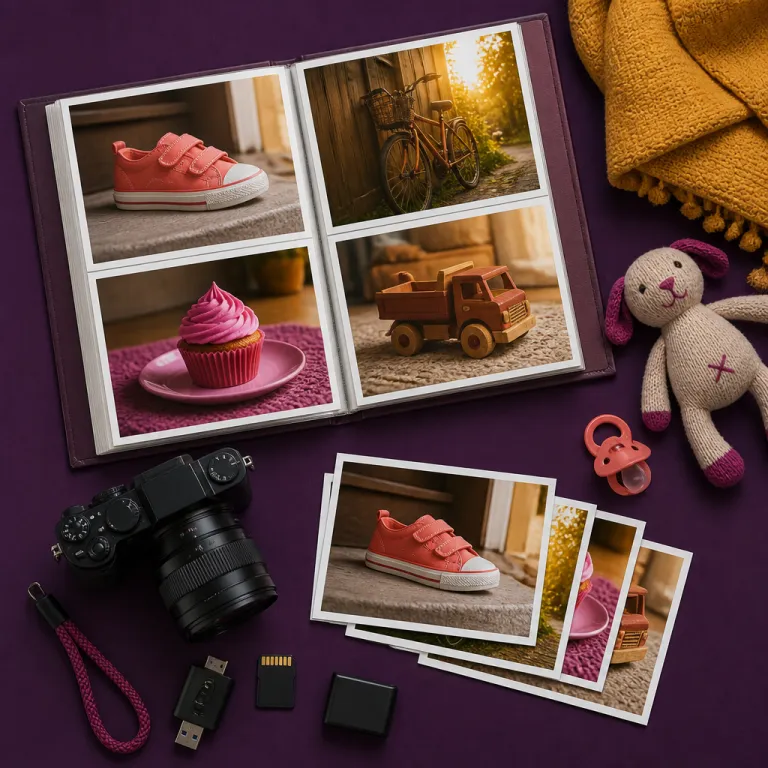
What makes a camera truly suited to family life
A genuine family camera must balance ease of use with solid image quality. For busy parents and active kids, the best cameras feel invisible in the hand while still delivering sharp photos and reliable autofocus in changing light. A good camera family setup will also include simple menus, strong battery life, and a compact body that actually fits into a small bag.
When people compare a digital camera to a smartphone, they often underestimate how a larger sensor and better lenses transform family photography. Even an affordable point and shoot camera with basic image stabilization will outperform most phones once the sun goes down or the kids start running indoors. If you want the best camera for family photos, prioritise a responsive shutter, dependable autofocus, and a lens that stays reasonably bright across its zoom range.
Families who value video as much as still photos should check how smoothly a camera records Full HD or 4K clips. A modern mirrorless camera or advanced compact will usually offer cleaner sound, more stable footage, and better low light performance than a phone. For long family moments such as school plays or birthday parties, a camera with good battery life and a comfortable grip will make filming far less tiring.
Point and shoot cameras versus mirrorless cameras for families
Point and shoot cameras remain a strong choice for families who want simplicity above all. A small point shoot model slips into a coat pocket, turns on quickly, and lets kids take photos without worrying about lenses or complex settings. For many families, the best cameras in this category offer a zoom lens with optical image stabilization, a responsive sensor, and automatic modes tuned for portraits and night scenes.
Mirrorless cameras appeal to family photographers who want more control, interchangeable lenses, and better image quality. A mirrorless camera with a larger crop sensor or full frame sensor will capture cleaner images in low light, which helps when you photograph family moments indoors without flash. Parents who enjoy photography as a hobby often start with a kit lens, then add prime lenses later to improve background blur and sharpness.
Price is a key factor when comparing compact cameras and mirrorless cameras for family photography. Entry level mirrorless cameras cost more than basic compacts, yet they offer a clearer upgrade path through better lenses and accessories over time. As a rough guide, many families start with a simple point and shoot under $300, move to a crop sensor mirrorless kit in the $500–$1,000 range, and only later consider premium bodies above that when photography becomes a serious passion.
Choosing between Canon, Sony and other brands for a family camera
Canon and Sony dominate the family camera market because they offer broad camera families with clear upgrade paths. A Canon EOS mirrorless camera or DSLR gives access to a huge range of lenses, from affordable zooms to bright primes ideal for family photos at home. Sony mirrorless cameras focus on fast autofocus, strong video features, and compact full frame bodies that appeal to parents who travel frequently.
When you compare Canon cameras and Sony cameras for family photography, think about which brand offers lenses that match your style. Canon EOS cameras often pair well with lightweight zoom lenses that cover everything from playground snapshots to school events, while Sony bodies shine when paired with small prime lenses that excel in low light. Both brands offer crop sensor and full frame options, so you can start with a modest price point and later move to a higher image quality body without replacing every lens.
Families who prefer instant prints for kids might add an Instax style camera alongside a main digital camera. These instant cameras are not the best camera choice for low light or fast action, yet they create tangible family moments that children love to hold. If you are curious about these fun options, a guide to the top Instax cameras for families and kids can help you decide whether an instant camera belongs in your wider cameras family.
Understanding sensors, lenses and image stabilization for family photos
The sensor inside a family camera largely determines its image quality and low light performance. A larger crop sensor or full frame sensor gathers more light than a tiny compact sensor, which means cleaner photos of kids indoors and smoother video of evening family moments. When you compare cameras, look beyond megapixels and focus on sensor size, lens brightness, and the presence of optical image stabilization.
Lenses shape how your family photos look, from wide living room scenes to close portraits with blurred backgrounds. A standard zoom lens around 24–70 mm equivalent suits most family photography, while a fast prime lens with a wide aperture helps in low light and creates flattering portraits. Over time, many family photographers build a small set of lenses, mixing a general purpose zoom with one or two primes to cover birthdays, holidays, and school events.
Image stabilization matters because families rarely shoot from tripods, especially when kids move quickly. Optical or in body image stabilization lets you use slower shutter speeds without blur, which improves image quality in dim rooms and during evening walks. For video, strong stabilization in both cameras and lenses will make handheld clips of family moments far more watchable on a large television.
Practical buying advice for a first family camera
Before choosing a family camera, define how you actually use photos and video. Parents who mostly share images on social media can prioritise ease of use, autofocus reliability, and Wi Fi transfer over the absolute best image quality. Families who print large family photos or create yearly albums should invest more in a better sensor, a brighter lens, and a camera body with comfortable controls.
Price brackets help narrow the field when so many cameras compete for attention. At the entry level, a compact point and shoot digital camera with a decent zoom and image stabilization will outperform most phones for indoor family photography. In the mid range, a crop sensor mirrorless camera with a kit lens offers better low light performance, faster autofocus, and room to grow with additional lenses later.
Parents who want a more advanced yet still approachable option can consider a Canon EOS DSLR such as the model reviewed in this test of the Canon EOS 800D with EF S 18–55 mm IS STM lens. This type of camera family body offers strong battery life, an optical viewfinder, and a versatile zoom lens that suits most family moments, though it is bulkier than many mirrorless rivals and lacks some of the latest video features. Whether you choose Canon, Sony, or another brand, remember that the best camera is the one your family actually carries and enjoys using.
Everyday usability, kids involvement and long term reliability
A successful family camera must survive real life, not just lab tests. Sticky fingers, light rain, and hurried school runs all challenge cameras, so look for solid build quality and simple controls that kids can understand. Some cameras family models include customisable buttons and touchscreens, which help parents switch quickly between stills and video when family moments unfold suddenly.
Involving kids in photography turns the camera into a shared creative tool rather than a fragile adult gadget. Let children handle a cheaper point and shoot camera while adults use a more advanced mirrorless body, then compare photos together and talk about framing and light. Over time, this shared activity builds visual storytelling skills and encourages kids to respect the equipment, which protects both cameras and lenses from accidental damage.
Long term reliability also depends on battery life, firmware support, and the availability of service centres. Brands such as Canon and Sony maintain extensive service networks, which reassures family photographers who rely on their cameras for irreplaceable family photos. When you evaluate the best cameras for your household, consider not only the launch price but also how long the manufacturer typically supports each digital camera line with updates and repairs.
Advanced options for passionate family photographers
Some parents fall deeply in love with family photography and soon outgrow basic gear. For them, a higher end mirrorless camera with a full frame sensor, fast autofocus, and strong video features becomes a logical next step. These bodies pair beautifully with bright prime lenses that render family moments with shallow depth of field and excellent image quality.
Full frame mirrorless cameras from Canon and Sony now offer eye detection autofocus that locks onto kids faces even as they run or spin. This technology dramatically increases the keeper rate for family photos, especially in low light where manual focusing would be nearly impossible. When combined with in body image stabilization and lenses that open to f/1.8 or wider, these cameras make indoor available light photography feel effortless.
Passionate family photographers should also consider dual card slots, weather sealing, and advanced video codecs. These features matter when you film long school performances, document outdoor sports, or back up precious photos in camera while travelling. While the price of such systems is higher, the creative flexibility and reliability they offer can justify the investment for families who treat photography as both memory keeping and serious art.
Key figures about family cameras and photography
- According to the Camera & Imaging Products Association (CIPA), global digital camera shipments fell from around 121 million units in 2010 to under 10 million units by 2023, yet interchangeable lens cameras now represent a growing share of sales as families seek higher image quality than phones can provide. These figures are drawn from CIPA’s publicly released shipment statistics for 2010 and 2023.
- Market research from Techno Systems Research, summarised in 2022 industry reports on the digital camera sector, shows that mirrorless cameras have overtaken DSLRs in unit shipments worldwide, indicating that many new family photographers choose lighter bodies with advanced autofocus and video features.
- Consumer surveys from major retailers published between 2021 and 2023 report that more than 60 percent of buyers of entry level mirrorless cameras cite family photos and travel as their primary reasons for purchase, ahead of professional work or specialised genres, according to retailer trend summaries released alongside annual sales updates.
- Studies from European print labs such as CEWE, highlighted in annual photo book trend reports around 2021–2023, indicate that photo book orders containing family moments have grown steadily year over year, suggesting that families still value printed photos even as social media sharing increases.
- Battery life remains a practical concern, with many mirrorless cameras rated for roughly 300 to 500 shots per charge under CIPA testing, which encourages families to buy at least one spare battery for full day outings and longer holidays.
FAQ about choosing a family camera
Is a mirrorless camera or a point and shoot better for families
A point and shoot camera suits families who prioritise simplicity, compact size, and low price. A mirrorless camera offers better image quality, interchangeable lenses, and stronger autofocus, which benefits parents who enjoy photography and want room to grow. If you mainly share photos online and want kids to use the camera, a good compact is enough, while enthusiasts should lean toward mirrorless cameras.
Do I really need a full frame sensor for family photography
A full frame sensor improves low light performance and background blur, yet it is not essential for everyday family photos. Modern crop sensor cameras deliver excellent image quality, especially when paired with bright lenses and effective image stabilization. Choose full frame only if you often shoot indoors without flash, print large, or plan to explore more advanced photography later.
Which lens is most useful for everyday family photos
A standard zoom lens around 24–70 mm equivalent covers most family situations, from living room gatherings to playground scenes. Many kit lenses in this range offer good sharpness and useful close focusing for details like birthday cakes or school projects. Over time, adding a fast 35 mm or 50 mm prime lens can improve low light performance and create more flattering portraits.
How important is image stabilization for a family camera
Image stabilization is very important because families often shoot handheld in dim rooms or at dusk. Optical or in body stabilization lets you use slower shutter speeds without blur, which keeps indoor photos sharp and video footage smoother. For parents who film school plays or sports, strong stabilization can make the difference between shaky clips and watchable memories.
Should kids have their own camera or share one with parents
Giving kids their own inexpensive camera encourages creativity and reduces stress about damage to more advanced gear. A rugged point and shoot or instant camera lets children experiment freely while parents handle a main mirrorless or DSLR body. Sharing photos later as a family turns the process into a collaborative activity and helps kids learn visual storytelling skills.