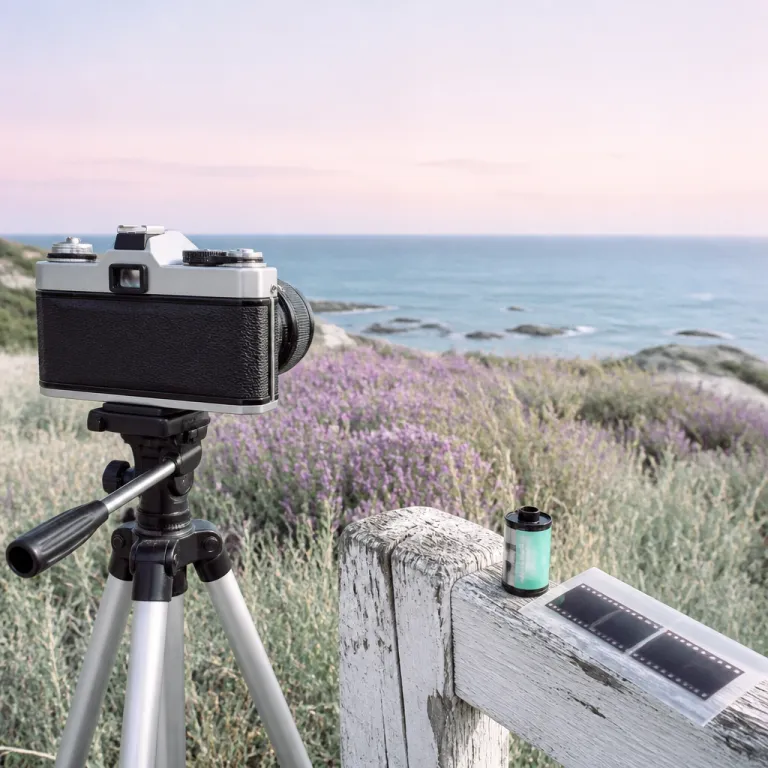

Olympus om 1 om 1n as a compact slr film system
The Olympus OM‑1 and OM‑1n sit at the heart of a compact 35 mm SLR film system that still attracts demanding photographers. These cameras show how a mechanical film camera can remain practical for modern film photography while offering a tactile shooting experience that many digital bodies cannot match. Each Olympus camera body in this line feels dense yet portable, making it easy to carry alongside a small prime lens for everyday work.
Both Olympus OM‑1 and OM‑1n use the same OM lens mount, so every Zuiko auto lens and manual focus camera lens in the Olympus system will fit without adapters. This shared mount means that a single set of Zuiko optics can serve several Olympus film cameras, from basic point and shoot style bodies to more advanced Olympus SLR models. When you purchase one Olympus film camera from this family, you effectively buy into a broader system of lenses, accessories, and compatible camera bodies.
The OM‑1 series is fully mechanical, with a horizontal cloth shutter that works even when the light meter fails. Shutter speed is set with a distinctive speed selector ring around the lens mount, which keeps the top plate clean and the camera body low in profile. This design opens a clear window to the shutter speed scale in the viewfinder, so you can check exposure settings without taking your eye away from the scene.
Metering, shutter speed control, and reliability in the field
Inside every Olympus OM‑1 and OM‑1n, a simple but effective light meter helps you expose film accurately in changing conditions. The meter reads through the lens, so any Zuiko auto lens or third party camera lens mounted on the body will be measured correctly, whether you shoot colour negative film or slide film. Many photographers who have owned several film cameras still rely on this Olympus system because the metering remains predictable and easy to understand.
The shutter speed range runs from 1 second to 1/1000 second plus bulb, which covers roughly 10 stops of exposure control between the extremes. A mechanical shutter like this offers consistent timing even in cold weather, and the Olympus SLR design keeps vibration low so that hand held shots at slower shutter speed settings remain sharp. When you half press the shutter release, the viewfinder display opens a small window that shows the meter needle moving against the recommended exposure scale.
Some buyers choose a refurbished Olympus OM‑1 or OM‑1n from a specialist dealer that can offer a warranty and note every verified purchase. Well known workshops such as OM‑Lab in Germany, Cameraworks‑UK, and Essex Camera Service in the United States routinely overhaul these bodies, replacing foam seals, cleaning the prism, and calibrating the meter. A properly refurbished camera body will usually have a cleaned light meter, fresh foam seals, and a shutter that has been tested across its full speed range.
For readers comparing film and digital, it is worth looking at how a modern video first full frame body such as the Canon EOS R6 approaches exposure and shutter control; a detailed analysis can be found in this review of a video oriented full frame mirrorless camera. That comparison highlights how the tactile dials of an Olympus OM‑1 or OM‑1n encourage you to think more deliberately about each frame. The slower pace of a film camera often leads to more considered compositions and a deeper understanding of light.
Zuiko lenses, lens mount flexibility, and optical character
The Olympus OM lens mount was designed to keep lenses small while maintaining high optical quality. Standard Zuiko auto lenses such as the 50 mm f/1.8 or 50 mm f/1.4 balance perfectly on the Olympus OM‑1 and OM‑1n camera body, creating a compact package that still feels serious in the hand. Olympus literature lists the Zuiko 50 mm f/1.8 at roughly 180 g and about 31 mm long, while the 50 mm f/1.4 typically weighs around 230 g and measures about 41 mm in length, which helps keep the overall kit light.
Because the lens mount is shared across the Olympus system, you can move a single camera lens between several Olympus film cameras without any compatibility issues. Wide angle Zuiko lenses, fast normal primes, and short telephoto lenses all mount directly, and the light meter in each Olympus SLR body reads through the lens for accurate exposure. This flexibility turns the Olympus OM‑1 and OM‑1n into ideal platforms for building a small but capable kit of film camera bodies and lenses.
When choosing between different cameras, some readers may also be considering a modern full frame mirrorless body for hybrid work; a detailed field test of such a body is available in this review of a full frame mirrorless camera for low light imaging. That kind of digital camera offers autofocus and video, while the Olympus OM‑1 and OM‑1n rely on manual focus and a mechanical shutter but reward you with a slower, more intentional process. Many photographers end up using both systems, keeping an Olympus film body for personal projects and a digital camera for fast paced assignments.
Viewfinder experience, opens window indicators, and handling
Looking through the viewfinder of an Olympus OM‑1 or OM‑1n, you see a bright focusing screen that makes manual focus straightforward. The prism design and large viewfinder window give a clear view of the scene, while the focusing aids in the centre help you judge sharpness even with a fast Zuiko auto lens. For many photographers who have owned bulkier SLR film cameras, the OM viewfinder feels surprisingly spacious for such a compact camera body.
Inside the finder, a small display opens a window to show shutter speed and meter information, so you can adjust exposure without taking your eye away from the subject. The speed selector ring around the lens mount clicks positively into each setting, and the light meter needle responds immediately as you change aperture or shutter speed. This combination of mechanical feedback and visual cues makes the Olympus system intuitive, even for photographers who are new to film photography.
Handling is further improved by the low profile shutter release and the well placed film advance lever, which allow quick shooting without disturbing your grip. Many users prefer the Olympus black finish on the OM‑1n, which reduces reflections in the viewfinder window and gives the camera a discreet appearance for street work. Whether you shoot a single Olympus film camera or rotate between several cameras in the system, the consistent control layout keeps the learning curve gentle.
Buying, refurbished options, and practical shipping questions
When you decide to purchase an Olympus OM‑1 or OM‑1n, you will face a choice between privately owned examples and professionally refurbished bodies. A privately owned camera can be more affordable, but you must check whether the shutter speeds are accurate, the light meter responds correctly, and the lens mount shows no damage. Refurbished cameras usually cost more, yet they often come with a service record and a clear offer of support if problems appear later.
Online marketplaces list many Olympus film cameras, and careful buyers pay attention to terms such as free shipping or combined shipping when adding extra Zuiko lenses. Some specialist retailers clearly mark each listing as a verified purchase from their workshop, which helps you judge whether the camera body has been properly inspected. If a seller offers free shipping on an Olympus black OM‑1n with a standard Zuiko auto lens, that can represent strong value compared with buying body and camera lens separately.
Always ask specific questions about the meter, shutter, and film transport before you commit to a purchase, especially if the camera will be shipped internationally. Request close up photos of the lens mount, the viewfinder window, and the shutter curtains, because these areas reveal how carefully the camera has been treated. A well maintained Olympus SLR film body will reward you with years of reliable film photography, while a neglected example may require immediate service that cancels any apparent saving.
Readers who are also exploring compact digital options for creative projects may find it useful to examine this review of a 3D action camera for stereoscopic content. That kind of point and shoot style digital camera contrasts sharply with the manual nature of an Olympus OM‑1 or OM‑1n, yet both can coexist in a versatile kit. Choosing between them depends on whether you prioritise the deliberate pace of film or the instant feedback of digital capture.
Olympus om 1 om 1n in the wider context of cameras and formats
The Olympus OM‑1 and OM‑1n occupy a special place among classic cameras because they balance size, control, and reliability. While many SLR film bodies from other brands grew larger over time, the Olympus system stayed focused on compactness without sacrificing essential features such as a full shutter speed range and a responsive light meter. This philosophy makes the OM‑1 series attractive to photographers who want a serious film camera that still fits easily into a small bag.
Compared with later autofocus cameras and point and shoot compacts, the OM‑1 and OM‑1n demand more involvement from the photographer, yet they reward that effort with a strong sense of connection to the image making process. You set the shutter speed with the speed selector, choose the aperture on the Zuiko auto lens, and watch how the meter needle moves as light changes across the scene. That direct control teaches you how film responds to exposure in a way that automated systems sometimes hide.
In a market where many people now start with digital cameras, the Olympus OM‑1 and OM‑1n offer a different path into photography. Owning one of these Olympus film cameras encourages you to slow down, think about each frame, and value the physical negatives that result from your work. For those who already have a digital system, adding an Olympus SLR film body can deepen your understanding of exposure and composition, which will in turn improve your digital images.
Transitioning from digital to olympus om 1 om 1n film workflow
Photographers moving from digital cameras to the Olympus OM‑1 or OM‑1n often need to adjust their expectations about speed and feedback. With a film camera, you cannot check a rear screen after each shot, so you must trust the light meter, your chosen shutter speed, and your understanding of how the film will render the scene. This slower rhythm can feel challenging at first, yet many users find that it leads to more thoughtful compositions and a stronger sense of authorship.
To make the transition smoother, start by using a single film stock and one Zuiko auto lens, ideally a normal focal length such as 50 mm. Keep the camera body with you daily, treat it almost like a point and shoot, and rely on the Olympus system meter while you learn how different lighting conditions affect exposure. Over time, you will build an intuitive sense of how the shutter, aperture, and film sensitivity interact, which mirrors the exposure triangle used in digital photography.
Once you feel comfortable, you can expand into multiple lenses, experiment with different film types, and even add a second Olympus film camera to your kit. Some photographers choose an Olympus black OM‑1n as their main body and keep a silver OM‑1 as a backup, sharing the same set of Zuiko lenses between both cameras. This flexible approach lets you enjoy the tactile qualities of SLR film photography while still benefiting from any digital cameras you use for professional or fast paced work.
Key figures about olympus om 1 om 1n and film photography
- The Olympus OM‑1 shutter speed range of 1 second to 1/1000 second plus bulb covers roughly 10 stops of exposure control, which is sufficient for most daylight and low light situations when combined with ISO 100 to ISO 800 film (manufacturer specifications).
- Typical Olympus OM‑series Zuiko 50 mm lenses weigh around 180 g to 220 g, helping keep the total camera and lens package under 700 g, which is significantly lighter than many contemporary professional SLR film combinations from other brands (manufacturer data comparisons).
- Surveys of used camera retailers such as KEH, MPB, and Japan Camera Hunter’s partner stores show that serviced or refurbished Olympus OM‑1 and OM‑1n bodies often command prices 30 % to 60 % higher than unserviced examples, reflecting the value buyers place on reliability and recent maintenance (aggregated retailer listings analysis).
- Industry reports on film sales from Kodak Alaris and Fujifilm indicate that 35 mm film remains the dominant format, accounting for more than half of all film sold globally, which supports ongoing demand for classic 35 mm cameras such as the Olympus OM‑1 and OM‑1n (market research from major film manufacturers).
FAQ about olympus om 1 om 1n and related cameras
Is the Olympus OM‑1 or OM‑1n better for a first film camera ?
Both models are excellent first film cameras, because they share the same lens mount, shutter design, and overall handling. The OM‑1n adds small improvements such as better flash compatibility and a redesigned hot shoe, but image quality depends mainly on the Zuiko lens and the film you choose. If prices are similar, the OM‑1n is usually the more practical choice, yet a well serviced OM‑1 remains just as capable.
Can I use modern lenses on the Olympus OM‑1 and OM‑1n ?
The Olympus OM‑1 and OM‑1n use the OM lens mount, so they accept all native Zuiko OM lenses and many third party manual focus lenses made for that mount. Modern autofocus lenses for digital systems will not mount directly, and adapters are generally designed the other way around, allowing OM lenses on digital bodies. For the best experience, stick to original Zuiko auto lenses or other manual focus OM mount lenses designed for film cameras.
How reliable is the light meter in these Olympus SLR bodies ?
The built in light meter in the OM‑1 and OM‑1n is generally reliable when properly serviced and powered by the correct voltage battery or a suitable replacement. Age, corrosion, or incorrect batteries can cause inaccurate readings, so many refurbished cameras include meter calibration as part of the service. If you are unsure about your meter, compare its readings with a trusted handheld meter or a modern digital camera set to the same ISO and aperture.
What should I check before buying a used Olympus OM‑1 or OM‑1n ?
Inspect the shutter curtains for damage, check that all shutter speeds sound distinct, and confirm that the film advance operates smoothly without scratching. Look through the viewfinder window for haze or fungus, and examine the lens mount area for dents that might affect lens alignment. Finally, test the light meter if possible, and ask the seller about any recent service or refurbishment work.
Is film photography with the Olympus OM‑1 still relevant alongside digital cameras ?
Film photography with an Olympus OM‑1 or OM‑1n remains relevant because it offers a different creative process and aesthetic compared with digital capture. The slower pace, limited exposures per roll, and characteristic rendering of film encourage more deliberate shooting and careful editing. Many photographers use these Olympus film cameras alongside digital systems, choosing film for personal projects and digital for time sensitive or commercial work.
References
- Olympus Corporation – historical product brochures and technical manuals for OM‑series cameras.
- Ilford Photo – educational resources on black and white film exposure and processing.
- Kodak Professional – technical data sheets for colour negative and slide films.