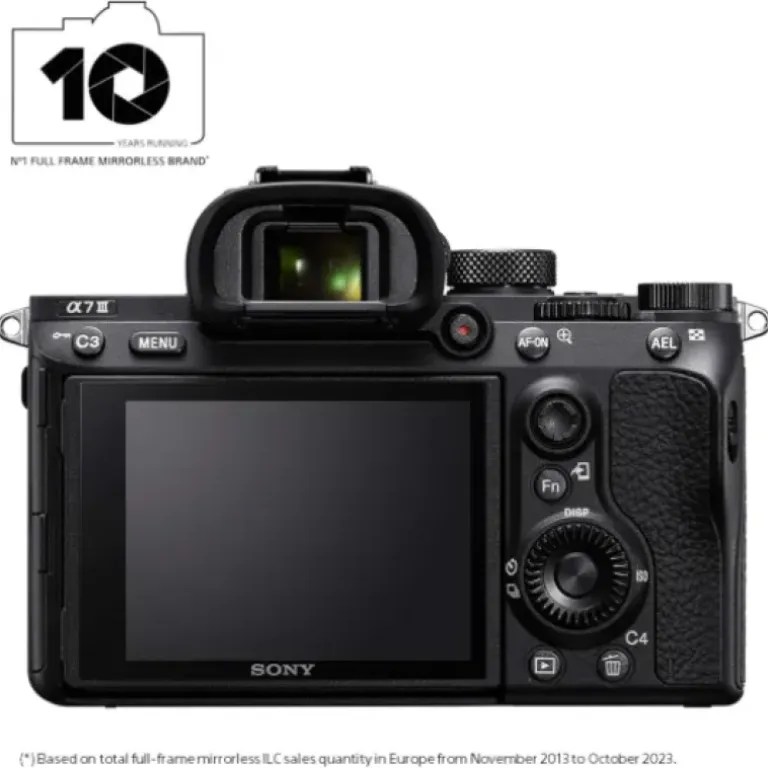

Summary
Editor's rating
Value for money: strong if you buy at today’s prices
Design and handling: solid, a bit dated, and slightly fiddly
Battery life: finally a Sony that doesn’t die by lunchtime
Durability and build over time: capable body with a few weak spots
Real-world performance: autofocus, speed, and image quality
What you actually get with the A7 III
Pros
- Very good image quality and low-light performance from the 24 MP full-frame sensor
- Fast, reliable autofocus with eye tracking and 10 fps burst for most action
- Excellent battery life with the Z battery, easily lasting a full shooting day
Cons
- Build and control dials feel cheaper than the original price suggests, with some reports of "skippy" dials
- Older screen/EVF and limited video features (8-bit, no flip screen) compared to newer models

Specifications
View full product page →| Brand | Sony |
Still worth buying in 2026?
I’ve been using the Sony A7 III as my main camera body for a while now, mostly for travel, casual paid work (events and portraits), and some YouTube-style video. So this isn’t a specs-only opinion – it’s based on real days out, cold mornings, and a few moments where I was swearing at the menu in the dark. Short version: it’s not the newest toy anymore, but it still holds up very well if you care more about results than having the latest body.
The first thing that stood out for me was how reliable it is in mixed situations. One day I’m shooting family indoors in bad light, next day I’m outside chasing moving subjects, and I don’t have to baby the camera. The 24 MP sensor has enough resolution for prints and cropping, and the autofocus actually keeps up in real life, not just on paper. I came from older APS‑C bodies, and the jump in low-light performance alone already made me feel more relaxed when shooting.
That said, it’s not perfect. You can feel its age in a few areas: the rear screen isn’t that sharp or bright, the menus are a bit of a maze at first, and the body has some quirks that feel a bit cheap compared with newer models. Also, video shooters who want fancy 10‑bit codecs or higher frame rates in 4K will hit its limits pretty fast. If you’re picky about ergonomics, the dials and doors won’t impress you.
But if you care mainly about image quality, autofocus, and battery life, it still punches way above what you pay now that the price has dropped. For someone moving into full frame for the first time, or a hybrid shooter who wants solid photos and decent 4K without spending a fortune, it’s a pretty solid option. If you already own something like an A7 IV or a newer Canon/Nikon mirrorless, this will feel a bit old – but as a workhorse body, it still gets plenty done.
Value for money: strong if you buy at today’s prices
When the A7 III first came out, it was priced like a high-end enthusiast body. At that time, some of the build compromises and missing video features were harder to swallow. Now that the price has dropped close to the £1000 mark (and sometimes less on sale), the value equation is much better. For that money, you’re getting a full-frame sensor with very good low-light performance, strong autofocus, stabilisation, and great battery life. That’s a lot of camera for what many brands are asking for APS‑C bodies.
For photographers moving up from a crop-sensor camera, the A7 III feels like a solid entry into full frame without jumping straight to the latest and most expensive model. The 24 MP sensor is still plenty for most uses, and the files hold up well even compared to newer bodies. Add the fact that you have access to a huge range of Sony and third‑party lenses – including relatively affordable Tamron and Sigma options – and you can build a capable kit without going broke. That ecosystem is a big part of the value here.
The weak side of the value is mostly for video-focused users and people who care a lot about ergonomics. If you mainly shoot video and want 10‑bit, better codecs, higher frame rates, and a flip screen, you’re going to hit the camera’s limits fast. In that case, spending more on a newer body might make more sense. Also, if you’re picky about build quality and dial feel, the slightly cheap-feeling controls might annoy you enough to wish you’d spent extra on a body with better tactile quality.
Overall, at current prices I’d call the A7 III good value for money, especially as a first full-frame or as a reliable second body. It’s not the best at any single thing anymore, but it’s very capable across the board, and the price drop makes its compromises easier to accept. If you find it around or under that £1000 mark body-only, it’s hard to ignore as a practical choice.
Design and handling: solid, a bit dated, and slightly fiddly
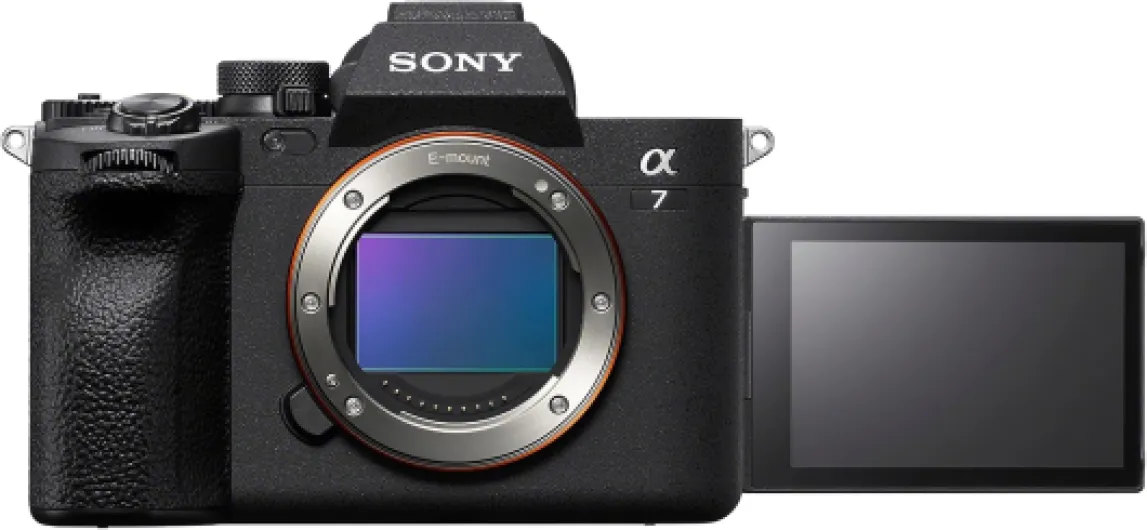
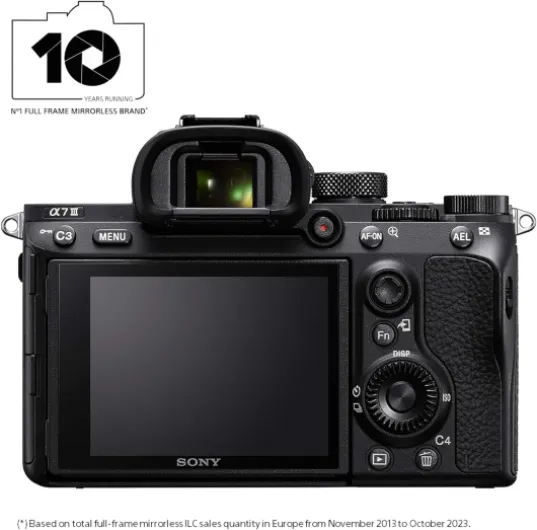
Design-wise, the A7 III feels like a typical Sony Alpha body from that generation: compact for a full-frame camera, with a decent grip and a bunch of custom buttons scattered around. In the hand, it feels solid but not premium. The magnesium alloy chassis and basic weather sealing are reassuring, but some external parts (like the mode dial and certain doors) feel more plasticky than the price suggests. Compared to a Nikon Z or a higher-end Canon R body, it’s a bit less confidence-inspiring in terms of tactile feel.
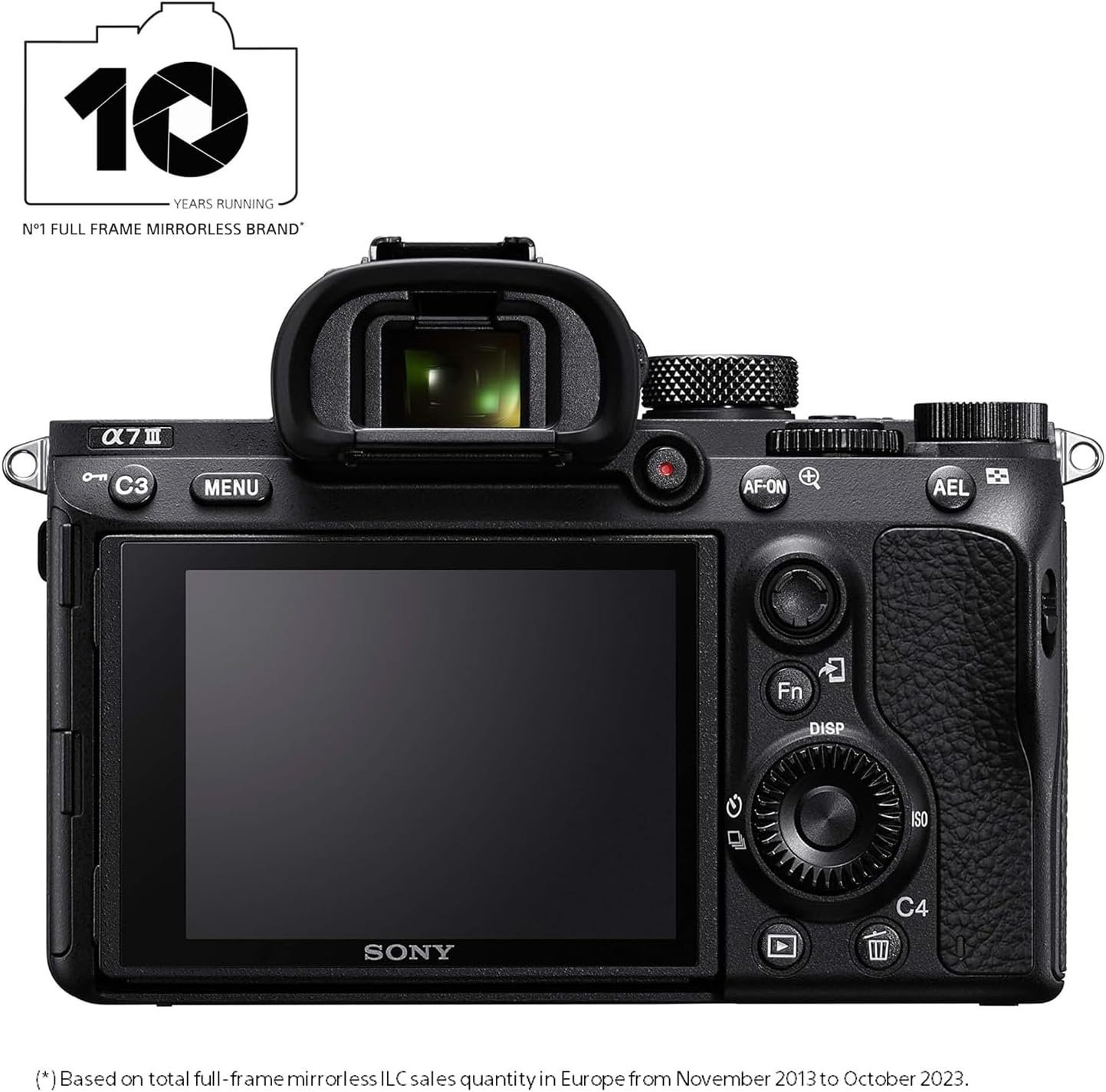
The control layout is functional. You get two main dials (front and rear), a rear wheel, a joystick, and several custom buttons (C1–C4). After a weekend of shooting, I set it up so that ISO, AF mode, eye AF, and drive mode were all on physical buttons, and I barely had to dive into the menus. That side of it is great. However, some users – and I’ve had a bit of this too – report that the front dial and rear wheel can feel mushy and sometimes skip steps when scrolling. On my copy it’s not terrible, but it’s not crisp either. Feels more like mid-range gear than a pro body.
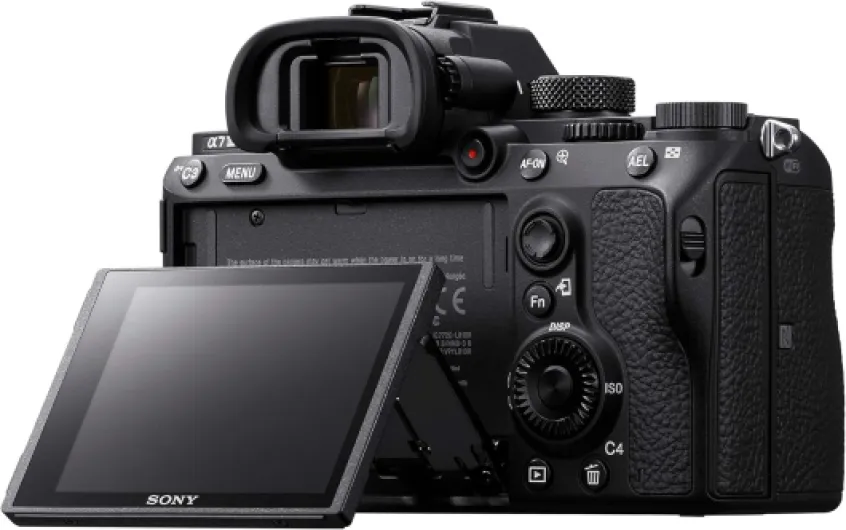
The screen and viewfinder are where the age shows most. The EVF is usable and I had no trouble composing or checking exposure, but it’s not super bright in strong sunlight and the resolution is just okay. The rear LCD tilts up and down, which is handy for low- and high-angle shots, but it doesn’t flip around for vlogging or self-recording. It’s also not very sharp or bright by current standards, and the touch function is limited mostly to focus selection. You can’t really use it to fly through menus like on some newer cameras.
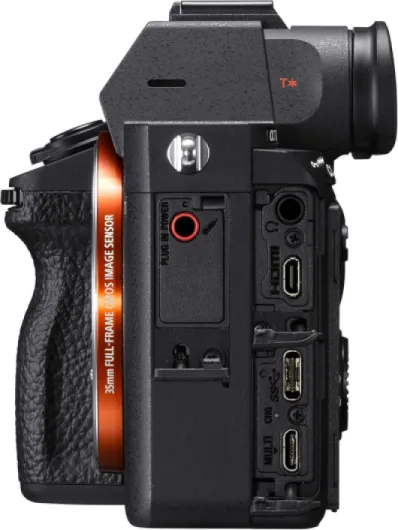
One annoyance for me is the port-door and charging design. The camera can charge over USB, which is nice, but the micro‑USB port is placed so close to the hinge that you can’t rest the camera flat on a table while charging with some cables. Using the USB‑C (or the separate port) helps, but overall the side doors and rubber flaps feel a bit cheap and fussy. In short: the design works, and once set up it’s comfortable enough to shoot all day, but if you care a lot about tactile quality and modern screens, you’ll notice the corners Sony cut here.
Battery life: finally a Sony that doesn’t die by lunchtime
If you’ve ever used older Sony mirrorless bodies (like the A6000 series or the first A7), you probably remember living with a pocket full of tiny batteries. The A7 III switches to the larger Z battery, and the difference is huge in real use. For my typical mixed day (photos + a bit of video, camera on and off regularly), I can easily get through a full day on one battery. On heavier shooting days – like an event with lots of continuous shots and some 4K clips – I feel safe with two batteries, but I rarely drain both.
To give rough numbers, in one outdoor day I shot around 900 photos (mostly stills, some short 4K clips) and ended with about 25–30% battery left. That’s with power-saving on and me switching the camera off between long pauses. If you leave it constantly on and chimp every shot, you’ll obviously burn more, but it’s still miles ahead of older generations. The fact that the camera doesn’t chew through batteries means you can relax and focus more on shooting instead of battery babysitting.
Another handy point is charging flexibility. You can charge the battery in-camera over USB, so if you’re travelling light and forget the external charger, a basic power bank or laptop cable will keep you going. It’s not the fastest way to charge, and the port/door placement is a bit awkward, but it does work. For longer jobs, I still prefer a separate charger and swapping batteries, but it’s nice to know that in a pinch a USB cable is enough.
Overall, the battery performance is one of the camera’s biggest strengths. It turns the A7 III from a "carry 5 spares" body into something you can trust for a full day of shooting. That alone makes it feel much more like a serious tool and less like a toy. If you’re moving from an A6000 or A7 II, you’ll notice the difference immediately and probably wonder why Sony didn’t do this sooner.
Durability and build over time: capable body with a few weak spots
In terms of durability, my A7 III has held up fairly well, but it doesn’t feel as tough as some other brands at the same original price point. The body uses a magnesium alloy frame with some weather sealing, and I’ve used it in light rain, dusty paths, and cold mornings without any real issues. No random shutdowns, no moisture creeping into the card slots, and the mount feels solid even with heavier zoom lenses. So functionally, it’s been reliable.
Where I’m less impressed is the long-term feel of some external parts. The mode dial has a bit of play and feels cheaper than it should. The front and rear control dials are a bit mushy and, just like some Amazon reviewers mentioned, they occasionally "skip" when scrolling quickly through settings or images. On my copy it’s not constant, but it’s there and it doesn’t inspire tons of confidence. It reminds me more of mid-tier consumer cameras than something that launched near the pro price bracket.
The side port doors and flaps also feel like a weak point. They still close fine and haven’t broken off, but the plastic and rubber don’t give that solid, tight feeling you get on higher-end bodies. The door covering the USB ports in particular feels a bit flimsy and gets in the way when charging on a flat surface. The battery door and SD card door are better, though – no wobble and they close with a clear click.
That said, over time the camera has kept working. Several users report two or more years with no actual failures, and my experience lines up with that: the dials might be annoying, but they haven’t completely died. So I’d say: functionally durable, but not confidence-inspiring in the hand. If you baby your gear and use a decent case, it should last you years. If you’re rough on equipment or shoot in harsh weather a lot, I’d be a bit more cautious and maybe consider a body that’s known for tougher build.
Real-world performance: autofocus, speed, and image quality
This is where the A7 III earns its reputation. In actual shooting, the combination of the 24 MP full-frame sensor, 693-point phase-detect AF, and 5‑axis stabilisation delivers very solid results. I’ve shot events in dark venues, wildlife in cloudy conditions, and handheld city scenes at night, and the camera consistently gives me usable files. The dynamic range is also very forgiving: underexposed shots can be pulled back in RAW without weird colour shifts or banding, which saved a few messed-up exposures for me.
Autofocus is the star here. With face and eye detection turned on, I can leave it in wide area AF and let the camera grab the subject. For portraits and family stuff, it locks on eyes quickly and stays there as long as the subject is in frame. For moving subjects (kids running, people walking toward me, basic sports), continuous AF with tracking actually works. It’s not on the same level as the very latest Sony bodies, but it’s a big step up from older A7 models and most entry-level systems. You also have a joystick to move the focus point manually, which is much faster than d‑pads.
The 10 fps burst rate with AF/AE tracking is more than enough for most users. I used it for birds, bikes, and some action shots, and the buffer with a decent UHS‑II card was fine. You can feel the camera slow down if you shoot long bursts in RAW, but for a few seconds of action it holds up. The 5‑axis stabilisation also does its job: I’ve managed sharp shots down to around 1/20s with a 35mm lens, which cuts down how often I need a tripod.
On the image quality side, 24 MP is a good middle ground. Files are big enough for detailed prints and cropping, but not so huge that your storage explodes. JPEGs out of camera are decent, but I mainly shoot RAW + JPEG. The RAW files have enough room to lift shadows and rescue highlights, and noise is controlled up to ISO 6400–12,800 if you’re okay with some grain. For video, 4K looks sharp because it uses full-pixel readout (no pixel binning), and S‑Log profiles give you some flexibility in grading. The downside is that you’re limited to 8‑bit and older codecs, so heavy colour grading will show banding faster than on newer bodies. For YouTube or basic client work, though, it’s more than usable.
What you actually get with the A7 III
On paper, the Sony A7 III is a 24.2 MP full-frame mirrorless body with 4K video, 693 phase-detect AF points, 5‑axis in-body stabilisation and a battery that lasts way longer than older Sony bodies. In the box I got the body, a battery, a strap, and cables. No fancy extras, but enough to start shooting if you already own a lens. It takes Sony E‑mount lenses, and there’s a huge ecosystem now, including cheaper third‑party stuff from Tamron and Sigma, which is one of the big reasons it’s still interesting in 2026.
In practice, the key strengths are: low-light performance, autofocus reliability, and battery life. The sensor handles high ISO much better than the older A7 II and APS‑C bodies I’ve used. I can shoot at ISO 6400 without the files turning into a noisy mess, and even 12,800 is usable if you’re not super picky. For events or wildlife at dusk, that’s a real difference: you can keep your shutter speed high enough and not worry as much.
The autofocus system is another strong point. You’ve got 693 phase-detect points covering a big chunk of the frame, plus eye AF for humans and animals. For me that meant I could leave it on wide area with eye AF and just focus on composition. Shooting kids running around, or people walking toward the camera, the keeper rate is clearly higher than what I got on older systems. It’s not magic, but it’s reliable enough that I stopped thinking about focus most of the time.
Where it starts to show its age is in video features and interface. It does 4K using full-pixel readout, which looks sharp, but you’re limited in codecs and you don’t get the modern colour science and 10‑bit depth that newer bodies offer. The menus are the older Sony layout, which means lots of pages and some weird naming. Once you set it up and use the custom buttons, it’s fine, but the first few days are a bit of a slog. Overall, though, as a package, it still feels like a "do everything fairly well" camera rather than a niche tool.
Pros
- Very good image quality and low-light performance from the 24 MP full-frame sensor
- Fast, reliable autofocus with eye tracking and 10 fps burst for most action
- Excellent battery life with the Z battery, easily lasting a full shooting day
Cons
- Build and control dials feel cheaper than the original price suggests, with some reports of "skippy" dials
- Older screen/EVF and limited video features (8-bit, no flip screen) compared to newer models
Conclusion
Editor's rating
The Sony A7 III is not the shiny new kid in the mirrorless world anymore, but it still delivers where it matters for most people: image quality, autofocus, and battery life. The 24 MP full-frame sensor handles low light well, the dynamic range gives you room to fix mistakes, and the AF with eye tracking makes portraits and moving subjects much easier to handle. Add in the Z‑series battery that actually lasts a full day and decent 4K quality, and you get a camera that’s still very capable in 2026.
It’s not perfect. The build feels a bit cheaper than the original launch price would suggest, the dials can be mushy and sometimes skip, and the screen and EVF are clearly behind newer bodies. Video shooters wanting modern codecs, 10‑bit, and a flip screen will feel limited. But if you’re mainly a photographer or a hybrid shooter on a budget, the current price makes these flaws easier to live with.
I’d recommend the A7 III to: people moving from APS‑C to full frame, hobbyists who also do the odd paid job (events, portraits), and hybrid shooters who want solid 4K without spending top money. If you already own a newer Sony body (A7 IV, A7S III, etc.) or you’re very picky about build and video specs, skip this and look higher up the line. For everyone else who wants a reliable workhorse at a more reasonable price, the A7 III still gets the job done.