
Summary
Editor's rating
Value for money: strong for video people, mixed for pure photographers
Design and handling: solid, slightly chunky, very usable
Battery life and power: decent, but plan on extras
Build quality and long-term feel
Image quality, autofocus, and video: where it actually delivers
What you actually get with this kit
Pros
- Strong hybrid performance: very capable 6K/4K video plus solid 24 MP stills
- Good low-light performance and effective in-body stabilisation
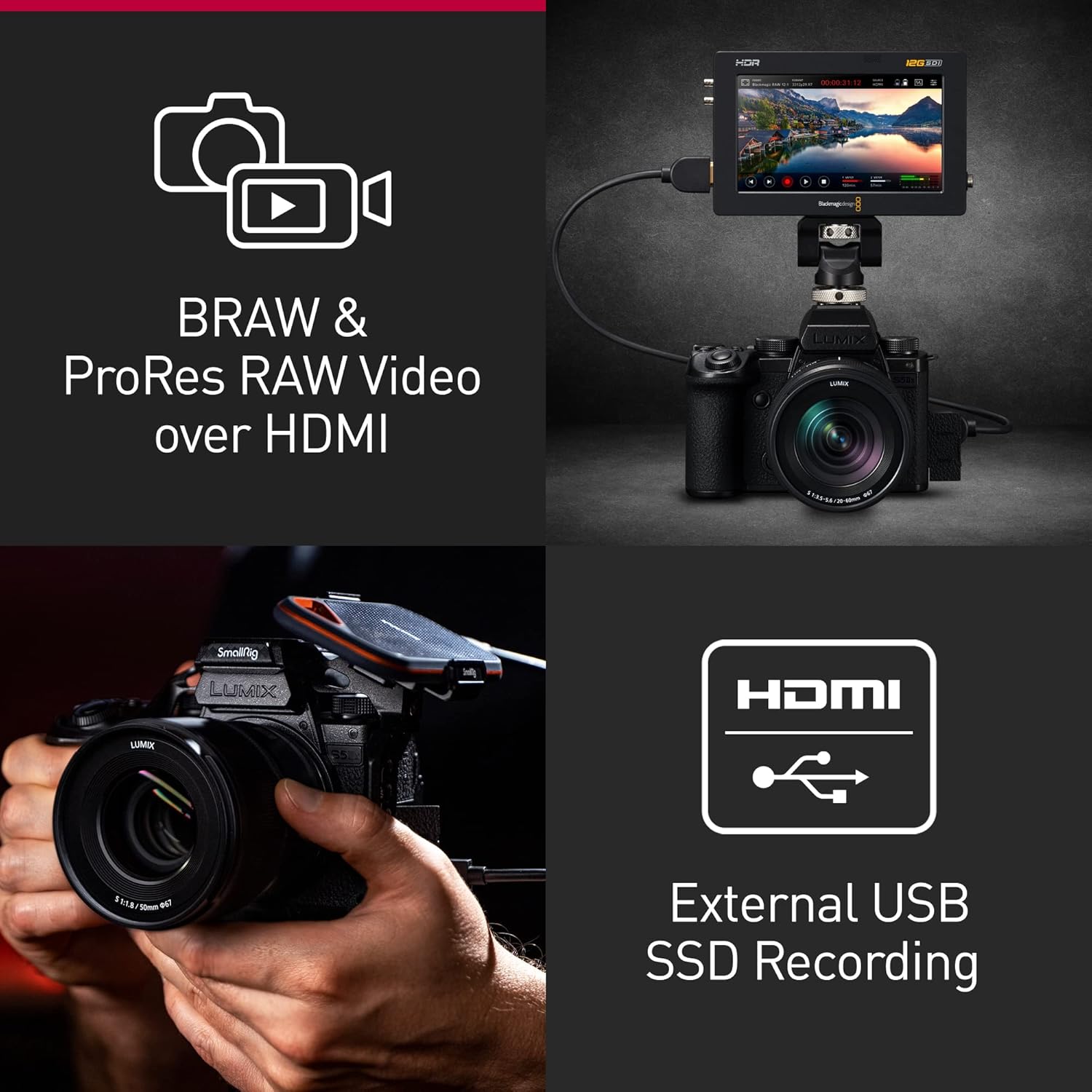
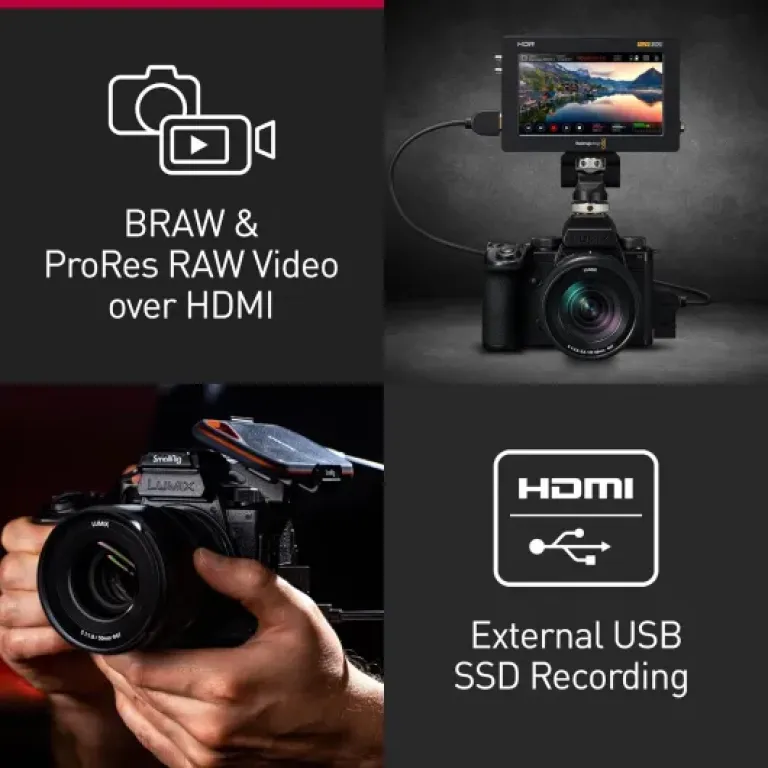
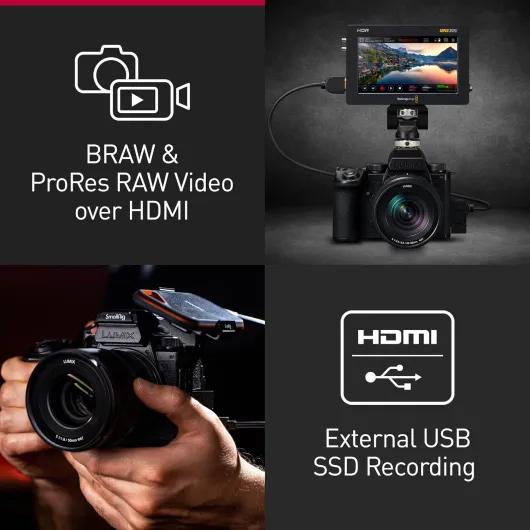
- Robust build with full-size HDMI, SSD recording, and long recording times without overheating
Cons
- No built-in flash, no charger or USB-C cable included in the box
- Menu system is dense and takes time to set up properly
- L-mount lenses are good quality but can be pricey and less varied than some competitors

Specifications
View full product page →| Brand | Panasonic |
Serious hybrid camera without totally killing your budget
I’ve been using the Panasonic LUMIX S5IIX with the 50mm f/1.8 for a few weeks now, mainly for client videos, some portraits, and a bit of YouTube-style content. I’m not a pixel-peeping engineer, just someone who needs a camera that works reliably on paid jobs and doesn’t get in my way. I came from older DSLR gear and a basic Sony mirrorless, so this was a decent jump for me in terms of features and video options.
The short version: this body + 50mm combo is a very capable hybrid setup. The video options are way beyond what most people will ever fully use, the in-body stabilisation is very handy for handheld work, and the 24 MP photos are more than enough for prints and client work. At the same time, there are some practical annoyances: no charger or USB-C cable in the box, no built-in flash, menus that take time to tame, and an L-mount ecosystem that’s not as cheap or wide as Canon/Sony if you want more lenses.
In daily use, it feels like a camera built first for video people who also care about stills, not the other way around. If you mainly shoot photos and only dabble in video, you’ll probably feel like you’re paying for features you’ll rarely touch. If, like me, you’re doing more and more video for clients or social media, the feature set starts to make sense and the price looks more reasonable. It’s not a toy; it feels like a tool you’ll keep for several years.
Overall, my experience is positive, but not blind fanboy positive. It delivers where it matters (image quality, video features, stabilisation, low light), but you need to accept a learning curve and a couple of missing basics that you might assume are standard at this price, like a simple pop-up flash and a complete charging kit. If you’re OK with that, it’s a pretty solid option.
Value for money: strong for video people, mixed for pure photographers
Price-wise, this kit sits in that mid-to-upper range where you expect serious performance but also start to notice missing basics. For the money, you’re getting a full-frame body with professional-level video features (10-bit, 6K, unlimited recording, SSD support, timecode, waveform, etc.) plus a decent fast 50mm lens. If you’re actually going to use those video features, the value is pretty solid. You’d pay more in other systems to get a similar spec sheet, especially once you factor in things like full-size HDMI and SSD recording.
For stills-focused users, the calculation is a bit different. As a photo-only camera, the S5IIX is good, but you are paying for video stuff you might never touch. In that case, the regular S5II (non-X) might be better value, or even a different brand if you’re already invested in their lenses. Also, the L-mount lens ecosystem is good quality but not the cheapest. Panasonic, Leica, and Sigma cover most needs, but you won’t find as many budget options as on Sony E or Canon RF. For me, that meant planning lens purchases a bit more carefully and accepting that a decent telephoto zoom would cost more than I’d like.
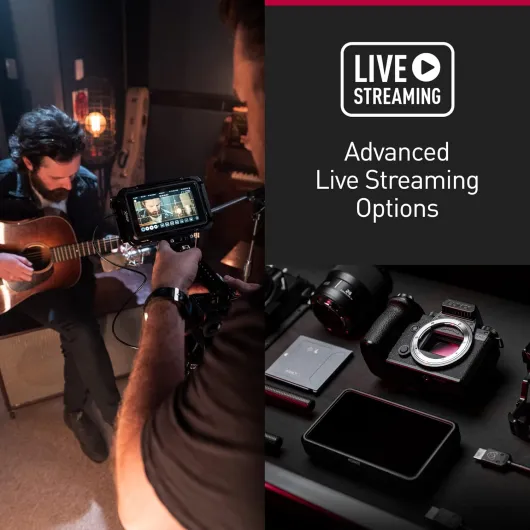
Where the value really shows is if you’re a hybrid shooter or someone building a small production setup. Being able to go from high-quality stills to serious video, record to SSD, stream, and use professional codecs on one body saves you from buying a separate dedicated video camera. That’s where the kit starts to feel like a good deal rather than just “another full-frame body.” The missing charger, USB-C cable, and built-in flash do take a bit of shine off, because you’ll likely spend extra on batteries, a charger, and maybe a small flash if you need fill light.
Overall, I’d say the value is good to very good if you lean into the video side and at least dabble in professional or semi-professional work. For casual shooters who just want nice holiday photos and some occasional clips, it’s probably overkill and not the best way to spend this amount of money. It’s a tool that makes sense if you plan to grow into its features, not if you just want a fancy camera for auto mode.
Design and handling: solid, slightly chunky, very usable
The first thing I noticed picking it up is that it feels like a real camera, not a plastic toy. The magnesium alloy body has some weight to it, but it’s nowhere near old DSLR bricks. With the 50mm f/1.8 mounted, it feels balanced in one hand, and I can shoot for a couple of hours without feeling like my wrist is dying. It’s still not pocketable of course, but for a full-frame body it’s reasonable. The grip is deep enough that my fingers don’t feel cramped, even with bigger hands.
The control layout is clearly thought out for people who like to customise. You get plenty of buttons and dials, and you can assign a lot of stuff to them. That’s great once you’ve set it up, but out of the box it’s a bit overwhelming. One design choice I’m not a fan of is the dark markings on the top dials. In low light, you basically can’t read them unless you’ve memorised the positions. The stealth look (blacked-out branding) looks cool on a desk, but in real life I’d rather be able to see what I’m doing at a glance.
The flip-out, fully articulating screen is very handy. For video, vlogging, or low/high angle shots it makes life much easier. The OLED EVF is sharp enough and responsive; I had no problem tracking action or shooting in bright sun. The camera also has a full-size HDMI port, which is a big plus if you’re planning to use an external monitor or recorder. No flimsy micro-HDMI here, which I appreciate after killing a couple of those on other cameras.
Weather sealing is there on paper (splash and dust resistant), and I’ve used it in light rain and dusty conditions without issues so far. I still wouldn’t dunk it in a storm without some protection, but it doesn’t feel fragile. Overall, the design is practical and robust, with a few minor annoyances like the hard-to-see dial markings and the lack of a built-in flash. Once you customise the buttons to your workflow, it feels like a camera that gets out of the way and lets you work.
Battery life and power: decent, but plan on extras
The camera uses the DMW-BLK22 battery, which is pretty standard across several newer Panasonic bodies. In day-to-day use, I’d call the battery life decent but not outstanding. Shooting mostly stills with some short video clips, I can get through a half-day session on one battery without stress. Once I start doing longer 4K or 6K recording, or spend time digging through the menus and reviewing clips on the screen, the battery drops noticeably faster.
On a full shooting day with a mix of stills and video, I’m much more comfortable having at least two batteries, ideally three. That’s not unusual for mirrorless cameras, but it’s worth budgeting for if you’re upgrading from something where you got away with one or two batteries all day. The camera does allow USB-C power and charging, which is handy. I’ve run it off a power bank for static video work (like a podcast setup), and it behaved fine. Just be aware you need to bring your own USB-C cable and power brick, because Panasonic doesn’t include them.
What I really missed in the box is a standalone charger. Charging the battery in the camera via USB-C works, but it’s slower and less practical if you have multiple batteries. I ended up buying a third-party dual charger and that made life much easier. Pop two batteries on charge while you’re backing up footage and you’re ready for the next day. For a camera at this level, not including at least a basic charger feels like a corner cut.
If you’re mostly a stills shooter who occasionally records short clips, you’ll probably find the battery life perfectly fine with one spare. If you’re doing long-form video, events, or streaming, plan on a couple of extra batteries plus some kind of external power option (power bank or USB-C PD adapter). It’s not terrible, it’s just in the “normal mirrorless” range. Nothing heroic, nothing catastrophic, just plan accordingly.
Build quality and long-term feel
In the hand, the S5IIX feels tough enough to handle regular use without babying it. The magnesium alloy frame and weather sealing give it a more serious feel than cheaper plastic bodies. I’ve used it outdoors in light rain, on a dusty path, and in a slightly humid studio without any odd behaviour. Buttons and dials still feel crisp, no mushy feedback so far. The flip screen feels reasonably solid too; I’m still a bit careful with it, but it doesn’t give me the impression that it’ll snap off with normal use.
The lens mount is Leica L, and it feels tight and secure. Swapping lenses (the 50mm and a Sigma zoom I borrowed) never gave me any wobble or play. The 50mm f/1.8 itself feels more mid-range in build: not cheap plastic, but not tank-like either. For the price of the kit, I think that’s fair. The focus ring is smooth enough for manual focus pulls in video, and nothing rattles. I wouldn’t throw it around, but it doesn’t feel fragile.
One thing I do like is the full-size HDMI port. On other cameras with micro-HDMI, I’ve had cables loosen or ports fail over time. Here, I’ve plugged and unplugged an external monitor multiple times, and the port still feels solid. The card door and battery door also latch positively and don’t flex much. These are small details, but when you’re using the camera a lot, they add up to a sense that it’s built for actual field use, not just occasional holidays.
Obviously I haven’t used it for years yet, but talking to other Lumix users and reading long-term feedback, these bodies seem to hold up pretty well: no common overheating issues, no widespread mechanical failures reported. My only minor worry is the flip screen over the really long term, but that’s a general mirrorless thing, not specific to Panasonic. Overall, durability feels solid for the price range: good enough for regular pro or semi-pro use, as long as you’re not throwing it into extreme conditions every weekend.
Image quality, autofocus, and video: where it actually delivers
In terms of pure image quality, this combo is very solid. The 24.2 MP full-frame sensor gives clean files with good dynamic range. I’ve been able to pull back highlights and lift shadows in RAW without the image falling apart. The included 50mm f/1.8 lens is sharper than I expected, even wide open. For portraits and product shots, it gives a nice subject separation and that classic 50mm look. If you’re coming from older APS-C or entry-level DSLR gear, you’ll notice the jump in depth and low-light cleanliness pretty quickly.
Autofocus was my main concern because older Panasonic bodies were known to be a bit hit-or-miss. This one uses phase hybrid AF with 779 points, and in practice it’s much better than the older contrast-only systems. For stills, face and eye detection work well in most cases, and it locks on quickly. In video, it’s usable and mostly reliable, especially with the 50mm where focus breathing is minimal. Is it as locked-on as high-end Sony or Canon in every situation? Probably not, but for my use (interviews, B-roll, some light action) it’s more than fine. I had a few misses in very low light or with backlit subjects, but nothing dramatic.
Video is where this camera really shows what it’s built for. 6K 30p and C4K/4K 60p 10-bit internal recording, unlimited record times, and the option to record straight to an SSD via USB-C. I’ve recorded longer talking-head sessions in 4K 25p 10-bit, with no overheating warnings and no random shutdowns. The in-body stabilisation plus “Active I.S.” does a good job for handheld walking shots; it’s not gimbal-smooth, but it takes the edge off micro-jitters and small movements so footage looks usable without extra gear.
Low light performance is one of the highlights. Thanks to dual native ISO (around 640 and 4000 in V-Log), I’m comfortable pushing it to ISO 6400 or even 12800 for video when needed. Noise is there, but it’s more grainy than ugly, and for client work or social media it’s absolutely fine. For stills, ISO 3200–6400 is very usable. Overall, the performance is strong: good photos, very capable video, and AF that feels like a real step up from older Lumix bodies, even if it’s not the absolute top of the market.

What you actually get with this kit
This specific package is the Panasonic LUMIX S5IIX body plus the LUMIX S 50mm f/1.8 prime lens. So you’re getting a full-frame mirrorless camera with a 24.2 MP sensor, phase hybrid AF, in-body stabilisation, 6K/4K video modes, and a fast 50mm lens that’s basically your standard portrait/everyday focal length on full frame. No zoom lens here, just a fixed 50mm, which is fine for portraits, talking-head video, and general walkaround if you like that field of view.
Out of the box, it’s pretty barebones: camera body, battery, and the 50mm lens. No USB-C cable, no AC adapter, no SD card, and no external charger. Panasonic is clearly pushing this “universal charging” idea and assuming you already have cables and power bricks lying around. That might be true, but for a camera in this price bracket it still feels a bit stingy. You can charge via USB-C, and it works, but for proper use I ended up buying a separate dual charger and a couple of extra DMW-BLK22 batteries.
The body is clearly aimed at people who care about video: you get things like unlimited 4:2:2 10-bit recording, 6K 30p, SSD recording over USB-C, timecode support, waveform, vectorscope, anamorphic modes, and so on. If those words mean nothing to you, you’re probably in the “photo-first” camp and this might be overkill. But if you do client video, YouTube, weddings, events, or plan to grow into that, these features are useful rather than gimmicks.
On the stills side, it’s a straightforward 24 MP full-frame camera with good dynamic range, dual native ISO, and a 96 MP high-res mode if you’re on a tripod. It shoots RAW + JPEG, has decent burst rates, and uses SD cards (UHS-II recommended if you’re doing heavy video). No built-in flash, which is a bit of a pain if you’re used to occasional fill flash indoors. In short, it’s a hybrid body leaning towards video, bundled with a lens that is more portrait/storytelling oriented than all-round travel zoom. If you want an all-in-one starter kit, you might miss a standard zoom like a 24–70.
Pros
- Strong hybrid performance: very capable 6K/4K video plus solid 24 MP stills
- Good low-light performance and effective in-body stabilisation
- Robust build with full-size HDMI, SSD recording, and long recording times without overheating
Cons
- No built-in flash, no charger or USB-C cable included in the box
- Menu system is dense and takes time to set up properly
- L-mount lenses are good quality but can be pricey and less varied than some competitors
Conclusion
Editor's rating
After using the Panasonic LUMIX S5IIX with the 50mm f/1.8 for real projects, my feeling is that it’s a very capable hybrid camera that leans clearly towards video, but still holds its own for stills. The image quality is strong, the low-light performance is genuinely useful, and the video feature set is packed for the price. Autofocus is finally in the “good enough for most jobs” category, and the stabilisation plus flip screen make handheld shooting and vlogging much easier. It feels like a tool you can rely on for client work without worrying about overheating or artificial record limits.
It’s not perfect, though. The menu system takes time to learn, the missing charger and USB-C cable are annoying at this price, and the lack of a built-in flash will bother some photographers who just want simple fill light. The L-mount ecosystem is solid but not the cheapest, so lenses can add up. If you’re mostly a stills shooter who rarely touches video, there are simpler and possibly cheaper options that might suit you better. But if you’re doing or planning to do serious video alongside photography, this kit offers a lot of capability for the money and feels like a sensible long-term choice rather than a short-lived gadget.