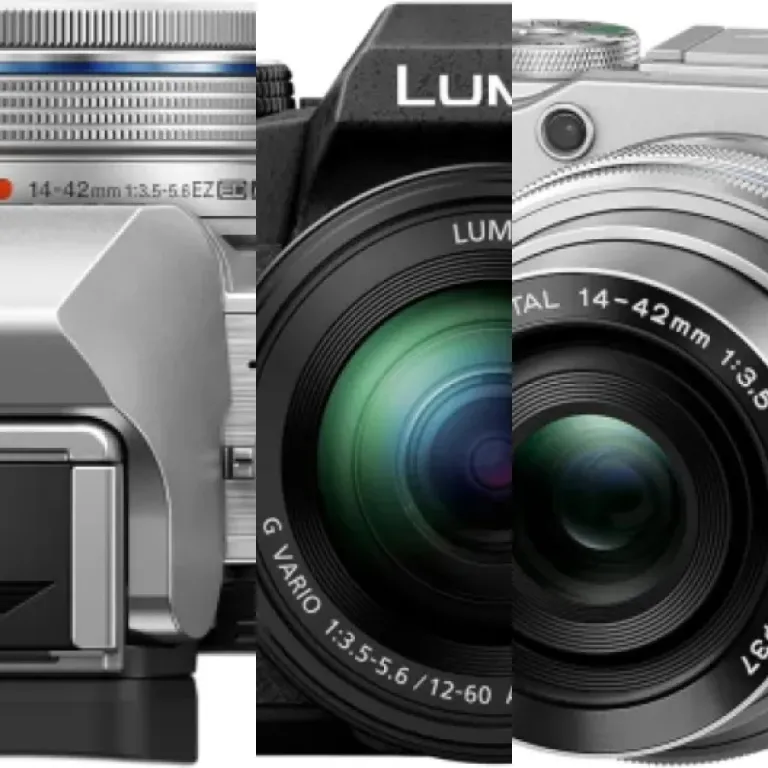
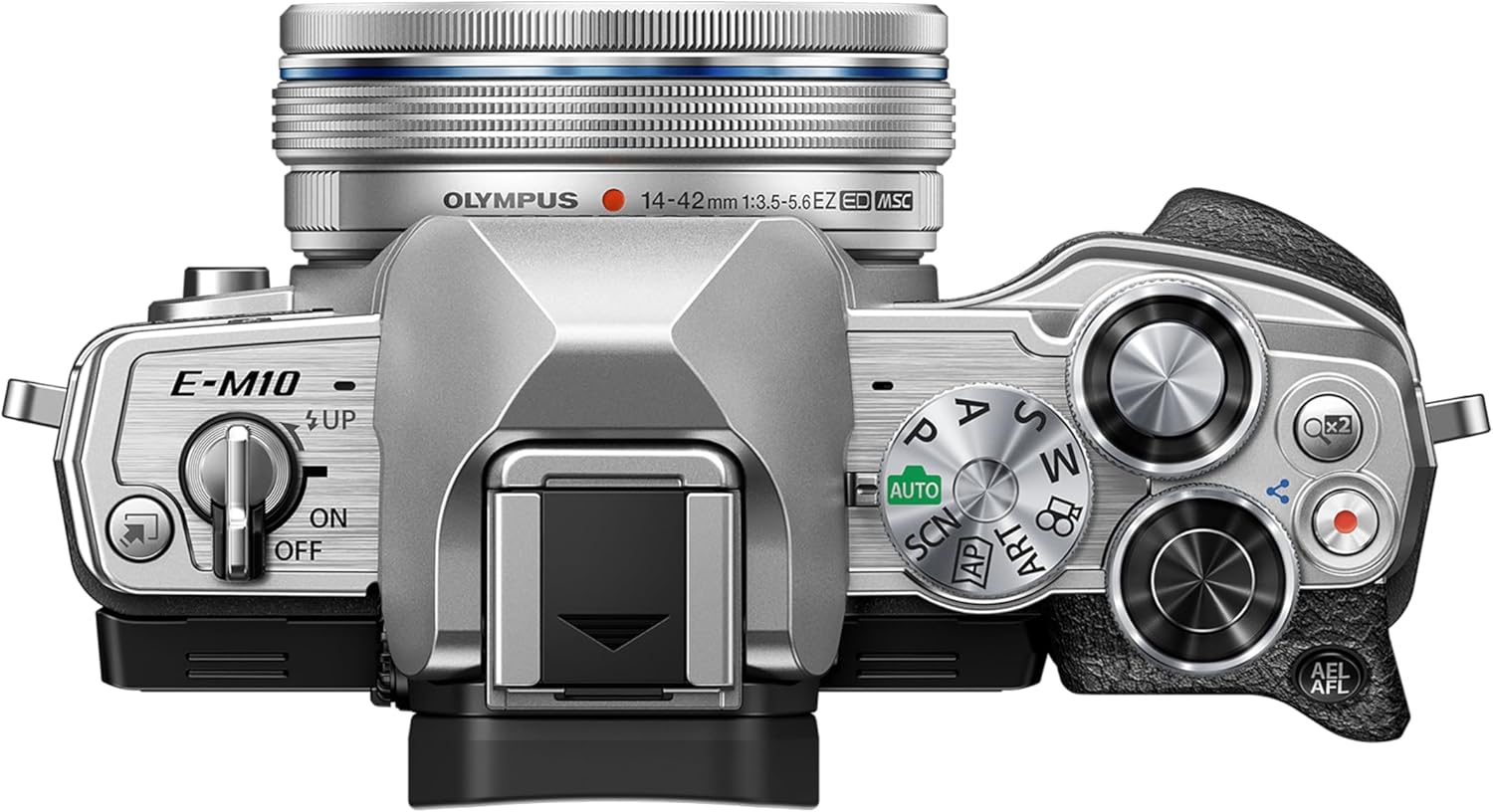
Key strengths of the Micro Four Thirds system for stills and video
When you evaluate the best micro four thirds cameras, you should look beyond megapixels and consider the whole system. Micro Four Thirds bodies from Panasonic Lumix and Olympus share a deep catalog of lenses, including compact primes, fast zoom lens designs, and specialized optics for macro or ultra wide photography. This shared system means you can buy a thirds camera today and still have room to grow into more advanced lenses and bodies later.
One of the strongest advantages is image stabilization, which is often class leading in this format. Many Panasonic and Olympus cameras combine in body stabilization with optical stabilization in compatible Panasonic lenses, giving up to around 7–8 stops of shake reduction for both stills and video according to manufacturer claims. That level of stabilization lets you shoot at slower shutter speeds in low light, keep ISO lower for cleaner files, and record handheld video that looks almost gimbal smooth.
Autofocus and subject tracking have also improved dramatically in recent Micro Four Thirds cameras. Panasonic Lumix models now use hybrid phase detect systems that lock focus quickly on eyes, animals, and vehicles, while Olympus bodies offer sophisticated subject recognition for birds and wildlife. For action photography, this means a micro four thirds camera can follow fast movement reliably, even when you use longer focal length lenses for sports or distant subjects.
Video creators benefit from the format’s balance of quality and practicality. Many of the best micro four thirds cameras record 4K or even higher resolution video internally, with advanced codecs, high bit rates, and flat profiles that preserve dynamic range for color grading. Because the sensor is smaller than full frame, rolling shutter is often better controlled, and the depth field is easier to manage when you need both the subject and background reasonably sharp.
Heat management is another quiet strength of this system. A Micro Four Thirds sensor typically generates less heat than a larger full frame chip, which allows longer recording times without overheating in many mirrorless camera bodies. For documentary work, weddings, or live events where you cannot stop recording, that reliability can matter more than the absolute best low light performance.
If you care about connectivity and modern workflows, look for Micro Four Thirds cameras that support USB‑C power and fast data transfer. Some of the top best hybrid models in this format appear alongside larger sensor rivals in curated lists of digital cameras with USB‑C connectivity. This kind of shared feature set shows how the best micro four thirds cameras compete directly with bigger systems in real world use.
To summarize the main strengths at a glance, the table below compares typical Micro Four Thirds bodies with comparable full frame mirrorless cameras in everyday use:
| Feature | Micro Four Thirds cameras | Typical full frame mirrorless |
|---|
| Body and lens size | Smaller, lighter kits; easier to carry all day | Larger bodies and optics; heavier bags |
| Stabilization | Often excellent in body stabilization with lens support | Varies by brand; some rivals, some behind |
| Video recording | Strong 4K options, long clips, good heat control | High quality but some models overheat sooner |
| Depth of field | Deeper at same framing and aperture; easier focus for video and events | Shallower at same settings; better for extreme background blur |
| System cost | Generally more affordable bodies and lenses | Higher prices for equivalent focal length ranges |
Panasonic Lumix versus Olympus bodies in the Micro Four Thirds world
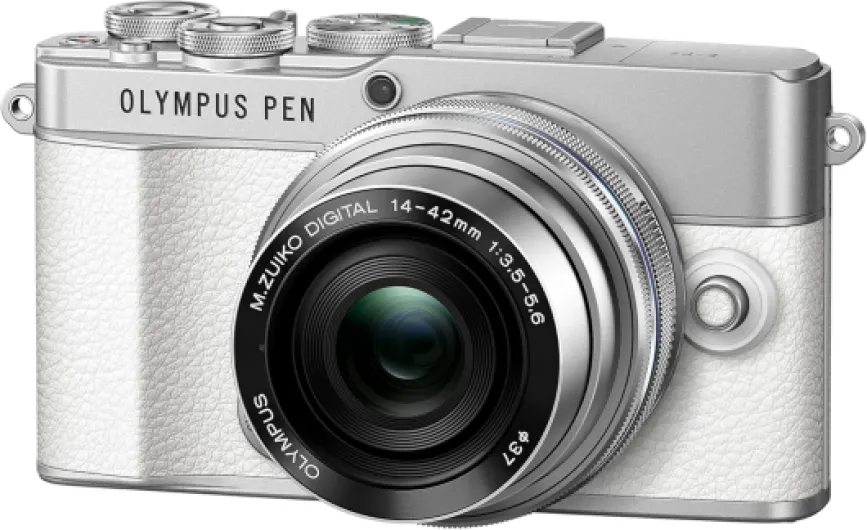
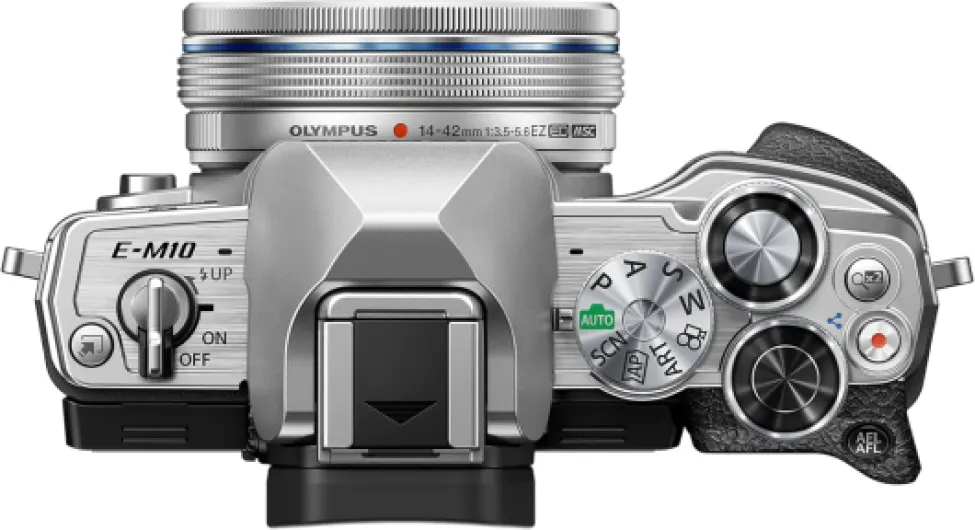
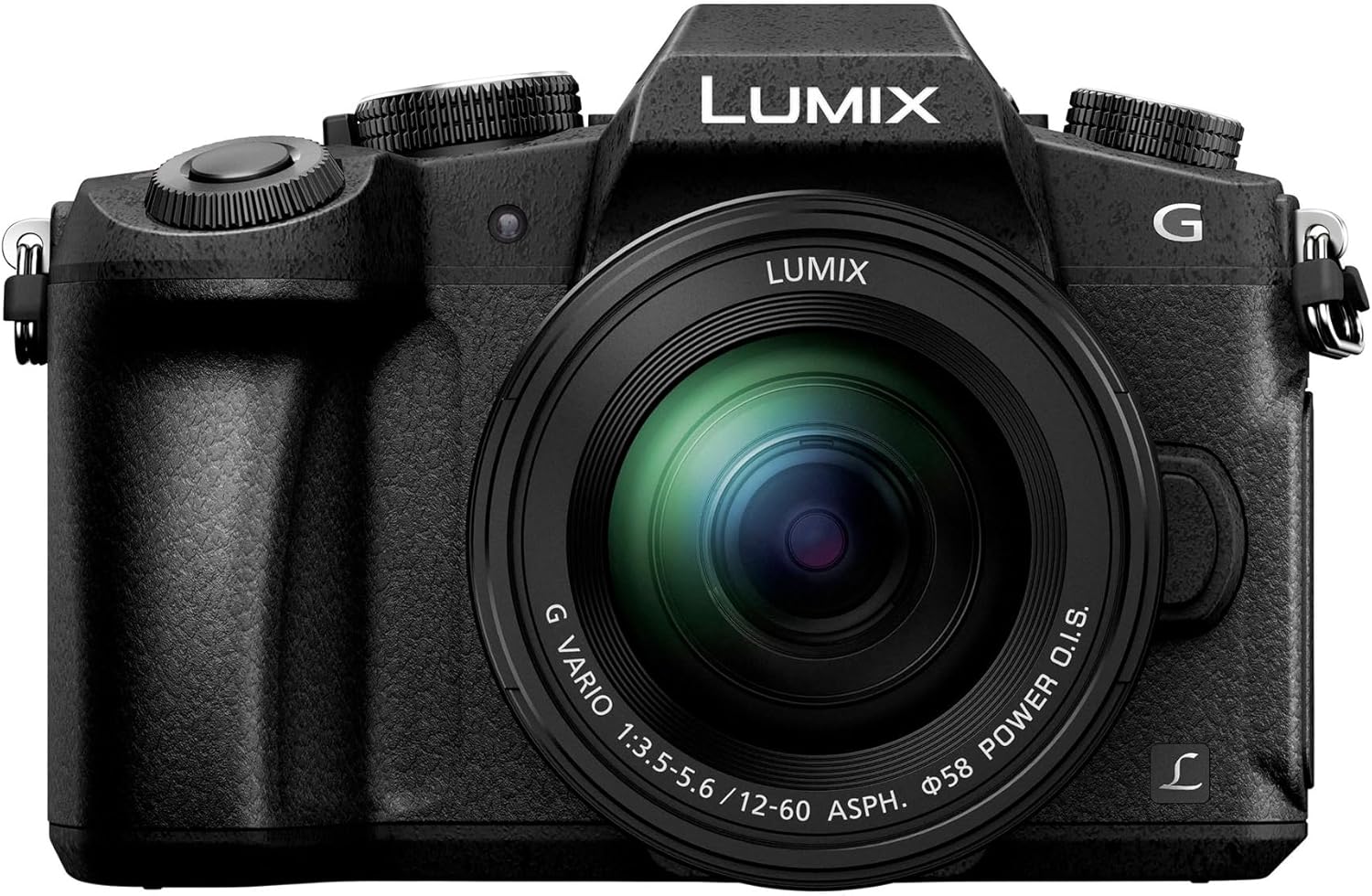
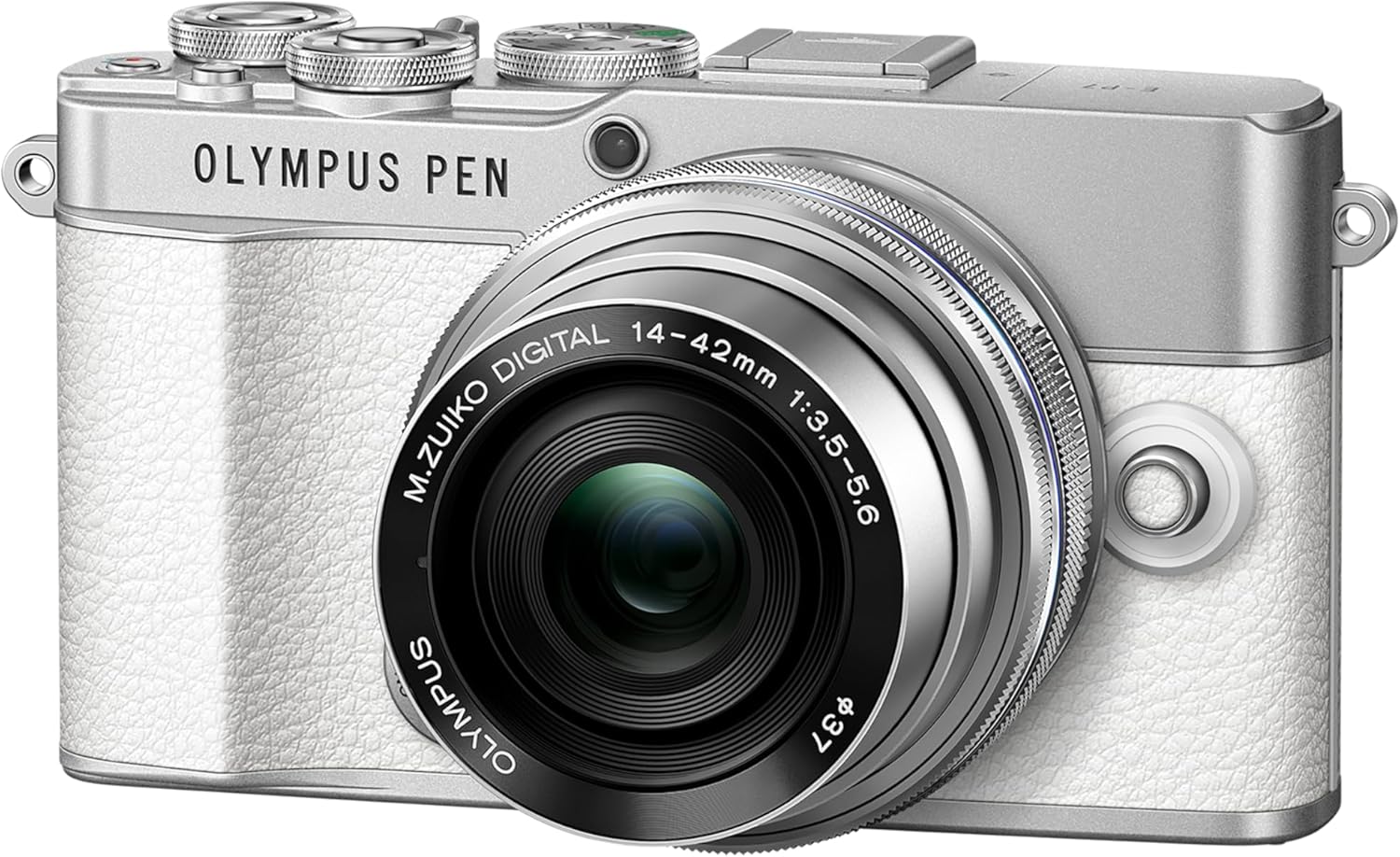
Choosing between Panasonic Lumix and Olympus for a Micro Four Thirds camera often comes down to priorities. Panasonic Lumix bodies traditionally lean toward video features, while Olympus cameras emphasize rugged builds and computational photography tools. Both brands, however, produce some of the best micro four thirds cameras for enthusiasts and working photographers.
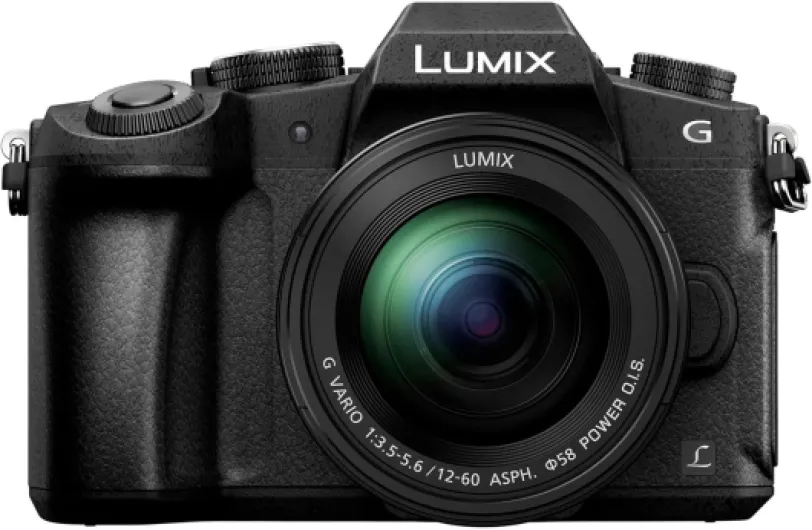
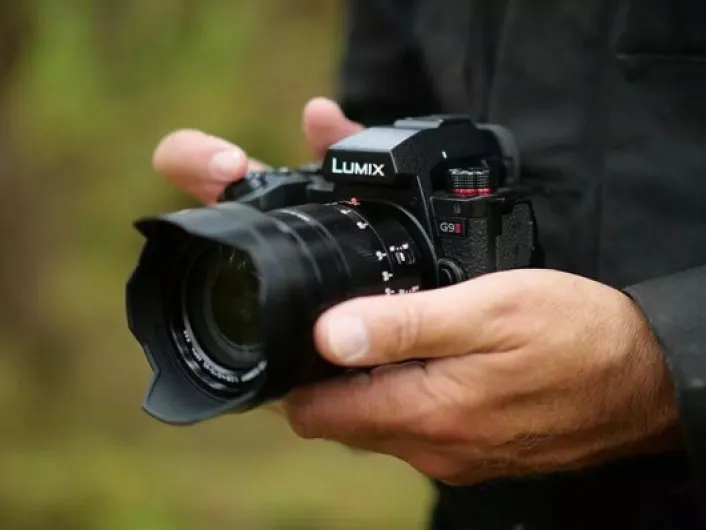
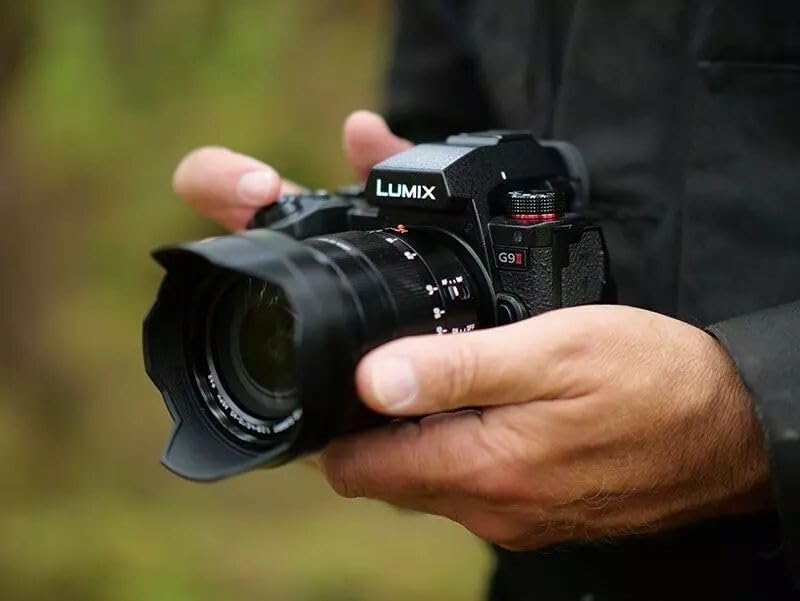
On the Panasonic side, cameras like the Lumix GH6 and G9 II are designed as hybrid workhorses. They offer high resolution sensors, strong dynamic range, advanced image stabilization, and deep video menus that rival cinema oriented bodies. If you shoot a mix of photography and video, a Panasonic Lumix mirrorless camera often gives the most flexible feature set in this system.
Olympus, now branded as OM System, focuses on portability and weather resistance. The OM‑1 and OM‑5 bodies are compact yet tough, with deep grips, sealed controls, and clever modes such as Live ND, Live Composite, and high resolution multi shot capture. For landscape and wildlife photography, these Olympus thirds cameras pair beautifully with long focal length lenses while keeping the overall kit light.
Lens compatibility is a major advantage when you compare these brands. You can mount Panasonic lenses on Olympus bodies and vice versa, so a photographer might buy a small Olympus thirds camera for hiking and later add a video focused Panasonic Lumix body without replacing any lenses. This shared mount also means that a single zoom lens or fast prime can serve double duty across different camera bodies in your bag.
When you read any detailed Lumix review, pay attention to how the camera handles autofocus, rolling shutter, and low light noise. These factors reveal how well a micro four thirds body can compete with larger full frame rivals in demanding situations. Similarly, reviews of Olympus cameras often highlight their computational modes, which can extend dynamic range or simulate longer exposures without a tripod.
If you prefer a compact kit, both brands offer small bodies that rival many compact mirrorless options in other mounts. Some of these Micro Four Thirds cameras appear in guides to top compact mirrorless cameras, where their light weight and strong image stabilization stand out. For travel and everyday photography, this combination of portability and performance keeps the best micro four thirds cameras highly relevant.
To illustrate how these differences play out in practice, imagine a photographer covering a coastal landscape at sunrise and then filming a short travel video in town. They might use an OM‑1 with a weather sealed zoom lens on the beach, relying on Live ND and high resolution modes to capture long exposure waves and detailed rocks without a tripod. Later, they could switch to a Lumix GH6 with a compact prime in the city, taking advantage of its advanced video codecs, audio options, and stabilization to record smooth handheld footage while walking through narrow streets.
How Micro Four Thirds lenses shape image quality, depth of field, and handling
The lens ecosystem is the real backbone of any camera system, and Micro Four Thirds is no exception. Because the sensor is smaller than full frame, you can design lenses that are lighter, smaller, and often less expensive while still delivering excellent optical performance. This is why many photographers consider the lens options when deciding to buy into the best micro four thirds cameras.
In this format, focal length behaves differently due to the 2× crop factor. A 12 mm zoom lens gives a field of view similar to a 24 mm lens on full frame, while a 42.5 mm prime behaves like an 85 mm portrait lens. Understanding this relationship helps you choose the right camera lens for landscapes, portraits, wildlife, or street photography within the Micro Four Thirds system.
Depth of field is also affected by the smaller sensor. For the same framing and aperture, a Micro Four Thirds camera will show deeper depth field than a full frame camera, which can be an advantage for documentary work, events, and video where you need more of the scene in focus. To get a similar background blur to full frame, you can use faster lenses such as f/1.2 or f/1.4 primes, which are still relatively compact in this system.
Panasonic lenses and Olympus lenses cover everything from ultra wide to super telephoto, with many options featuring optical image stabilization. When combined with in body stabilization in the best micro four thirds cameras, these stabilized lenses allow sharp handheld shots at surprisingly slow shutter speeds. This synergy is particularly valuable in low light situations, where you want to avoid raising ISO too high and losing dynamic range.
Third party makers such as Sigma and Laowa also contribute to the Micro Four Thirds lens micro ecosystem. You can find compact primes, cinema style lenses for video, and specialized macro optics that expand what a small thirds camera can do. Some photographers even adapt Leica M or other manual focus lenses, using focus peaking and magnification to achieve precise focus on a modern mirrorless camera body.
For buyers comparing different systems, it helps to look at curated lists of top best digital cameras and then check which Micro Four Thirds models and lenses appear. This cross comparison shows how the best micro four thirds cameras hold their own against APS‑C and full frame rivals, especially when you factor in total kit weight and the versatility of the lens lineup. Over time, the ability to carry several lenses without strain often matters more than chasing the absolute shallowest depth field.
Comparing Micro Four Thirds with full frame and other mirrorless formats
Anyone considering the best micro four thirds cameras will eventually compare them with full frame and APS‑C rivals. A full frame camera offers a larger sensor, which can provide better low light performance, wider dynamic range, and shallower depth field at the same aperture. Micro Four Thirds, however, counters with lighter bodies, smaller lenses, and often more affordable prices across the entire system.
In practical terms, a Micro Four Thirds kit with two bodies and three zoom lens options might weigh roughly half as much as an equivalent full frame setup, based on typical manufacturer weight listings. This difference becomes obvious when you carry gear all day for travel photography, weddings, or long hikes in the mountains. Less weight means less fatigue, faster reaction times, and a greater chance you will actually bring the camera instead of leaving it at home.
Low light performance is one of the main trade offs when you choose a smaller sensor. Modern Micro Four Thirds sensors have improved high resolution and noise control, but a good full frame camera still holds an edge at very high ISO values. You can partly offset this by using fast lenses, effective image stabilization, and careful exposure, which is why many photographers are satisfied with the best micro four thirds cameras even for indoor events.
Dynamic range, which measures how well a sensor captures detail in shadows and highlights, is another area where full frame can lead. That said, recent Micro Four Thirds sensors from Panasonic and OM System deliver competitive dynamic range for most real world scenes. Combined with in camera processing and modern RAW converters, these cameras provide files that stand up well to heavy editing.
Video performance is more nuanced, because many Micro Four Thirds bodies are designed specifically for filmmakers. A Panasonic Lumix mirrorless camera such as the GH6 offers advanced codecs, long recording times, and strong image stabilization that rivals or exceeds some full frame competitors. For many creators, the ability to mount a wide range of compact lenses and keep the rig light outweighs the modest noise advantage of a larger sensor.
Ultimately, the choice between Micro Four Thirds and full frame depends on your priorities. If you value portability, lens variety, and cost efficiency, the best micro four thirds cameras remain a compelling option in the broader mirrorless camera market. If you regularly shoot in extremely low light or need the shallowest possible depth field, then a full frame system may justify its extra weight and expense.
How to choose and buy the best Micro Four Thirds camera for your needs
Selecting the best micro four thirds cameras for your work starts with an honest assessment of your shooting style. Ask whether you prioritize still photography, video production, or a balanced hybrid approach, because different Micro Four Thirds bodies lean in different directions. Once you know your focus, you can buy a camera and lenses that match your real needs instead of chasing specifications you will never use.
For stills oriented photographers, look for a Micro Four Thirds camera with strong autofocus, good burst rates, and reliable image stabilization. Wildlife and sports shooters may prefer bodies with advanced subject tracking and deep buffers, paired with longer focal length lenses that benefit from the 2× crop factor. Street and travel photographers often favor smaller thirds cameras with discreet designs, tilting screens, and quiet shutters that keep attention away.
Video creators should prioritize features such as 4K or higher resolution recording, robust codecs, and clean HDMI output. A Panasonic Lumix mirrorless camera is often the best micro four thirds choice here, thanks to its video heritage, strong image stabilization, and detailed Lumix review coverage that highlights strengths and weaknesses. Pay attention to recording limits, heat management, and autofocus behavior during continuous video, because these factors affect real world usability.
Budget is another key factor when you decide what to buy. Entry level Micro Four Thirds bodies offer excellent value, especially when bundled with a versatile zoom lens that covers common focal length ranges for everyday photography. As your skills grow, you can add faster primes, specialized zoom lens options, or even a second camera body without abandoning your existing lens micro collection.
Handling and ergonomics deserve as much attention as pure specifications. Visit a store if possible, hold different Micro Four Thirds cameras, and check how the grip, buttons, and menus feel in your hands. A camera that feels natural to operate will encourage you to shoot more, which ultimately matters more than a small difference in high resolution or dynamic range on a spec sheet.
Finally, consider the long term health of the Micro Four Thirds system and the support ecosystem around it. Both Panasonic and OM System continue to release new cameras and Panasonic lenses, while third party makers expand the range of compatible optics and accessories. This ongoing investment suggests that the best micro four thirds cameras will remain a viable choice for photographers who value a light, flexible, and capable mirrorless camera system.
Building a versatile Micro Four Thirds kit for travel, work, and creativity
Once you have chosen one of the best micro four thirds cameras, the next step is building a kit that suits your projects. A sensible starting point is a standard zoom lens that covers roughly 12–60 mm, which behaves like 24–120 mm on full frame and handles most everyday photography tasks. Pair this with a small prime lens around 17 or 25 mm for low light work and shallow depth field portraits.
For travel and documentary shooters, a lightweight telephoto zoom lens in the 40–150 mm or 35–100 mm range adds reach without much extra weight. On a Micro Four Thirds camera, these focal length ranges become powerful tools for compressing perspective, isolating subjects, and capturing distant details. Thanks to effective image stabilization in many bodies and lenses, you can often handhold these combinations even in fading light.
Creators who focus on video may want a different mix of lenses and accessories. Constant aperture zooms, cinema style manual focus lenses, and fast primes with smooth bokeh help shape the look of your footage on a mirrorless camera. A cage, external microphone, and possibly an external recorder can turn a compact Micro Four Thirds body into a professional video rig while keeping the overall system light.
Specialized photography genres also benefit from the Micro Four Thirds format. Macro shooters can exploit the deeper depth field at a given magnification, making it easier to keep insects or small products sharp across more of the frame. Astrophotographers appreciate the combination of fast wide angle lenses, good image stabilization for foreground elements, and the ability to pack a complete kit in a small bag.
As your skills grow, you might add a second body to your Micro Four Thirds system. Many professionals pair a high resolution Panasonic Lumix camera with a faster, more rugged Olympus body, using each where it excels while sharing the same set of Panasonic lenses and Olympus primes. This dual body approach reduces lens changes, provides backup in case of failure, and lets you keep different focal length ranges ready at all times.
Over time, a carefully chosen Micro Four Thirds kit can handle almost any assignment short of the most extreme low light or ultra shallow depth field demands. The combination of compact cameras, flexible lenses, strong image stabilization, and mature video features explains why the best micro four thirds cameras remain a smart buy for many photographers. With thoughtful planning, this system can support both your current projects and your future creative ambitions.
Key figures about Micro Four Thirds and mirrorless adoption
- According to the Camera & Imaging Products Association, mirrorless camera shipments surpassed DSLR shipments globally several years ago, marking a decisive shift toward compact interchangeable lens systems.
- Industry reports from firms such as BCN Retail show that Micro Four Thirds and APS‑C formats together account for a majority of mirrorless camera sales in Japan, reflecting strong demand for lighter systems.
- Panasonic and OM System collectively offer more than 50 native Micro Four Thirds lenses, including Panasonic lenses, Olympus lenses, and third party options, giving this mount one of the broadest ecosystems among mirrorless formats.
- Independent testing organizations and manufacturer data indicate that recent Micro Four Thirds sensors typically deliver around 11–12 stops of usable dynamic range in RAW files, which is sufficient for most landscape and travel photography when combined with careful exposure and modern processing.
- In independent lab tests by organizations such as DXOMARK, top Micro Four Thirds cameras often reach color depth scores in the mid‑20‑bit range, enabling smooth tonal transitions in portraits and product photography without visible banding.