How to choose your first camera without wasting money
Before you buy anything, define what you want your first camera to do. If you mainly shoot family events and travel, a compact digital camera with a versatile optical zoom and reliable automatic modes may be the best budget choice. When you expect to explore serious camera photography, consider an entry level mirrorless camera or DSLR that accepts multiple lenses and memory cards, giving you a system that can grow as your skills and interests change.
Think in terms of total system cost, not just the body price on Amazon or in a local store. A cheap body with an expensive lens, extra card, tripod, and bag can quickly exceed what you planned to spend on the best best digital cameras for beginners. For a structured walkthrough of what to buy and what to skip in your first kit, this guide on your first real camera under 500 dollars explains how to balance body, lens, and accessories with a realistic budget.
When comparing cameras, ignore marketing buzzwords and look at real image quality and handling. Hold different cameras if possible, test how quickly they focus, and check whether the menus feel logical when you change basic settings. A good beginner camera should never intimidate you, and the best models make it easy to move from full auto to aperture or shutter priority as your confidence grows and you start experimenting with creative control.
Compact, point and shoot, and vlogging camera options
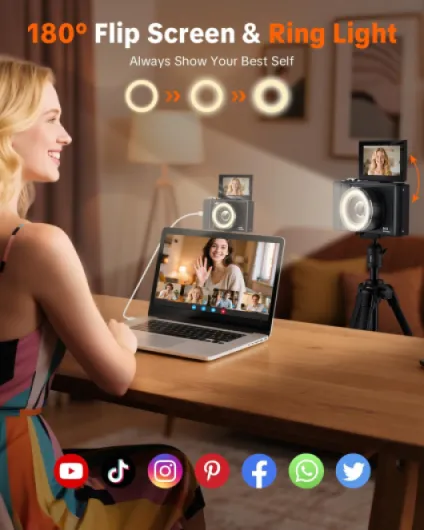
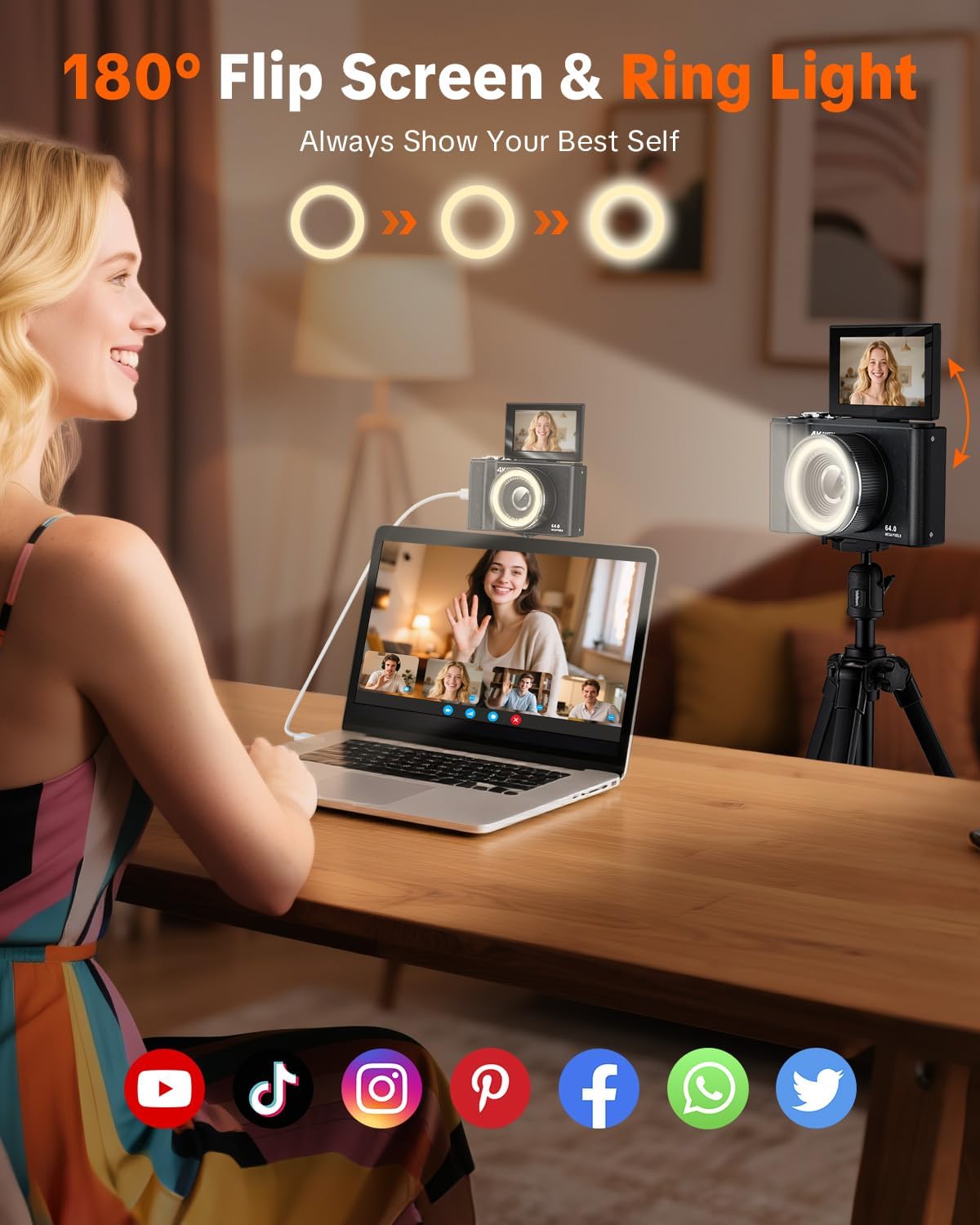
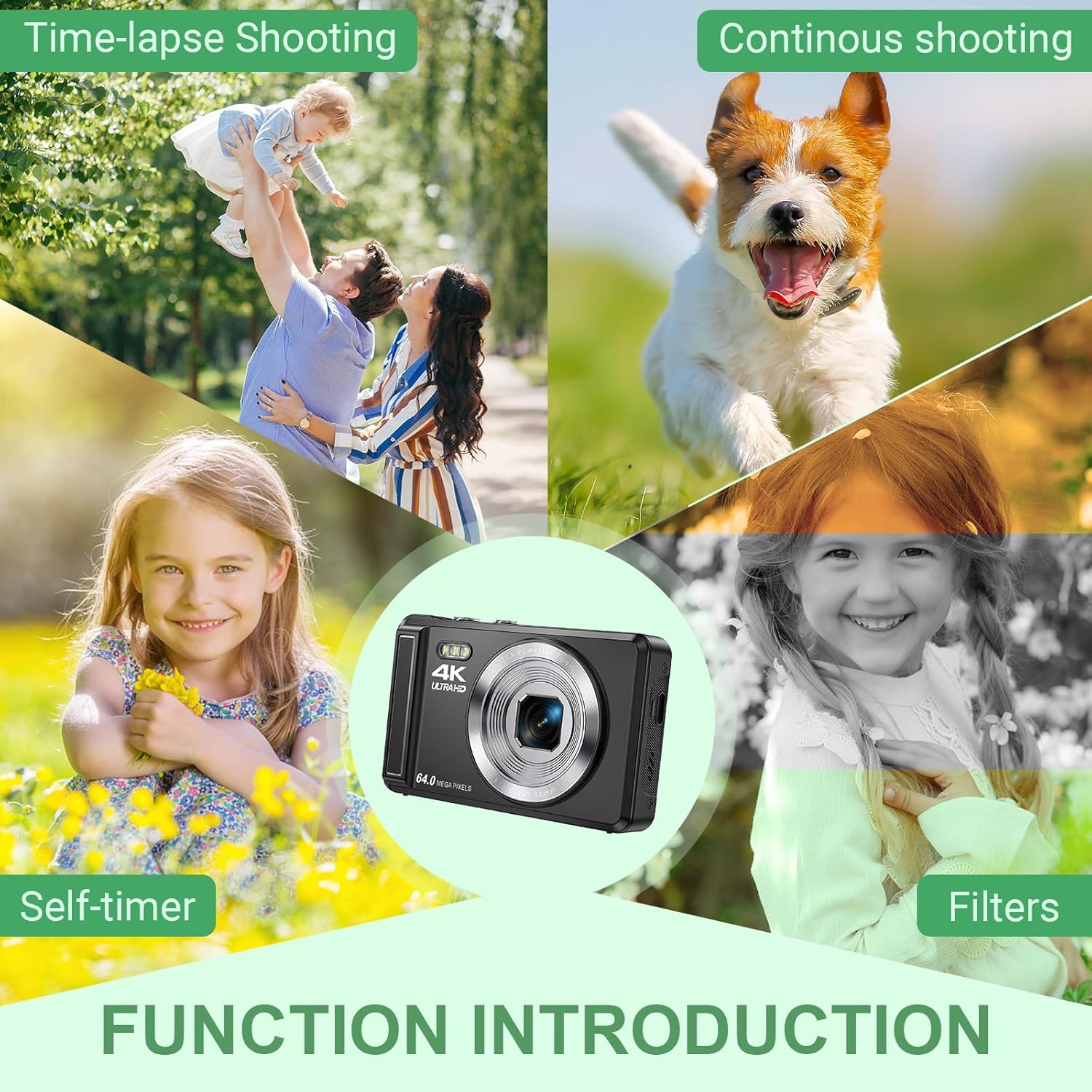
Many newcomers start with compact cameras because they are light, small, and easy to carry. A compact digital camera with a fixed lens and strong optical zoom can cover everything from wide landscapes to tight portraits without needing extra lenses. These compact cameras often include a flip screen, which helps when you shoot selfies, record a quick video, or frame low angle shots comfortably in crowded or awkward spaces.
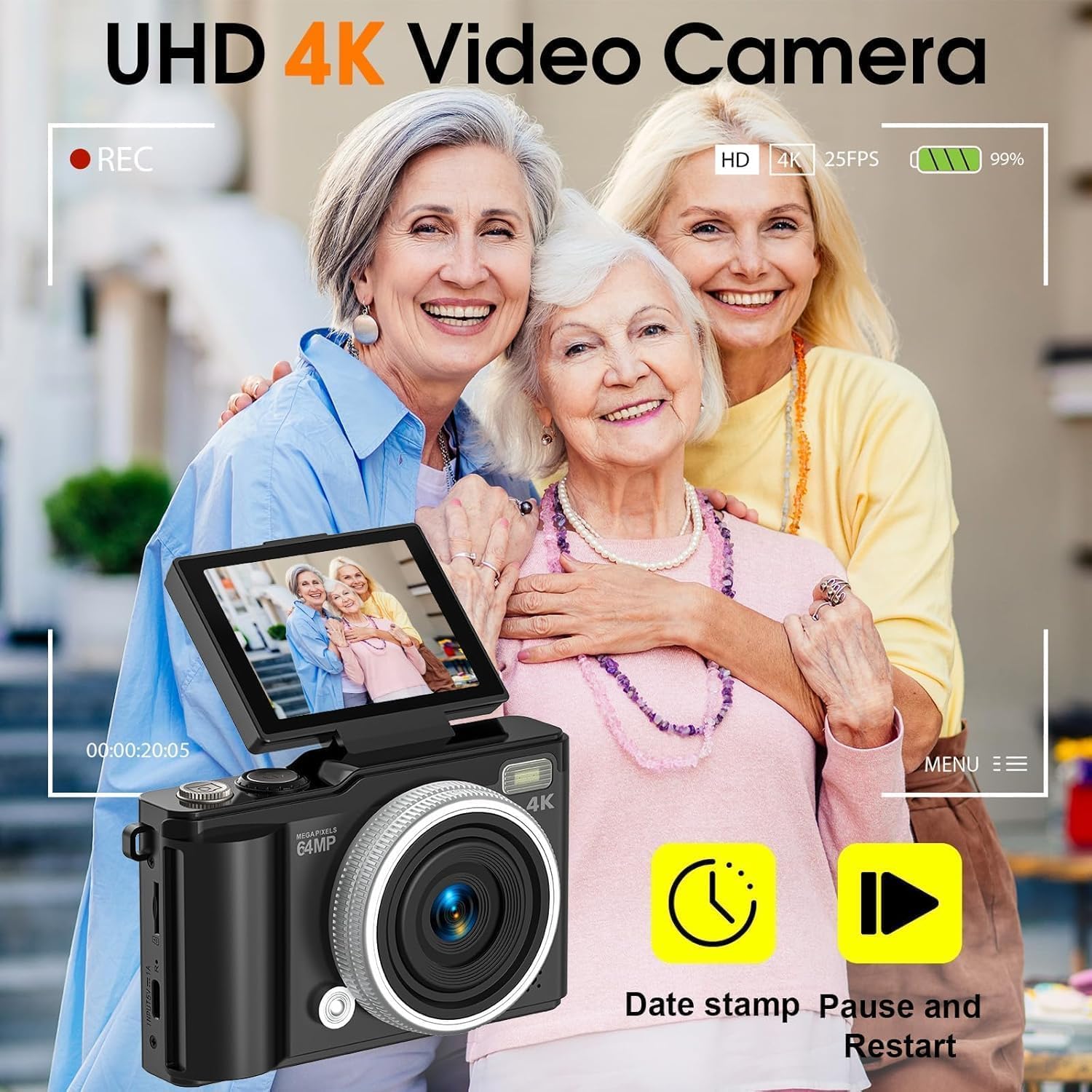
Traditional point and shoot cameras focus on simplicity, letting you press one button and trust the camera to handle exposure and focus. Some point and shoot camera models now offer surprisingly good image quality, fast autofocus, and 4K video, making them realistic candidates among the best best digital cameras for casual users. If you want to start a YouTube channel, a dedicated vlogging camera with a side hinged flip screen and clean audio input will make your first shoot feel smoother and more professional from day one.
When choosing a vlogging camera, prioritize continuous autofocus, stabilisation, and microphone support. A camera that tracks your face reliably while you walk, talk, and shoot video will keep your camera image sharp and engaging for viewers. For a deeper breakdown of how to choose a vlogging camera that will not fail on your first shoot, read this detailed guide on selecting a reliable vlogging camera before you buy so you understand the tradeoffs between price, size, and features.
Canon, Fujifilm, and other systems explained for first time buyers
Brand choice matters because you are often buying into a long term system. Canon, Fujifilm, Sony, and Nikon each offer digital cameras, lenses, and accessories that shape how you shoot and upgrade over time. When you compare systems, think about lens availability, best budget options, and whether you prefer a DSLR or a mirrorless camera body with modern autofocus and video features.
Canon EOS cameras remain popular with beginners because they combine friendly menus, strong autofocus, and a wide range of affordable lenses. A Canon EOS mirrorless camera with a kit zoom lens can deliver excellent image quality for travel, portraits, and everyday camera photography while leaving room to add a fast prime lens later. Fujifilm cameras appeal to many creative beginners thanks to their tactile dials, film simulation modes that mimic classic film cameras, and compact bodies that encourage you to carry a camera everywhere instead of leaving it at home.
If you feel unsure about which camera system fits you best, compare how each brand handles ergonomics and menus. This in depth guide on how to pick a camera system without regret walks through Canon, Nikon, and Sony in detail. Remember that the best best digital cameras for you are the ones whose controls feel natural, whose lenses match your subjects, and whose ecosystem you can afford to expand over several years without constant buyer’s remorse.
Special cases: instant cameras, Kodak Pixpro, and Instax Mini
Not every beginner wants a traditional interchangeable lens digital camera as a first step. Some people learn composition and timing more easily with instant cameras such as the Instax Mini series, where every physical print forces you to think before you shoot. While an Instax Mini camera cannot match digital cameras for resolution or image quality, it can build confidence and a sense of fun that later transfers to more advanced gear and more deliberate shooting.
Budget conscious buyers sometimes look at models like the Kodak Pixpro line, which offers compact cameras with long zoom ranges at low prices. A Kodak Pixpro camera can be a good travel companion if you mainly share images online and do not need full frame quality or advanced video features. These cameras usually rely on a fixed lens design, so you trade the flexibility of a mirrorless camera system for simplicity and a lower cost of entry that still lets you experiment.
Film camera options still exist for beginners who enjoy a slower, more deliberate process. Classic film cameras teach exposure and focus discipline, but the ongoing cost of film and processing makes them less practical than a digital camera for most learners. If you love the look of film cameras yet want the convenience of digital, Fujifilm simulations and other creative profiles on modern cameras can give you a similar mood without the expense or delay of traditional darkroom work.
Key specs that matter on the top best digital cameras
When you compare spec sheets, focus on the numbers that actually affect your photos. Sensor size, lens quality, autofocus performance, and stabilisation all shape the final image far more than small differences in megapixels. A full frame sensor gathers more light and usually delivers cleaner low light image quality, but many beginners achieve excellent results with smaller sensors when paired with a good lens and sensible exposure settings.
Look closely at the kit zoom lens that comes with many beginner cameras, because this lens often determines how flexible your new camera feels. A sharp zoom that covers wide angle to short telephoto, combined with effective optical zoom and stabilisation, will help you shoot handheld in varied conditions. Check that the camera accepts fast memory cards, records at least Full HD or 4K video, and offers a flip screen if you plan to vlog or shoot from creative angles or cramped interiors.
Battery life and ergonomics matter just as much as headline specifications. A camera that fits your hand, places buttons logically, and lasts through a full day of shooting will encourage you to keep practicing. Among the best best digital cameras for beginners, the most successful models balance strong camera image output, straightforward controls, and a realistic best budget price that leaves room for a spare card and bag instead of draining your entire savings.
Practical buying tips for first time camera photography
Start by setting a realistic budget that includes accessories, not just the camera body. You will need at least one reliable memory card, a protective case, and possibly a simple tripod if you plan to shoot video or low light scenes. Many beginners also benefit from an extra battery, because nothing kills enthusiasm faster than a dead camera halfway through a day of shooting or a once in a lifetime event.
Whenever possible, handle several cameras in person before you buy, even if you eventually order from Amazon or another online retailer. Pay attention to how quickly each camera wakes up, how responsive the shutter feels, and whether the menus make sense when you change ISO, aperture, or video settings. The best best digital cameras for beginners feel like an extension of your hands, letting you focus on composition and light rather than wrestling with confusing controls or buried menu options.
Finally, remember that no single camera will make every image perfect on its own. Skill, patience, and practice matter more than whether you chose Canon, Fujifilm, or another brand for your first digital camera. Invest in learning, shoot regularly with your chosen camera or cameras, and your results will quickly outgrow whatever limitations your first kit may have as you refine your eye and technique.
Key figures about beginner and digital camera adoption
- According to the Camera & Imaging Products Association, global digital camera shipments have fallen sharply over the past decade, while the share of mirrorless camera models has risen steadily, showing that beginners increasingly choose compact yet advanced systems.
- Industry reports from major retailers indicate that entry level cameras under roughly 800 euros account for more than half of all interchangeable lens camera sales, confirming that the best budget segment remains crucial for first time buyers.
- Survey data from photography education platforms suggests that more than 60 percent of new students start with a kit zoom lens and only upgrade lenses after at least one year of regular shooting, highlighting the importance of a versatile starter lens.
- Streaming and social media platforms report continuous growth in video uploads, and this trend has pushed manufacturers to add better video features and flip screens even to beginner cameras, making hybrid photo and video shooting the new normal.