

Canon, Nikon, or Sony: how to pick a camera system in 2026 without regretting it in 2028

Canon, Nikon, or Sony: how to pick a camera system in 2026 without regretting it in 2028

22 June 2026 19 min read
Detailed comparison of Canon vs Nikon vs Sony camera systems, focusing on mirrorless mounts, lens ecosystems, long-term costs, and how to choose the right brand for your photography over several years.
Canon, Nikon, or Sony: how to pick a camera system in 2026 without regretting it in 2028

Canon vs Nikon vs Sony: thinking in systems, not single cameras

When people compare Canon vs Nikon vs Sony, they usually fixate on one shiny camera body. That feels logical, yet over a few years your lenses, accessories, and upgrades will cost far more than that first camera. If you treat Canon, Nikon, or Sony as long term photography systems instead of isolated cameras, your choice will age far better.

Each brand now revolves around mirrorless cameras, even if older DSLR bodies still linger in shops. Canon pushes its RF mount and the latest Canon EOS R series, Nikon builds around the Z mount, while Sony leans on its E mount mirrorless camera system that has matured for more than a decade. The question is not which single camera is best today, but which system will still feel flexible and affordable when you want a new lens or better video features in a few years.

For a first real camera, you probably sit in the entry level to mid range budget, yet you still want professional looking results. That means you must balance body price, lens costs, and future upgrades across Canon vs Nikon vs Sony, rather than chasing the cheapest deal on one camera. Think of it like choosing a public transport network in a new city; the routes, frequency, and long term ticket prices matter more than the colour of the first bus you ride.

Canon still sells DSLR bodies such as the Canon EOS 90D, and Nikon keeps a few DSLR models alive, but both companies clearly invest their best technology in mirrorless. Sony abandoned DSLR and SLT hybrids years ago and focused entirely on mirrorless cameras, which is why many professional photographers now treat Sony cameras as their main workhorses. If you buy into a DSLR system today, you will probably face shrinking lens options and weaker resale value compared with a modern full frame mirrorless body.

Across Canon, Nikon, and Sony, you will see both APS C and full frame sensors, and both can be excellent. APS C cameras crop the image compared with full frame, which helps with telephoto reach for wildlife but makes true wide angle photography slightly harder. The right sensor size depends more on what you shoot and which lenses you can afford than on abstract ideas about which format is better.

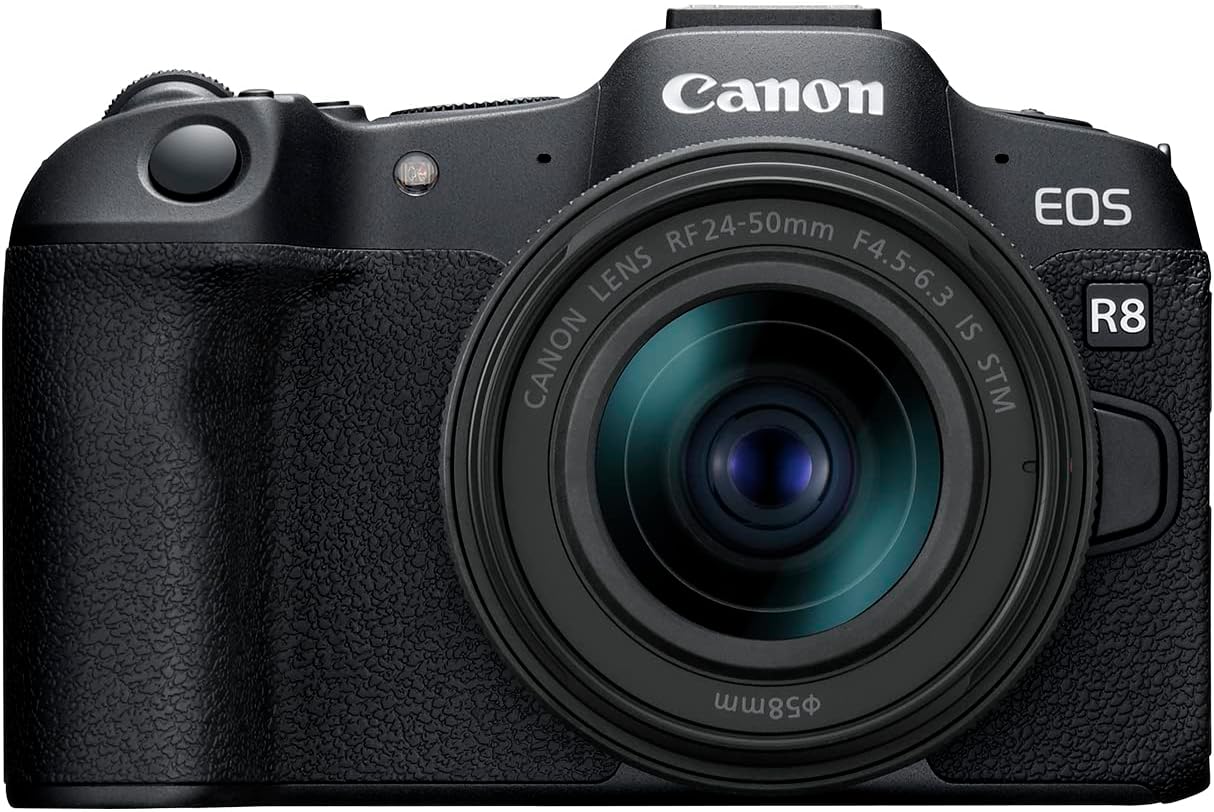
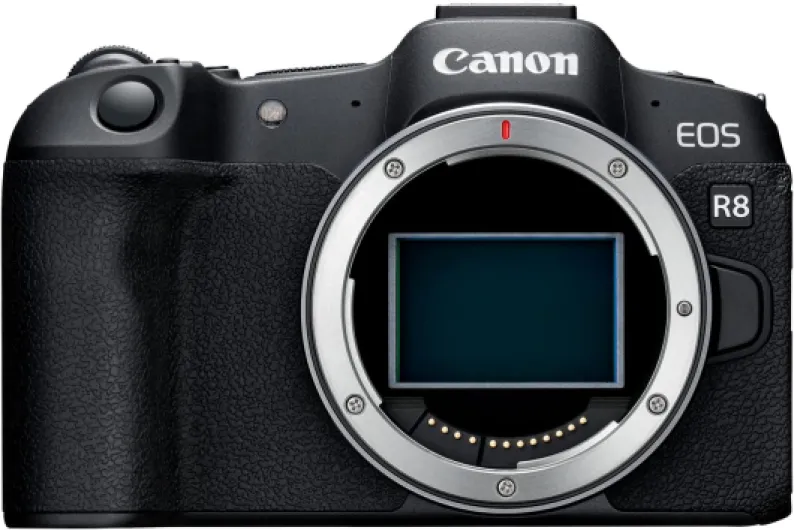
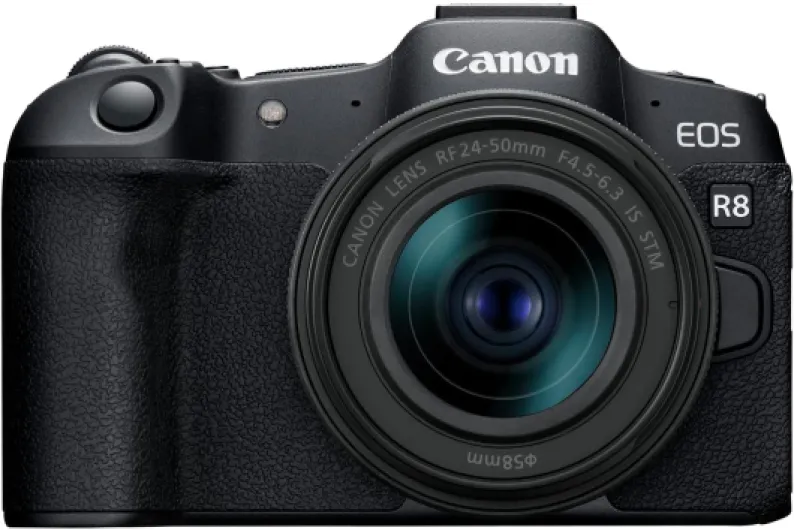
When you read spec sheets, remember that every camera system involves trade offs between autofocus, battery life, low light performance, and video features. A Canon EOS R8, a Nikon Z5, and a Sony a7C II can all produce beautiful images, yet each one handles differently in your hands and connects to a different lens ecosystem. Your goal is not to win a spec war, but to pick the system that will quietly support your photography habits for years without constant second guessing.

Canon today: strong all rounders, pricey lenses, and a maturing RF system

Canon feels familiar to many people because they have seen Canon EOS DSLRs at weddings, sports events, and family gatherings for years. That legacy matters, yet the real action now sits in Canon’s RF mirrorless camera system, where bodies like the Canon EOS R8, R7, and R6 Mark II cover entry level to professional needs. When you weigh Canon vs Nikon vs Sony, Canon’s strength lies in approachable ergonomics, reliable autofocus, and colour science that flatters skin tones straight out of the camera.

On the lens side, Canon RF lenses range from affordable kit zooms to heavy professional glass like the RF 70–200 mm f/2.8, and this is where costs climb quickly. Over the life of a Canon system, your RF lens collection will usually cost several times more than your first camera body, especially if you add fast primes for low light or portrait photography. That is why choosing Canon for your first mirrorless camera means accepting higher prices for native lenses, even though you can adapt older EF DSLR lenses with a simple mount adapter.

For video, Canon has pivoted hard, with models such as the Canon EOS R6 Mark II and Canon EOS R7 offering oversampled 4K, strong autofocus, and decent battery life for hybrid shooters. If you care about image stabilisation, Canon’s in body stabilisation on mid range and professional bodies pairs well with optically stabilised lenses, which helps for handheld video and low light stills. You can explore more about bodies that prioritise stabilisation in dedicated guides to top digital cameras with image stabilisation, then cross check which of those sit inside the Canon ecosystem.

Entry level buyers often look at Canon EOS R50 or R10 as their first mirrorless cameras, because these APS C bodies feel light and affordable. They still benefit from Canon’s Dual Pixel autofocus, which tracks faces and eyes reliably for family photography, travel, and casual video. In the Canon vs Nikon vs Sony debate, these small Canon cameras show how a friendly interface and strong autofocus can matter more than raw sensor specs for everyday use.

Professional photographers who already own Canon DSLR lenses sometimes hesitate between staying with Canon or jumping to Sony or Nikon. In many cases, keeping your existing Canon lens collection and using an adapter on a Canon EOS R body offers the best balance of cost and familiarity, especially if you own expensive L series glass. Switching from Canon to Nikon or Sony means selling that lens kit, accepting some loss in resale value, and then rebuilding your system from scratch.

Canon’s RF system still restricts some third party autofocus lenses, although brands like Viltrox and Sigma have started to release compatible options and more AF primes are being announced. This means that, compared with Sony cameras, Canon users may pay more for equivalent focal lengths and apertures, especially for fast primes and wide zooms. If you plan to grow a large lens collection over time, that difference in lens pricing can matter more than whether one Canon EOS body has slightly better video specs than a rival Nikon or Sony camera.

Sony today: widest lens choice, cutting edge sensors, and strong resale

Sony entered the mirrorless camera race early and built a deep ecosystem around the E mount, which now covers both APS C and full frame bodies. When people compare Canon vs Nikon vs Sony, they often find Sony cameras offer the broadest mix of bodies and lenses at different price points. That breadth makes Sony a compelling system if you want maximum flexibility and the option to buy used gear easily.

The Sony a7 series, including models like the a7 IV and a7C II, anchors Sony’s full frame mirrorless cameras, while the a6700 and ZV series cover APS C and video focused needs. Across this range, Sony leans on advanced sensor technology, including stacked sensors in higher end bodies that deliver fast readout, reduced rolling shutter, and better autofocus tracking for action photography. In practical terms, that means a Sony camera will often lock onto a running child or a dog more confidently than many older Canon or Nikon bodies, especially in tricky low light.

Lens choice is where Sony really stretches ahead, because the E mount has attracted many third party brands alongside Sony lenses. You can build a compact travel kit with small primes, a professional zoom trio for weddings, or a budget wildlife setup using third party telephotos, all within the same Sony system. Over time, that variety helps keep your total system cost under control, since you can mix premium Sony lenses with more affordable alternatives without sacrificing autofocus or video performance.

For entry level buyers, Sony offers bodies like the a6100 or ZV E10, which pair well with small APS C lenses and simple controls. These cameras give you access to the same E mount ecosystem as professional full frame bodies, so you can upgrade the camera later while keeping your favourite lens. In the Canon vs Nikon vs Sony comparison, this continuity across APS C and full frame makes Sony particularly attractive if you think you might move to a full frame mirrorless camera in a few years.

Battery life on Sony cameras has improved significantly since the early mirrorless days, especially with the NP FZ100 battery used in many recent bodies. You can now shoot a full day of mixed stills and video on a single charge in many situations, although heavy 4K recording or cold weather will still drain batteries faster. If you plan to record long events or stream, pairing a Sony camera with clean HDMI output and external power, as outlined in guides to digital cameras with HDMI output, can turn it into a reliable video tool.

Resale value tends to be strong with Sony cameras, partly because the E mount system has a large user base and long track record. That matters when you eventually sell an older body or lens to fund an upgrade, since a healthy used market effectively lowers your long term system cost. If you weigh Canon vs Nikon vs Sony with an eye on future upgrades, Sony’s combination of lens choice, sensor innovation, and resale strength makes it a safe long term bet for many photographers.

Nikon today: excellent optics, thoughtful ergonomics, and fast catching Z mount

Nikon’s mirrorless Z system arrived later than Sony’s E mount and Canon’s RF mount, yet it has matured quickly into a serious contender. When you compare Canon vs Nikon vs Sony, Nikon often wins on the feel of the camera in your hand and the clarity of its electronic viewfinders. Many photographers who value a traditional shooting experience find Nikon cameras more comfortable for long days of photography.

The Nikon Z5, Z6 II, and Z7 II cover the core full frame mirrorless cameras, while the Z50 and Z fc handle APS C needs with smaller bodies. Nikon’s autofocus has improved steadily through firmware updates, especially for eye detection and subject tracking, which shows how the company treats firmware as a key part of the system. That long term firmware support means a Nikon camera you buy today may gain better autofocus or video features over time, without any extra hardware cost.

Optically, Nikon Z lenses have earned a reputation for sharpness, consistent performance across the frame, and strong control of aberrations. Even the more affordable Z lenses often punch above their price, which helps balance the smaller overall lens lineup compared with Sony and Canon. If you care deeply about image quality across the entire frame, Nikon’s native Z lenses make a strong argument in the Canon vs Nikon vs Sony debate.

Entry level shooters can start with a Nikon Z50 or Z30, which pair well with compact APS C zooms and primes for travel and family photography. These cameras share the same Z mount as Nikon’s full frame bodies, so you can later move to a Z5 or Z6 II while keeping your favourite lens. That shared mount across APS C and full frame mirrorless cameras mirrors Sony’s approach and makes Nikon a practical long term system choice.

For low light work, Nikon’s full frame bodies like the Z6 II offer clean high ISO performance and strong dynamic range, which helps when recovering shadows in night cityscapes or indoor events. Combined with fast Z lenses, this makes Nikon a solid option for wedding, concert, or documentary photography where flash is not always possible. In those scenarios, the difference between Canon vs Nikon vs Sony often comes down to how comfortable you feel with the camera controls when working quickly in dim conditions.

Nikon still supports some DSLR users with F mount lenses, and adapters allow those lenses to work well on Z bodies, though not always with the same autofocus speed as native glass. If you already own a bag of Nikon F mount lenses, staying within the Nikon system and moving to a Z body can be more cost effective than switching to Canon or Sony. Over time, as Nikon releases more Z lenses, the gap in lens variety with Sony narrows, making Nikon an increasingly attractive system for both entry level and professional photographers.

How to match Canon, Nikon, or Sony to what you actually shoot

Choosing between Canon vs Nikon vs Sony becomes easier when you start from your real life photography rather than from spec sheets. Ask yourself what you will actually shoot in the next two years, not what you might shoot one day if you suddenly become a wildlife professional. Your answers about family events, travel, portraits, or video will point you toward the system that fits best.

For family and travel photography, you want a light camera with reliable autofocus, good battery life, and lenses that do not break the bank. Canon’s EOS R50, Nikon’s Z50, and Sony’s a6100 all fit this entry level mirrorless camera role, yet their lens ecosystems differ in price and variety. Sony offers the widest range of small primes and zooms, Canon provides friendly menus and colours, while Nikon delivers comfortable handling and strong image quality even from modest lenses.

If portraits and low light events matter most, full frame mirrorless cameras from any of the three brands will give you cleaner files and shallower depth of field. Canon’s EOS R6 Mark II, Nikon’s Z6 II, and Sony’s a7 IV all handle this work well, especially when paired with fast 50 mm or 85 mm lenses. Here, the Canon vs Nikon vs Sony decision often hinges on which brand offers the portrait lenses you want at prices you can accept over the next few years.

For wildlife or sports, autofocus tracking, burst speed, and telephoto lens options become critical, and Sony currently leads in stacked sensor bodies and third party telephoto lenses. Nikon’s Z system is catching up quickly with lenses like the Z 100–400 mm, while Canon offers strong RF telephotos but at higher prices and with fewer third party alternatives. If you dream of photographing birds or fast action, Sony’s broader telephoto lens ecosystem and strong resale value may tilt the Canon vs Nikon vs Sony balance in its favour.

Video adds another layer, because you must consider codecs, overheating behaviour, and how comfortable the camera feels for long recording sessions. Canon has pushed hard into hybrid video with cameras like the EOS R7 and R6 Mark II, Nikon has improved its video tools steadily, and Sony still offers some of the best autofocus and log options for creators. If you expect to record long interviews, streams, or events, pairing any of these cameras with clean HDMI output and external recorders, as outlined in guides to cameras with HDMI output, can extend their video usefulness.

Street and travel shooters often prioritise compact size, silent shutters, and discreet lenses, which pushes them toward smaller APS C or compact full frame bodies. Sony’s a7C series, Canon’s EOS R8, and Nikon’s Z5 all offer relatively small full frame options, while APS C bodies remain even lighter and cheaper. In this genre, the best system is usually the one whose camera you are willing to carry every day, because the camera in your bag beats the perfect camera left at home.

A practical decision framework so you will not regret your choice

To make a clear decision between Canon vs Nikon vs Sony, you need a simple framework that cuts through marketing noise. Start by setting a total system budget for the next three years, including at least two lenses, a spare battery, and a basic tripod. Then divide that budget across body, lenses, and accessories, because the camera body should rarely eat more than half of your total spend.

Next, choose your sensor format by asking whether you truly need full frame or whether an APS C camera will cover your needs. Full frame mirrorless bodies offer better low light performance and shallower depth of field, yet APS C cameras are lighter and cheaper, especially when you factor in lens costs. For many first time buyers focused on family, travel, and casual photography, a good APS C mirrorless camera from Canon, Nikon, or Sony will feel better in daily use than a heavier full frame kit.

Then, map out a realistic three lens roadmap for your chosen system, including a general purpose zoom, a fast prime, and a telephoto or ultra wide lens. Look at actual prices for those lenses in Canon, Nikon, and Sony ecosystems, including third party options where available, and compare the totals rather than just the cost of the first camera. Often, you will find that a slightly more expensive Sony or Nikon body becomes cheaper over time because Sony lenses or Nikon Z lenses offer better value than their Canon RF equivalents.

After that, check each brand’s track record for firmware updates, repair support, and used market depth, because these factors shape your long term experience. Sony and Nikon have both delivered meaningful autofocus and video improvements through firmware, while Canon has been more conservative but still maintains strong service networks in many regions. A healthy used market for cameras and lenses in your area can also tilt the Canon vs Nikon vs Sony decision, since it affects both your upgrade path and your ability to resell gear later.

Finally, handle the cameras in person if possible, because ergonomics, menu design, and viewfinder feel cannot be judged from a spec sheet. Some people instantly click with Canon’s layout, others prefer Nikon’s dials, and many enjoy Sony’s recent menu redesigns and custom buttons. The best system is the one whose camera disappears in your hands, letting you focus on the scene instead of the controls.

If you follow this framework, you will end up with a Canon, Nikon, or Sony system that fits your budget, your photography style, and your upgrade plans. That means fewer regrets in a couple of years when new bodies arrive and marketing pushes you toward another round of Canon vs Nikon vs Sony comparisons. In the end, the camera system that wins is not the one with the most megapixels, but the one you will still be happy to shoot with five years from now.

Brand Typical body tiers Example three lens roadmap
Canon EOS R / RF Entry (R50, R10), mid range (R7, R8), enthusiast (R6 Mark II), pro (R3) Standard zoom (e.g. 24–105 mm), fast prime (35 mm or 50 mm), telephoto (70–200 mm or 100–400 mm)
Sony E / FE Entry (a6100, ZV E10), mid range (a6700, a7C II), enthusiast (a7 IV), pro (a9 series, a1) Compact zoom (24–70 mm equivalent), bright prime (35 mm or 55 mm), telephoto zoom (70–300 mm or 100–400 mm)
Nikon Z Entry (Z30, Z50), mid range (Z5, Z6 II), high resolution (Z7 II), pro (Z8, Z9) Everyday zoom (24–70 mm), portrait prime (50 mm or 85 mm), telephoto (70–180 mm or 100–400 mm)

Key figures about camera systems and lens ecosystems

  • Across Canon, Nikon, and Sony, buyers can choose from a very broad catalogue of native full frame mirrorless lenses, covering everything from ultra wide angle primes to super telephoto zooms, according to manufacturer lineups.
  • Sony’s E mount currently benefits from extensive third party autofocus lens support from brands such as Sigma, Tamron, and Samyang, which significantly expands affordable options compared with more closed systems.
  • Industry reports on the photographic market indicate that used camera sales represent a substantial share of interchangeable lens camera transactions in many regions, underlining how important resale value and system longevity are for budget conscious photographers.
  • Market share data from major research firms consistently shows Canon, Sony, and Nikon holding the top three positions in interchangeable lens cameras worldwide, confirming that all three systems remain viable long term choices.
  • Surveys of enthusiast photographers often show that lenses account for the majority of total system spending over several years, which supports the idea that lens ecosystem and pricing matter more than initial body cost.

FAQ: choosing between Canon, Nikon, and Sony

Is Canon, Nikon, or Sony better for a first real camera?

For a first interchangeable lens camera, all three brands can work well, so the better choice depends on your budget and what you plan to shoot. Canon offers friendly ergonomics and strong autofocus in entry level EOS R bodies, Nikon provides comfortable handling and excellent image quality in Z series cameras, and Sony delivers the widest lens selection and strong autofocus in its APS C and full frame mirrorless cameras. If you want maximum future flexibility, Sony’s E mount often wins, while Canon or Nikon may feel more intuitive if you value traditional controls and menus.

Should I start with APS C or full frame?

APS C cameras are usually cheaper, lighter, and perfectly capable for family, travel, and casual photography, which makes them ideal for many first time buyers. Full frame cameras offer better low light performance and shallower depth of field, which helps for portraits and events, but they also require larger, more expensive lenses. If your budget is tight, a good APS C mirrorless camera with a couple of quality lenses will usually serve you better than stretching for an entry level full frame body with only one basic zoom.

Can I still buy a DSLR, or should I go mirrorless?

DSLR cameras from Canon and Nikon can still produce excellent images, and used DSLR bodies can be very affordable, especially if you already own compatible lenses. However, most new development now happens in mirrorless cameras, which offer better autofocus coverage, improved video features, and growing lens ecosystems. If you are starting from scratch, a mirrorless system from Canon, Nikon, or Sony is the safer long term choice, because it will receive more lenses, firmware updates, and accessories in the coming years.

How many lenses do I really need to start?

Most beginners can start effectively with just two lenses, typically a general purpose zoom and a fast prime for low light and portraits. A kit zoom like an 18–55 mm or 24–70 mm equivalent covers everyday scenes, while a 35 mm or 50 mm prime with a wide aperture lets you shoot indoors without flash and create background blur. You can add a telephoto or ultra wide lens later once you know which type of photography you enjoy most, rather than buying a full kit immediately.

Will I regret choosing the wrong brand later?

You are unlikely to regret choosing Canon, Nikon, or Sony if you base your decision on lens availability, total system cost, and how the camera feels in your hands. All three brands make capable cameras and lenses, and the differences in image quality are smaller than marketing suggests for most real world use. Regret usually comes from buying into a system without checking lens prices or ignoring future needs like video, so planning a simple three lens roadmap and considering your likely upgrades will protect you from that.