Key features that define the best 1 inch sensor digital cameras
To judge the best 1 inch sensor digital cameras, start with the lens and sensor pairing. A sharp zoom lens with a wide maximum aperture lets the sensor capture more light and maintain high image quality across the frame. Look for a focal range that suits your style, whether you prefer wide landscapes or tighter portraits.
Next, examine resolution and video resolution specifications, but do not obsess over megapixels alone. A balanced sensor size, good processing, and effective image stabilization often produce better photos than a higher resolution sensor with weak optics. Many modern compact cameras now offer 4K video, slow motion modes, and clean output for streaming or vlogging.
The rear screen and viewfinder also shape your shooting experience every day. A tilting or fully articulating screen helps with low angle compositions, self portraits, and discreet street photography. Touch controls can speed up focus point selection, while a bright electronic viewfinder gives a more stable camera image in harsh sunlight.
Connectivity and ergonomics complete the picture for serious users. Wi Fi and Bluetooth make it easier to share images quickly without sacrificing the benefits of a dedicated digital camera. For creators interested in live streaming, pairing a 1 inch sensor camera with tools like this wireless live streaming camera test can create a flexible hybrid setup.
How leading brands approach 1 inch sensor design
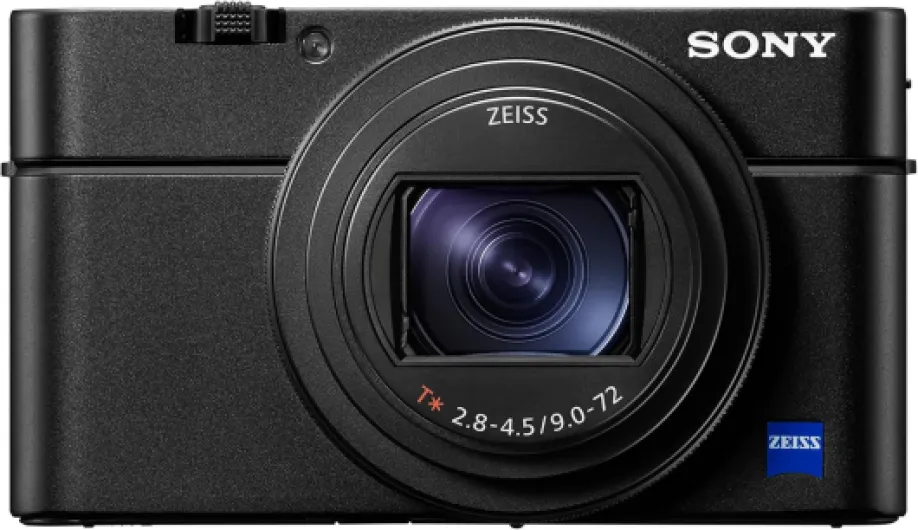
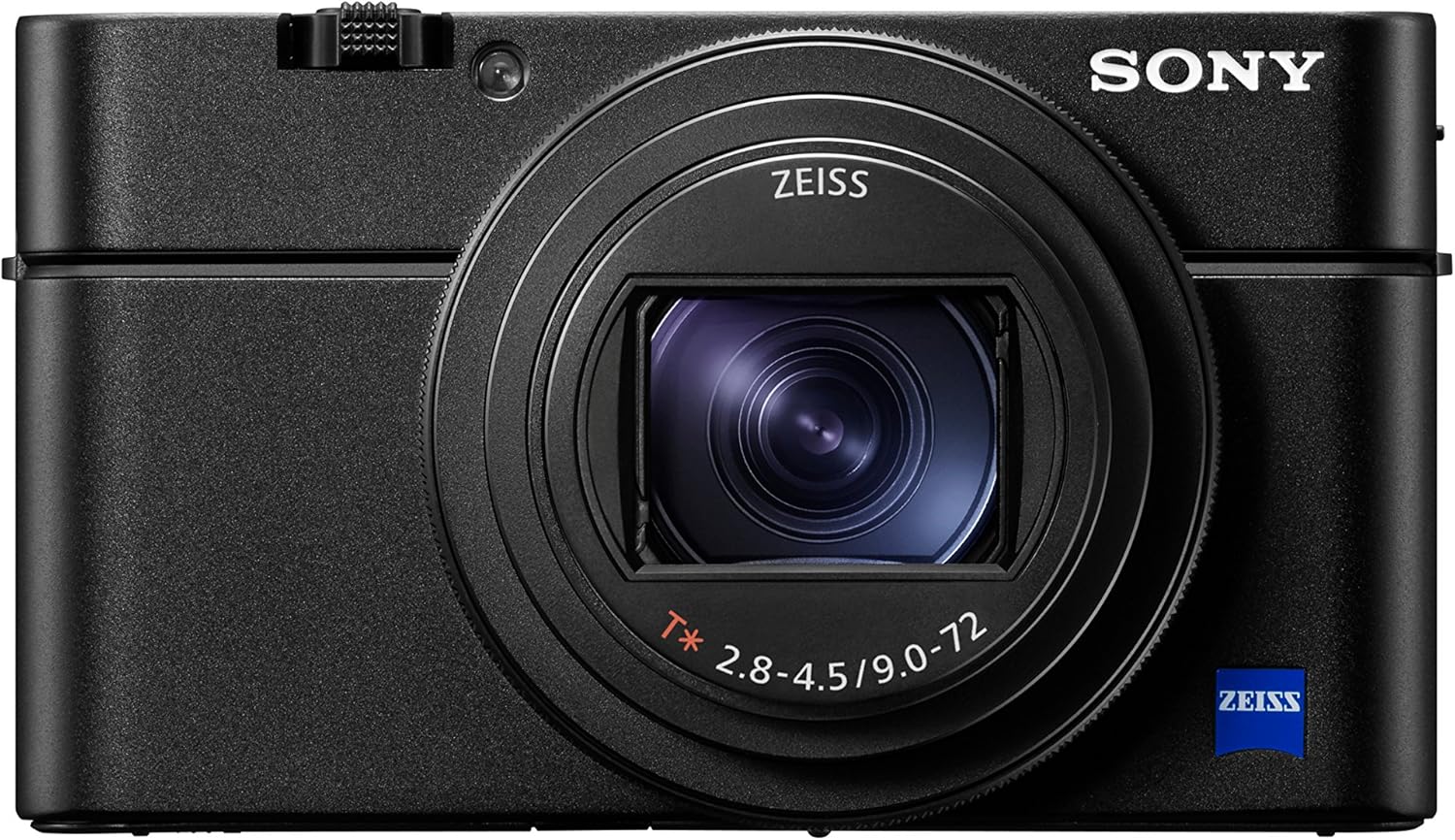
Different brands interpret the best 1 inch sensor digital cameras concept in distinct ways. Sony often pushes cutting edge autofocus and video resolution, turning its compact cameras into powerful point shoot tools for hybrid creators. Canon focuses on approachable handling in models like the Canon PowerShot series, which feel familiar to many upgraders.
Leica takes a more premium route, with the Leica Lux line emphasizing tactile controls, classic styling, and refined image quality. These cameras use a 1 inch sensor and a fast zoom lens to deliver rich images that echo the brand’s heritage. Fujifilm, although better known for APS C and medium format bodies, brings its celebrated film simulations philosophy into some compact cameras and larger sensor lines.
Ricoh, famous for its street oriented shoot camera designs, prioritizes discreet handling and sharp optics. While some Ricoh models use APS C sensors, the company’s approach to ergonomics and image quality influences expectations across compact cameras in general. Photographers comparing full frame, APS C, and 1 inch sensor options often study these brands side by side.
Real world testing, such as this detailed dash cam sensor performance review, highlights how sensor size and processing affect camera image clarity. Although aimed at vehicles, such tests underline why a larger inch sensor usually handles low light and motion better. This perspective helps buyers appreciate what a 1 inch sensor compact camera can realistically achieve.
Image quality, low light performance, and everyday usability
Image quality from the best 1 inch sensor digital cameras depends on more than raw resolution. The combination of sensor size, lens sharpness, and image stabilization determines how clean your images look at higher ISO settings. In dim interiors or night streets, a bright zoom lens and effective stabilization can mean the difference between a usable shot and a blurred frame.
Low light performance is where 1 inch sensor models clearly beat most phones and smaller compact cameras. The larger sensor gathers more light, while advanced processing reduces noise without smearing fine detail. This allows photographers to keep shutter speeds safer for handheld shooting, especially when the camera includes optical or hybrid image stabilization.
Everyday usability also rests on how quickly the camera wakes, focuses, and writes photos to the card. A responsive compact camera encourages you to keep it with you, ready for spontaneous moments and travel scenes. Good button layout, a clear screen, and intuitive menus make it easier to adjust exposure, focus modes, and video settings on the fly.
For many users, the best camera is the one they actually carry, not the theoretical full frame body left at home. A well designed 1 inch sensor digital camera becomes a reliable point shoot companion that still offers creative control. This balance of portability, image quality, and speed explains why these cameras remain popular among enthusiasts and informed beginners.
Comparing 1 inch sensor cameras with APS C and full frame systems
Choosing between the best 1 inch sensor digital cameras and larger systems requires honest reflection about your needs. Full frame and medium format cameras deliver superior image quality, especially in low light and for large prints. However, they demand heavier lenses, bigger bags, and higher budgets that many casual photographers will never fully exploit.
APS C cameras sit between these extremes, offering a larger sensor size than 1 inch while remaining more compact than full frame. For readers curious about this middle ground, this guide to top APS C DSLR cameras provides useful context. When comparing formats, remember that sensor size influences depth of field, noise levels, and lens design choices.
A 1 inch sensor compact camera excels when you value portability and discretion above all. These cameras slip into small bags, yet still outperform most phones in image quality, especially with a high quality zoom lens. They also offer dedicated controls, better ergonomics, and more consistent camera image output than many entry level interchangeable lens bodies.
For travel, family events, and street photography, the best compact models often feel more liberating than bulky systems. You can still enjoy strong video resolution, reliable autofocus, and effective image stabilization in a pocketable form. This trade off makes 1 inch sensor cameras a rational choice for many people seeking information rather than chasing specifications alone.
Practical buying advice for the best 1 inch sensor digital cameras
When you are ready to buy, start by defining how you will use the camera. If you mainly shoot travel photos and casual video, prioritize a versatile zoom lens and robust stabilization. Those who care more about portraits and low light scenes might accept a shorter zoom in exchange for a brighter aperture.
Evaluate the screen and handling in person whenever possible, because comfort matters. A compact camera that feels secure in your hand encourages more confident framing and steadier images. Check how easily you can change exposure compensation, focus modes, and video settings without diving through complex menus.
Consider brand ecosystems, such as Sony, Canon, Fujifilm, Leica, and Ricoh, because accessories and support vary. Some users appreciate Fujifilm film simulations for their distinctive color rendering, even when using larger sensor bodies. Others prefer Leica Lux styling or Canon PowerShot familiarity, which can influence long term satisfaction more than minor specification differences.
Finally, balance budget against realistic needs rather than chasing the absolute best camera on paper. A midrange 1 inch sensor digital camera with solid image quality and dependable autofocus may serve you better than a pricier flagship. The goal is to find a compact camera that fits your life, encourages creativity, and consistently delivers images you are proud to share.
Advanced tips to get better results from 1 inch sensor cameras
Once you own one of the best 1 inch sensor digital cameras, technique becomes the next frontier. Use aperture priority mode to control depth of field and keep the lens near its sharpest settings. In low light, combine a slightly higher ISO with image stabilization to avoid motion blur while preserving acceptable image quality.
Experiment with different focal lengths on your zoom lens to understand perspective changes. Wider angles emphasize space and context, while longer settings compress distance and flatter portraits. Reviewing your camera image on the screen after each session helps you spot patterns, mistakes, and opportunities for better composition.
For video, match your video resolution and frame rate to the subject and output platform. Fast action benefits from higher frame rates, while slower scenes look more cinematic at standard settings. Stabilization, careful panning, and thoughtful framing all contribute to smoother footage that complements the strengths of a 1 inch sensor.
As your skills grow, you may explore larger formats like APS C, full frame, or even medium format, but the habits learned here will transfer. The discipline of working within a compact camera’s limits often sharpens creativity and technical understanding. Over time, this approach ensures that your images, whether stills or video, reflect both the capabilities of the sensor and your evolving vision.


![PowerShot Digital Camera [G7 X Mark III] with Wi-Fi & NFC - International Version - Black](https://www.digital-camera-guru.com/storage/708023/conversions/71roTIT5tHL._AC_SL1404_-medium.webp)

![PowerShot Digital Camera [G7 X Mark III] with Wi-Fi & NFC - International Version - Black](https://www.digital-camera-guru.com/storage/708023/71roTIT5tHL._AC_SL1404_.jpg)