Fujifilm APS C mirrorless: color science and tactile controls
Among the best aps c digital cameras, Fujifilm mirrorless bodies stand out for their color rendering and physical dials. A typical fujifilm APS C camera combines a high resolution sensor with film simulation modes that shape the image before you even open a RAW file, which appeals to photographers who want strong images straight out of the camera. These cameras often include a hybrid viewfinder that switches between an optical window and an electronic viewfinder, giving a unique experience for street photography and documentary work.
Take the Fujifilm X100 series as an example, where the fixed wide angle lens, compact camera body, and hybrid viewfinder create a modern tool that feels like a classic rangefinder. Many photographers pair such a camera with a subtle diffusion filter to soften highlights and give digital images a more organic look, especially when they shoot in harsh daylight. If you are comparing APS cameras with full frame models, remember that Fujifilm’s lens lineup is built specifically around the APS sensor, so each focal length is optimized for size, sharpness, and balanced image quality.
For buyers who want both stills and video, Fujifilm APS C cameras now offer fast autofocus, strong subject detection, and respectable frames per second in continuous shooting modes. Their compact cameras and interchangeable lens bodies share similar menus, so moving from a best compact travel camera to a more advanced digital camera body feels natural. When you weigh the cost of several lenses, batteries, and accessories, a well chosen Fujifilm APS C kit often undercuts a comparable full frame system while remaining easier to carry for long days of shooting.
Sony and Canon APS C systems: speed, autofocus, and video strength
Sony and Canon both compete strongly for the title of best aps c digital cameras, especially if you prioritize autofocus and video performance. A Sony APS C digital camera typically offers very fast subject tracking, high frames per second, and advanced eye detection, which helps keep every image sharp even when you shoot fast moving subjects. Canon APS cameras, on the other hand, integrate Dual Pixel autofocus that feels smooth and confident for both still shooting and continuous video recording.
When you compare Sony cameras and Canon cameras in this segment, think about lenses, ergonomics, and battery life rather than only the sensor specifications. Sony’s E mount gives access to many compact cameras and lenses, including wide angle zooms and bright primes that suit travel, landscape, and street photography equally well. Canon’s RF S lenses are still growing in number, yet they already cover essential focal length ranges, and you can adapt full frame RF lenses when you need shallower depth of field or specialized optics.
Video creators should pay close attention to bit depth, frame rates, and image stabilization when choosing between these digital camera systems. Some Sony APS C cameras offer 4K video with high bit rate recording and strong electronic image stabilization, while certain Canon models emphasize ease of use and reliable color straight from the camera. For a deeper look at how APS C bodies compare with larger sensors in moving images, you can study a dedicated guide to top 4K video cameras on Digital Camera Guru, which helps clarify when an APS sensor is enough and when a full frame upgrade makes sense.
Ricoh and the appeal of compact APS C cameras for the street
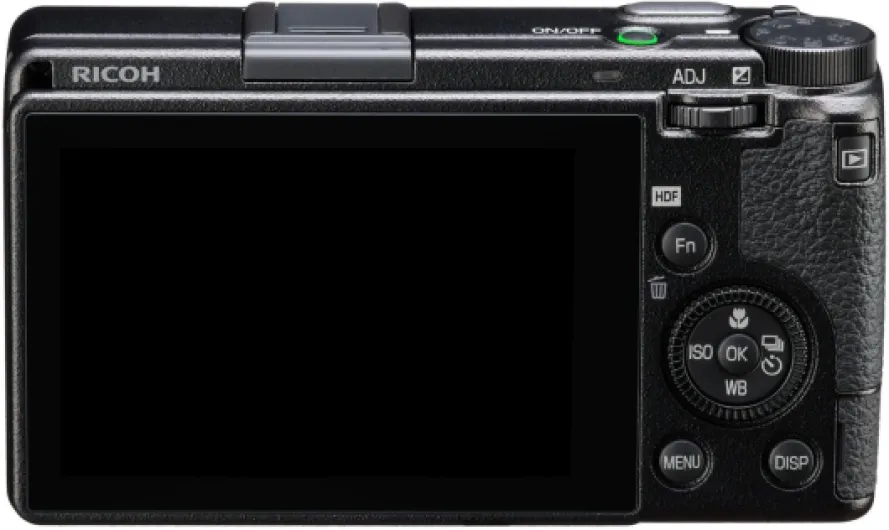
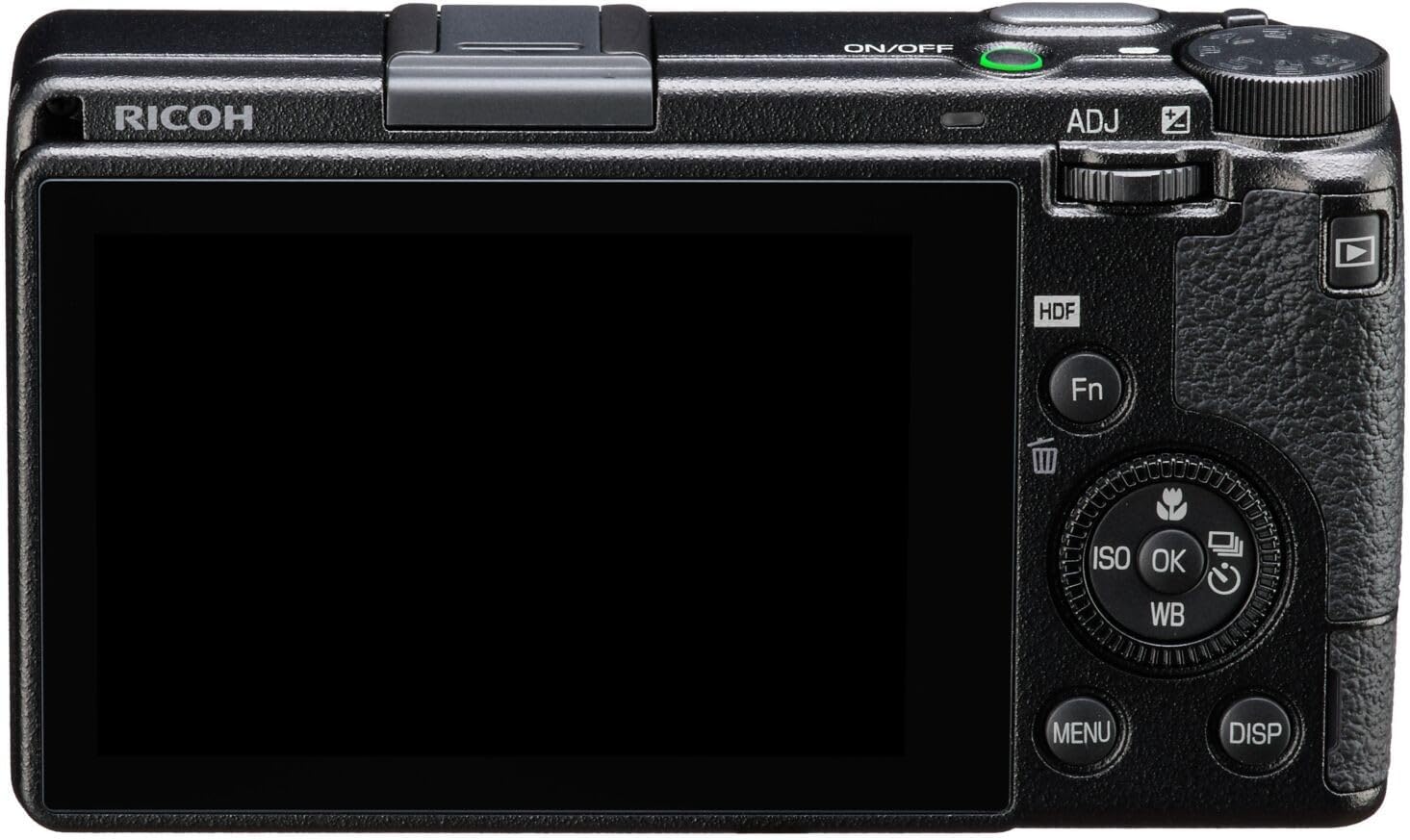
Not every buyer of the best aps c digital cameras wants interchangeable lenses, and this is where Ricoh steps in. The Ricoh GR series, including the ricoh iiix model, uses an APS sensor inside a truly pocketable compact camera body, which makes it a favorite for discreet street photography. With a fixed wide angle lens around 28 mm equivalent focal length, this digital camera encourages you to move your feet and anticipate the moment rather than constantly changing lenses.
Street photographers value how quickly a Ricoh camera wakes from sleep, locks focus, and captures images with minimal shutter lag. The ricoh iiix and its siblings offer snap focus modes that preset the focus distance, so you can shoot at a specific focal length zone without waiting for autofocus, which is crucial when a scene unfolds in a fraction of a second. Despite their size, these compact cameras still deliver strong image quality, good dynamic range, and RAW files that respond well to post processing.
Many users pair a Ricoh digital camera with a small diffusion filter to tame harsh city lights and give images a slightly cinematic glow. Because the lens is fixed, you can choose a filter that complements the sensor and the wide angle field of view, then leave it on for consistent results across an entire shoot. If you are curious how such compact cameras fit into the broader evolution of photographic tools, an article on how mid century photography shaped modern digital camera culture at Digital Camera Guru offers useful historical context for today’s APS cameras and their minimalist design philosophy.
How APS C compares with full frame for everyday photographers
Anyone researching the best aps c digital cameras eventually asks how they compare with full frame bodies. A full frame sensor is larger, which can mean better image quality at very high ISO, smoother tonal transitions, and slightly wider dynamic range when you push files in post production. However, APS cameras narrow this gap every generation, and for many photographers the difference in real world images is smaller than the difference in size, weight, and cost.
With an APS sensor, every focal length behaves as if it were longer, which can be an advantage for wildlife and sports shooting where extra reach is welcome. A 70–300 mm lens on an APS C digital camera frames like roughly 105–450 mm on full frame, giving you tighter composition without heavier lenses. On the other hand, achieving ultra shallow depth of field for portraits is easier on full frame cameras, especially when you pair them with fast prime lenses at wide apertures.
Battery life and handling also play a role in this comparison, because smaller APS C cameras often encourage you to carry them more frequently and shoot more images. Many photographers keep a best compact APS C body as a daily companion, then rent a full frame camera only when a specific assignment demands maximum low light performance. If your priority is a balanced system with strong image stabilization, reasonable frames per second, and lenses that do not strain your back, an APS C digital camera remains a highly practical choice.
Key features to prioritize when choosing APS C mirrorless cameras
When you shortlist the best aps c digital cameras, focus on features that genuinely affect your photography. Start with image quality, which depends on the sensor design, processing engine, and how well the camera handles noise, color, and dynamic range in real scenes. Look for a digital camera that offers enough resolution for your typical output, whether that is social media, large prints, or detailed cropping of images from distant subjects.
Autofocus performance and frames per second matter if you shoot action, wildlife, or fast moving street photography. A camera with reliable subject detection, strong tracking, and a deep buffer lets you shoot bursts without missing key moments, especially when combined with lenses that focus quickly and accurately. Image stabilization, whether in body or in lens, helps keep images sharp at slower shutter speeds and smoother in handheld video, which is vital when you work in low light or prefer compact cameras without tripods.
Do not overlook practical aspects such as battery life, ergonomics, and the availability of lenses that match your style. A system with a good mix of wide angle primes, standard zooms, and telephoto lenses will grow with you, while a best compact APS C body can serve as a backup or travel camera. If you are weighing APS C against larger formats for mirrorless work, a dedicated guide to top full frame mirrorless cameras on Digital Camera Guru provides a useful counterpoint, helping you decide whether to invest in one system or combine both formats in a flexible kit.
Key figures about APS C digital cameras
- According to CIPA shipment data, APS C and smaller sensor cameras account for well over half of interchangeable lens camera units sold globally, showing that APS cameras remain the volume choice for most photographers.
- Independent lab tests from organizations such as DxOMark indicate that modern APS C sensors can reach dynamic range figures above 13 stops at base ISO, which is within roughly one stop of many full frame sensors in similar generations.
- Battery life ratings for popular APS C mirrorless cameras typically range between 300 and 700 shots per charge under CIPA standards, but real world usage with power saving modes often exceeds these figures by a significant margin.
- Continuous shooting speeds of 10 to 20 frames per second are now common in mid range APS C cameras, giving enthusiasts access to burst rates that were once reserved for professional sports bodies.
- Many APS C digital cameras record 4K video at up to 60 frames per second, and some models offer 10 bit internal recording, which provides greater flexibility for color grading in post production.




![GR IV Premium Compact Digital Camera [Focal Length 28mm] [25.7MP APS-C Size CMOS Sensor ] [~ 0.6s High-Speed Startup] [Fast Autofocusing] [ISO 204800] [The Ultimate Snap Shooter]](https://www.digital-camera-guru.com/storage/897207/conversions/81584b1O-DL._AC_SL1500_-medium.webp)

![GR IV Premium Compact Digital Camera [Focal Length 28mm] [25.7MP APS-C Size CMOS Sensor ] [~ 0.6s High-Speed Startup] [Fast Autofocusing] [ISO 204800] [The Ultimate Snap Shooter]](https://www.digital-camera-guru.com/storage/897207/81584b1O-DL._AC_SL1500_.jpg)