Top Mirrorless Cameras

Guide: the 4 best digital cameras for professional photography (May 2026)

Data-informed guide to the best digital cameras for professional photography, comparing full-frame and smaller formats, major brands, and key features for working photographers.

12 May 2026 15 min read
Discover our ranking of the 4 best digital cameras for professional photography based on our tests.

Defining the best digital cameras for professional photography

The best digital cameras for professional photography balance resolution, speed, and reliability in the field. A serious workhorse body must deliver excellent image quality, robust autofocus, and dependable battery life during demanding shooting days. When you compare cameras, think about how each professional body will handle your real assignments rather than just studio tests.

For many working photographers, a full frame mirrorless camera now represents the most versatile choice. Full frame sensors offer superior dynamic range, better low light performance, and more control over depth of field for refined photography. Whether you prefer Canon, Nikon, Sony, or Panasonic Lumix systems, the right combination of camera and lenses should match your style of shooting, not just a spec sheet.

Professional photography also demands durable bodies, weather sealing, and dual card slots for secure image storage. These features matter as much as headline resolution, because a failed camera or corrupted card can cost an entire job. When evaluating reviews and product summaries, look beyond marketing language and focus on how each Canon EOS, Nikon Z, Sony Alpha, or Lumix body behaves in real field conditions.

Key criteria that define a professional camera

Start with image quality, which depends on sensor size, pixel design, and processing. A full frame sensor in many mirrorless cameras usually offers cleaner files, wider dynamic range, and more flexible editing latitude than smaller formats. High quality lenses then complete the system, because even the best sensor cannot compensate for a soft or slow lens.

Autofocus performance is equally critical for professional photography, especially for sports, wildlife, and fast events. Modern mirrorless camera systems from Canon, Nikon, Sony, and Panasonic Lumix use advanced subject detection to track eyes, faces, vehicles, and animals with great consistency. For example, the Canon EOS R6 Mark II and Nikon Z9 can sustain high hit rates on erratic subjects, while the Sony A1 is known for sticky eye AF at up to 30 fps; test how confidently each autofocus system locks and holds focus during real world shooting.

Finally, evaluate ergonomics, menus, and reliability, because these shape your daily experience. A camera that feels intuitive in your hands will help you react faster, compose better, and keep your attention on the scene instead of the screen. Over time, the best digital cameras for professional photography become almost invisible tools, letting your creative decisions lead every image and video you produce.

Ranking

#1 🏆 Best choice
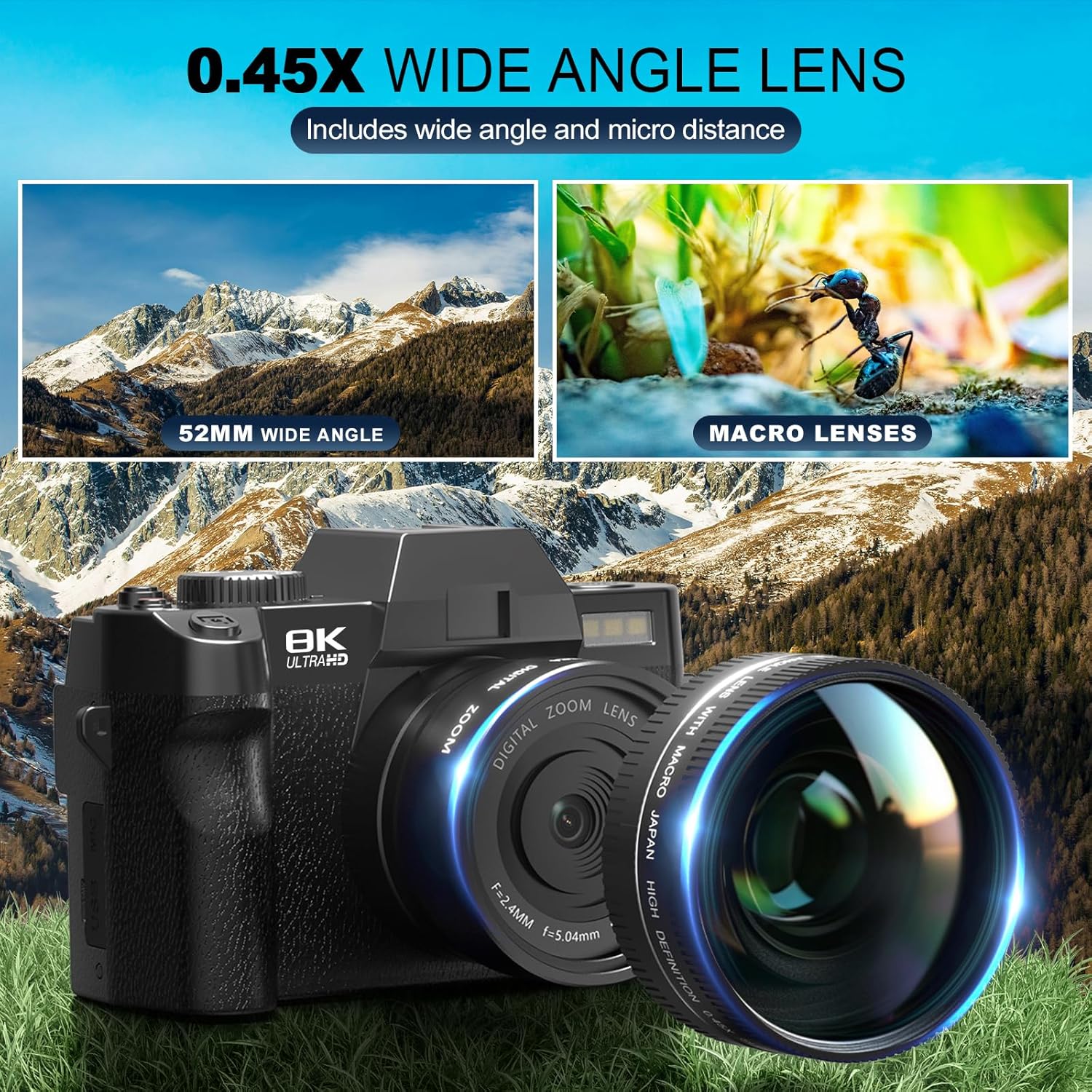
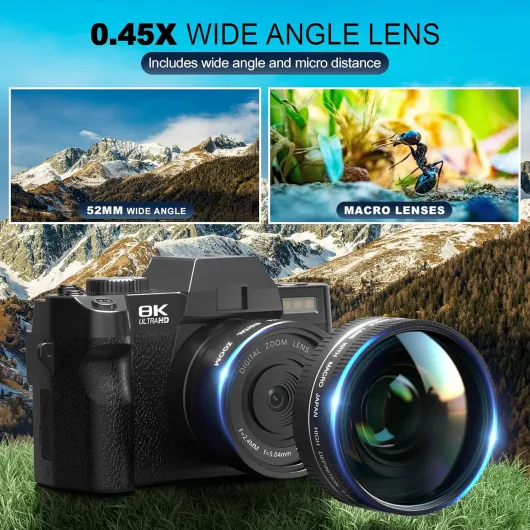
8K Digital Cameras for Photography, 64MP vlogging Camera with 180°Flip Screen,2 Batteries, 64GB TF Card,16X Zoom, WiFi, 3 Color Filters,Microphone, Tripod, Wide & Macro Lens Kit (Black)

Monitech

8K Digital Cameras for Photography, 64MP vlogging Camera with 180°Flip Screen,2 Batteries, 64GB TF Card,16X Zoom, WiFi, 3 Color Filters,Microphone, Tripod, Wide & Macro Lens Kit (Black)

  • Complete starter kit: camera, 2 batteries, 64 GB card, mic, tripod, lenses, filters all included
  • Very easy to use with simple menus, flip screen, and light body
  • Decent photo and video quality in good light for casual use and basic vlogging
After using the Monitech S100‑DP kit in normal day‑to‑day situations, I’d sum it up like this: a practical beginner vlogging kit with honest limitations. It’s light, easy to use, and you get everything you need in one box – camera, card, batteries, tripod, mic, lenses. For casual shooting in good light, family events, travel snapshots, and simple vlogs, it does the job without much hassle. The flip screen and included microphone make it friendlier for beginners than just grabbing a random compact camera.On the flip side, the big “8K / 64MP” marketing is a bit optimistic. Yes, the files are high‑res, but real‑world quality is closer to a decent compact than anything pro. Low‑light performance is average at best, the stabilization is digital and basic, and the body feels clearly plastic. If you’re picky about image quality or you already own a solid smartphone camera, this won’t blow you away. It’s more about having a dedicated, simple camera than about beating high‑end phones or mirrorless gear.I’d recommend this to beginners, teenagers, casual vloggers, and families who want a straightforward camera kit that works out of the box and isn’t intimidating. I’d skip it if you’re a serious creator, you care a lot about low‑light footage, or you’re expecting true high‑end 8K performance. In that case, better save up and go for a known brand mirrorless body instead.
9 /10
★★★★★ ★★★★★
🏆 Exceptional See full review →
See offer Amazon
#2
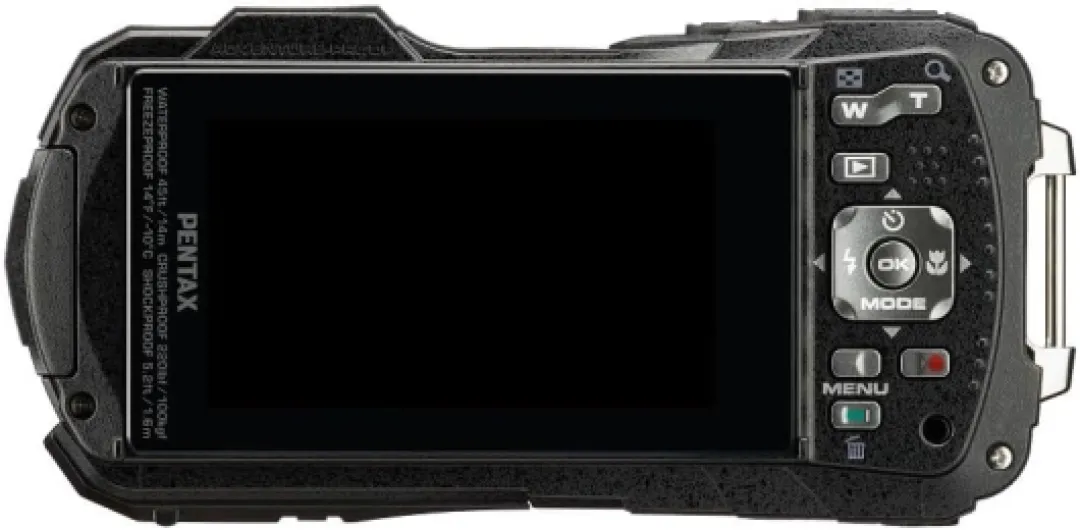
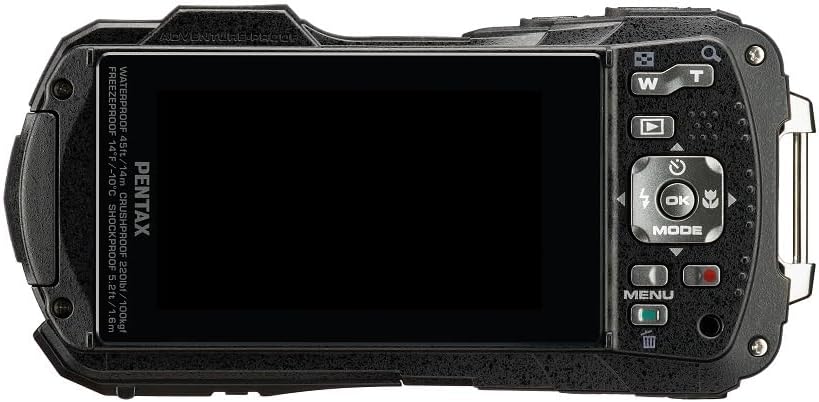
WG-90 Blue - Standard-class, waterproof digital compact camera, designed for casual underwater photography to a depth of 14 meters

Pentax

WG-90 Blue - Standard-class, waterproof digital compact camera, designed for casual underwater photography to a depth of 14 meters

  • Genuinely rugged: waterproof to 14m, shockproof from 1.6m, and freeze-proof to -10°C
  • Useful Digital Microscope mode with six LED lights and macro stand for 1 cm close-ups
  • Simple, reliable operation with scene modes and 5x optical zoom (28–140mm equivalent)
After using the Pentax WG-90 Blue in real conditions – pool, rain, a bit of cold, some accidental knocks – my conclusion is pretty straightforward: it’s a tough, practical compact camera that feels a bit old-fashioned, but does its job where phones are risky or useless. Image quality and video are fine for casual use, not impressive by 2026 standards, but totally acceptable for holiday memories, worksite documentation, and underwater fun. The main strengths are the solid waterproofing to 14m, shock resistance, and the macro/microscope setup with the LED ring lights and macro stand.On the downside, the camera feels dated in a few areas: no 4K video, no wireless connectivity, basic autofocus, and a low-res 2.7-inch screen. Low-light performance is just okay, and the digital image stabilization doesn’t compete with modern phone video. Battery life is average, and if you’re a heavy shooter you’ll want a spare battery and probably a power bank. So who is it for? People who spend real time around water, dust, and cold – families at the pool or beach, hikers, skiers, and tradespeople who need a rugged, replaceable tool more than a tech toy. Who should skip it? Anyone mainly chasing image quality or convenience at home; in that case, a modern phone or a more advanced compact will serve you better.
8.1 /10
★★★★★ ★★★★★
🌟 Excellent See full review →
See offer Amazon
#3
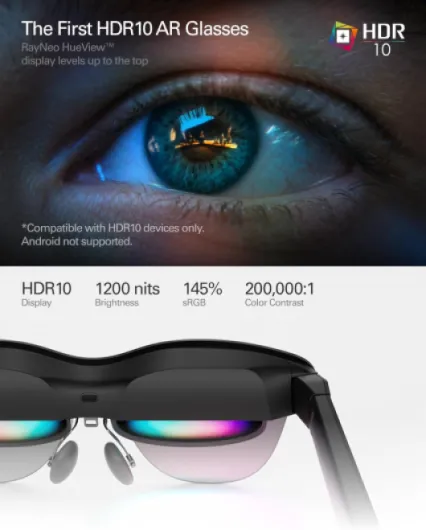
Air 4 Pro AR/XR Glasses, HDR10 Display, Vision 4000 Chip, 201" Virtual Cinema, Audio by Bang & Olufsen, 3D Movies & Gaming Smart Glasses for iPhone 17,16,15/Android/Mac/Steam Deck/PS4/5

RayNeo

Air 4 Pro AR/XR Glasses, HDR10 Display, Vision 4000 Chip, 201" Virtual Cinema, Audio by Bang & Olufsen, 3D Movies & Gaming Smart Glasses for iPhone 17,16,15/Android/Mac/Steam Deck/PS4/5

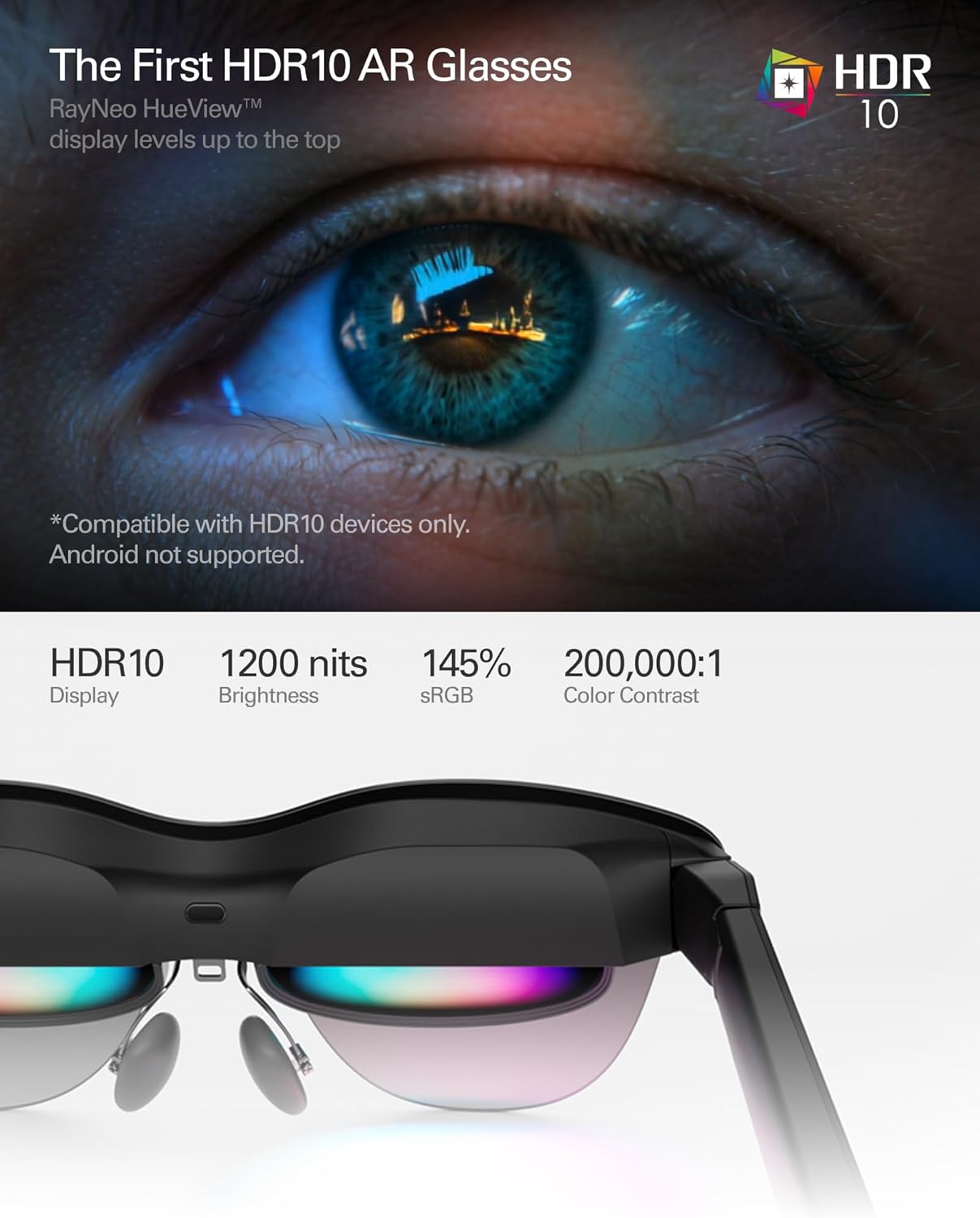
  • Very good image quality with HDR10 and 120 Hz for movies and gaming
  • Plug‑and‑play over USB‑C with many devices (when they support video out)
  • Lightweight compared to VR headsets and usable for travel or late‑night viewing
After spending real time with the RayNeo Air 4 Pro, I’d describe it as a solid personal cinema screen with some nice extras, not a revolution. The image quality with HDR10 and 120 Hz is genuinely good, especially for movies and bright games. Blacks are deep, colors pop, and the size of the virtual screen is big enough to feel immersive without being ridiculous. For late‑night Netflix, anime, or single‑player gaming sessions, it gets the job done and can even feel pretty cozy.Where it falls short is mostly in comfort, ecosystem, and expectations. You’re always tethered by a cable, there’s no standalone mode, and comfort is fine for 1–2 hours but not ideal for marathons. Audio is better than average for open‑ear speakers but still far from proper headphones. And if your phone or console setup isn’t perfectly compatible out of the box, you’ll be buying extra adapters. The 3D and AI upscaling are nice toys, but not life‑changing; you’ll probably use them sometimes, not all the time.I’d recommend the Air 4 Pro to people who already know they like this kind of device: frequent travelers, folks who share a small space and don’t want a big TV, or gamers who want a private screen without wearing a full VR helmet. If you’re just curious or very sensitive to comfort issues, I’d either try it with a good return policy or hold off. It’s a good but imperfect product that suits a specific use case rather than a one‑size‑fits‑all solution.
7.8 /10
★★★★★ ★★★★★
👍 Very good See full review →
See offer Amazon
#4
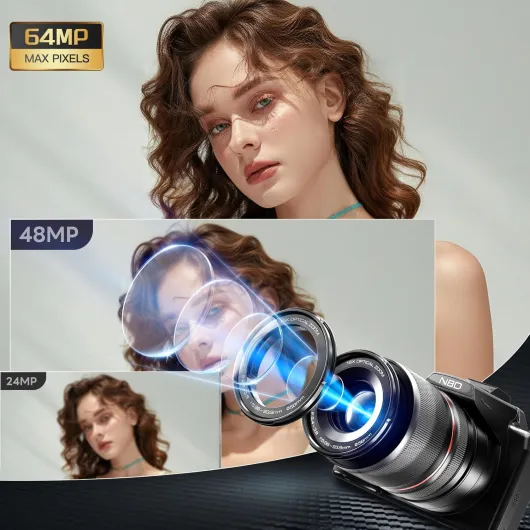
8K Digital Camera, 64MP UHD, 16X Optical Zoom, Wi-Fi App Control, Autofocus, Anti-Shake, 180° Flippable Screen, Includes 64GB TF Card & 2 Batteries, YouTube & Photography (Black)​

NBD

8K Digital Camera, 64MP UHD, 16X Optical Zoom, Wi-Fi App Control, Autofocus, Anti-Shake, 180° Flippable Screen, Includes 64GB TF Card & 2 Batteries, YouTube & Photography (Black)​

  • Comes as a full kit: 2 batteries + 64GB card, ready to use out of the box
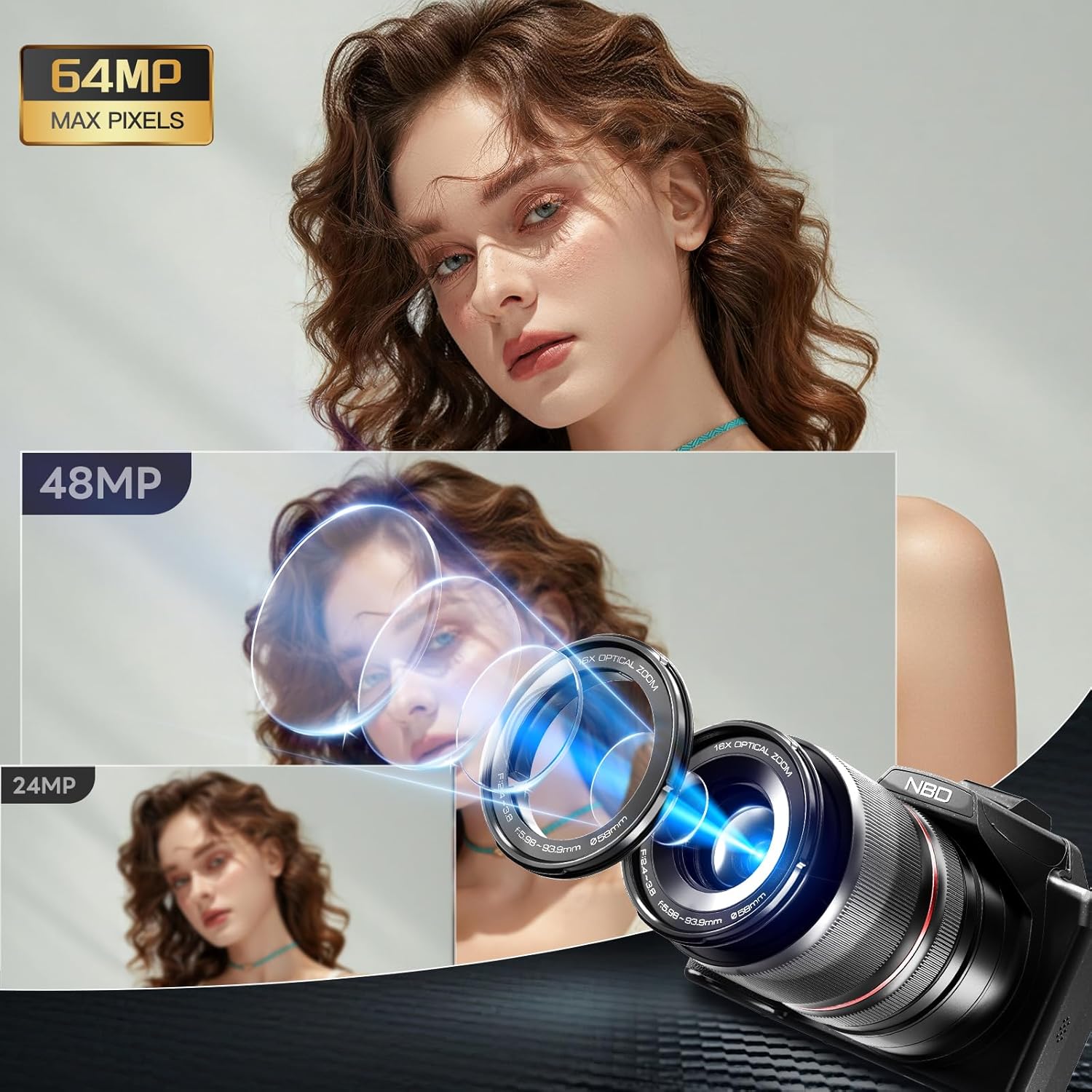
  • 16x optical zoom and flip screen are genuinely useful for travel and vlogging
  • Decent daylight image quality for casual photos and basic YouTube videos
After actually using this NBD 8K digital camera, I’d sum it up like this: it’s a budget bridge camera with a flashy spec sheet and very average real‑world performance. The good parts are clear: you get a big zoom range, a 180° flip screen that’s handy for vlogging, built‑in Wi‑Fi with remote control, and the nice bonus of two batteries plus a 64GB card right in the box. For a beginner, a teenager, or someone who just wants a simple camera for holidays and family events, it does the job as long as the light is decent.On the downside, the whole 8K/64MP thing is mostly marketing. The files are that size, but the true detail and low‑light performance are closer to a basic camera than a high‑end one. Autofocus is okay but not reliable enough for fast action, the image stabilization is modest, and the build is light plastic that you need to treat with some care. If you’re already happy shooting with a modern phone, this won’t be a big upgrade in pure image quality; it’s more about having a proper zoom lens and a dedicated device.I’d recommend it to people who: want an affordable all‑in‑one kit, like the idea of a flip screen and long zoom, and aren’t too picky about pixel‑peeping or low‑light performance. I’d skip it if you: plan to do serious YouTube work, want real 4K/8K quality, shoot a lot at night, or care a lot about autofocus speed. In that case, better to save and go for a used mirrorless or a well‑known compact from Canon, Sony, or Panasonic.
6 /10
★★★★★ ★★★★★
👌 Good See full review →
See offer Amazon

Comparison table : Digital cameras for professional photography

Overall score Value for money Design Battery Comfort Performance Presentation Durability
8K Digital Cameras for Photography, 64MP vlogging Camera with 180°Flip Screen,2 Batteries, 64GB TF Card,16X Zoom, WiFi, 3 Color Filters,Microphone, Tripod, Wide & Macro Lens Kit (Black)
#1 Monitech
8K Digital Cameras for Photography, 64MP...
See offer Amazon
9/10 ★★★★★ ★★★★★ ★★★★★ ★★★★★ ★★★★★ ★★★★★ ★★★★★ ★★★★★ ★★★★★ ★★★★★ ★★★★★ ★★★★★ -
WG-90 Blue - Standard-class, waterproof digital compact camera, designed for casual underwater photography to a depth of 14 meters
#2 Pentax
WG-90 Blue - Standard-class, waterproof...
See offer Amazon
8.1/10 ★★★★★ ★★★★★ ★★★★★ ★★★★★ ★★★★★ ★★★★★ - ★★★★★ ★★★★★ ★★★★★ ★★★★★ ★★★★★ ★★★★★
Air 4 Pro AR/XR Glasses, HDR10 Display, Vision 4000 Chip, 201" Virtual Cinema, Audio by Bang & Olufsen, 3D Movies & Gaming Smart Glasses for iPhone 17,16,15/Android/Mac/Steam Deck/PS4/5
#3 RayNeo
Air 4 Pro AR/XR Glasses, HDR10 Display,...
See offer Amazon
7.8/10 ★★★★★ ★★★★★ ★★★★★ ★★★★★ ★★★★★ ★★★★★ ★★★★★ ★★★★★ ★★★★★ ★★★★★ ★★★★★ ★★★★★ -
8K Digital Camera, 64MP UHD, 16X Optical Zoom, Wi-Fi App Control, Autofocus, Anti-Shake, 180° Flippable Screen, Includes 64GB TF Card & 2 Batteries, YouTube & Photography (Black)​
#4 NBD
8K Digital Camera, 64MP UHD, 16X Optical...
See offer Amazon
6/10 ★★★★★ ★★★★★ ★★★★★ ★★★★★ ★★★★★ ★★★★★ - ★★★★★ ★★★★★ ★★★★★ ★★★★★ ★★★★★ ★★★★★

Full frame versus smaller formats for professional work

Choosing between full frame and smaller sensors is one of the biggest decisions when selecting a camera for professional photography. Full frame cameras generally provide superior image quality, smoother tonal transitions, and better low light performance, which matters for weddings, concerts, and indoor events. However, smaller formats can still deliver great results when paired with the right lens and thoughtful shooting technique.

Full frame mirrorless cameras from Canon, Nikon, Sony, and Panasonic Lumix offer wide dynamic range and clean high ISO files. Independent testing shows that bodies like the Canon R6 Mark II and Sony A7 IV can deliver around 14 stops of dynamic range at base ISO, while the Nikon Z9 and Panasonic S1H maintain impressive detail at higher sensitivities. When you compare mirrorless camera bodies, look at real world image quality tests rather than only trusting marketing claims about megapixels or theoretical performance.

Smaller sensors, such as APS C or Micro Four Thirds, can still serve as a professional camera choice for travel, journalism, and hybrid video work. These cameras often cost less, weigh less in the bag, and offer compact lenses that suit long shooting days on location. For macro specialists, detailed comparisons like the OM System OM 1 Mark I vs Mark II for close up photography show how sensor size, stabilization, and autofocus interact in real assignments.

How sensor size affects lenses and system choices

Sensor size directly influences which lenses you will need and how your system evolves. Full frame cameras require larger, often more expensive lenses, but they reward that investment with shallow depth of field and excellent image quality across a wide range of focal lengths. Smaller formats allow lighter lenses and sometimes greater effective reach, which can be the best option for wildlife or sports photography where portability matters.

When you evaluate lens lineups, check whether the system offers fast primes, versatile zooms, and specialized optics that match your photography niche. A Canon EOS mirrorless camera, a Nikon Z body, or a Sony Alpha system each has strengths in particular lenses, from ultra wide zooms to portrait primes and long telephotos. Your long term satisfaction with any professional kit depends less on one body and more on how the entire system supports your growth.

Hybrid creators should also consider video features alongside still image performance. Many full frame mirrorless cameras now offer oversampled 4K video, advanced codecs, and reliable autofocus tracking for both stills and motion. If you regularly shoot video for clients, prioritize cameras with strong heat management, long battery life, and dual card slots to protect both your footage and your reputation.

Comparing Canon, Nikon, Sony, and Panasonic Lumix systems

Brand choice still shapes how professionals work, because each system offers distinct strengths. Canon, Nikon, Sony, and Panasonic Lumix all produce some of the best digital cameras for professional photography, yet their design philosophies differ. Your decision should reflect how each camera, lens, and accessory ecosystem supports your specific photography and video needs.

Canon EOS mirrorless cameras, including models with the Canon Mark designation, are known for strong color science, intuitive ergonomics, and reliable autofocus. Many photographers consider a Canon EOS R6 Mark II or R5 body ideal for portraits, weddings, and hybrid shooting, especially when paired with RF lenses that deliver excellent image quality. If you plan to buy Canon equipment, study how each Canon Mark generation improves autofocus, battery life, and card slots configuration for professional reliability.

Nikon has transformed its lineup with modern mirrorless cameras, including bodies that build on the heritage of the Nikon III and other professional lines. A Nikon Z9 or Z8 system often excels in dynamic range and low light performance, making it a great choice for landscape and documentary photography. For detailed body to body comparisons, resources such as the guide on comparing the Canon R8 and R6 Mark II illustrate how subtle differences in autofocus, card slots, and handling can matter more than headline specifications.

Strengths of Sony and Panasonic Lumix for professionals

Sony mirrorless cameras have long set benchmarks for autofocus tracking, sensor innovation, and compact full frame bodies. Many professionals choose Sony systems for fast action, events, and hybrid video work, because the autofocus system locks onto eyes and subjects with great consistency. The flagship Sony A1, for instance, can shoot up to 30 frames per second with continuous AF and offers class leading resolution, making Sony a compelling option for demanding assignments.

Panasonic Lumix cameras, especially in the S series, appeal to filmmakers and hybrid shooters who prioritize advanced video tools. Features such as high bitrate recording, flexible codecs, and thoughtful video centric ergonomics help cameras like the Lumix S1 and S1H stand out in professional photography and video production. When you compare Lumix bodies against Canon, Nikon, or Sony alternatives, pay attention to how each camera handles focus breathing, rolling shutter, and long duration recording.

Whichever brand you choose, remember that system depth matters more than any single body. Look at the availability of lenses, flashes, grips, and third party accessories that support your style of shooting. Over time, the best digital cameras for professional photography are those that integrate seamlessly into a complete system, from compact backups to flagship mirrorless bodies.

Essential features that separate professional bodies from advanced consumer cameras

Professional photographers rely on features that go beyond what advanced enthusiasts might need. Dual card slots, long battery life, and robust weather sealing are non negotiable for assignments where failure is not an option. These details often justify the higher price of a professional camera compared with a consumer oriented model.

Autofocus sophistication is another major differentiator between professional and enthusiast cameras. High end mirrorless cameras from Canon, Nikon, Sony, and Panasonic Lumix use deep learning algorithms to recognize eyes, faces, animals, and vehicles, maintaining focus even during erratic movement. When you test a professional body, evaluate how confidently the autofocus system tracks subjects across the frame and in low light conditions.

Continuous shooting speed and buffer depth also matter for sports, wildlife, and fast paced events. A camera that can sustain high frame rates while writing to both card slots without slowing down will help you capture decisive moments with consistent image quality. Before committing to any system, read detailed reviews and product analyses that measure real world performance rather than relying solely on manufacturer claims.

Video capabilities in modern professional cameras

Many clients now expect both photography and video from the same assignment. Modern mirrorless cameras respond with advanced video features such as 4K or 6K recording, log profiles, and high bitrate codecs that preserve detail for grading. When you evaluate the best digital cameras for professional photography, consider whether their video modes match your current and future production needs.

Hybrid shooters should look for reliable autofocus in video, minimal rolling shutter, and clear on screen tools such as waveforms and focus peaking. Some Canon EOS, Nikon Z, Sony Alpha, and Panasonic Lumix bodies now offer separate video menus and custom buttons, making it easier to switch between stills and motion. This integration allows one professional camera to serve as both a primary stills body and a capable cinema tool.

As the market evolves, new launches can shift the balance between brands and models. Industry coverage such as the analysis of two major brands launching cameras before May helps professionals anticipate which features will soon become standard. Staying informed about these trends ensures that your next camera and lens investment remains competitive for several upgrade cycles.

How to use a camera comparison tool for smarter buying decisions

A structured camera comparison tool can transform how you evaluate the best digital cameras for professional photography. Instead of relying on vague impressions, you can compare image quality, autofocus, battery life, and price side by side. This method helps you identify which cameras truly fit your professional photography needs rather than simply chasing the latest hype.

Start by listing your non negotiable requirements, such as full frame sensors, dual card slots, or specific video formats. Then, use the comparison tool to filter Canon EOS, Nikon Z, Sony Alpha, and Panasonic Lumix bodies that meet those criteria, including both mirrorless cameras and any remaining DSLRs you might still consider. Once you have a shortlist, examine how each option performs in dynamic range tests, low light shooting, and real world autofocus tracking.

Do not forget to include lenses and accessories when comparing systems. A body that looks like the best camera on paper may require expensive lenses to reach its full potential, changing the overall price of your kit. By adding lenses, flashes, and grips into your comparison, you gain a realistic view of how each system will support your photography and video work over time.

Balancing specifications with handling and reliability

Numbers alone cannot tell you how a camera will feel during a long day of shooting. After narrowing your options with a camera comparison tool, handle each body in person if possible to assess ergonomics, viewfinder quality, and menu logic. Many professionals find that a slightly less advanced camera with great handling outperforms a more complex body that feels awkward in the hand.

Pay attention to how quickly you can change critical settings such as ISO, shutter speed, and autofocus modes. A well designed system lets you adjust these controls without taking your eye from the viewfinder, which is vital for fast paced professional photography. Over time, this intuitive operation becomes a key reason why certain camera and lens combinations feel like natural extensions of your vision.

Finally, consider long term support, firmware updates, and service networks when making your choice. Brands that regularly refine autofocus, video features, and stability through updates effectively extend the life of your professional camera investment. When you weigh all these factors together, the best digital cameras for professional photography emerge not just as technical leaders but as dependable partners in your creative work.

Choosing between point and shoot backups and full professional kits

Even when you rely on a flagship mirrorless camera, a compact point and shoot backup can save a job. Small cameras with good image quality and reliable autofocus provide insurance if your main body fails or needs servicing. Many professionals keep a discreet compact model in their bag for behind the scenes photography or quick social media content.

For primary work, though, a full professional kit built around a robust body and high quality lenses remains essential. A Canon EOS or Nikon full frame body, a set of fast primes, and a versatile zoom often form the core of a professional photography system. Sony and Panasonic Lumix kits follow similar patterns, combining a main mirrorless camera with specialized lenses for portraits, landscapes, sports, or video production.

When assembling your kit, think in terms of coverage rather than collecting random lenses. A great three lens setup might include a wide angle zoom, a standard zoom, and a fast telephoto, each chosen for image quality, autofocus performance, and handling. Over time, this deliberate approach ensures that every piece of gear in your bag contributes directly to your best work.

Managing budget, upgrades, and long term value

Budget planning is as important as technical evaluation when you invest in the best digital cameras for professional photography. Instead of spending everything on one flagship body, consider balancing your budget between a solid camera, essential lenses, and reliable lighting. This strategy often delivers better overall image quality and more creative flexibility than owning a single top tier body with limited supporting gear.

When you decide to buy Canon, Nikon, Sony, or Panasonic Lumix equipment, think about how easily you can upgrade within that system. Bodies such as the Canon Mark series or Nikon Z line often share batteries, card formats, and lenses, which reduces transition costs when you step up to a newer camera. Reading long term reviews and product analyses can reveal how well previous generations have aged in terms of reliability, firmware support, and resale value.

Finally, remember that the best camera is the one that helps you deliver consistent results for clients. Whether you rely on a high end mirrorless camera, a compact backup, or a mixed kit, your choices should reflect your real assignments and creative goals. By aligning your equipment with your workflow, you turn every camera, lens, and accessory into a focused investment in your professional photography future.

Key figures about professional digital cameras

  • According to CIPA shipment data, mirrorless cameras now account for more than half of interchangeable lens camera sales worldwide, reflecting a clear shift toward mirrorless systems for both enthusiasts and professional photography clients.
  • Many current full frame mirrorless cameras offer native ISO ranges up to 51 200 or higher, allowing professionals to maintain usable image quality in low light situations that previously required flash or slower shutter speeds.
  • Flagship professional camera bodies from major brands often achieve continuous shooting speeds of 20 frames per second or more with electronic shutters, which significantly increases the chance of capturing decisive moments in sports and wildlife photography.
  • Independent lab tests show that modern sensors can deliver dynamic range figures exceeding 14 stops at base ISO, giving photographers substantial flexibility when recovering highlights and shadows in challenging high contrast scenes.
  • Battery life ratings for many mirrorless cameras now exceed 500 shots per charge under standard testing, and real world usage with power saving settings can extend this further, reducing the need to carry multiple spare batteries on every assignment.

Trusted references for further research

For deeper technical evaluations and long term field reports, consult resources such as DPReview, Imaging Resource, and DXOMARK, which provide detailed laboratory testing and comparative data on cameras and lenses.
Frequently asked questions

A professional digital camera combines excellent image quality, fast and reliable autofocus, robust construction, and features such as dual card slots and long battery life. These bodies are designed to withstand intensive daily use while delivering consistent results for paying clients. Consumer cameras may share some specifications, but they usually lack the durability and redundancy required for critical assignments.

Full frame cameras offer advantages in dynamic range, low light performance, and depth of field control, which many professionals value. However, smaller sensor systems can still be used for professional photography when paired with high quality lenses and careful technique. The best choice depends on your genre, budget, and how much you prioritize portability versus maximum image quality.

Autofocus performance is crucial for most professional work, especially for events, sports, wildlife, and fast moving subjects. Modern mirrorless cameras from Canon, Nikon, Sony, and Panasonic Lumix use advanced subject detection and tracking to keep critical areas sharp. Reliable autofocus reduces missed shots and allows you to concentrate on timing, composition, and client interaction.

Lenses usually have a longer useful life than camera bodies and often influence image quality more strongly. Investing in a small set of high quality lenses can make even a mid range body perform at a professional level. Over time, you can upgrade bodies while keeping your best lenses, which protects your budget and maintains consistent rendering across your work.

A compact point and shoot camera can be a valuable backup or discreet tool for professional photographers. While it will not replace a full frame mirrorless camera for demanding assignments, it can handle behind the scenes coverage, scouting, or casual content creation. Having a small, always ready camera increases your chances of capturing unexpected moments without carrying a full kit everywhere.

According to our tests, the best digital cameras for professional photography is the 8K Digital Cameras for Photography, 64MP vlogging Camera with 180°Flip Screen,2 Batteries, 64GB TF Card,16X Zoom, WiFi, 3 Color Filters,Microphone, Tripod, Wide & Macro Lens Kit (Black) with a score of 9/10.

The cheapest digital cameras for professional photography in our comparison is the 8K Digital Cameras for Photography, 64MP vlogging Camera with 180°Flip Screen,2 Batteries, 64GB TF Card,16X Zoom, WiFi, 3 Color Filters,Microphone, Tripod, Wide & Macro Lens Kit (Black).

To choose a digital cameras for professional photography, we recommend comparing performance, build quality, value for money and user reviews. Our comparison table above helps you make the right choice.

We have tested 4 Digital cameras for professional photography to establish this ranking.
#1 8K Digital Cameras for Photography, 64MP vlogging Camera with 180°Flip Screen,2 Batteries, 64GB TF Card,16X Zoom, WiFi, 3 Color Filters,Microphone, Tripod, Wide & Macro Lens Kit (Black)
Monitech
8K Digital Cameras for Photography, 64MP vlogging Camera with 180°Flip Screen,2 Batteries, 64GB TF Card,16X Zoom, WiFi, 3 Color Filters,Microphone, Tripod, Wide & Macro Lens Kit (Black)
9/10 Best choice
See offer Amazon