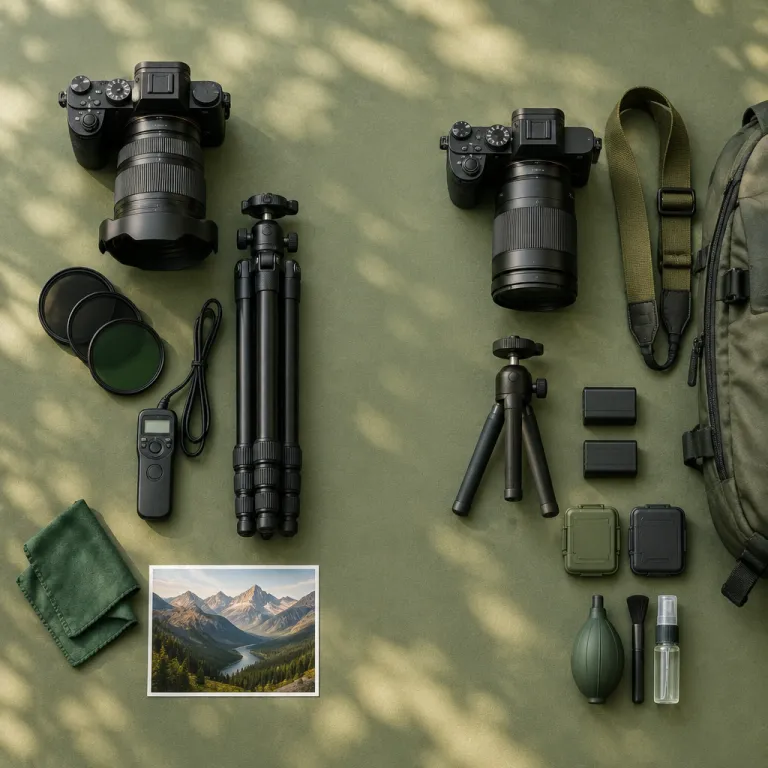

Canon R5 vs R6 Mark II for stills: resolving power or responsive speed
The core of any Canon EOS R5 vs EOS R6 Mark II comparison starts with resolution, sensor design and how each full frame camera handles real world shooting. The Canon EOS R5 offers a 45 megapixel full frame sensor, while the Canon EOS R6 Mark II uses a 24 megapixel full frame sensor that prioritises readout speed, noise control and low light performance. For photographers weighing these two Canon cameras, that single specification shapes how every image looks and how each body behaves in demanding shooting situations.
With the Canon EOS R5, landscape and studio photographers gain immense detail that rivals and often surpasses older Canon EOS 5D Mark III files, yet with better dynamic range and cleaner high ISO behaviour. The higher pixel count allows more aggressive cropping in post production, which matters when wildlife moves unpredictably and you cannot always fill the frame perfectly. In a direct comparison, the EOS R6 Mark II delivers less resolving power but often cleaner image files at mid range ISO values, especially when you need to keep shutter speed high for action shooting and want consistent image quality across a long sequence.
The EOS R6 Mark II sensor leans into readout speed and responsiveness, which benefits sports and event work where timing beats sheer resolution. Its lower pixel density means each photosite gathers more light, helping maintain image quality when you push ISO to 12 800 or beyond for indoor arenas or evening street scenes. If your Canon EOS portfolio focuses on large prints and commercial campaigns, the R5 sensor advantage is compelling, but if your cameras mainly serve fast paced assignments, the R6 Mark II sensor balance feels more forgiving and efficient over time, especially when you value speed and reliable focus over maximum detail.
Autofocus, subject tracking and electronic shutter behaviour
Autofocus performance is where Canon EOS R5 vs EOS R6 Mark II comparisons become very nuanced. Both cameras share Canon EOS deep learning based auto focus algorithms, with subject detection for people, animals and vehicles that feels almost predictive in real world use. The R6 Mark II refines this further, offering more reliable eye detection and improved focus video behaviour when tracking subjects moving erratically across the frame or when you recompose quickly.
When you half press the shutter, both cameras engage Dual Pixel CMOS AF across most of the sensor area, but the R6 Mark II tends to lock focus faster in low light and during continuous shooting bursts. Its improved readout speed helps reduce focus breathing and hunting, which is especially noticeable on the video side when you pan quickly or when subjects cross in front of your main actor. For photographers moving from older EOS Mark III DSLR bodies such as the Canon EOS 5D Mark III, the leap in auto focus intelligence on both mirrorless cameras feels transformative and changes how confidently you attempt difficult action sequences.
Electronic shutter options also separate these two Canon cameras in subtle ways that matter for action specialists. The R6 Mark II offers up to 40 fps electronic bursts, while the R5 tops out at 20 fps electronic, so fps electronic specifications clearly favour the R6 Mark II for peak action and high speed shooting. However, rolling shutter artefacts remain more visible on both cameras when using the electronic shutter, so many professionals still rely on fps mechanical modes around 12 fps to balance speed and natural motion rendering, especially when shooting fast moving props like golf clubs, racing wheels or swinging baseball bats.
For readers wondering whether a dedicated camera still beats a smartphone for tracking moving subjects, a detailed guide on why a dedicated camera improves your photography explains how advanced auto focus systems and larger sensors change what is possible. In the Canon EOS R5 vs EOS R6 Mark II context, both bodies deliver professional grade tracking, but the R6 Mark II edges ahead when you need the most confident continuous AF for unpredictable action. If your work mixes stills and focus video projects, that extra reliability can justify choosing the R6 Mark II even if you sacrifice some resolution and ultimate print size flexibility.
Speed, buffer depth and memory card strategy
High frame rate shooting only matters if your camera can sustain bursts without choking the buffer. In Canon EOS R5 vs EOS R6 Mark II testing, the R6 Mark II leverages its smaller files to maintain long sequences at high fps mechanical and fps electronic settings, which is crucial for sports, wildlife and reportage. The R5 counters with a more sophisticated memory card layout that includes a CFexpress Type B slot alongside an SD slot that supports SDXC cards of the type UHS II standard, giving you a flexible balance between maximum speed and everyday affordability.
That CFexpress Type B slot on the Canon EOS R5 dramatically increases potential write speed and reduces buffer clearing time, especially when you shoot RAW bursts at 20 fps electronic. Depending on card choice, codec and subject detail, many real world tests indicate that the R5 can record somewhere around 180–200 RAW frames at full speed before slowing, while the R6 Mark II with dual type UHS II SD slots typically sustains roughly 140–160 RAW frames at 40 fps electronic before the buffer fills. Photographers covering professional sports can fire long sequences, then review images almost immediately, which shortens the time between action and selection and keeps you ready for the next play.
When you compare these cameras, remember that card choice affects both speed and workflow costs over time. CFexpress cards remain more expensive and can be impacted by import duties, so understanding how tariffs influence pricing through resources on camera equipment import tariffs by country helps you budget realistically. If you shoot high volume content Canon projects, such as weddings or news coverage, the R6 Mark II with affordable type UHS II cards may offer better long term value, while the R5 appeals to photographers who prioritise maximum performance and can justify the higher CFexpress ecosystem cost for demanding stills and video work.
Video side performance, rolling shutter and hybrid workflows
Hybrid creators evaluating Canon EOS R5 vs EOS R6 Mark II options must look closely at the video side and how each camera handles rolling shutter and focus. The Canon EOS R5 delivers 8K recording up to 30 fps and oversampled 4K from its 45 megapixel sensor, producing exceptionally detailed footage that pairs well with high end commercial work. The R6 Mark II focuses on refined 4K performance, oversampling from its full frame sensor to deliver crisp video with more manageable file sizes and longer recording times that suit documentary and social content.
Rolling shutter behaviour is a key factor when using the electronic shutter for video or high speed stills. The R6 Mark II benefits from a faster sensor readout speed, which reduces skew when you pan quickly or capture fast moving subjects like trains or cyclists. While the R5 remains very capable, its higher resolution sensor can show more rolling shutter artefacts in certain scenarios, so careful camera movement and shutter angle choices become more important for professional video productions where motion must look natural.
Autofocus in video mode is strong on both cameras, but the R6 Mark II often delivers smoother focus transitions and more confident subject tracking, especially when you rely on auto focus for gimbal work or solo shooting. Creators who frequently shoot interviews, documentaries and social content Canon projects will appreciate how reliably the R6 Mark II holds focus on eyes, even when subjects move unpredictably. If your priority is maximum detail for high end commercial campaigns, the R5 still shines, yet for most hybrid shooters the R6 Mark II offers a more forgiving and flexible video tool that keeps pace with changing scenes and mixed lighting.
For photographers building a budget conscious hybrid kit, a detailed breakdown of how to build a camera and editing setup under 1 000 dollars can help you allocate funds between body, lenses and storage. In that context, the R6 Mark II often pairs better with mid range lenses and affordable accessories, while the R5 tends to sit at the centre of more premium systems. Both cameras, however, integrate smoothly into existing Canon EOS workflows, especially for users migrating from DSLR bodies like the 5D Mark III or 6D series who want familiar handling with far more capable video side performance.
Low light, ISO behaviour and real world shooting scenarios
Low light performance is another pillar of the Canon EOS R5 vs EOS R6 Mark II conversation. On paper, both cameras offer wide ISO ranges and advanced noise reduction, but their different sensor resolutions create distinct behaviours in real scenes. The R6 Mark II, with its lower pixel count, generally produces cleaner images at high ISO values when viewed at the same output size, which benefits event, concert and wedding photographers who often work in dim venues and need dependable files straight out of camera.
When you push ISO to 6 400 or 12 800 in dim venues, the R6 Mark II files often show smoother noise patterns and slightly better colour retention. The R5 counters with more detail that can survive careful noise reduction, especially if you plan to print large or crop heavily, yet you must manage exposure precisely to protect shadow information. In both cameras, in body stabilisation and fast lenses allow slower shutter speeds, which helps keep ISO lower and preserves image quality over time, particularly when you combine careful technique with the cameras’ advanced auto focus systems.
Real world shooting tests highlight how these cameras behave differently in mixed lighting and fast paced environments. Photojournalists who need to react quickly often prefer the R6 Mark II because its forgiving files, responsive auto focus and fast continuous shooting reduce the risk of missed moments. Studio and commercial photographers, by contrast, lean toward the R5, where controlled lighting and lower ISO settings let the high resolution sensor show its full potential in both single image and multi frame composite workflows that demand maximum detail and precise colour.
Handling, ergonomics and choosing the right Canon EOS body for you
Beyond pure specifications, handling often decides Canon EOS R5 vs EOS R6 Mark II purchases. Both cameras share a familiar Canon EOS control layout, with deep grips, intuitive menus and customisable buttons that feel natural to long time Canon users. The R5 body is slightly heavier, reflecting its higher end positioning and more robust build, while the R6 Mark II feels a touch lighter and more agile for long shooting days that involve constant movement and hand held work.
Battery life, viewfinder quality and electronic interface design all influence how these cameras perform during extended assignments. The R5 offers a higher resolution electronic viewfinder that makes manual focus and critical image review easier, especially when you evaluate fine detail at the edges of the frame. The R6 Mark II viewfinder remains very good, and its responsive refresh rate supports fast panning and tracking, which matters when you rely on continuous auto focus and high fps bursts to follow erratic subjects across the scene.
When you weigh these factors, think about how you actually use your cameras over time rather than chasing every specification. If your work revolves around high end commercial stills, architecture or landscape, the Canon EOS R5 body with its 45 megapixel sensor and CFexpress Type B support is the stronger long term investment. If you are a hybrid creator or action specialist who values speed, reliability and manageable file sizes, the Canon EOS R6 Mark II offers a more balanced package that keeps pace with demanding assignments while remaining accessible to photographers stepping up from older EOS Mark III DSLR bodies and other Canon Mark series cameras.
Key figures on Canon R5 and R6 Mark II performance
- The Canon EOS R5 uses a 45 megapixel full frame sensor, while the Canon EOS R6 Mark II uses a 24 megapixel full frame sensor, which directly affects cropping flexibility, image detail and print size potential (manufacturer data).
- Continuous shooting reaches up to 20 frames per second with the electronic shutter on the R5 and up to 40 frames per second with the electronic shutter on the R6 Mark II, giving the R6 Mark II a clear advantage for peak action capture and high speed shooting (manufacturer data).
- Both cameras offer in body image stabilisation rated up to 8 stops with compatible lenses, which allows slower shutter speeds in low light and reduces reliance on very high ISO settings when you want clean files (manufacturer data).
- The Canon EOS R5 records 8K video internally and oversampled 4K up to 120 fps in specific modes, while the Canon EOS R6 Mark II records oversampled 4K up to 60 frames per second, which reflects different priorities between maximum resolution and efficient hybrid workflows (manufacturer data).
- CFexpress Type B cards used in the R5 can reach sustained write speeds above 1 000 megabytes per second, whereas SD cards of the type UHS II used in the R6 Mark II typically peak around 300 megabytes per second, influencing buffer clearing times, burst depth and overall shooting responsiveness (industry card specifications).
FAQ about Canon R5 vs R6 Mark II
Is the Canon EOS R5 or R6 Mark II better for sports photography
The Canon EOS R6 Mark II is generally better for sports because it offers up to 40 frames per second with the electronic shutter and very responsive auto focus tracking. Its lower resolution sensor produces smaller files, which helps maintain long bursts without filling the buffer too quickly. The R5 remains capable for sports, but its 20 frames per second electronic limit and larger files make it slightly less specialised for high volume action where speed and buffer depth are critical.
Which camera has better image quality for large prints
The Canon EOS R5 delivers better image quality for large prints due to its 45 megapixel full frame sensor. That higher resolution captures more fine detail and allows more aggressive cropping while still maintaining print ready files. The R6 Mark II can still produce excellent prints, but its 24 megapixel resolution offers less flexibility for very large formats or heavy cropping when you need maximum detail across the entire frame.
How do the two cameras compare for video work
The R5 targets high end video with internal 8K recording and very detailed oversampled 4K, which suits commercial and cinematic projects that demand maximum resolution. The R6 Mark II focuses on efficient 4K up to 60 frames per second with reduced rolling shutter and strong autofocus, making it attractive for hybrid creators and documentary shooters. For most content creators, the R6 Mark II offers a more practical balance of quality, file size and reliability on the video side, especially when you shoot long interviews or events.
Do I need CFexpress Type B cards for the Canon EOS R5
You can use SD cards of the type UHS II in the R5, but CFexpress Type B cards unlock its full burst and video performance. CFexpress cards provide much faster write speeds, which shortens buffer clearing time and supports demanding 8K or high frame rate 4K recording. If you mainly shoot stills at moderate frame rates, high quality UHS II SD cards may be sufficient, but action and video specialists benefit from CFexpress when they push the camera to its limits.
Which camera is better value for a first full frame upgrade
The Canon EOS R6 Mark II usually offers better value as a first full frame upgrade because it balances price, performance and ease of use. Its strong autofocus, fast bursts and excellent low light behaviour cover a wide range of genres without overwhelming new full frame users. The R5 is more expensive and best suited to photographers who specifically need very high resolution or advanced video features for professional work, such as large commercial campaigns or detailed landscape prints.