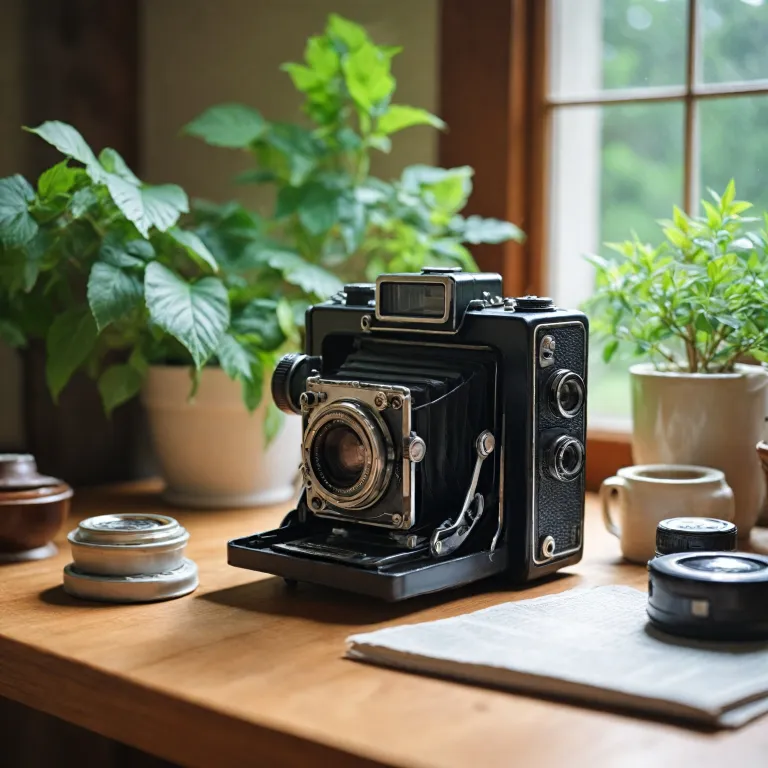

Understanding Film Cameras
Delving into the World of Classic Photography
Embarking on a journey with film cameras can be a rewarding experience for beginners. Unlike digital cameras, film photography requires a different level of understanding, where patience and creativity are key. To truly appreciate film, it's essential to grasp its core components and mechanics. Film cameras capture images by exposing film rolls to light, a process that reflects both skill and artistry. Many beginners start with point-and-shoot cameras or delve into manual options like a Minolta Maxxum or a Canon Program for more control over exposure settings.Exploring Film Variations and Their Roles
While digital cameras are now the norm for most photography needs, film offers a unique aesthetic that many find appealing. Whether shooting in color film like Kodak Ektar or exploring the classic charm of black and white photography, each roll of film provides a different experience. Film cameras like the half-frame models or versatile options with a zoom lens cater to various photography preferences, allowing users to experiment with perspectives and compositions. For those who enjoy more spontaneous moments, Polaroid cameras deliver instant prints and a fun photography experience.Understanding Your Film Camera's Mechanics
Becoming familiar with your camera's settings is paramount to capturing great images. Concepts like aperture priority and manual exposure settings might initially seem daunting, but they can greatly enhance your skills. Most notable camera brands like Canon and Nikon offer comprehensive guides and resources online, including engaging blog posts and informative YouTube videos, to support your photography journey. Investing time in understanding these aspects will lay a strong foundation for your adventures in film photography. For additional tips on setting up your camera and ensuring it is well-protected, consider exploring options such as selecting the perfect camera bag to complement your needs and keep your gear safe, whether you're using a Nikon or a vintage film camera. Remember, the world of film photography is not just about capturing images but understanding the process and enjoying the creativity it unleashes. Happy shooting!Types of Film Cameras for Beginners
Discovering Various Film Cameras
When stepping into the world of film photography, selecting the right film camera can make all the difference. Whether you are aiming to capture nostalgic black and white images or dive into color with Kodak Ektar, understanding the types of film cameras available is essential.- Point and Shoot Cameras: For beginners seeking simplicity, point and shoot cameras are a great entry point. Often compact in size, these cameras automatically set exposure, making them user-friendly.
- Canon Program Cameras: A popular choice among newbies, offering modes like aperture priority which can provide more control without overwhelming.
- Rangefinder Cameras: Ideal for those who wish to master manual focusing. Rangefinders often offer high-quality optics and can be an excellent step up for enthusiastic photographers.
- Polaroid Cameras: Perfect for those who want instant gratification, as these cameras develop images on the spot. Polaroids are also a fun way to add a retro vibe to your photo collection.
- SLR Cameras: With brands like Canon and Nikon leading the pack, Single Lens Reflex cameras offer interchangeable lenses and full control over every aspect of photography, making them a versatile choice.
Choosing the Right Film Camera
Finding Your First Film Camera
As you embark on your journey into film photography, selecting the right camera may seem like a daunting task. However, with a little guidance, you can filter through the array and find the perfect match to suit your needs.
Consider the Type of Photography You Enjoy
First, ponder the type of photography you are drawn to. Do you aspire to capture spontaneous moments with a point and shoot camera, or are you more interested in carefully structured compositions that allow you to manually adjust settings for each exposure? Understanding your preferences will steer you in the right direction.
Explore Different Camera Brands and Models
Well-established brands like Canon and Nikon offer a variety of choices for beginners. Canon's program series, for example, is lauded for its ease of use, making it a popular choice for newcomers. Nikon also offers robust options that are worth exploring.
Evaluate Your Budget
Film cameras range from affordable all the way to professional-grade models. Determine your budget and make an informed decision on whether investing in a brand-new model or considering great condition secondhand cameras from places like KEH Camera will provide the best value for you.
Feature Considerations
- Manual or automatic settings: Decide whether you prefer a camera that gives you control over settings such as shutter speed and aperture priority, or if you favor the convenience of automated modes.
- Lens versatility: If you plan to experiment with various focal lengths, make sure the camera you choose is compatible with different lenses, including zoom lens options.
- Film formats: Some cameras, like half-frame models, offer unique formats that can yield more images per roll, so consider whether this suits your creative style.
With these points in mind, you'll be better prepared to find a camera that fits your personal style and needs. If you're still uncertain between a film and a digital camera, explore resources and comparisons—such as a comprehensive guide—to help you make an informed decision.
Essential Accessories for Film Photography
Must-Have Accessories for Film Enthusiasts
Embarking on your film photography journey can be both exciting and overwhelming. To ensure you capture the best images and have a smooth experience, it's essential to equip yourself with the right accessories. Here's a list of must-have items that will complement your film camera and enhance your photography skills.
- Film Rolls: Stock up on a variety of film types. Brands like Kodak Ektar offer vibrant colors, while black and white films provide a classic look. Experimenting with different films can be a fun way to discover your style.
- Camera Bag: Protect your investment with a sturdy camera bag. It should have enough space for your camera, lenses, and other accessories. A good bag ensures your gear is safe and easily accessible when you're on the go.
- Tripod: A tripod is invaluable for achieving sharp images, especially in low-light conditions or when shooting long exposures. Look for a lightweight and portable option that suits your needs.
- Lens Cleaning Kit: Keeping your lens clean is crucial for capturing clear images. A basic kit usually includes a blower, brush, and microfiber cloth to remove dust and smudges.
- Light Meter: While some cameras have built-in meters, a separate light meter can be more accurate, especially for manual settings. It helps you determine the correct exposure, ensuring your photos are neither too dark nor too bright.
- Extra Batteries: Always carry spare batteries, especially if you're using a camera that requires them. This ensures you won't miss a shot due to a dead battery.
- Notebook: Jotting down settings, locations, and ideas can be incredibly helpful, especially when reviewing your work later. It’s a great way to track your progress and learn from your experiences.
These accessories not only enhance your film photography experience but also help you develop your skills as you explore different techniques and styles. Whether you're using a Canon, Nikon, or Minolta Maxxum, having the right gear will make your journey more enjoyable and productive.
Basic Film Photography Techniques
Mastering Basics: How to Use Your Film Camera with Flair
Diving into film photography for the first time can be both exhilarating and daunting. Where digital cameras are forgiving and easy-going, film cameras demand a more thoughtful approach and understanding of their manual controls. Here's how to conquer some basic film photography techniques and achieve the best images with your vintage camera.- Choosing the Right ISO: Before you even start shooting, understand that ISO determines the film's sensitivity to light. A versatile option is the Kodak Ektar, known for its fine grain and vivid colors, making it a great choice for outdoor shots. Remember, film like point and shoot cameras has an invariable ISO, so buy rolls that match your lighting conditions.
- Exposure Triangle: Mastering exposure is key. It's a combination of aperture, shutter speed, and ISO. Film cameras like the Canon Program set to aperture priority mode let you focus on depth of field while the camera adjusts the shutter speed, making it ideal for beginners.
- Focus Techniques: Whether you are using a manual focus lens or a more auto-friendly Nikon or Minolta Maxxum, ensuring your subject is crystal clear is crucial. Practice focusing to make the subject pop while using a shallow depth of field to blur the background for more dramatic portraits.
- Understanding Film Loading: Loading your film correctly is the first step. Misloading can result in unusable rolls. Always insert the film cartridge gently, advance it until it catches, and close the back to secure your roll.
- Composition Skills: Experiment with different compositions to hone your eye for engaging images. Techniques like the rule of thirds or leading lines can add a professional touch to your photos.
- Shooting in Black & White: For those seeking a classic look, black and white film can create stunning contrasts and textures. It's a completely different experience focused on tones rather than colors, ideal for capturing emotional and timeless images.
- Embrace Mistakes: Not every shot will be perfect, especially when delving into manual controls and exposures. Don't be disheartened—each misstep is an opportunity to learn and grow your skills.
Maintaining and Caring for Your Film Camera
Preserving the Lifespan of Your Film Camera
Maintaining and caring for your film camera is just as important as learning how to use it properly. Proper care ensures that your camera continues to produce amazing images and remains functional for many years to come. Here are some essential tips for keeping your film camera in top condition.- Regular Cleaning: Dust and dirt can accumulate on your camera, particularly around the lens and viewfinder. Use a soft, lint-free cloth to gently clean the exterior. For the lens, a blower brush is useful to remove particles, and a lens-cleaning solution can keep the glass clear.
- Protect from Moisture and Extremes: Film cameras, whether a Canon program or Minolta Maxxum, can be sensitive to moisture. Always keep your camera in a dry bag or case, especially if you’re shooting in humid conditions. Avoid exposing your camera to extreme heat or cold, as this can damage both film and camera components.
- Store Properly: When not in use, store your film camera in a cool, dry place. Make sure the zoom lens is retracted, and the camera is turned off. If you own a point shoot model or even a sophisticated half frame camera, storage plays a significant role in maintaining its longevity.
- Battery Care: If your camera uses batteries, like many point shoot cameras or those with aperture priority modes, make sure to remove them during extended periods of non-use. This prevents any potential corrosion caused by leaking batteries.
- Handle Film with Care: Always load and unload film in a low-light environment to avoid ruining your shots. When choosing film, such as the acclaimed Kodak Ektar for vibrant colors or black and white options for a classic look, handle rolls carefully to prevent light leaks.
- Service and Repair: Ideally, your camera should be serviced regularly by a professional. This is especially true for older models that might need parts replaced. Whether it's a Nikon or a vintage Polaroid, routine check-ups can prevent final failures.