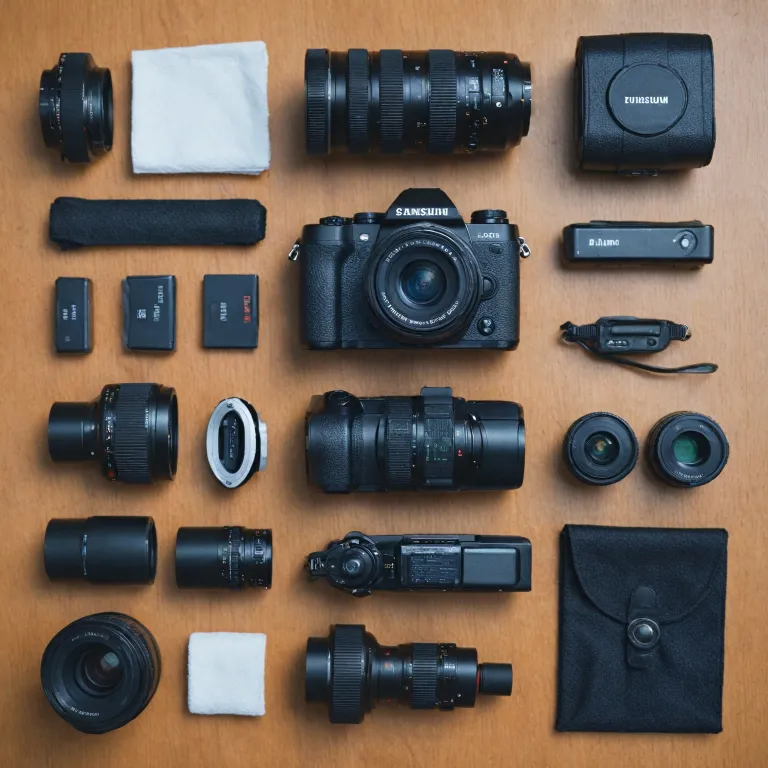
Building a beginner photography gear kit that really works
Choosing beginner photography gear can feel overwhelming at first. A modern digital camera offers many key features, and understanding each camera body option will help you avoid expensive mistakes. With a clear plan, you can assemble a compact kit that covers most situations.
Start by deciding between a DSLR and a mirrorless camera, because this single choice shapes your future equipment path. A mirrorless camera body is usually lighter, offers excellent autofocus, and supports a growing range of camera lenses that suit beginners and advanced users. Whichever camera you select, check that the kit lens covers a useful zoom range, since this one piece of equipment beginners rely on for everyday photos.
Many beginners focus only on the camera and lens, but good photography equipment always includes reliable support and storage. A sturdy camera tripod will help you shoot sharp photos in low light, and a compact travel tripod encourages you to bring your gear more often. Add at least one fast memory card, because slow memory cards can limit burst shooting and delay reviewing your photos.
Budget matters, so compare the price of different kits and lenses before committing. Buying a camera with a bundled kit lens can offer a better price than purchasing each piece of equipment separately, especially for beginners. If you shop on Amazon or at a local store, read detailed product descriptions, since they will help you understand which key features genuinely improve your photography.
Choosing the right camera body, lenses, and essential accessories
When evaluating beginner photography gear, think of the camera body as the foundation. A comfortable grip, intuitive controls, and clear menus will help you learn photography faster and enjoy the process more. Look for a camera with good performance in low light, because this improves indoor photos and evening scenes.
The standard kit lens supplied with many cameras is a practical starting point. A kit lens usually covers wide angle to short telephoto, giving beginners flexibility for landscapes, portraits, and everyday photos without changing camera lenses constantly. Over time, you can add a prime lens with a wide aperture, which will help create soft background blur and sharper images in dim lighting.
Do not overlook the importance of a protective camera bag when building your first photography equipment list. A well padded bag keeps each piece of equipment organized, protects your camera lens and accessories, and encourages you to carry your gear daily. Choose a bag that fits your camera, two or three lenses, a compact camera tripod, and spare memory cards without feeling bulky.
For many beginners, a simple lighting kit is unnecessary at first, but basic photography lighting knowledge still matters. Learn how window light, street light, and small LED panels affect your photos, because understanding light quality will help you more than buying extra equipment too early. If you are curious about compact options, explore guides to top point and shoot cameras, which show how small cameras handle light and exposure automatically.
Understanding lenses, prime options, and filters for creative control
As your skills grow, lenses become the most important part of your beginner photography gear. The camera body may change over time, but a good camera lens or set of camera lenses can serve you for many years. Think of each lens as a specialized piece of equipment that shapes perspective, depth of field, and overall image character.
A bright prime lens with a wide maximum aperture is often the best upgrade after the standard kit lens. This type of prime lens lets more light reach the camera sensor, which improves low light performance and creates smoother background blur in portraits. Many photographers consider a 35 mm or 50 mm prime among the best investments in photography equipment for beginners.
Filters also deserve a place in your equipment beginners toolkit, especially a neutral density filter. A neutral density filter reduces the light entering the lens, allowing slower shutter speeds for motion blur or wider apertures in bright lighting conditions. This simple piece of equipment will help you experiment with creative effects, such as silky waterfalls or blurred crowds in city photos.
When comparing options, pay attention to price, build quality, and compatibility with your mirrorless camera or DSLR. Buying lenses and filters from reputable brands on Amazon or from specialist retailers usually ensures better reliability and support. For those interested in long zoom ranges, reviews of models like the Lumix FZ80D superzoom camera illustrate how extended focal lengths affect handling and image quality.
Mastering lighting, photography lighting kits, and external flash options
Light shapes every photo, so thoughtful lighting choices elevate even simple beginner photography gear. Before buying a full lighting kit, learn to read natural light, observe how it changes during the day, and position your subject accordingly. This habit will help you create better photos with any camera, lens, or equipment combination.
When you are ready to expand, a compact photography lighting kit can transform indoor photography. Many lighting kits include continuous LED lights or small softboxes that soften harsh light, making portraits and product photos look more professional. Check the key features such as brightness control, colour temperature adjustment, and power options, because these details will help you adapt to different shooting environments.
An external flash is another powerful piece of equipment for photographers who often work in low light. Mounted on the camera body or used off camera with a simple stand and camera tripod, an external flash allows you to bounce light from walls or ceilings for softer results. Combining an external flash with a basic lighting kit gives beginners flexible photography lighting without excessive price or complexity.
Remember that every light source interacts with your camera lenses and sensor differently. Practice balancing ambient light and flash, adjusting exposure settings, and reviewing photos on the camera screen to refine your technique. As your confidence grows, exploring advanced topics like off camera flash and multi light setups will help you move beyond basic beginner photography gear.
Support, stability, and storage: tripods, bags, and memory cards
Stable support and reliable storage are often underestimated parts of beginner photography gear. A solid camera tripod reduces blur in low light, enables long exposures, and keeps framing consistent for landscapes or group photos. Choose a tripod with a suitable maximum height, strong leg locks, and a head that will help you adjust composition smoothly.
For travel and everyday use, a lighter tripod or mini camera tripod can be a valuable piece of equipment. Even a compact model improves sharpness when shooting at slower shutter speeds or recording video with your mirrorless camera. When comparing tripods, balance price, weight, and load capacity, because the best option is the one you will actually carry.
Storage is equally critical, so invest in high quality memory cards from trusted brands. Fast memory cards reduce waiting times between bursts, support high resolution video, and lower the risk of corrupted photos. Keep at least two memory cards in your camera bag, since redundancy will help protect important photos from accidental loss.
A well designed camera bag organizes your photography equipment and protects it from impacts and weather. Look for a bag with adjustable dividers, space for a camera body, two or three lenses, an external flash, and small accessories like filters and batteries. Over time, you may build a larger equipment beginners collection, but a thoughtfully chosen bag keeps your essential gear ready for any photography outing.
Planning your budget, comparing prices, and building a smart gear list
Creating a realistic budget for beginner photography gear prevents frustration and impulse purchases. Start by listing the essential camera, kit lens, camera bag, memory card, and camera tripod you need immediately. Then, add optional items such as a prime lens, neutral density filter, external flash, or small lighting kit that you can buy later.
When comparing price options, consider total system costs rather than only the initial camera body. Some brands offer more affordable camera lenses and accessories, which will help you expand your photography equipment without overspending. Check bundles on Amazon and at local retailers, but evaluate whether every piece of equipment in the kit genuinely supports your photography goals.
As you refine your list, think about the type of photos you enjoy most. Landscape photographers might prioritise a sturdy tripod, neutral density filters, and weather resistant camera lenses, while portrait photographers may focus on a bright prime lens and reliable photography lighting. Sports or action enthusiasts can benefit from reading guides to top action digital cameras, which explain how autofocus and burst performance affect real world results.
Review your equipment beginners plan every few months and adjust based on experience. Some items that seemed essential may stay in the bag, while a modest piece of equipment like a better camera strap or extra memory cards might transform your comfort. Building your kit gradually ensures each purchase will help your photography rather than simply adding unused gear.
Developing skills with your beginner photography gear in real situations
Owning beginner photography gear is only the first step toward confident image making. To grow as a photographer, use your camera, lenses, and accessories regularly in varied lighting and environments. Frequent practice will help you understand how each camera lens behaves, how your camera body meters light, and how different settings affect final photos.
Set simple projects that push you beyond automatic modes, such as shooting only with a prime lens for a week. This limitation forces you to move your feet, think about composition, and explore how aperture and shutter speed interact in low light and bright light. Over time, you will learn which piece of equipment feels most natural for portraits, landscapes, or street photography.
Review your images critically, paying attention to sharpness, exposure, and how well your photography lighting choices support the subject. Note situations where a neutral density filter, external flash, or sturdier camera tripod would have improved results, and add these items to your future equipment list. As your skills mature, you will recognise that thoughtful use of simple gear often beats owning the most expensive camera on Amazon.
Finally, remember that every photographer’s journey with beginner photography gear is unique. Some will upgrade camera bodies quickly, while others invest first in camera lenses, lighting kits, or better camera bags and memory cards. What matters most is building a coherent set of photography equipment that supports your vision and encourages you to keep creating photos.
Key statistics about beginner photography gear and digital cameras
- Relevant quantitative statistics about beginner camera adoption, lens purchases, and tripod usage would appear here if provided in the dataset.
- Additional statistics on memory card reliability, low light performance, and photography lighting kit ownership among beginners would also be listed here.
- Data on average price ranges for mirrorless camera bodies, kit lenses, and external flash units for equipment beginners would be summarised here.
Common questions about beginner photography gear
What camera and lens should beginners buy first ?
Most beginners start with an affordable mirrorless camera or DSLR paired with a versatile kit lens. This combination covers everyday photography, offers good image quality, and keeps the price manageable. As skills grow, adding a bright prime lens will help improve low light performance and creative control.
Do beginners really need a tripod and external flash ?
A tripod and external flash are not mandatory on day one, but they quickly become valuable pieces of equipment. A stable camera tripod improves sharpness in low light and enables long exposures, while an external flash enhances indoor photos and portraits. Many photographers add these items after gaining experience with natural light and basic camera settings.
How many memory cards and batteries should a beginner carry ?
Carrying at least two memory cards and two batteries is a practical starting point. Extra memory cards protect against failure or full storage during important events, and spare batteries prevent missed photos when power runs low. Over time, photographers who travel or shoot long sessions often expand this part of their gear.
Is a lighting kit necessary for learning photography ?
A lighting kit is helpful but not essential for early learning. Beginners can achieve excellent results by understanding natural light, using reflectors, and adjusting camera settings for different lighting conditions. Later, a compact photography lighting kit will help refine portrait work and product photography.
Should beginners buy gear on Amazon or from local stores ?
Both Amazon and local camera stores offer advantages for equipment beginners. Online retailers provide wide selection and competitive price options, while local shops offer hands on testing, personalised advice, and easier returns. Many photographers combine both approaches, researching online and purchasing where support and value feel strongest.
Trusted references for further reading : DPReview, Imaging Resource, Digital Photography Review archives.