

Understanding the unique demands of wildlife photography
Why Wildlife Photography Demands Specialized Gear
Wildlife photography is a unique challenge in the world of digital photography. Unlike studio or landscape work, capturing animals in their natural habitat means dealing with unpredictable movement, changing light, and often great distances. The right camera and lens combination is crucial for getting sharp, detailed images of fast moving subjects, especially in low light conditions.
Challenges of Shooting in the Wild
- Distance and Reach: Animals rarely come close, so a camera with a long reach and compatible telephoto lenses is essential. Full frame cameras and crop sensor models each offer different advantages for reach and field of view.
- Lighting Conditions: Wildlife photographers often work at dawn or dusk, when light is limited. Cameras with strong low light performance, high ISO capabilities, and wide dynamic range help preserve detail and color.
- Movement and Speed: Subjects can move unpredictably. Fast autofocus, high burst speed (fps), and responsive tracking systems are critical for capturing sharp images. Mirrorless camera systems from brands like Canon, Sony, and Nikon have made significant advances in autofocus and speed fps.
- Weather and Durability: Outdoor conditions can be harsh. A camera wildlife setup should be weather-sealed and robust enough to handle dust, moisture, and temperature changes.
What Sets Wildlife Cameras Apart
Not all cameras are created equal for wildlife photography. The best models offer a combination of high resolution, fast frame rate, and advanced autofocus. For example, Canon EOS and Sony Alpha series are popular among wildlife photographers for their dual pixel autofocus, fps electronic burst modes, and reliable video capabilities. Nikon’s full frame and crop sensor options also provide excellent dynamic range and light performance.
Choosing the right camera body is just the start. The lens you pair with your camera, as well as the range of compatible lenses, will greatly impact your ability to capture distant or elusive subjects. Features like Canon USM (ultrasonic motor) lenses, which offer fast and quiet focusing, are especially useful in the field.
For a deeper understanding of how your gear fits together, including essential information about camera screws and mounting, check out this essential guide for digital camera users.
Key features to look for in a wildlife camera
Essential Camera Features for Capturing Wildlife
When selecting a camera for wildlife photography, it’s important to focus on features that help you capture fast moving animals in challenging environments. Wildlife photographers often face unpredictable lighting, distant subjects, and the need for quick reactions. Here’s what to look for when choosing the best camera for wildlife:
- Autofocus Performance: Fast and accurate autofocus is crucial. Look for cameras with advanced autofocus systems, such as Canon’s Dual Pixel AF or Sony’s Real-time Tracking. These systems help lock onto moving subjects quickly, increasing your chances of sharp images.
- Burst Speed (FPS): Wildlife action happens fast. A high frame rate, measured in frames per second (fps), allows you to shoot multiple images in rapid succession. Cameras like the Canon EOS R6 or Nikon Z8 offer impressive burst speeds, making it easier to capture the perfect moment.
- Sensor Size and Resolution: Full frame sensors generally provide better low light performance and dynamic range, which is essential for early morning or dusk shoots. However, crop sensor cameras can give extra reach with telephoto lenses, which is helpful for distant wildlife. Consider your shooting style and preferred lens range.
- ISO Range and Low Light Performance: Wildlife is often most active in low light. Cameras with a wide ISO range and strong noise control, like the Sony Alpha series, help maintain image quality in challenging conditions.
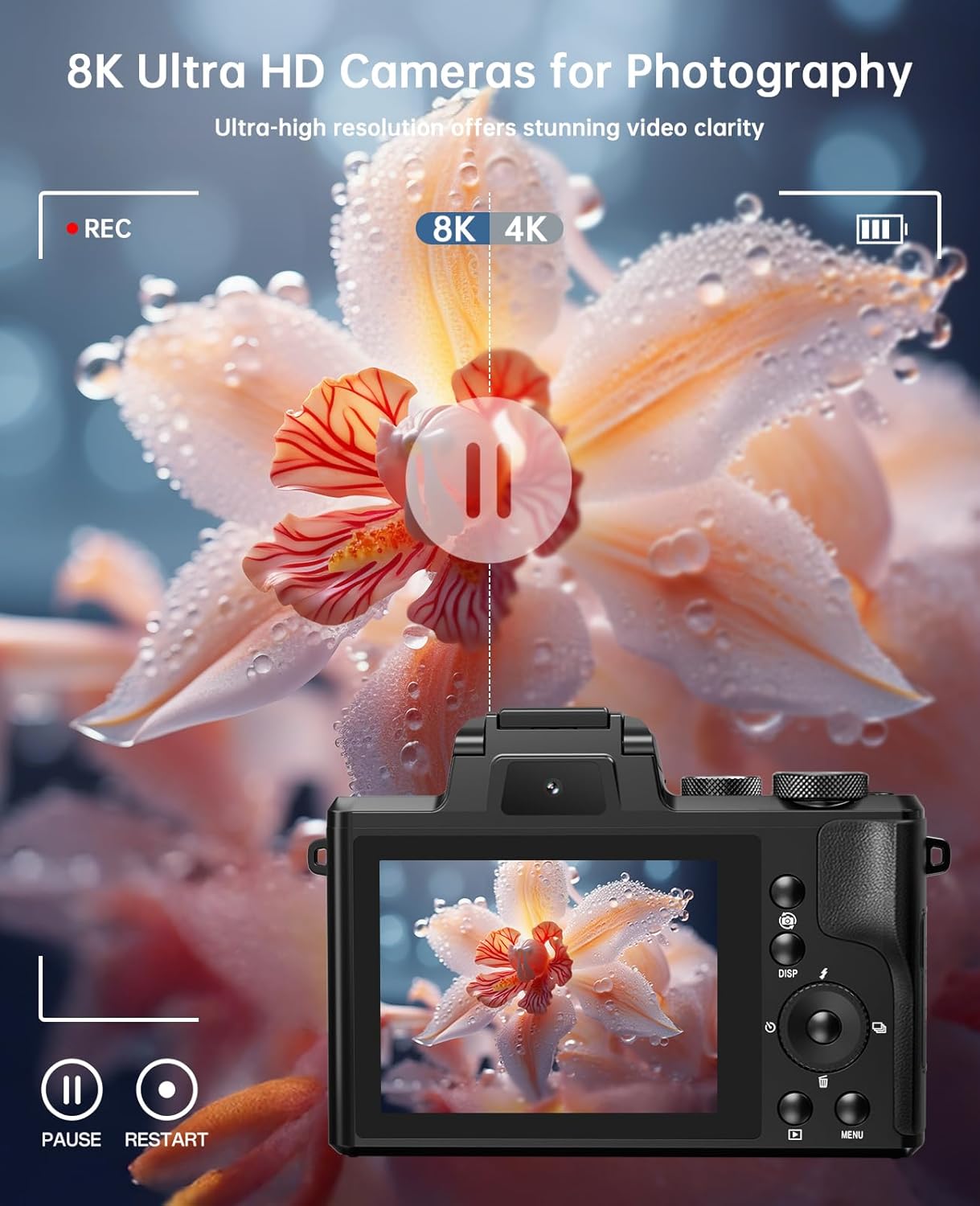
- Video Capabilities: If you want to capture wildlife in motion, look for cameras with strong video features. 4K video, high fps electronic shutter, and reliable autofocus during video are valuable for wildlife videography.
- Build Quality and Weather Sealing: Outdoor photography can be tough on gear. Choose a camera with robust construction and weather sealing to protect against dust, moisture, and temperature changes.
Lens Compatibility and System Flexibility
The camera body is only part of the equation. Make sure your chosen camera system offers a wide range of lenses suitable for wildlife, such as telephoto and super-telephoto options. Canon, Nikon, and Sony all provide extensive lens lineups, including fast USM and G-series lenses for quick focusing and excellent image quality. Mirrorless camera systems are increasingly popular for their compact size and advanced features, but ensure the lens selection meets your needs for reach and versatility.
For more advice on carrying your gear comfortably in the field, check out this guide on choosing the perfect waist pack camera bag for your photography needs.
Other Features to Consider
- Battery Life: Long battery life is important for extended shoots in remote locations.
- Customizable Controls: Quick access to settings like ISO, autofocus modes, and burst speed can make a big difference in the field.
- Viewfinder Quality: High-resolution electronic viewfinders help you track wildlife even in bright light.
By focusing on these key features, you’ll be better equipped to choose a camera that meets the unique demands of wildlife photography and helps you capture stunning images in any environment.
Top camera models for wildlife photography
Leading Cameras for Wildlife Enthusiasts
When it comes to wildlife photography, the choice of camera can make a significant difference in your results. The best cameras for wildlife must deliver fast autofocus, high burst speeds, excellent ISO performance, and robust build quality to handle the unpredictable nature of shooting animals in their habitats. Here’s a look at some top models that wildlife photographers often rely on, with a focus on full frame and crop sensor options from Canon, Sony, and Nikon.
- Canon EOS R5: This full frame mirrorless camera is highly regarded for its 45MP resolution, fast Dual Pixel autofocus, and 20 fps electronic burst speed. Its impressive ISO range and dynamic range make it a strong performer in low light, which is crucial for dawn or dusk wildlife shots. The R5 also offers advanced video capabilities, making it versatile for those who want to capture both stills and video.
- Sony Alpha 1: The Alpha 1 stands out with a 50MP full frame sensor, 30 fps electronic shutter, and top-tier autofocus tracking. Its high frame rate and fast moving subject tracking are ideal for capturing birds in flight or animals on the run. The camera’s light performance and wide ISO range help maintain image quality in challenging conditions.
- Nikon Z9: Nikon’s flagship mirrorless camera offers a 45.7MP full frame sensor, 20 fps raw burst speed, and an advanced autofocus system. Its robust build and weather sealing make it suitable for harsh wildlife environments. The Z9’s video capabilities are also noteworthy for those interested in hybrid shooting.
- Canon EOS 90D: For those seeking a crop sensor camera, the EOS 90D is a strong contender. Its 32.5MP sensor, 10 fps burst speed, and reliable Canon USM autofocus system provide great reach and speed for wildlife photography, especially when paired with telephoto lenses.
- Sony Alpha 6600: Another excellent crop sensor option, the Alpha 6600 features fast autofocus, good ISO performance, and a compact body. Its battery life and lens compatibility make it a practical choice for fieldwork.
Comparing Key Specs for Wildlife Cameras
| Model | Sensor Type | Resolution (MP) | Burst Speed (fps) | ISO Range | Autofocus | Video Capabilities |
|---|---|---|---|---|---|---|
| Canon EOS R5 | Full Frame | 45 | 20 (electronic) | 100-51200 | Dual Pixel | 8K/4K |
| Sony Alpha 1 | Full Frame | 50 | 30 (electronic) | 100-32000 | Real-time Tracking | 8K/4K |
| Nikon Z9 | Full Frame | 45.7 | 20 (raw) | 64-25600 | 493-point Hybrid | 8K/4K |
| Canon EOS 90D | Crop Sensor | 32.5 | 10 | 100-25600 | Canon USM | 4K |
| Sony Alpha 6600 | Crop Sensor | 24.2 | 11 | 100-32000 | Real-time Eye AF | 4K |
When comparing cameras wildlife shooters should consider not just the frame rate or resolution, but also how the camera handles autofocus in fast moving situations, its low light performance, and the range of compatible lenses. For those interested in sports or action photography as well, you might find this guide to choosing the best Olympic camera for filming soccer games helpful, as many of the same camera features apply to both genres.
Ultimately, the best camera for wildlife photography is the one that balances speed, reach, and reliability for your specific needs. Pairing your camera with the right lens and accessories will further enhance your ability to capture stunning wildlife moments in any environment.
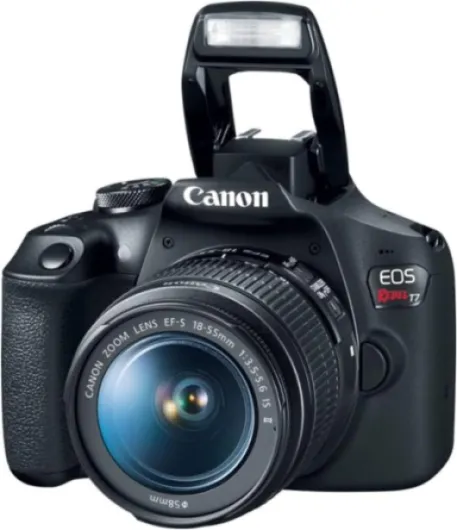
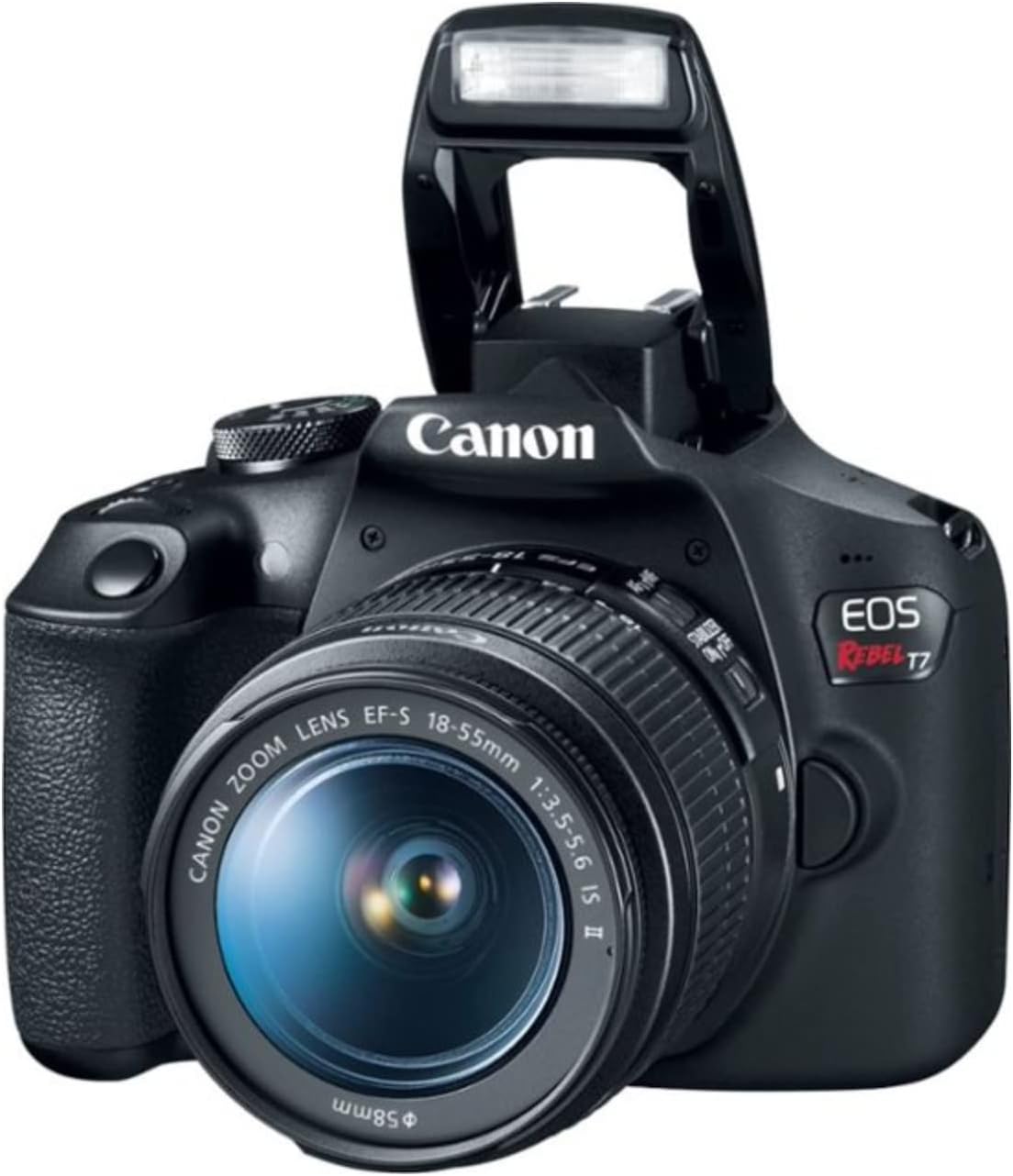
- + Two Lenses Included: EF 18-55mm and EF 75-300mm
- + Beginner Friendly: Easy to use for new photographers
- + High Image Quality: Great for photos and videos
- + Interchangeable Lenses: Flexible for different shooting situations

Choosing the right lenses for wildlife shots
Matching Your Lens to the Subject and Scene
When it comes to wildlife photography, the lens you choose can be just as important as the camera body. Wildlife photographers often deal with fast moving subjects and unpredictable lighting, so selecting the right lens is crucial for capturing sharp, detailed images. The best lenses for wildlife are those that offer a combination of reach, speed, and light performance.
- Focal Length and Reach: A telephoto lens with a long focal length (300mm or more) allows you to photograph animals from a distance without disturbing them. Both full frame and crop sensor cameras benefit from this reach, but crop sensors provide extra magnification, which can be an advantage for distant wildlife.
- Maximum Aperture: Lenses with wide apertures (like f/2.8 or f/4) let in more light, improving low light performance and enabling faster shutter speeds. This is essential for freezing action and achieving sharp images in challenging conditions.
- Autofocus Speed and Accuracy: Fast and reliable autofocus is a must for tracking moving wildlife. Canon USM (Ultrasonic Motor) lenses, Nikon’s AF-S, and Sony’s G Master series are known for their quick and silent autofocus systems, which are ideal for wildlife photography.
- Image Stabilization: Built-in stabilization helps reduce blur from camera shake, especially when shooting handheld at long focal lengths or in low light.
Popular Lens Choices for Wildlife Enthusiasts
Many wildlife photographers rely on telephoto zooms for their versatility. For Canon users, the Canon EF 100-400mm f/4.5-5.6L IS II USM is a top pick, offering excellent range and sharpness. Nikon’s AF-S NIKKOR 200-500mm f/5.6E ED VR is another favorite, delivering impressive reach and image quality. Sony’s FE 200-600mm f/5.6-6.3 G OSS is highly regarded among mirrorless camera users for its autofocus and dynamic range.
Prime lenses, such as a 400mm or 600mm f/4, provide outstanding sharpness and light gathering but are heavier and more expensive. They are often chosen by professionals who need the absolute best in resolution and speed fps for demanding wildlife scenarios.
Considerations for Video and Burst Shooting
If you plan to capture wildlife video, look for lenses with smooth, quiet autofocus motors and minimal focus breathing. For stills, especially when using high burst speeds (fps raw or electronic frame rate), a lens that can keep up with your camera’s autofocus system is essential. Dual Pixel autofocus on Canon EOS cameras, for example, pairs well with Canon USM lenses for both stills and video capabilities.
Balancing Portability and Performance
While large telephoto lenses offer the best reach and light performance, they can be heavy. Consider your shooting style and how much gear you’re willing to carry. Some wildlife photographers opt for lighter zooms or use crop sensor cameras wildlife to maximize reach without extra weight.
Accessories that enhance your wildlife photography experience
Essential Gear to Elevate Your Wildlife Photography
Wildlife photography often means working in unpredictable environments, where having the right accessories can make a significant difference. The right gear not only protects your camera and lenses but also helps you capture those fleeting moments with precision and clarity. Here are some must-have accessories for wildlife photographers:
- Sturdy Tripod or Monopod: Stability is crucial, especially when using heavy telephoto lenses or shooting in low light. A robust tripod or a lightweight monopod helps you maintain sharpness, particularly when using full frame or crop sensor cameras with high resolution.
- Camera Rain Covers: Weather can change quickly in the wild. Rain covers protect your camera, lens, and electronics from moisture and dust, ensuring your gear stays functional whether you shoot with a Canon EOS, Sony mirrorless camera, or Nikon DSLR.
- Extra Batteries and Memory Cards: Wildlife action can be unpredictable and fast moving. Carrying spare batteries and high-speed memory cards ensures you never miss a shot, especially when using high fps burst speed or shooting RAW sequences.
- Teleconverters: For extra reach, teleconverters can extend the focal length of your lens, making it easier to photograph distant subjects. This is especially useful for full frame and crop sensor cameras when paired with lenses like Canon USM or Nikon’s fast autofocus options.
- Lens Hoods and Filters: Lens hoods reduce glare and protect your lens, while filters (such as UV or polarizers) help manage challenging light conditions and improve image quality.
- Camera Backpack: A well-designed backpack keeps your camera, lenses, and accessories organized and protected, making it easier to move through rough terrain.
- Remote Shutter Release: For minimizing camera shake during long exposures or when using high resolution sensors, a remote release is invaluable.
- Cleaning Kit: Dust, mud, and moisture are common in wildlife settings. Keeping a cleaning kit handy helps maintain your camera and lens performance, especially for cameras wildlife photographers rely on for low light performance and fast autofocus.
These accessories complement the key features discussed earlier, such as dynamic range, ISO performance, and autofocus speed. Investing in the right gear ensures your camera wildlife setup is ready for any challenge, whether you’re tracking birds in flight or capturing animals in low light. The right accessories can help you get the best out of your camera’s frame rate, video capabilities, and overall image quality.
Tips for capturing stunning wildlife images
Mastering Focus and Timing for Wildlife Action
Wildlife photography is all about capturing fleeting moments. To freeze fast moving animals, use your camera’s burst speed (fps) and continuous autofocus. Modern mirrorless cameras from Canon, Sony, and Nikon offer high frame rates and advanced autofocus systems, such as Canon’s Dual Pixel AF or Sony’s Real-time Tracking. These features help you lock onto unpredictable subjects, ensuring sharp results even when animals move quickly across the frame.
Maximizing Light and Exposure in the Field
Wildlife often appears during dawn or dusk, when light is low. A full frame sensor provides better low light performance and dynamic range, letting you shoot at higher ISO without excessive noise. Cameras like the Canon EOS R5 or Nikon Z8 excel in these conditions. Use wide aperture lenses (like Canon USM or Sony G Master) to let in more light and create a pleasing background blur, helping your subject stand out.
Composing for Impact and Reach
Frame your subject with intention. Use the reach of telephoto lenses to get close without disturbing wildlife. Crop sensor cameras can also extend your effective focal length, making distant animals appear larger in the frame. Pay attention to the background and try to separate your subject for a cleaner composition. Experiment with different angles and perspectives to add variety to your wildlife shots.
Leveraging Video Capabilities
Many modern cameras wildlife enthusiasts use now feature impressive video capabilities. High resolution 4K or even 8K video, combined with fast fps electronic shutter modes, allow you to capture dynamic wildlife behavior. Use video to document animal movements or create slow-motion sequences, taking advantage of your camera’s full frame rate and autofocus tracking.
Practical Tips for the Field
- Always check your settings before heading out: ensure your ISO, shutter speed, and aperture are ready for changing light.
- Keep your gear protected from dust and moisture, especially when shooting in challenging environments.
- Use silent shooting modes to avoid startling wildlife.
- Practice patience and observe animal behavior to anticipate the best moments.
- Experiment with both RAW and JPEG formats. RAW gives you more flexibility in post-processing, especially for recovering details in highlights and shadows.
By combining the right camera, lenses, and accessories with these field techniques, you’ll be better equipped to capture stunning wildlife images that showcase the beauty and drama of the natural world.