

Understanding the micro four thirds system
What Makes Micro Four Thirds Unique?
The micro four thirds (M43) system stands out in the world of digital cameras for its balance between portability and performance. Unlike full frame or APS-C cameras, micro thirds cameras use a sensor size that is smaller, which allows for a more compact camera body and lens design. This makes them a popular choice for street photography, travel, and anyone who values a small, lightweight kit without sacrificing image quality.
How the System Evolved
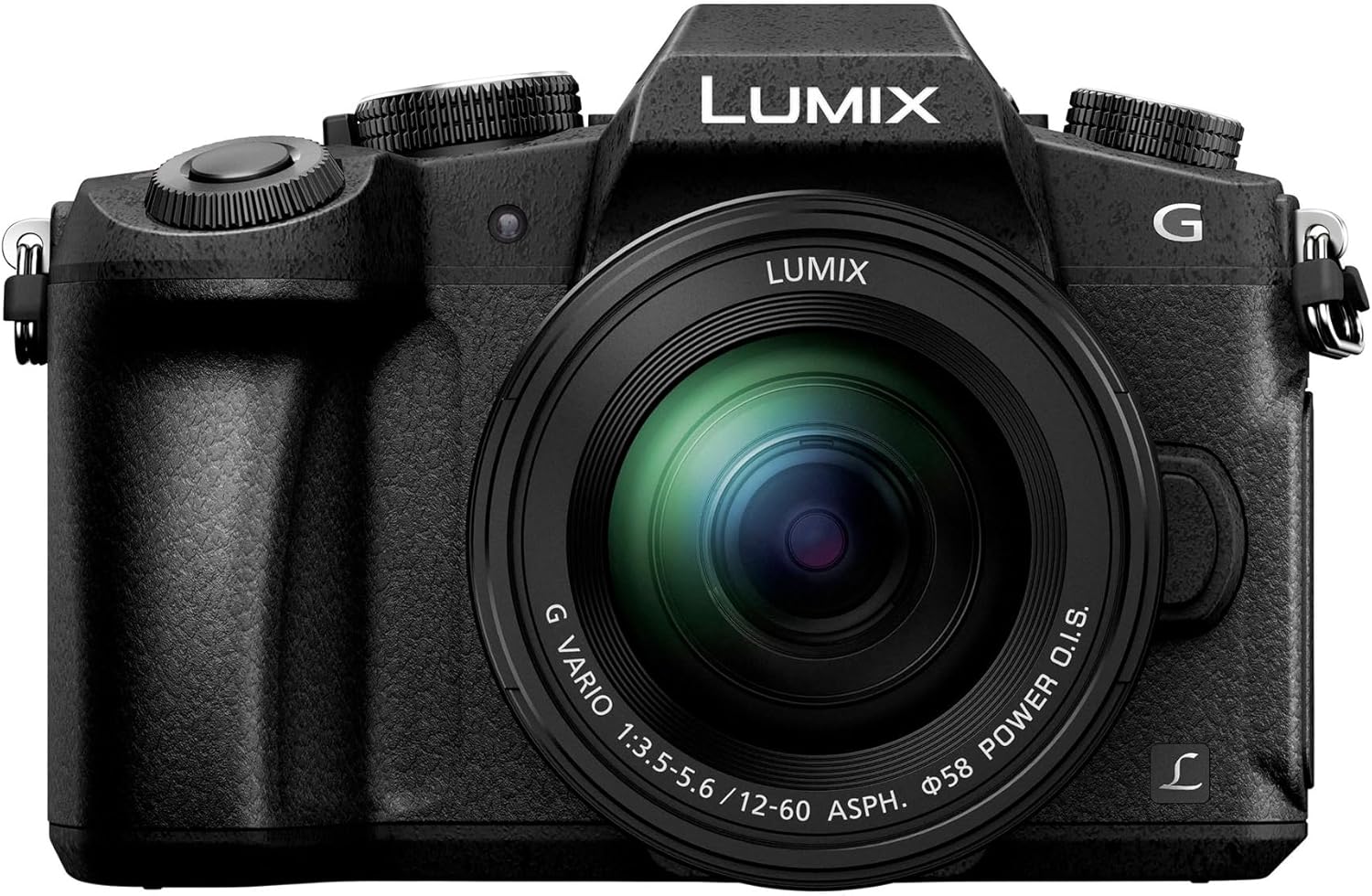
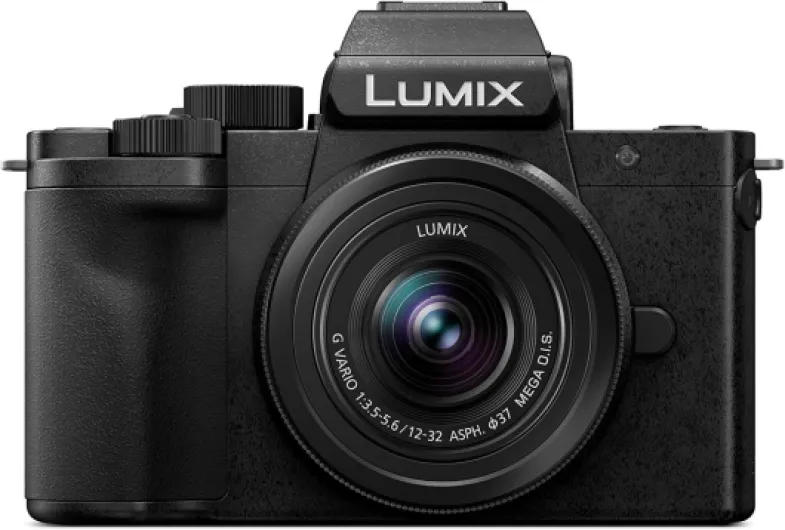
The micro four thirds system was developed to offer a mirrorless camera experience that is both versatile and accessible. Brands like Panasonic and Olympus have led the way, with models such as the Panasonic Lumix and Olympus PEN series. These cameras are known for their reliable autofocus, high resolution sensors, and features like weather sealing and phase detect autofocus, which are often found in more expensive systems.
Benefits for Photographers and Videographers
- Portability: M43 cameras are smaller and lighter than many full frame options, making them ideal for on-the-go shooting.
- Lens Versatility: The micro thirds mount supports a wide range of camera lens options, from ultra-wide to telephoto, giving you flexibility for different shooting styles.
- Video Capabilities: Many micro four thirds cameras, especially from the Lumix lineup, are praised for their video performance, making them a favorite among content creators.
- Dynamic Range: While not always matching the best full frame cameras, modern M43 sensors deliver impressive dynamic range and color depth for most photography needs.
Who Should Consider Micro Four Thirds?
If you are looking for a digital camera that offers a strong balance of price, performance, and portability, the micro four thirds system is worth a close look. Whether you are interested in the best micro camera for travel, a weather-sealed body for outdoor shoots, or a versatile system for both stills and video, M43 cameras have options to suit a variety of needs. For a deeper dive into how micro four thirds compares with other mirrorless camera systems, you can read this review of top mirrorless cameras for enthusiasts.
Key features to look for in the best m43 camera
Essential Aspects That Define a Great Micro Four Thirds Camera
When evaluating the best micro four thirds cameras, it’s important to focus on the features that truly impact your photography experience. The micro four thirds system, used by brands like Panasonic Lumix and Olympus, offers a unique balance between portability and performance. Here’s what to look for when comparing models:- Sensor Performance and Dynamic Range: The sensor is the heart of any digital camera. Micro thirds cameras have smaller sensors than full frame models, but recent advancements mean you can still expect impressive image quality and dynamic range. Look for reviews that discuss low-light performance and color accuracy.
- Autofocus System: Fast and accurate autofocus is crucial, especially for street photography or action shots. Many newer models feature phase detect autofocus, which improves speed and reliability. This is particularly important if you plan to shoot moving subjects or video.
- Video Capabilities: If you want to shoot video as well as stills, check the camera’s video specs. Some Panasonic Lumix and Olympus cameras offer 4K video, advanced codecs, and microphone inputs. Consider your needs—whether you’re vlogging, filming events, or just capturing family moments.
- Build Quality and Weather Sealing: For photographers who shoot outdoors, weather sealing is a valuable feature. A robust camera body can withstand rain, dust, and rough handling, making it ideal for travel and adventure.
- Viewfinder and Screen: An electronic viewfinder (EVF) helps you compose shots in bright light, while a tilting or fully articulating screen is useful for creative angles and video. Check the resolution and refresh rate for a comfortable shooting experience.
- Size and Weight: One of the biggest advantages of micro four thirds cameras is their compact size. If you value portability, compare the dimensions and weight of different models. A small camera can be a big plus for street photography or travel.
- Lens Compatibility: The micro four thirds mount offers a wide range of camera lens options, from ultra-wide to telephoto. Make sure the camera you choose is compatible with the lenses you want to use, and consider future upgrades.
- Battery Life: Mirrorless cameras often have shorter battery life than DSLRs. Check the manufacturer’s rating and read user reviews to see how the camera performs in real-world conditions.
Balancing Features With Your Photography Goals
Every photographer has unique needs. If you’re focused on high resolution images, look for a model with a higher megapixel count. For those interested in video, prioritize cameras with advanced video features. Street photographers might prefer a small, lightweight body that’s easy to carry all day. Price is always a consideration. The price Lumix and Olympus cameras can vary widely, so weigh the features against your budget. Sometimes, a slightly older model offers the best value for your needs. For more guidance on choosing the right mirrorless camera for specific genres, such as bird photography, you can read this guide to ideal mirrorless cameras for bird photography. Remember, the best micro four thirds camera is the one that fits your style, budget, and creative ambitions.Comparing top models in the m43 lineup
Top Micro Four Thirds Cameras Compared
When searching for the best micro four thirds camera, it helps to compare the leading models side by side. The micro four thirds system is known for its compact size, versatility, and strong lens selection, but not all cameras are created equal. Here’s a look at some of the most popular options in the market, focusing on what sets them apart for different types of photographers.| Model | Key Features | Strengths | Price Range |
|---|---|---|---|
| Panasonic Lumix GH6 | 25MP sensor, advanced video, phase detect AF, weather sealing | Best for video, high resolution, robust build | High |
| Olympus OM System OM-5 | 20MP sensor, compact, weather sealed, in-body stabilization | Great for travel, street photography, outdoor use | Mid |
| Panasonic Lumix G9 | 20MP sensor, fast burst, high dynamic range, dual card slots | Best for wildlife, sports, action | Mid |
| Olympus PEN E-P7 | 20MP sensor, stylish design, small body, creative filters | Ideal for street, everyday carry, beginners | Entry |
What Makes These Cameras Stand Out?
- Panasonic Lumix GH6 is a top choice for creators who want a micro thirds camera that excels in both video and stills. Its advanced video features and phase detect autofocus make it a favorite for hybrid shooters. The weather sealing and robust camera body also add to its appeal for professionals.
- Olympus OM System OM-5 offers a balance of portability and performance. The weather sealing and in-body stabilization make it reliable for outdoor and travel photographers. Its small size doesn’t compromise on image quality or dynamic range.
- Panasonic Lumix G9 stands out for speed and versatility. With a fast burst rate and high dynamic range, it’s well-suited for action and wildlife. The dual card slots and ergonomic design are appreciated by enthusiasts who shoot in demanding conditions.
- Olympus PEN E-P7 is perfect for those who want a stylish, compact digital camera for street photography or everyday use. Its creative filters and small camera body make it easy to carry, while still delivering the quality expected from the best micro thirds cameras.
Choosing Based on Your Needs
When comparing these micro thirds cameras, consider what matters most for your photography. If you prioritize video, the Lumix GH6 is hard to beat. For travel and street photography, the OM-5 and PEN E-P7 offer portability and style. Wildlife and sports shooters will appreciate the G9’s speed and reliability. Each camera supports a wide range of micro thirds camera lens options, so you can build a system that grows with your skills. For those interested in capturing live events or concerts, check out this guide on choosing the perfect camera for concert photography to see how these models perform in challenging lighting conditions. Remember, the best micro four thirds camera is the one that fits your shooting style, budget, and creative goals. Always read full reviews and consider hands-on experience before making a decision.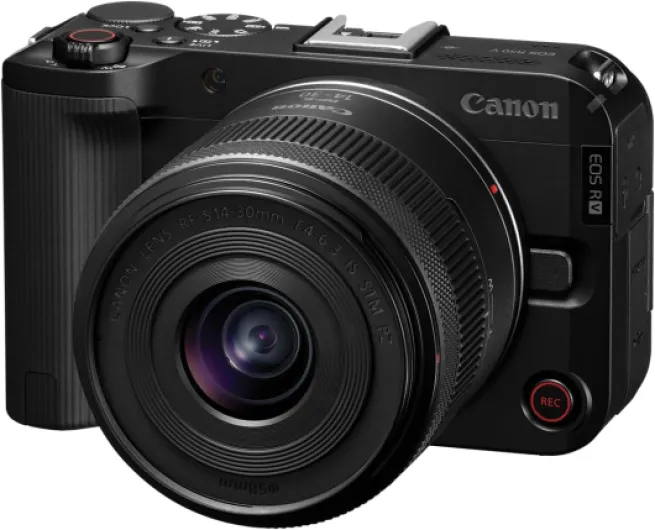
- + APS-C Sensor for high-quality images
- + 24.2 Megapixels for detailed shots
- + Fast Autofocus for quick subject tracking
- + Ultra-Wide Zoom Lens for versatile shooting
- + Vlogging and Live Streaming Kit for content creators

Lens options and versatility with m43 cameras
Exploring Lens Compatibility and Creative Flexibility
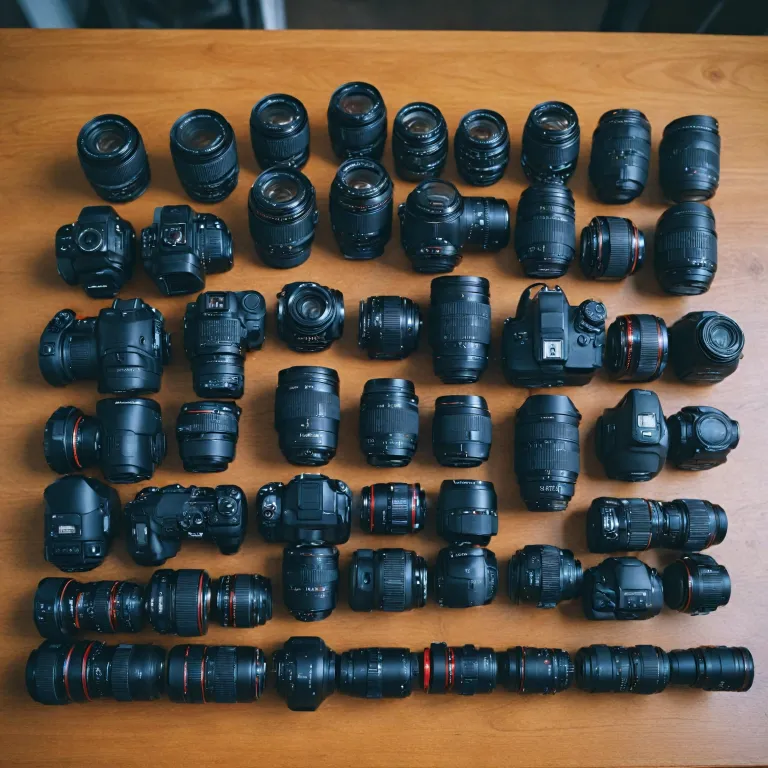
One of the standout advantages of the micro four thirds system is its remarkable lens versatility. Whether you are just starting out or looking to expand your creative options, the range of available lenses for micro thirds cameras is impressive. Both Panasonic Lumix and Olympus cameras offer a wide selection, covering everything from ultra-wide to telephoto, macro, and specialty lenses. This flexibility is a key reason why many photographers choose micro thirds over full frame or other mirrorless camera systems.
- Wide Lens Selection: The micro four thirds mount supports dozens of native lenses from Panasonic, Olympus, and third-party brands. This means you can find the best lens for street photography, portraits, landscapes, or video work without being locked into a single manufacturer.
- Compact and Lightweight: Micro thirds lenses are generally smaller and lighter than their full frame counterparts. This makes them ideal for travel, street photography, or any situation where carrying a small, unobtrusive camera is a priority.
- Adaptability: With the right adapters, you can use vintage or specialty lenses on your micro thirds camera body, adding even more creative possibilities to your kit.
What to Look for in a Micro Thirds Lens
When choosing a lens for your micro thirds camera, consider the following factors to match your photography needs:
- Aperture: A lens with a wide maximum aperture (like f/1.8 or f/2.8) is great for low light and achieving a shallow depth of field.
- Focal Length: Decide if you need a versatile zoom lens or a sharp prime lens for specific types of shooting.
- Weather Sealing: If you shoot outdoors or in challenging conditions, look for lenses with weather sealing to protect your gear.
- Autofocus Performance: For fast-moving subjects or video, lenses with quick and accurate autofocus—especially those optimized for phase detect AF—are a smart choice.
- Price and Value: The micro four thirds system offers options at various price points, so you can find a camera lens that fits your budget without sacrificing quality.
Popular Lens Choices for Micro Thirds Cameras
| Lens | Best For | Key Features | Approx. Price |
|---|---|---|---|
| Panasonic Lumix 20mm f/1.7 | Street Photography, Everyday | Small, lightweight, sharp, fast aperture | Mid-range |
| Olympus M.Zuiko 12-40mm f/2.8 PRO | General Purpose, Travel | Weather sealing, constant aperture, high resolution | Premium |
| Panasonic Lumix 42.5mm f/1.7 | Portraits | Bright aperture, optical image stabilization | Mid-range |
| Olympus M.Zuiko 60mm f/2.8 Macro | Macro, Product Photography | High magnification, weather sealing | Mid-range |
Choosing the best micro thirds camera lens depends on your shooting style and priorities. Whether you prioritize portability, dynamic range, or high resolution, the micro four thirds system offers a lens lineup that can help you achieve your creative vision. For those interested in video, many Lumix and Olympus lenses are designed to minimize focus breathing and provide smooth, silent autofocus, making them excellent choices for mirrorless video work as well.
Practical considerations: size, weight, and usability
Handling and Portability in Everyday Use
One of the main attractions of micro four thirds cameras is their compact size and light weight. Compared to full frame or even APS-C mirrorless camera bodies, a micro thirds camera is much easier to carry around, making it ideal for street photography, travel, and long shooting sessions. The smaller camera body and lens options mean you can pack more gear without feeling weighed down. If you often shoot on the go, this system offers a real advantage.
Ergonomics and User Experience
When choosing the best micro thirds camera, pay close attention to how the camera feels in your hands. Some models, like the Panasonic Lumix series, are known for their comfortable grip and intuitive button layout. Olympus cameras, on the other hand, often feature customizable controls and a robust build. Try holding different cameras to see which fits your shooting style best. A good viewfinder and tilting screen can also enhance your experience, especially for video or low-angle shots.
Weather Sealing and Durability
If you plan to shoot outdoors or in unpredictable conditions, weather sealing is a feature worth considering. Many higher-end micro thirds cameras, such as select Panasonic Lumix and Olympus models, offer some level of protection against dust and moisture. This can be crucial for landscape or adventure photographers who need reliable gear in challenging environments.
Battery Life and Practical Shooting
Battery performance varies between models. While micro thirds cameras are generally efficient, shooting video or using high resolution modes can drain batteries faster. Carrying a spare battery is recommended for longer sessions. Some cameras also support USB charging, which is convenient for travel.
- Size and weight: Ideal for photographers who value portability
- Ergonomics: Test grip, button placement, and menu systems
- Weather sealing: Important for outdoor and travel use
- Battery life: Consider your typical shoot duration and style
Ultimately, the best micro thirds camera is the one that fits seamlessly into your workflow and feels right in your hands. Whether you prioritize a small camera for street photography or a weather-sealed body for outdoor shoots, the micro four thirds system offers a range of options to suit your needs. For a deeper dive into camera features and reviews, always read full product details and user feedback before making your decision.
Budgeting and value: finding the right m43 camera for you
Balancing Features and Cost in the Micro Four Thirds World
When searching for the best micro four thirds camera, price is a major factor. The micro system offers a wide range of cameras, from affordable entry-level models to advanced bodies with premium features. Understanding what you truly need can help you avoid overspending while still getting a camera that fits your style, whether you shoot street photography, landscapes, or video.- Entry-level micro thirds cameras: These are often compact, lightweight, and budget-friendly. They usually offer good image quality and essential features, making them ideal for beginners or those who want a small camera for travel.
- Mid-range options: Here, you’ll find cameras with improved dynamic range, better autofocus (sometimes with phase detect), and more robust video capabilities. Many Panasonic Lumix and Olympus cameras in this range include weather sealing and higher resolution sensors, which add value for enthusiasts.
- Flagship models: These micro thirds cameras are designed for professionals or serious hobbyists. Expect top-tier features like advanced stabilization, high-speed burst shooting, and extensive lens compatibility. The price Lumix and Olympus ask for these models reflects their performance and build quality.
Evaluating Value Beyond the Camera Body
The camera body is just one part of the investment. Micro four thirds systems are known for their versatile lens options. When budgeting, consider the cost of camera lens upgrades, accessories, and potential future needs. Some lenses, especially those with weather sealing or high aperture, can be as significant an investment as the camera itself.| Product | Key Features | Approximate Price |
|---|---|---|
| Panasonic Lumix G7 | 4K video, compact, good viewfinder | Low to mid-range |
| Olympus OM-D E-M10 Mark IV | In-body stabilization, small size, high resolution | Mid-range |
| Panasonic Lumix GH6 | Professional video, weather sealing, phase detect autofocus | High-end |