



Understanding the medium format advantage
The Unique Appeal of Medium Format
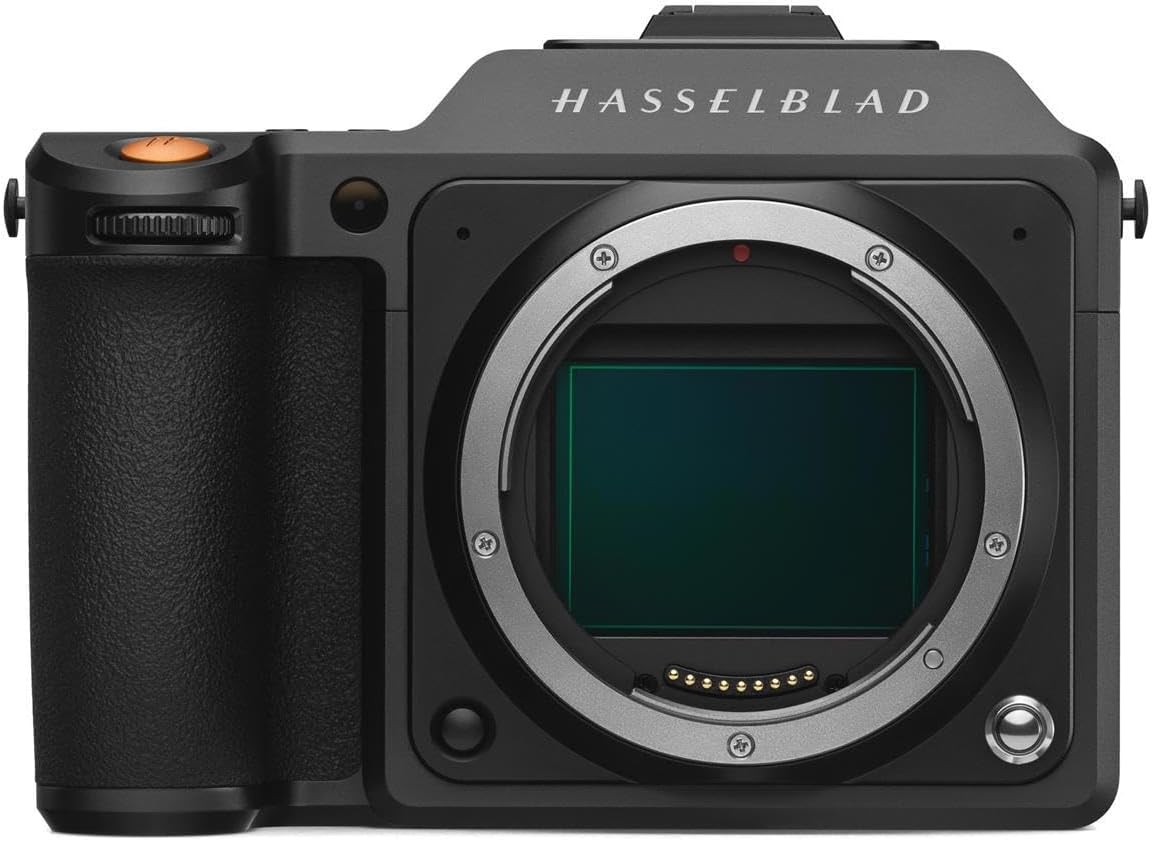
When exploring why the Hasselblad X1D II attracts so much attention from photography enthusiasts, it’s essential to understand what sets medium format cameras apart. The term "medium format" refers to a sensor size that is larger than the typical full-frame sensor found in most premium cameras. This larger sensor brings several advantages, especially in terms of image quality, dynamic range, and the overall feel of the images produced.
With the Hasselblad X1D II, users experience a level of detail and tonal gradation that’s hard to match with smaller sensor systems. The camera’s medium format sensor captures more light and information per shot, which translates to:
- Greater dynamic range for handling highlights and shadows
- Smoother color transitions and richer color science
- Shallow depth of field for a distinct look and subject separation
- Impressive performance in low light conditions
Another key aspect is the unique rendering of images. The combination of the Hasselblad medium format sensor and the XCD lens system creates a signature look—often described as "pretty" and cinematic. This is especially noticeable in portrait, landscape, and fine art photography, where subtle differences in exposure, speed, and color can make a significant impact.
Medium format mirrorless cameras like the X1D II also offer a different shooting experience. The larger sensor, paired with features like a high-resolution EVF, touch screen, and leaf shutter, gives photographers more control over exposure and shutter release. The leaf shutter, in particular, allows for flash sync at higher speeds, which is a big plus for studio and outdoor flash work.
For those interested in the evolution of camera systems and how medium format fits into the broader landscape, you might enjoy this closer look at a classic camera that helped shape the medium format legacy.
As we move forward, the design and handling of the Hasselblad X1D II, along with its lens compatibility and workflow features, further highlight why this camera stands out at its price point. The next sections will explore these aspects in more detail, including how the built-in GPS, USB connectivity, and Phocus Mobile integration with devices like the iPad Pro enhance the overall system.

Design and handling of the Hasselblad X1D II
Refined Ergonomics and User Experience
The Hasselblad X1D II offers a unique blend of classic camera feel and modern usability. Its medium format mirrorless design is surprisingly compact, making it more portable than traditional medium format systems. The camera body feels solid and premium, with a minimalist approach that avoids clutter. The grip is comfortable for extended shoots, and the controls are intuitively placed, allowing for quick adjustments of exposure, drive mode, and shutter speed without taking your eye off the scene.
Touch Screen and EVF Integration
One of the standout features is the large, high-resolution touch screen. It provides a responsive live view experience, making it easy to compose images and review shots in detail. The electronic viewfinder (EVF) is bright and sharp, offering a clear preview of your exposure and dynamic range. This combination of touch screen and EVF enhances the shooting process, whether you’re working in the studio or outdoors.
Connectivity and Workflow Enhancements
The X1D II supports USB-C for fast file transfers and charging, which is a welcome addition for photographers who value efficiency. Built-in GPS helps with geotagging images, and Wi-Fi connectivity allows for seamless integration with the Phocus Mobile app, including support for iPad Pro. This streamlines the workflow, letting you review and edit images on the go. The camera also features dual shutter options: a leaf shutter in the XCD lenses for silent operation and high-speed sync, and an electronic shutter for additional flexibility.
Lens System and Compatibility
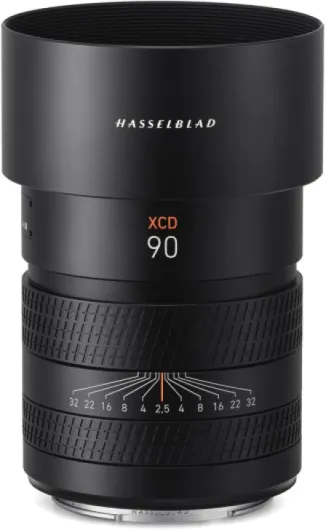
Hasselblad’s XCD lens lineup is designed specifically for the X1D II, offering excellent optical quality and native support for the medium format sensor. The leaf shutter in each XCD lens ensures quiet operation and precise exposure control. The system is also compatible with other Hasselblad medium format lenses via adapters, making it versatile for those who already own Hasselblad glass. For a broader perspective on premium camera systems, you might find this Leica S digital SLR camera review insightful.
- Minimalist, robust design with intuitive controls
- High-resolution touch screen and EVF for easy operation
- USB-C, Wi-Fi, and built-in GPS for modern workflow needs
- Leaf and electronic shutter options for versatile shooting
- Wide compatibility with XCD and legacy Hasselblad lenses
Image quality and color science
Color science and dynamic range in real-world use
One of the main reasons photography enthusiasts gravitate toward the Hasselblad X1D II is its exceptional image quality. The camera’s medium format sensor delivers a level of detail and tonal depth that stands out, especially when compared to smaller format mirrorless systems. The larger sensor area captures more light, which translates to a broader dynamic range and smoother gradations in highlights and shadows. This is particularly noticeable in landscape and portrait images, where subtle color transitions and skin tones feel more lifelike.
Hasselblad’s color science is a major talking point in every hasselblad review. The brand’s unique approach to color processing ensures that images straight out of the camera have a natural, almost film-like quality. Colors are vibrant but never oversaturated, and the files retain plenty of latitude for post-processing. This is a key advantage for those who want to push their edits without sacrificing image integrity.
How the sensor, lenses, and features shape your images
The X1D II’s compatibility with hasselblad xcd lenses is another strength. These lenses are designed specifically for the medium format system, and their optical quality complements the sensor’s resolving power. The leaf shutter mechanism in XCD lenses allows for flash sync at all shutter speeds, giving photographers more creative control in mixed lighting conditions. The camera also supports electronic shutter and exposure bracketing, which are useful for challenging lighting scenarios or when shooting HDR images.
Live view on the high-resolution touch screen and the crisp evf (electronic viewfinder) make it easy to judge exposure and focus in real time. The screen’s color accuracy helps ensure what you see is what you get, reducing surprises when reviewing images later. The built-in GPS is handy for travel and landscape shooters who want to geotag their images automatically.
Workflow and output: from capture to editing
For those who value a smooth workflow, the X1D II offers USB-C connectivity and wireless options. Transferring files to an iPad Pro or computer is straightforward, and the Phocus Mobile app streamlines tethered shooting and editing. The camera’s raw files are robust, holding up well to adjustments in exposure, white balance, and color grading. This flexibility is especially important for enthusiasts who demand the highest quality from their images, whether for large prints or detailed digital work.
When comparing the X1D II to other premium options like other creative camera systems, the Hasselblad stands out for its unique blend of medium format sensor, color science, and lens ecosystem. While the price point is higher than many full-frame cameras, the leap in image quality and the feel of the files make it a compelling choice for those who want the best from their photography.
- Medium format sensor delivers superior dynamic range and color depth
- Hasselblad color science produces natural, vibrant images
- XCD lenses with leaf shutter allow for creative flash use
- Touch screen and EVF provide accurate live view and review
- Robust workflow with USB, wireless, and Phocus Mobile support
Lens ecosystem and compatibility
Versatility of the XCD Lens System
One of the most compelling aspects of the Hasselblad X1D II is its dedicated XCD lens ecosystem. These lenses are designed specifically for the medium format mirrorless system, ensuring optimal performance and image quality. The XCD lineup covers a range of focal lengths, from wide-angle to portrait and macro, giving photographers flexibility for various shooting styles. Each lens features a leaf shutter, allowing for flash sync at all shutter speeds, which is a significant advantage for studio and outdoor flash photography. The leaf shutter also contributes to the camera's quiet operation and minimal vibration, enhancing the overall feel during shutter release.
Compatibility and Adaptability
The camera Hasselblad X1D II supports not only the native XCD lenses but also offers compatibility with HC/HCD, V, and XPan lenses via adapters. This adaptability is a major benefit for those who already own Hasselblad medium format glass or wish to explore legacy optics. The system's electronic shutter further expands creative possibilities, enabling silent shooting and exposure bracketing without mechanical movement. This is particularly useful for capturing images in sensitive environments or when absolute silence is required.
Handling and Real-World Use
Using the XCD lenses with the X1D II feels balanced and intuitive, especially when paired with the camera's large touch screen and high-resolution EVF. The live view experience is enhanced by the responsive screen, making manual focus and exposure adjustments straightforward. Drive mode options and built-in GPS add to the camera's versatility, supporting both studio and location work. The lens system, combined with the camera's dynamic range and color science, ensures that images retain exceptional detail and tonal depth, even at the X1D II's competitive price point.
- XCD lens lineup: Wide, standard, portrait, and macro options
- Leaf shutter: Flash sync at all speeds, quiet operation
- Electronic shutter: Silent shooting, exposure bracketing
- Adapter support: Use of classic Hasselblad lenses
- Touch screen and EVF: Enhanced live view and manual control
For enthusiasts seeking a medium format mirrorless system with a robust lens ecosystem, the Hasselblad X1D II stands out. The combination of XCD lenses, adaptable compatibility, and thoughtful features like USB connectivity and Phocus Mobile for iPad Pro integration ensures a workflow that matches the demands of modern photographers. The system's design and performance make it a strong contender in the premium camera segment, especially for those prioritizing image quality and creative control.
Workflow and connectivity features
Seamless Workflow for Modern Photographers
The Hasselblad X1D II is designed with workflow efficiency in mind, making it a strong contender for enthusiasts who value both image quality and a smooth shooting process. The camera integrates several features that streamline the transition from capturing to editing, which is especially important when working with large medium format images.
- Touch Screen and Live View: The high-resolution touch screen offers intuitive navigation through menus and quick access to settings. Live view on the screen is responsive, letting you preview exposure, dynamic range, and color before pressing the shutter release. This makes it easier to fine-tune your images in real time.
- USB-C and Connectivity: The camera supports USB-C for fast file transfers, which is a real advantage when dealing with large RAW files from the medium format sensor. Built-in Wi-Fi and GPS expand your options for geotagging and remote control, while the connection to Phocus Mobile on an iPad Pro enables on-the-go review and editing.
- EVF and Exposure Bracketing: The electronic viewfinder (EVF) is bright and accurate, helping you judge exposure and composition even in challenging lighting. Exposure bracketing and drive mode options let you capture multiple exposures quickly, which is useful for HDR or complex lighting situations.
Integration with the Hasselblad System
The X1D II is part of the broader Hasselblad medium format mirrorless system, which means it works seamlessly with XCD lenses and accessories. The leaf shutter in XCD lenses allows for silent operation and high-speed flash sync, which is a significant benefit for studio and location work. The camera also supports electronic shutter for situations where total silence is required.
| Feature | Benefit |
|---|---|
| Touch screen | Quick menu access, image review, live view |
| USB-C | Fast file transfer, tethered shooting |
| Phocus Mobile | Mobile workflow, iPad Pro compatibility |
| Built-in GPS | Automatic geotagging of images |
| Leaf shutter & electronic shutter | Flexible shooting, silent operation, high-speed sync |
For those who want a camera that feels pretty intuitive and supports a professional workflow, the Hasselblad X1D II offers a compelling balance. Its connectivity, screen, and integration with the broader Hasselblad system make it a strong choice for anyone serious about medium format photography at this price point.
Comparing the Hasselblad X1D II to other premium cameras
How the X1D II Measures Up in the Premium Segment
When considering a camera like the Hasselblad X1D II, it’s natural to compare it with other high-end options in the medium format mirrorless market. The X1D II stands out for its unique blend of design, image quality, and workflow features, but how does it stack up against its closest rivals?- Sensor and Image Quality: The X1D II’s medium format sensor delivers impressive dynamic range and color depth. While some competitors offer similar resolution, the Hasselblad color science and the way it renders skin tones and subtle gradients give its images a distinct, natural feel. The leaf shutter in XCD lenses also allows for flash sync at all speeds, which is a significant advantage for studio and portrait photographers.
- Design and Handling: The X1D II’s minimalist Scandinavian design is both functional and attractive. Its compact format mirrorless body feels solid yet lightweight, making it easier to carry compared to some bulkier medium format systems. The large touch screen and intuitive menu system set it apart from more traditional interfaces found in other premium cameras.
- Viewfinder and Screen: The high-resolution EVF and responsive touch screen provide a modern shooting experience. Live view is smooth, and the screen’s clarity aids in precise focusing and exposure adjustments. Some competitors may offer tilting screens or higher refresh rates, but the overall user experience on the X1D II remains pretty refined.
- Lens Ecosystem: The XCD lens lineup is growing, offering a range of focal lengths with excellent optical performance. The native integration of the leaf shutter in each lens is a unique feature compared to systems relying solely on electronic shutter options. While other brands may have a broader lens selection, the quality and consistency of Hasselblad XCD lenses are highly regarded in many reviews.
- Workflow and Connectivity: The X1D II supports USB-C for fast file transfer and charging, and built-in Wi-Fi enables wireless tethering. The Phocus Mobile app, especially when paired with an iPad Pro, streamlines the workflow for photographers on the move. Some rivals offer similar connectivity, but Hasselblad’s integration with its own software ecosystem is seamless and reliable.
- Additional Features: Built-in GPS, exposure bracketing, various drive modes, and customizable shutter release options add to the camera’s versatility. The electronic shutter complements the mechanical leaf shutter, expanding creative possibilities in different lighting conditions.
- Price Point: The X1D II sits at a premium price point, but it delivers a professional-grade experience that justifies the investment for many enthusiasts and working photographers. When compared to other medium format options, the balance of portability, image quality, and system integration makes the Hasselblad camera a compelling choice.