


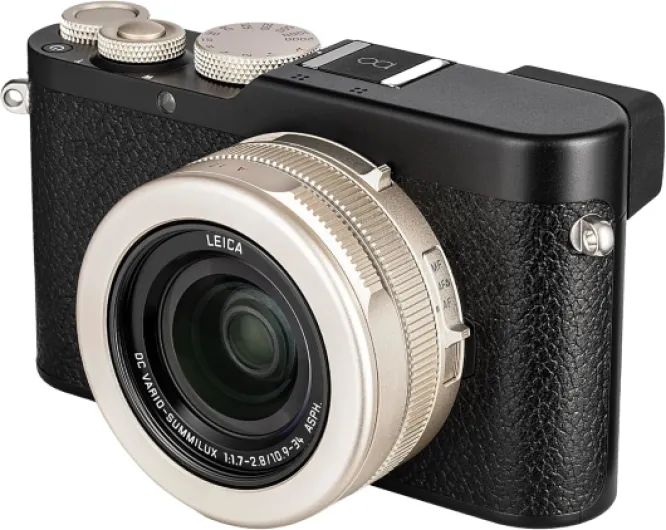
Understanding what makes a Leica camera unique
Why Leica Cameras Stand Out in Photography
Leica cameras have a reputation that goes beyond just their red dot logo. Many photographers are drawn to Leica for the unique blend of tradition, engineering, and image quality. Whether you’re interested in digital or film, Leica offers a distinct experience that’s hard to find elsewhere. The brand’s commitment to manual focus, robust lens mount systems, and full frame sensors is a big part of what sets them apart.
Precision Engineering and Timeless Design
Leica’s build quality is legendary. Each camera is crafted with attention to detail, using high-grade materials that make the cameras durable and reliable. The design is often minimalist, focusing on what matters most for photography. This approach appeals to those who love the tactile feel of manual controls and the satisfaction of a well-built camera in hand. The viewfinder experience, especially with Leica’s rangefinder models, is another highlight. It offers a clear, direct connection to your subject, which many photographers find inspiring.
Image Quality and Lens Excellence
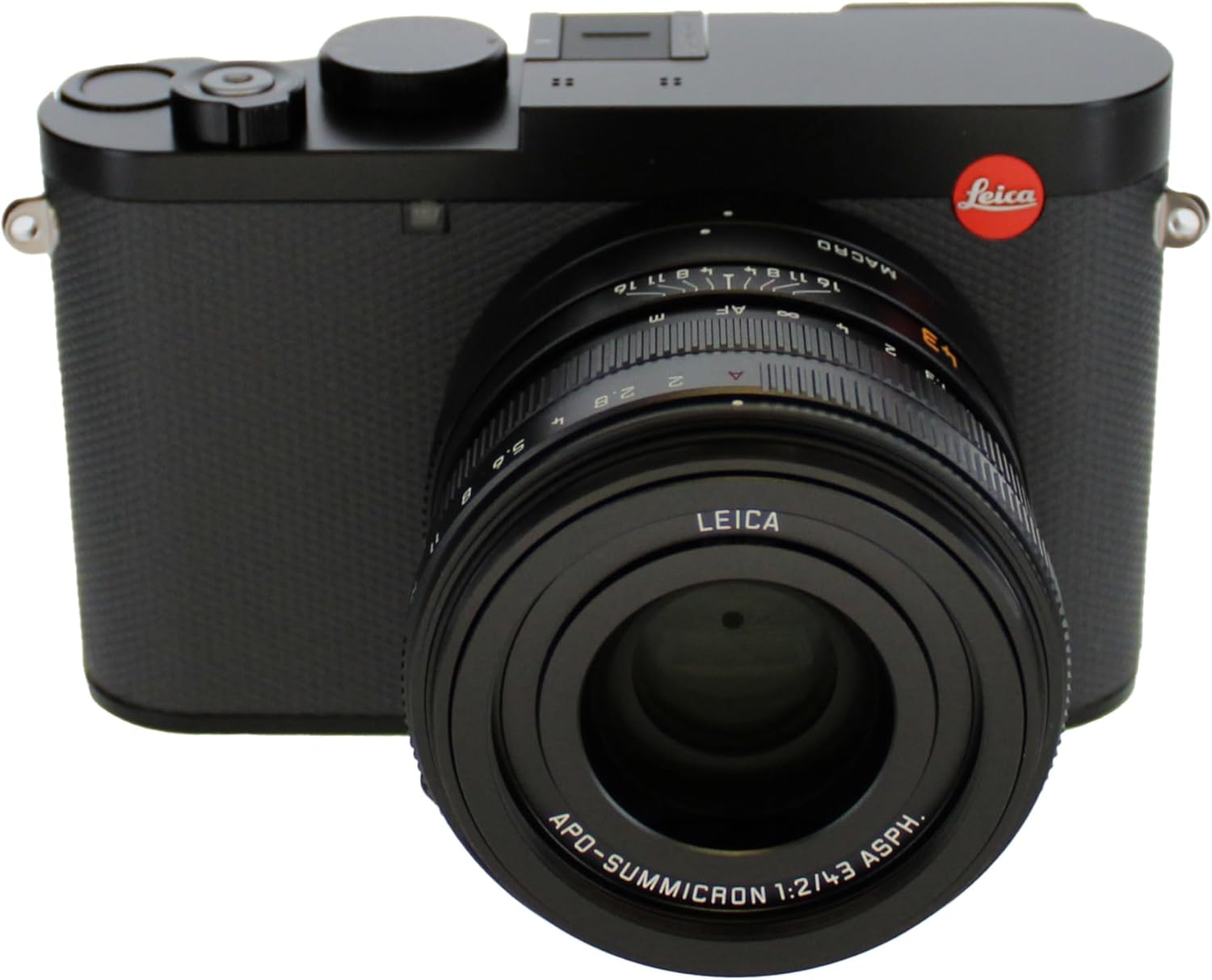
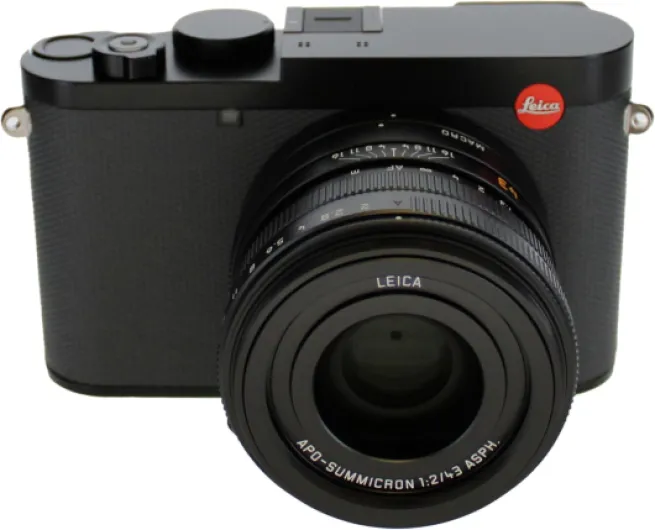
One of the main reasons people choose Leica is the image quality. Leica lenses are known for their sharpness, color rendering, and beautiful bokeh. Whether you’re shooting in black and white or color, the images have a signature look that’s hard to replicate. The full frame sensors in Leica’s digital cameras, combined with their legendary lenses, deliver outstanding results in both photos and video. Even Leica’s fixed lens models, like the Leica Q series, are celebrated for their optical performance.
Film and Digital Heritage
Leica has a long history in both film and digital photography. Their film cameras, such as the M series, are still highly sought after by enthusiasts who appreciate the classic approach to shooting. For those interested in the timeless appeal of Leica film cameras, you can explore more about their enduring charm in this in-depth look at Leica film cameras. On the digital side, models like the Leica Monochrom cater to photographers who want the best black and white images straight out of the camera.
What Makes Leica Cameras Unique?
- Manual focus and tactile controls for a hands-on shooting experience
- High-quality lenses with a distinctive rendering
- Rangefinder and full frame options for different photography styles
- Durable, minimalist design that stands the test of time
- Strong heritage in both film and digital photography
Understanding these qualities can help you decide which Leica camera best fits your needs, whether you’re looking for the best Leica for street photography, a film camera for classic shooting, or a digital camera for modern convenience. As you explore key features, compare models, and consider the pros and cons, you’ll see why so many photographers fall in love with Leica cameras.

Key features to look for in the best Leica camera
What to Focus On When Choosing Your Leica
When searching for the best Leica camera, it’s important to know which features truly matter for your photography style. Leica cameras are known for their unique approach to image quality, design, and shooting experience. Here’s what to keep in mind as you compare models:
- Sensor Type and Size: Leica offers both full frame and APS-C sensors in their digital cameras. Full frame sensors generally provide better image quality, especially in low light, and more control over depth of field. This is a key factor for those who want the best photos, whether shooting in color or black and white.
- Lens Mount and Compatibility: The Leica mount system is famous for its precision. Some cameras use the classic M-mount for rangefinder lenses, while others use the L-mount for mirrorless systems. Consider if you want to use vintage lenses, modern autofocus lenses, or stick with a fixed lens model like the Leica Q series.
- Viewfinder Experience: Leica is renowned for its optical rangefinder viewfinders, especially in the M series. This manual focus system offers a unique way to compose images, but may not suit everyone. Some models also offer electronic viewfinders or hybrid options for those who prefer a digital experience.
- Manual Controls vs. Automation: Many Leica cameras emphasize manual focus and manual exposure controls, appealing to photographers who love a hands-on approach. However, some models, especially in the SL and Q series, offer more automation and faster continuous shooting for action or video work.
- Film vs. Digital: Leica still produces film cameras for those who love the classic photography process. If you’re drawn to black and white images, the Leica Monochrom digital camera is designed specifically for this style, delivering unmatched tonal quality.
- Build Quality and Design: Leica cameras are built to last, with solid metal bodies and minimalist design. This not only affects durability but also how the camera feels in your hand during long shoots.
For a deeper dive into how these features compare to other high-end cameras, you might find this exploration of the Mamiya 645 Pro TL helpful, especially if you’re considering medium format or film alternatives.
Ultimately, the best Leica for you depends on your preferred shooting style, whether you prioritize manual focus, love the look of film, or need the latest digital technology for your images and video. Take time to handle different Leica cameras and see which features feel most natural for your photography journey.
Comparing popular Leica models for different needs
Leica Rangefinders vs. Mirrorless: Which Suits Your Style?
Leica cameras are known for their unique approach to photography, but choosing the right model depends on your shooting preferences. The classic Leica rangefinder, such as the M series, offers manual focus and a traditional viewfinder experience. This appeals to photographers who love the tactile feel of film cameras and want full control over their images. On the other hand, Leica's mirrorless digital cameras, like the SL and CL series, provide modern features such as electronic viewfinders, autofocus, and video capabilities. These are ideal for those who shoot both photos and video, or who want faster, continuous shooting for action or events.
Comparing Popular Leica Models
| Model | Sensor | Lens Mount | Best For | Key Features |
|---|---|---|---|---|
| Leica M11 | Full Frame | M Mount (Rangefinder) | Manual focus, street photography, black white images | High image quality, classic design, interchangeable lenses |
| Leica Q3 | Full Frame | Fixed Lens | Travel, documentary, quick shooting | Summilux lens, fast autofocus, compact body |
| Leica SL2 | Full Frame | L Mount (Mirrorless) | Studio, landscape, professional video | High-res sensor, robust build, video quality |
| Leica Monochrom | Full Frame (Monochrome) | M Mount | Black white photography | Dedicated black white sensor, exceptional detail |
| Leica CL | APS-C | L Mount | Everyday, travel, compact system | Lightweight, interchangeable lenses, digital convenience |
Choosing the Best Leica for Your Needs
If you love the heritage of film cameras and want a pure photography experience, the Leica M series with its rangefinder and manual focus may be the best Leica for you. For those who prioritize speed, autofocus, and video, the SL series or the compact Q series offer modern digital camera features. The Leica Monochrom is a unique choice for photographers passionate about black white images, delivering unmatched image quality in that genre.
Consider your preferred lens system as well. The M mount supports a wide range of legendary Leica lenses, while the L mount opens up options for both Leica and third-party lenses. If you are interested in exploring other camera systems, you might find this guide on how to choose the best micro four thirds camera for your needs helpful for comparison.
Ultimately, the best Leica camera depends on your style, whether you shoot film or digital, and what you value most in your photography journey. Each Leica series brings its own strengths, from the tactile joy of manual focus to the convenience of modern digital features.
Pros and cons of owning a Leica camera
Why Leica Cameras Stand Out—and Where They Fall Short
Leica cameras have a legendary reputation in the world of photography, but they are not for everyone. Here’s a balanced look at the main advantages and drawbacks of owning a Leica camera, whether you’re considering a digital camera, a film camera, or a model from the Leica Monochrom or Leica Lux series.
What You’ll Love About Leica
- Exceptional Image Quality: Leica cameras are known for their sharp, detailed images and beautiful color rendering. The full frame sensor in many digital models delivers outstanding quality, even in low light.
- Legendary Lenses: Leica lenses are famous for their clarity, contrast, and unique character. Whether you’re shooting with a fixed lens or using the Leica mount for interchangeable lenses, the results are often stunning.
- Build Quality: Leica cameras are crafted with premium materials, giving them a solid, durable feel. Many photographers appreciate the tactile experience of manual focus and the satisfying click of the shutter.
- Rangefinder Experience: The rangefinder viewfinder offers a different way to compose photos, which many find more engaging and precise than traditional digital camera systems.
- Timeless Design: Leica’s minimalist, classic design appeals to those who value aesthetics as much as performance. The cameras often become cherished objects, not just tools.
- Black and White Photography: The Leica Monochrom series is dedicated to black white images, delivering unmatched tonal depth and detail for those who love this style of photography.
Potential Downsides to Consider
- High Price: Leica cameras and lenses are among the most expensive in the market. This investment may not be practical for everyone, especially if you’re just starting in photography.
- Manual Controls: While some love the hands-on approach, others may find manual focus and exposure settings challenging, especially if they’re used to fully automatic digital cameras.
- Limited Features: Leica often prioritizes image quality and simplicity over extra features. For example, some models lack advanced video capabilities or continuous shooting speeds found in other brands.
- Lens Availability: The Leica lens mount system is unique, and while the lenses are superb, the selection is smaller and pricier compared to other camera brands.
- Weight and Size: Some Leica cameras, especially full frame models, can be heavier and bulkier than compact digital cameras or smartphones.
- Learning Curve: Getting the best out of a Leica often requires patience and practice, particularly if you’re new to rangefinder or film cameras.
Quick Comparison Table
| Aspect | Leica Cameras | Other Brands |
|---|---|---|
| Image Quality | Outstanding, especially with Leica lenses | Varies, often very good |
| Build Quality | Premium materials, robust | Good, but often less luxurious |
| Price | High | Wide range, often lower |
| Ease of Use | Manual focus, learning curve | More automation, easier for beginners |
| Lens Selection | Limited, but top quality | Broader, more affordable |
| Video Features | Basic in many models | Often advanced |
Choosing the best Leica camera depends on your priorities—whether it’s image quality, the unique rangefinder experience, or the joy of using a beautifully crafted tool. Consider what matters most for your photography style and how much you’re willing to invest in your gear.
Tips for getting the most out of your Leica camera
Mastering Your Leica’s Controls
Leica cameras are known for their manual controls and tactile dials. Spend time getting familiar with the layout of your camera leica, especially if you’re moving from another brand or from digital to film cameras. Practice adjusting the aperture, shutter speed, and ISO without taking your eye off the viewfinder. This muscle memory helps you react quickly and capture the best moments in your photography.
Choosing the Right Lens for the Scene
The lens you use can dramatically affect your image quality and creative options. Leica lenses are renowned for their sharpness and unique rendering. Whether you’re using a fixed lens model like the leica lux or swapping between lenses on a full frame rangefinder, match your lens to your subject. Wide-angle lenses are great for landscapes, while a fast prime lens is ideal for portraits and low light. Don’t forget to explore the leica mount system for more lens choices.
Embracing Manual Focus and Rangefinder Precision
Many leica cameras, especially in the leica series, use manual focus and a rangefinder system. Take time to practice focusing accurately, especially if you’re shooting wide open for shallow depth of field. The rangefinder patch in the viewfinder is your guide—align the images for crisp focus. This process may feel slower than autofocus, but it encourages a more thoughtful approach to photography and often results in images you truly love.
Experimenting with Black and White and Film Simulation
If you’re using a digital camera like the leica monochrom, experiment with black white photography. The sensor in these cameras is optimized for monochrome, delivering exceptional detail and tonality. Even with color leica cameras, try the built-in film simulations to evoke the classic look of film camera images. This can add a timeless quality to your photos.
Maximizing Image Quality and Continuous Shooting
To get the best image quality, shoot in RAW format when possible. This gives you more flexibility in post-processing and preserves the full detail captured by the sensor. For action or street photography, explore your camera’s continuous shooting mode. While leica cameras aren’t always the fastest, they can still capture fleeting moments if you anticipate the action and use burst mode effectively.
Caring for Your Leica and Lenses
Regularly clean your lens and viewfinder to maintain clarity. Store your camera in a dry place and use a protective case when traveling. If you own multiple lenses, keep the rear caps on and avoid changing lenses in dusty environments. Proper care ensures your leica best investment delivers top performance for years.
Where to buy and how to care for your Leica camera
Finding Authorized Dealers and Trusted Sources
When looking to buy a Leica camera, it's crucial to choose authorized dealers or reputable retailers. Leica cameras, whether digital or film, are premium products, and buying from trusted sources ensures you get genuine equipment, warranty coverage, and after-sales support. Leica's official website lists authorized dealers, and many specialty photography stores carry the best Leica models, from full frame digital cameras to classic film cameras.
What to Check Before Purchase
- Verify the authenticity of the camera and lens, especially if buying used or vintage Leica series models.
- Inspect the sensor and viewfinder for dust or scratches. For film cameras, check the film advance and shutter mechanisms.
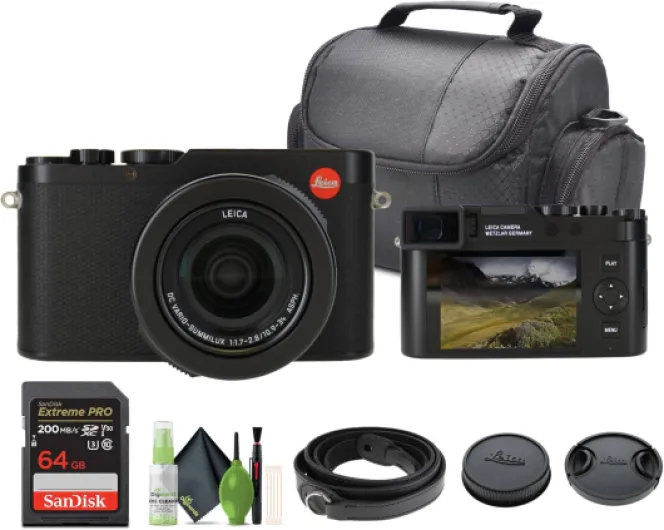
- Ask about included accessories, such as lens caps, straps, and manuals, which can add value to your purchase.
- For digital Leica cameras, check the shutter count and test continuous shooting modes to ensure smooth operation.
Essential Care Tips for Your Leica
- Always use a lens cap and store your camera in a padded bag to protect the lens and body from dust and impacts.
- Clean the lens and sensor regularly with appropriate tools to maintain image quality. Avoid touching the sensor directly.
- For manual focus and rangefinder models, keep the viewfinder and focusing mechanisms clean for accurate framing and sharp images.
- If you shoot black and white with a Leica Monochrom or film camera, store film rolls in a cool, dry place to preserve quality.
- Update firmware for digital models to benefit from the latest features and performance improvements.
Maintaining Value and Performance
Leica cameras are known for their durability and timeless design. Regular maintenance, such as professional sensor cleaning and lens calibration, helps preserve both image quality and resale value. If you own a fixed lens or interchangeable lens mount model, handle lens changes carefully to avoid dust on the sensor or inside the lens mount. For those who love photography and want the best from their Leica, investing in proper care ensures your camera delivers stunning photos and video for years to come.