
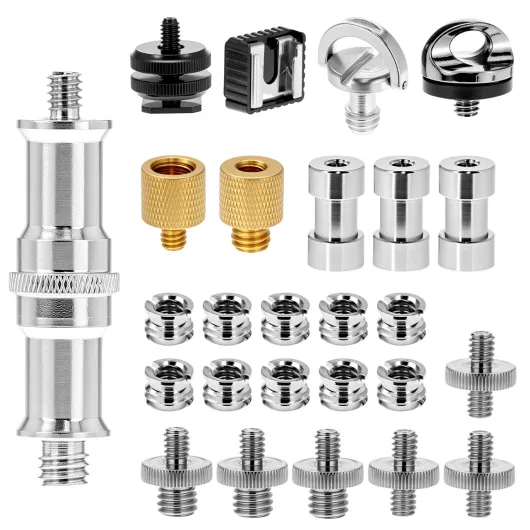
What is a camera screw and why does it matter?
Why camera screws are crucial for your digital camera setup
When you use a digital camera, the small details can make a big difference. One of those details is the camera screw. This simple piece of hardware connects your camera to essential accessories like tripods, quick release plates, and mounts. Without the right screw, your camera might not sit securely on a tripod or could even fall during a shoot. That’s why understanding camera screws is important for anyone who wants to protect their gear and get the most out of their equipment.
- Stability and safety: The right screw ensures your camera stays firmly attached to your tripod or mount. This is especially important for action shots, long exposures, or when using heavier lenses.
- Compatibility: Not all screws are the same. There are different thread sizes, such as the standard tripod screw (1/4 inch) and larger options (3/8 inch). Using the wrong size can damage your camera mount or make it impossible to attach accessories like a quick release plate or shoe mount.
- Ease of use: A good screw set, including options like slotted screws or socket cap screws, can make it easier to switch between setups quickly. This is useful if you’re shooting in different locations or need to swap between a tripod and a handheld rig.
- Long-term value: Investing in quality stainless steel screws or a reliable mount adapter can save you money in the long run. Cheap screws may strip or rust, leading to more frequent replacements and higher costs over time.
Camera screws are not just about attaching your camera to a tripod. They play a role in how you mount accessories, use adapters, and even how you maintain your equipment for sale or long-term use. If you’re interested in how camera screws relate to lens mounts, you might find this guide on understanding K-mount lenses for digital cameras helpful as well.
Throughout this guide, you’ll learn about the different types of screws, how to choose the right one for your product, and practical tips for mounting and maintaining your camera gear. Whether you’re shopping for a screw set on Amazon, comparing prices in EUR, or looking for a reliable fixing screw for your next shoot, understanding these basics will help you make informed decisions and keep your camera safe.

Common types of camera screws used in photography
Standard screw sizes and threads in digital photography
When it comes to mounting your camera, understanding the different types of screws is essential. The most common screw size you’ll encounter is the 1/4 inch thread, often called the standard tripod screw. This size fits the majority of digital cameras, action cameras, and compact models. For heavier equipment, such as professional video cameras, the 3/8 inch thread is more typical. Both sizes use the UNC (Unified National Coarse) thread standard, ensuring compatibility across most mounts, plates, and adapters.
Popular screw types and their uses
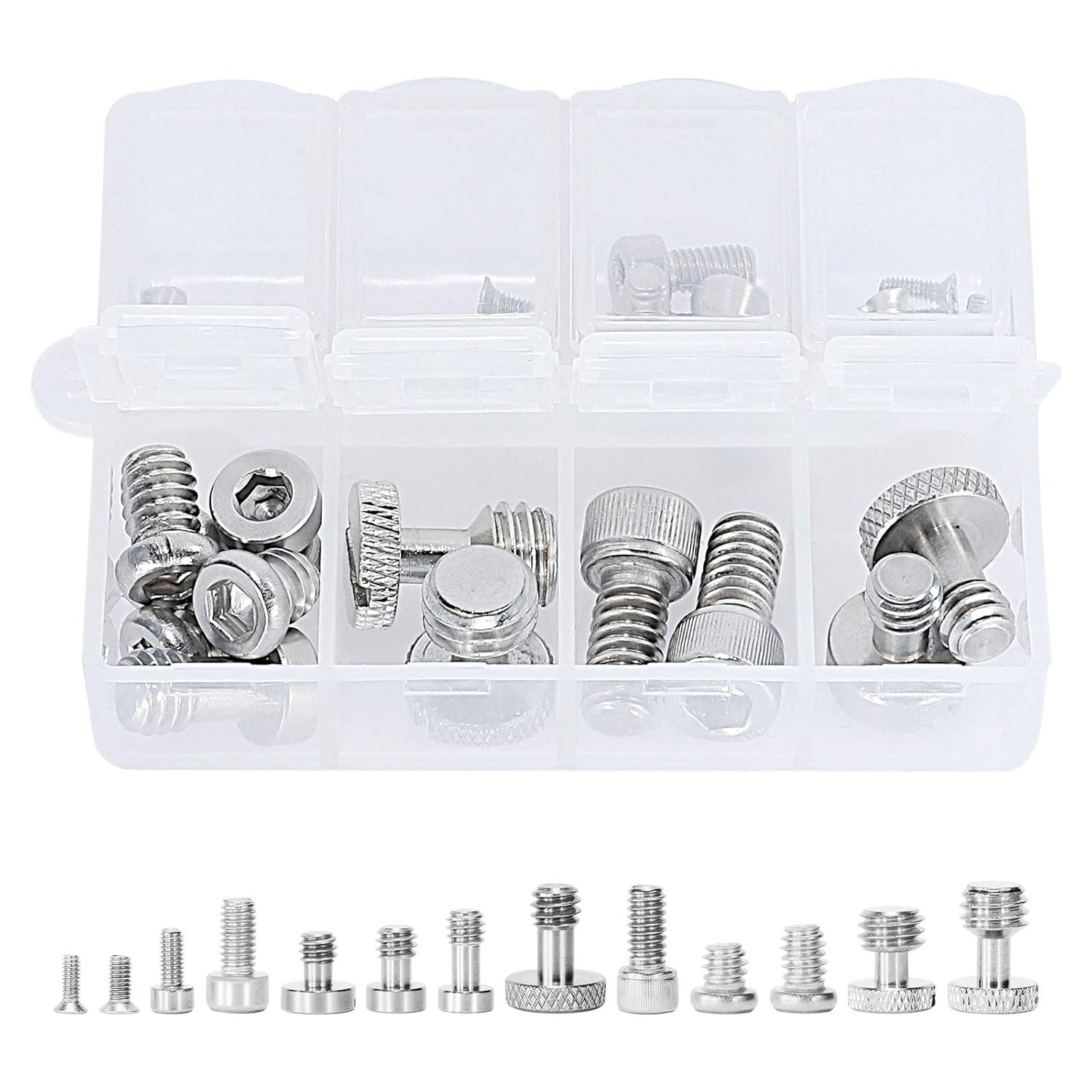
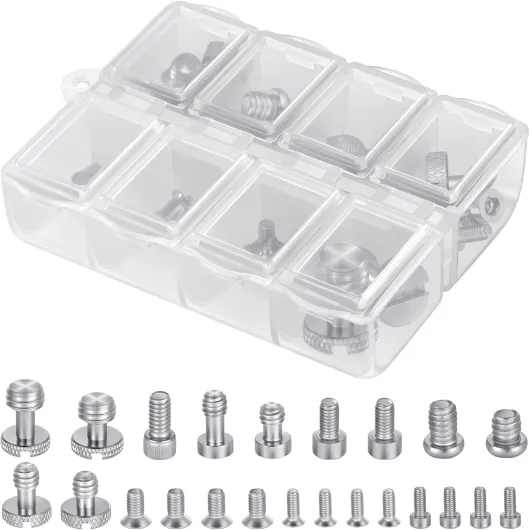
- Camera screw: Usually refers to the main fixing screw that attaches your camera to a tripod or quick release plate. These are often stainless steel for durability.
- Tripod screw: Interchangeable with camera screw, but can also refer to the screws used in tripod legs or heads. Packs of tripod screws are available for sale on platforms like Amazon, often at a competitive price per pack.
- Mount screw: Used for securing accessories like a shoe mount or a clamp to your camera or rig. These may come as slotted screws or with a ring for easier tightening by hand.
- Quick release plate screw: Designed for fast mounting and removal, these screws often feature a D-ring or socket cap for tool-free operation.
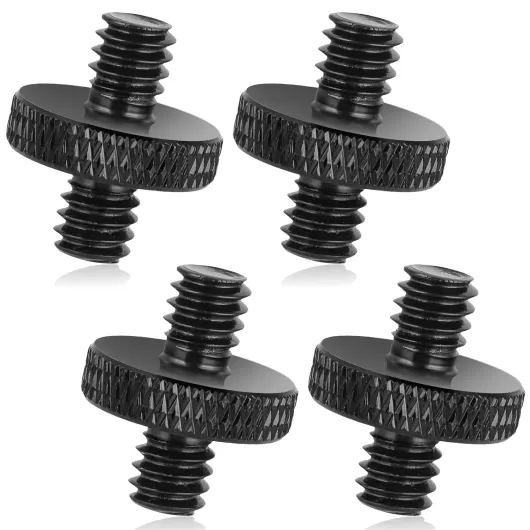
- Adapter screws: Allow you to convert between different thread sizes, such as from 1/4 inch to 3/8 inch, making your gear more versatile.
Materials and finish: what to look for
Most camera screws are made from stainless steel to resist rust and wear, especially important for outdoor or action camera use. Some products offer a black finish for a more discreet look, while others come in packs with mixed types for different mounting needs. When choosing, consider the price per screw and whether a set or individual sale fits your requirements.
Specialty screws and accessories
For advanced setups, you might need a screw set that includes slotted screws, socket cap screws, or even mount adapters for unique configurations. These are useful for custom rigs, camera fixing, or when working with multiple devices. Always check compatibility with your camera mount, release plate, or tripod before purchasing.
For those interested in wide-angle photography and how lens choice impacts mounting, check out this guide to the best Canon lens for wide-angle photography.
How to choose the right camera screw for your equipment
Key factors to consider when selecting a camera screw
Choosing the right camera screw for your equipment is more important than it might seem at first. The wrong screw can lead to unstable mounting, damaged threads, or even dropped gear. Here are some practical tips to help you make the right choice for your camera, tripod, and accessories.
- Thread size and compatibility: The most common thread sizes are 1/4 inch and 3/8 inch. Most digital cameras and standard tripod mounts use a 1/4 inch screw, while heavier equipment or professional tripods may require a 3/8 inch thread. Always check your camera and tripod specifications before buying a screw or mount adapter.
- Material and durability: Stainless steel screws are popular for their resistance to rust and wear. If you shoot outdoors or in humid environments, investing in stainless steel or high-quality socket cap screws can extend the life of your gear.
- Type of head: Slotted screws are easy to tighten with a coin or screwdriver, while some quick release plates use a D-ring for tool-free adjustments. Consider what’s most convenient for your workflow.
- Mounting system: If you use a quick release plate or a shoe mount, make sure the screw set you choose is compatible with your system. Some plates require a specific mount screw or fixing screw to ensure a secure fit.
- Price and pack options: Screws are often sold in packs, with prices varying by material and brand. For example, a pack of stainless steel tripod screws on Amazon can range from a few eur to higher-end products. Buying a screw set can be more cost-effective if you need spares or different sizes.
- Adapters and clamps: If your camera or accessory doesn’t match your tripod’s thread, a mount adapter can bridge the gap. Clamps and release plates may also require specific screw types for secure camera fixing.
When you’re ready to mount your camera, double-check that the screw fits snugly and the plate or clamp is secure. This helps prevent accidents and ensures your camera stays safe during use. For those interested in expanding their setup, understanding how a camera dolly can transform your filmmaking experience is a great next step.
| Type | Thread Size | Material | Common Use |
|---|---|---|---|
| Standard tripod screw | 1/4 inch | Stainless steel | Camera tripod, quick release plate |
| Mount adapter | 1/4 inch to 3/8 inch | Aluminum, stainless steel | Adapting tripod heads |
| Slotted screw | 1/4 inch | Brass, stainless steel | Release plate, shoe mount |
| Socket cap screw | 3/8 inch | Stainless steel | Heavy-duty mounts |
Taking the time to match the right screw to your camera and tripod setup helps avoid common issues and supports long-term reliability. Always keep a few spare screws in your bag, especially if you use multiple mounts or action cameras.
Mounting your digital camera securely: practical steps
Step-by-step guide to attaching your camera to a tripod
Mounting your digital camera securely is essential for sharp photos and safe handling. Whether you use a standard tripod screw, quick release plate, or a mount adapter, following the right steps helps avoid accidents and equipment damage.- Check the screw thread size – Most digital cameras use a 1/4 inch thread, which matches the standard tripod screw. Some larger cameras or video equipment may use a 3/8 inch thread. Always confirm your camera’s socket size before attaching.
- Inspect the mounting plate – Ensure the release plate or mounting plate is compatible with your camera’s base. Plates with a slotted screw or D-ring make tightening easier without tools.
- Align the screw with the camera mount – Place the plate or tripod screw into the camera’s threaded socket. Gently turn the screw clockwise. If using a quick release plate, make sure it clicks or locks into place.
- Tighten securely, but don’t overtighten – Use your fingers or a coin for slotted screws. Avoid using excessive force, especially with stainless steel or socket cap screws, to prevent stripping the thread.
- Double-check stability – Once mounted, gently wiggle the camera. If there’s any movement, retighten the screw or check for worn threads. For heavier cameras, consider a screw set or clamp for extra security.
Tips for different mounting scenarios
- Action cameras – Use the correct mount adapter or shoe mount for your action camera. Some products come with a pack of screws for different setups. Always check the product description for compatibility and price (eur or usd).
- Tripod screws and adapters – If your tripod has a 3/8 inch screw but your camera uses a 1/4 inch thread, use a mount adapter. These are widely available on sale at retailers like Amazon and camera stores.
- Quick release systems – Many modern tripods use a quick release plate for fast mounting. Make sure your plate matches the tripod head and camera base. Some plates include a slotted or ring screw for easy removal.
Safety and maintenance reminders
- Regularly check your camera screws and tripod mount for wear or damage.
- Keep a spare screw set or fixing screw in your camera bag, especially if you shoot outdoors or on location.
- For stainless steel screws, occasional cleaning prevents corrosion and ensures smooth threading.
By following these practical steps, you can mount your digital camera securely and focus on capturing great images without worrying about equipment stability.
Troubleshooting common camera screw issues
Identifying and Solving Screw-Related Problems
When working with a digital camera, tripod, or mount, screw issues can disrupt your workflow. Here are some common problems and practical solutions to keep your camera fixing secure and reliable.- Loose Screws: If your camera or tripod screw keeps loosening, check if the thread matches the mount or plate. Standard tripod screws are usually 1/4 inch or 3/8 inch. Using the wrong size can cause instability. A stainless steel socket cap or slotted screw set can provide a tighter fit.
- Stripped Threads: Over-tightening or frequent changes can wear out the thread. If you notice the screw spinning without tightening, it may be stripped. Consider replacing it with a new screw from a reputable product pack. Many camera screws and tripod screws are available in packs on sale, often listed by eur price on sites like Amazon.
- Mount Adapter Issues: Using an incompatible mount adapter or quick release plate can cause wobbling. Always ensure the adapter matches your camera mount and tripod screw size. Some adapters come with a ring or clamp for extra security.
- Lost Screws: Losing a screw camera or mount screw is common, especially with action cameras or shoe mounts. Keep a spare screw set in your camera bag. Packs with multiple screws, including slotted and socket cap varieties, are affordable and easy to find.
- Corrosion or Rust: If you use your camera tripod outdoors, moisture can cause rust on standard tripod screws. Opt for stainless steel screws to prevent corrosion and extend the life of your equipment.
When to Replace or Upgrade Your Screws
If you notice persistent issues with your camera screws, such as difficulty tightening or visible wear, it may be time to invest in a new screw set. Check the product description for compatibility with your camera mount, release plate, or tripod. Many screw sets are available for a reasonable price, and buying in bulk (pack of 5 or 10) can save money in the long run. For photographers who frequently switch between mounts or use quick release systems, consider investing in a high-quality mount adapter or clamp with a reliable fixing screw. This ensures your camera remains secure during every shoot, whether you’re using a standard tripod or an action camera mount.Maintaining and replacing camera screws for long-term use
Keeping your camera screws in top shape
Regular care of your camera screws and related mounting hardware is essential for reliable performance and safety. Whether you use a standard tripod, quick release plate, or a shoe mount, neglecting these small parts can lead to frustrating issues or even damage to your camera equipment.- Inspect screws and threads: Before every shoot, check each screw, mount, and adapter for signs of wear, rust, or stripped threads. Stainless steel screws and socket cap designs are more resistant to corrosion, but even these need occasional inspection.
- Clean regularly: Dust, sand, and moisture can accumulate in the screw mount or release plate. Use a soft brush or compressed air to clean the threads and mounting points. For stubborn grime, a slightly damp cloth is safe for most products, but always dry thoroughly.
- Tighten, but don’t overtighten: A loose tripod screw or fixing screw can cause your camera to wobble or detach. However, overtightening can strip the thread or damage the mount adapter. Use gentle but firm pressure, especially with slotted screws or ring designs.
- Replace damaged parts: If you notice a screw set or clamp that no longer holds securely, replace it promptly. Many camera screws are available in packs, often listed by inch or millimeter size, and can be found for a reasonable price on sale at major retailers like Amazon or specialized camera shops.
- Store spares: Keep a small pack of common tripod screws, mount screws, and adapters in your camera bag. Having a backup on hand can save a shoot if a screw is lost or damaged in the field.