

Understanding the importance of lens choice in product photography
The impact of lens selection on product photography results
When it comes to product photography, the lens you choose can make a dramatic difference in the final image quality. Whether you are shooting small products like jewelry or larger products such as electronics, the right camera lens helps capture details, control the angle, and deliver sharp, appealing photos. The lens is not just a tool—it’s a creative partner that influences how your products are perceived online or in print.
Why lens choice matters for clarity and detail
Product photography demands precision. A good lens offers sharp focus, accurate color reproduction, and minimal distortion. For example, a macro lens is essential when you need to showcase fine details in small products. On the other hand, a wide angle lens or a telephoto lens might be better suited for larger products or when you want to control perspective. The best lenses for product photography are those that match your subject and shooting style, whether you use a Canon EOS, a full frame camera, or another system.
How lens features affect your workflow
Features like image stabilization, focal length, and the ability to use extension tubes can all impact your photography. A prime lens typically offers superior sharpness, while a zoom lens provides flexibility if you need to photograph products of different sizes without changing your position. Understanding these features will help you select the best lens for your needs, which we’ll explore further in the next sections.
- Macro lenses are ideal for capturing intricate details.
- Wide angle lenses help when photographing larger products or groups.
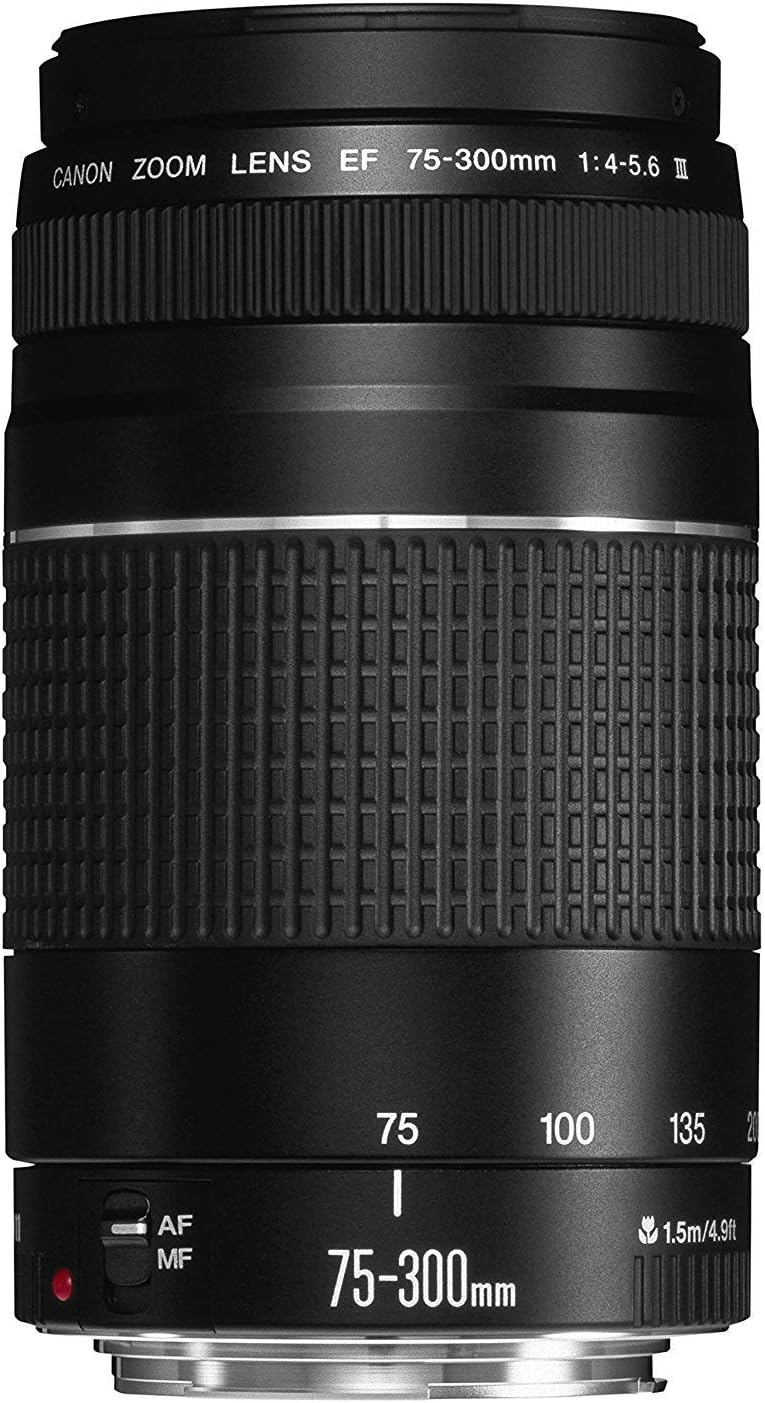
- Telephoto lenses allow you to shoot from a distance, useful for certain product setups.
Choosing the right lens is also about maintaining the quality of your images. Dust or dead pixels on your camera sensor can affect the clarity of your product photos. For tips on identifying and fixing these issues, check out this guide on how to identify and fix dust or dead pixel issues on your digital camera.
Key features to look for in a product photography lens
Essential Elements for High-Quality Product Photos
When selecting a lens for product photography, several features directly impact the quality and versatility of your images. The right camera lens can make a significant difference in capturing the details, colors, and textures of your products, whether you are working with small jewelry or larger items. Here are the most important aspects to consider:
- Sharpness and Image Quality: Look for lenses that offer excellent sharpness across the frame. Prime lenses are often praised for their clarity, but some zoom lenses also deliver impressive results. High-quality optics ensure your product photos show every detail, which is crucial for online shops and catalogs.
- Focal Length: The focal length affects your angle of view and how close you can get to the product. For small products, macro lenses or lenses with a short minimum focus distance are ideal. For larger products, a standard or short telephoto lens (like a 50mm or 85mm on a full frame camera) offers a natural perspective without distortion.
- Macro Capability: If you need to capture fine details, such as textures or small components, a macro lens or extension tubes are essential. Macro lenses allow you to focus very close to the subject, revealing intricate details that standard lenses might miss.
- Image Stabilization: Some lenses offer image stabilization, which helps reduce blur caused by camera shake. This is especially useful when shooting handheld or in low light conditions, ensuring your product photos remain sharp.
- Autofocus and Manual Focus: Fast and accurate autofocus is helpful for efficiency, but manual focus can be crucial for precise control, especially in macro photography where depth of field is very shallow.
- Distortion and Lens Correction: Lenses can introduce distortion, especially wide angle lenses. For product photography, minimal distortion is preferred to keep products looking true to life. Software like Adobe Camera Raw offers lens correction tools to address these issues. For more on this, see understanding lens correction in Adobe Camera Raw.
Choosing a lens with these features will help you achieve the best results in your product photography, whether you are using a Canon EOS Mark camera, a full frame body, or another system. The right lens offering can elevate your photos, making your products stand out with clarity and professional quality.
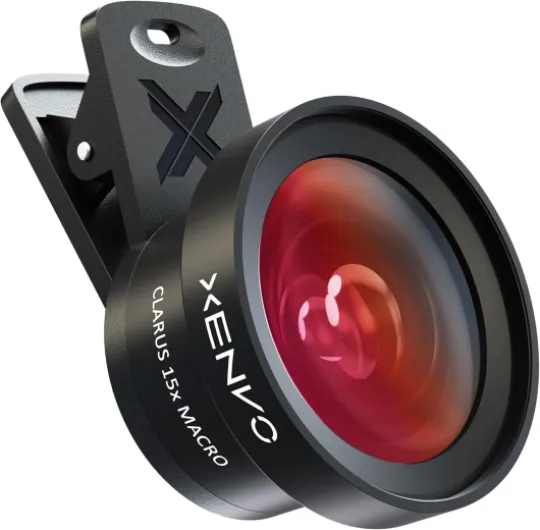
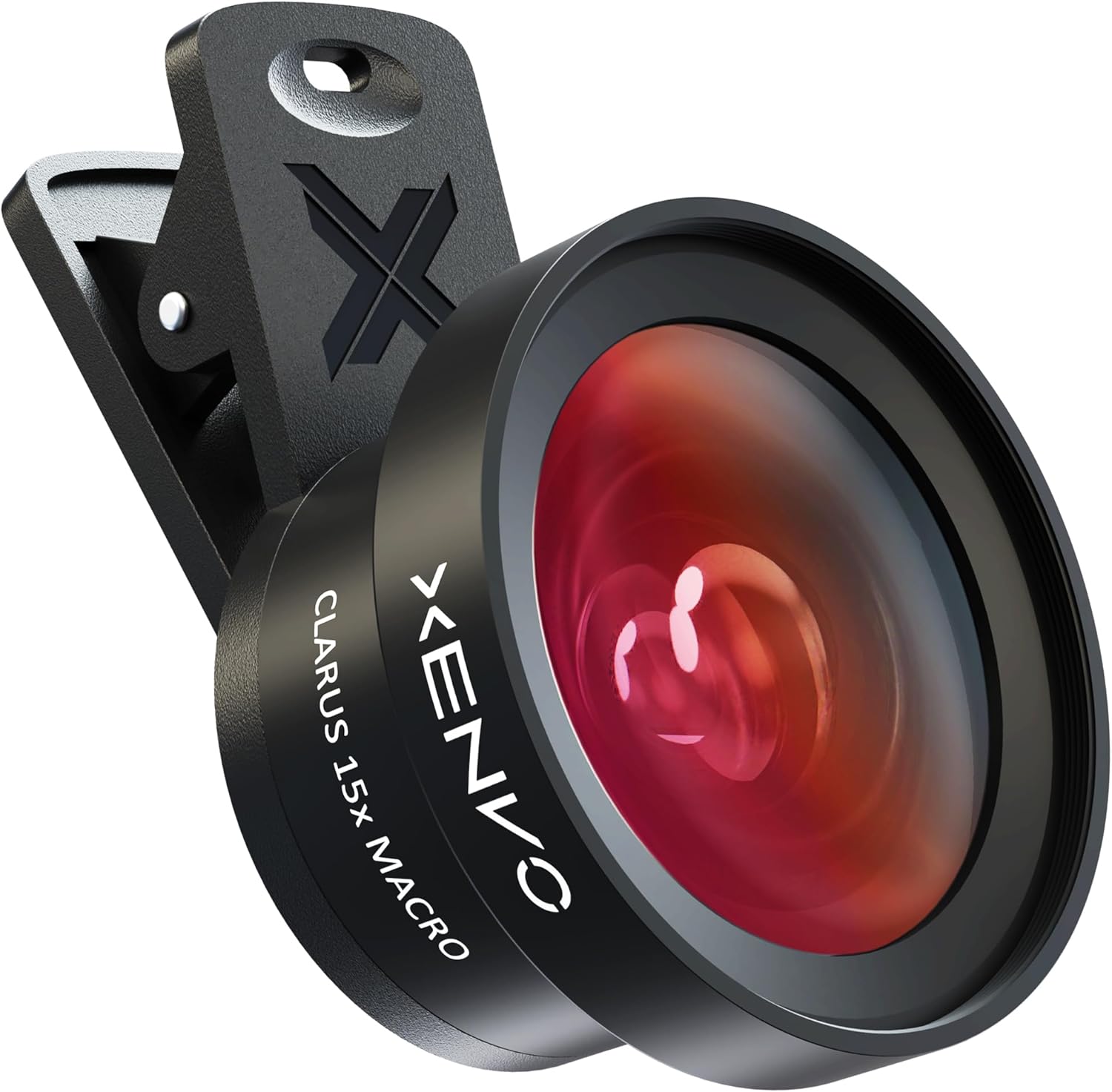
- + Versatile: Includes Macro and Wide Angle lenses
- + Built-in LED Light: Provides additional illumination
- + Travel Case: Easy to carry and protect your lenses
- + Compatible: Works with both iPhone and Android devices

Prime vs. zoom lenses: which is better for product photography?
Comparing Prime and Zoom Lenses for Product Photography
When selecting a lens for product photography, one of the main decisions is whether to use a prime lens or a zoom lens. Each type offers distinct advantages depending on your workflow, the size of your products, and the level of detail you want to capture.
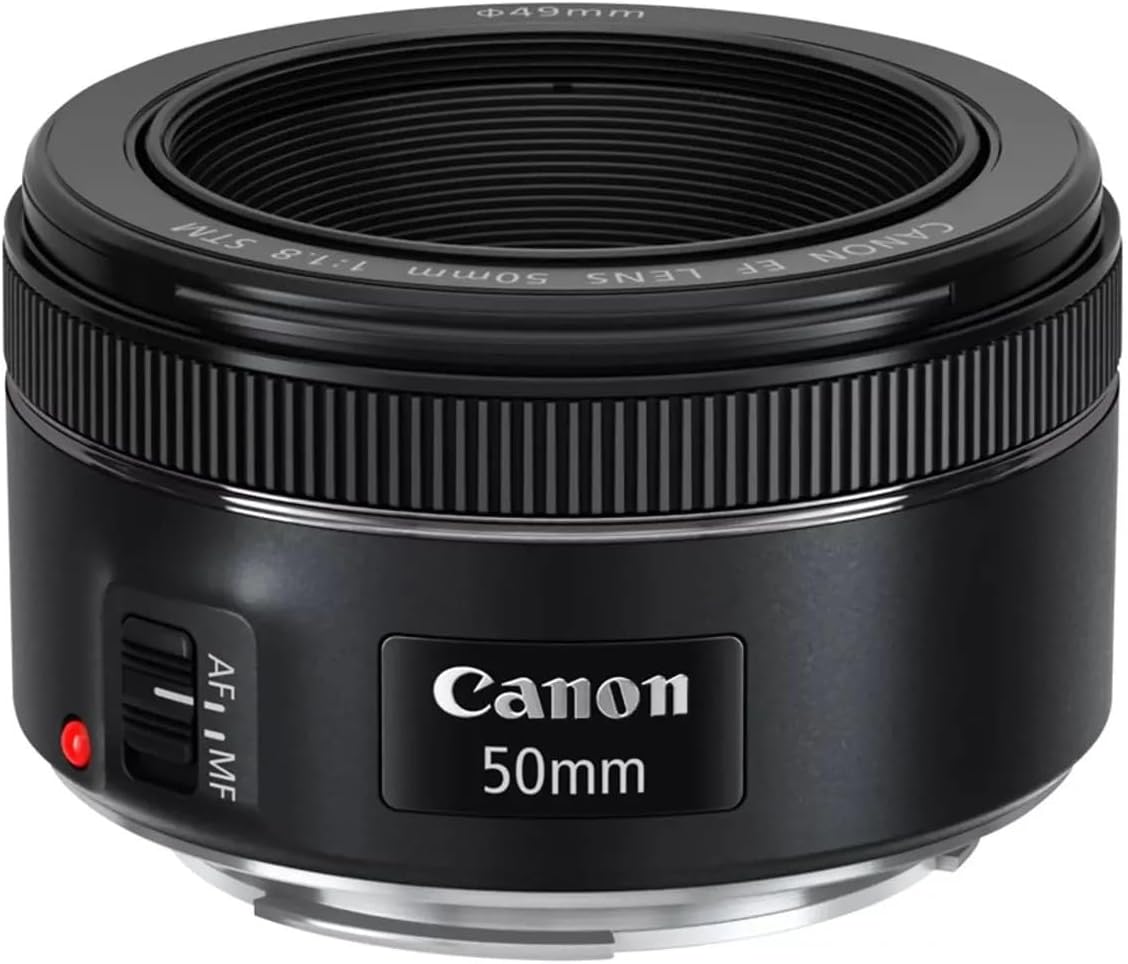
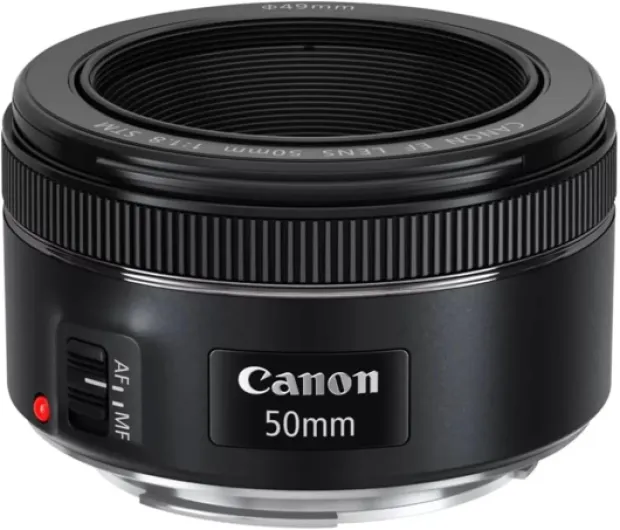
- Prime lenses have a fixed focal length, such as 50mm or 100mm. They are known for delivering excellent image quality, sharpness, and wide apertures, which can help isolate products from the background. Prime lenses are especially popular for shooting small products where maximum detail and clarity are essential.
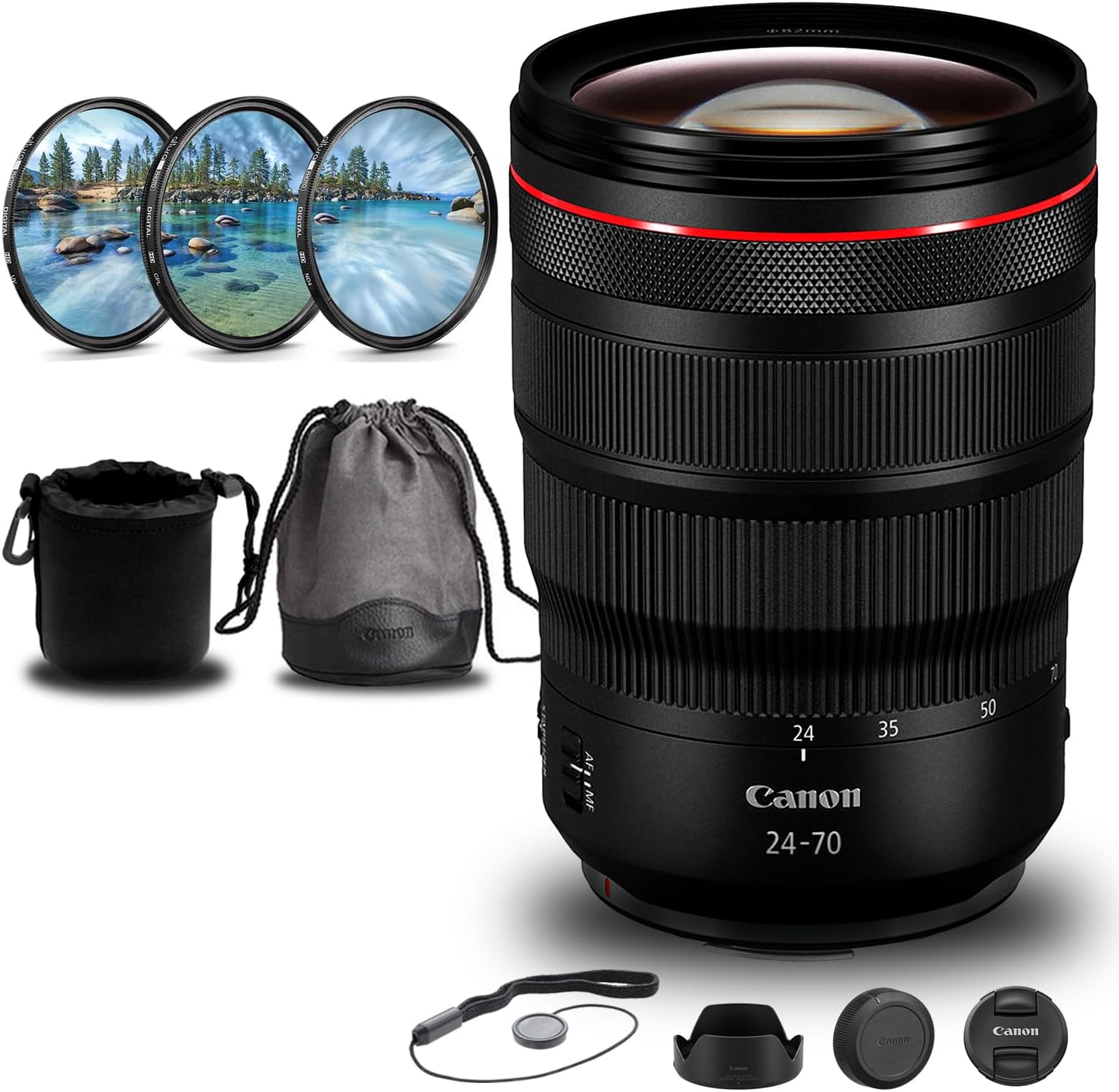
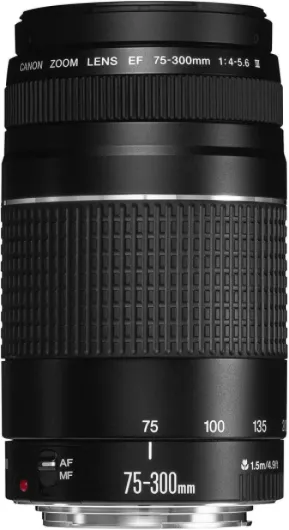
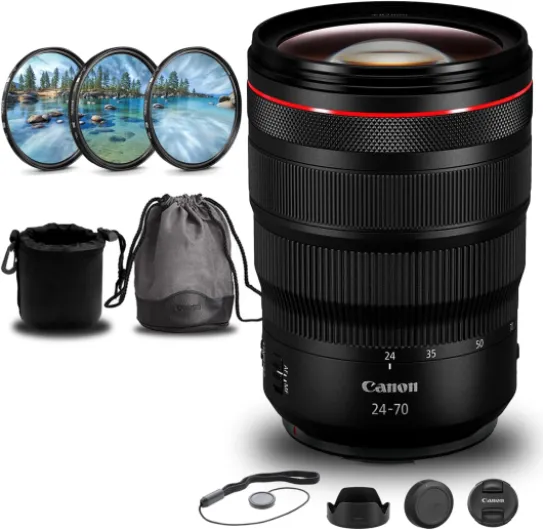
- Zoom lenses offer a range of focal lengths, like 24-70mm or 70-200mm. This flexibility allows you to quickly adjust your framing without moving the camera, which is helpful when photographing larger products or when you need to switch between wide angle and telephoto perspectives. Modern zoom lenses can deliver impressive sharpness, though they may not always match the optical quality of a dedicated prime lens.
For product photography, the choice often comes down to the type of products you shoot and your studio setup. If you work with a variety of product sizes, a zoom lens can be practical. However, for consistent, high-quality results—especially with small items or when capturing fine details—a prime lens or even a macro lens is often preferred.
Consider also features like image stabilization, which can be found in both prime and zoom lenses, and is helpful for handheld shots. Extension tubes can further enhance the close-focusing ability of your existing lenses, especially if you want to experiment with macro photography without investing in a dedicated macro lens.
For those interested in dynamic studio setups or video work, tools like a camera dolly can add creative movement to your product photos and videos, complementing your lens choice.
Ultimately, both prime and zoom lenses have a place in product photography. The best lens for you depends on your camera system, the products you shoot, and your creative goals.
Recommended focal lengths for different product types
Matching Focal Lengths to Product Size and Style
Choosing the right focal length is essential for capturing the best image quality in product photography. The focal length of your camera lens determines the angle of view and how much of your product appears in the frame. It also influences perspective and the level of detail you can achieve. Here’s how different focal lengths work for various product types:
- Wide angle lenses (24mm–35mm): These are ideal for larger products or when you want to show a product in context, such as furniture or appliances. A wide angle lens offers a broader field of view, but be cautious—using too wide an angle can introduce distortion, making products appear stretched or unnatural.
- Standard focal lengths (50mm–70mm): A prime lens in this range is a classic choice for most product photography. It closely matches the perspective of the human eye, providing natural proportions and minimal distortion. This makes it suitable for small to medium-sized products like electronics, cosmetics, or packaged goods.
- Short telephoto lenses (85mm–135mm): These lenses are excellent for isolating products from the background and reducing perspective distortion. They are especially useful for detailed shots of small products, jewelry, or when you want to highlight textures and details. A telephoto lens also helps maintain a comfortable working distance from the product.
- Macro lenses (90mm–105mm): For extreme close-ups and capturing fine details, a macro lens is the best option. Macro lenses allow you to focus very closely, making them perfect for small products like rings, watches, or intricate crafts. Extension tubes can also be used with compatible lenses to achieve similar results.
When using a full frame camera, these focal lengths provide the described field of view. If you use an APS-C sensor, remember to apply the crop factor, which effectively increases the focal length. For example, a 50mm lens on an APS-C camera offers a field of view similar to a 75mm lens on full frame.
Image stabilization can be helpful, especially with telephoto or macro lenses, to reduce blur from camera shake. Canon EOS and EOS Mark series cameras often offer in-body or lens-based stabilization, which is valuable for handheld product photos.
Ultimately, the best lenses for product photography depend on your subject size, desired composition, and the level of detail you want to capture. Investing in a quality lens offering the right focal length for your products will elevate your photography and help your images stand out.
Macro lenses and their role in detailed product shots
Why Macro Lenses Matter for Product Photography
When it comes to capturing the fine details of small products, a macro lens is often the best tool for the job. Macro lenses are designed to focus at very close distances, allowing you to fill the frame with your subject and reveal textures, patterns, and features that standard lenses might miss. This is especially important in product photography where image quality and clarity can make or break a product’s appeal.
Key Benefits of Using Macro Lenses
- Close Focusing Distance: Macro lenses let you get extremely close to your subject, making them ideal for jewelry, watches, electronics, and other small products.
- High Magnification: Many macro lenses offer a 1:1 magnification ratio, meaning the subject appears life-size on your camera sensor. This is perfect for highlighting intricate details.
- Sharpness and Clarity: These lenses are engineered for edge-to-edge sharpness, ensuring your product photos look crisp and professional.
- Versatility: While macro lenses excel at close-ups, many can double as excellent portrait or general-purpose lenses, especially prime macro lenses with focal lengths around 90mm to 105mm.
Choosing the Right Macro Lens for Your Camera
When selecting a macro lens, consider your camera system. For example, Canon EOS cameras offer several dedicated macro lenses, such as the Canon EF 100mm f/2.8L Macro IS USM, which is highly regarded for its image stabilization and sharpness. If you use a full frame camera, a 100mm macro lens gives you a comfortable working distance from your subject, reducing the risk of casting shadows or disturbing the product setup.
| Lens Type | Best For | Typical Focal Length | Key Feature |
|---|---|---|---|
| Prime Macro Lens | Small products, jewelry, electronics | 60mm, 90mm, 100mm | Superior sharpness, 1:1 magnification |
| Zoom Lens with Macro Mode | Versatile shooting, larger products | 24-70mm, 70-200mm | Convenience, less true macro capability |
| Extension Tubes | Budget macro option | Varies (used with existing lenses) | Affordable, but may reduce image quality |
Macro Lenses vs. Telephoto and Wide Angle Lenses
While telephoto lenses and wide angle lenses have their place in product photography, they do not offer the same close focusing capabilities as a dedicated macro lens. Telephoto lenses are better suited for larger products or when you need to compress perspective, while wide angle lenses can introduce distortion that is not ideal for most product shots. For capturing the best details and achieving professional-quality photos, a macro lens is often the preferred choice.
Budget considerations: finding the best lens without overspending
Smart Ways to Invest in Quality Lenses for Product Photography
Finding the best lens for product photography doesn’t always mean choosing the most expensive option. There are several ways to balance quality and budget, especially when you know what features matter most for your camera and the products you shoot.- Prioritize essential features: Focus on lenses that offer sharp image quality, reliable autofocus, and good low-light performance. For many product photos, a prime lens with a standard focal length (like 50mm for full frame cameras) delivers excellent results without a high price tag.
- Consider third-party lenses: Brands like Sigma and Tamron often offer lenses compatible with Canon EOS and other popular camera systems. These lenses can provide similar quality to first-party options at a lower cost.
- Look for used or refurbished gear: Many camera stores and reputable online platforms offer certified pre-owned lenses. This can be a great way to access macro lenses, telephoto lenses, or wide angle lenses for less.
- Extension tubes for macro work: If you want to capture small product details but can’t afford a dedicated macro lens, extension tubes are a budget-friendly way to achieve close focus with your existing lens.
- Assess your real needs: If you mainly shoot larger products, a standard zoom lens or telephoto lens might be more practical than a specialized macro lens. For small products or intricate details, investing in a macro lens or a lens offering image stabilization could be worthwhile.
| Lens Type | Best For | Budget Tips |
|---|---|---|
| Prime Lenses | General product photography, sharp images | Look for entry-level 50mm or 85mm options |
| Macro Lenses | Small products, fine details | Consider extension tubes or used macro lenses |
| Zoom Lenses | Larger products, flexibility in angle | Third-party zoom lenses offer good value |
| Wide Angle Lenses | Group shots, larger products | Refurbished wide angle lenses can save money |