

Understanding the hot shoe feature
What is a hot shoe and why does it matter?
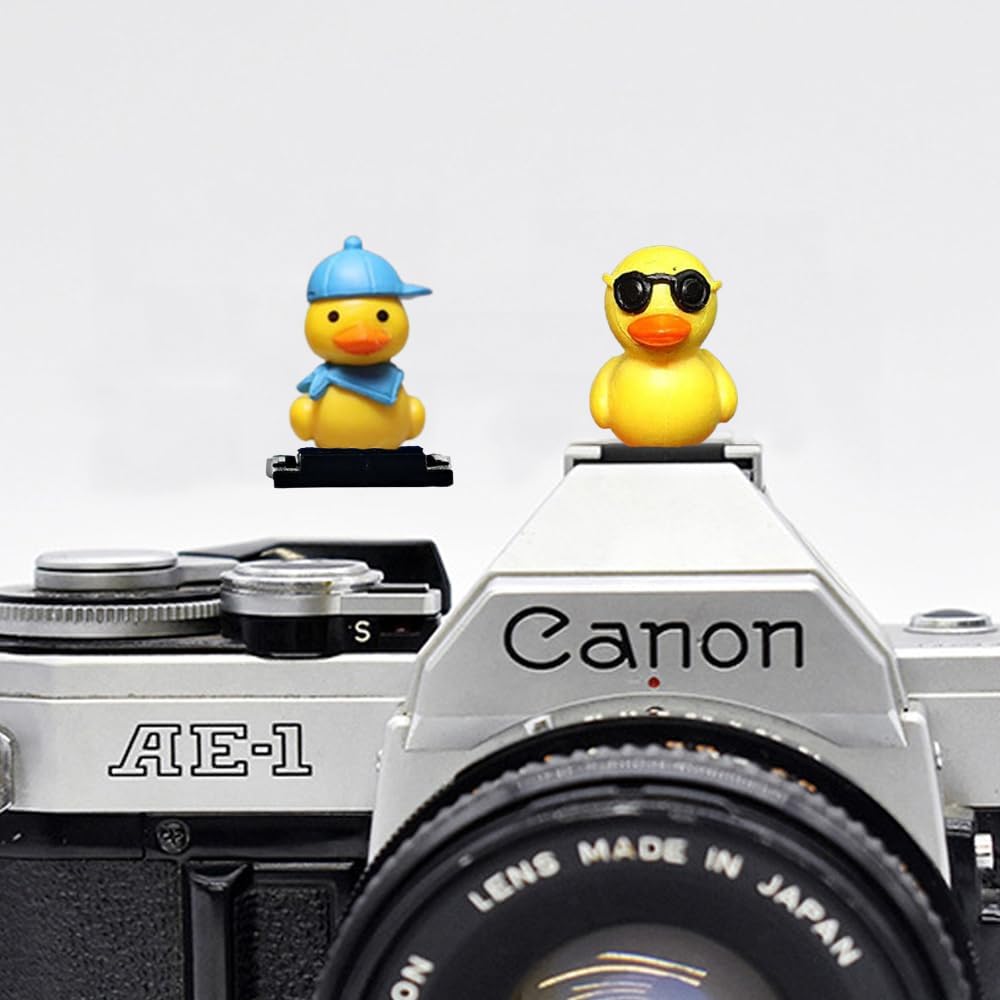
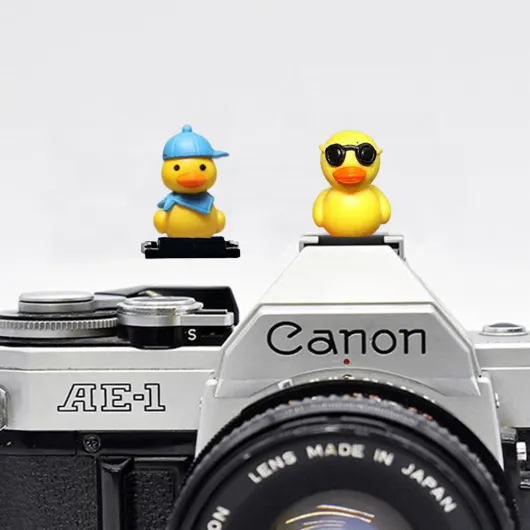
When exploring digital cameras, you’ll often come across the term hot shoe. This is a small, metal bracket usually found on the top of a camera body. The hot shoe is designed to hold and connect external accessories, most commonly a camera flash. Unlike a cold shoe, which only provides a physical mount, a hot shoe includes electrical contacts that allow communication between the camera and the attached accessory.
How does a hot shoe work?
The hot shoe acts as a bridge between your camera and compatible accessories. When you attach a device—like a flash or a microphone—to the shoe mount, the camera can send signals directly to it. For example, when you press the shutter, the camera can trigger the flash at the exact right moment. This level of integration is essential for both digital and film cameras, especially when you need consistent lighting or want to expand your creative options.
Why is the hot shoe a standard feature?
Most modern cameras, from point shoot models to level full DSLRs, include a standard hot shoe. This feature is valued by photographers who want flexibility. Whether you use Canon Nikon, Olympus Pentax, or Minolta Sony, the hot shoe ensures your camera is compatible with a wide range of accessories. It’s a key consideration in camera reviews and articles, as it can influence both price and the types of photography you can pursue.
Hot shoe compatibility and camera brands
Not all hot shoes are created equal. While there is a standard hot shoe size, some brands—like Sony or Olympus—may use proprietary connections or add extra contacts for advanced features. It’s important to check if your chosen camera is compatible with the accessories you want to use, especially if you’re considering digital film hybrids or older film cameras. This compatibility can affect your workflow, color accuracy, and even the types of laser or flash units you can attach.
Further reading on hot shoe features
If you want to dive deeper into the technical aspects and creative uses of the hot shoe, check out this exploration of the Godox V100 Macro for digital photography. It covers how advanced accessories can enhance your photography experience, especially when paired with a camera hot shoe.

Benefits of using a camera with a hot shoe
Why a Hot Shoe Matters for Your Photography
When you choose a camera with a hot shoe, you open up new possibilities for your photography. The hot shoe is a standard mount found on many digital and film cameras, allowing you to attach external accessories like flashes, microphones, or even laser triggers. This feature is not just for professionals—enthusiasts and beginners can benefit from the flexibility and control it offers.
- Enhanced Lighting Control: Using a camera flash with a hot shoe gives you much more power over your lighting. You can use an external flash to bounce light, soften shadows, or add creative effects that built-in flashes can’t achieve. This is especially helpful for portrait, event, or product photography.
- Accessory Compatibility: The hot shoe is compatible with a wide range of accessories, including microphones for video, wireless triggers, and even cold shoe adapters for mounting multiple devices. Brands like Canon, Nikon, Olympus, Pentax, Minolta, and Sony all offer cameras with standard hot shoe mounts, making it easier to find gear that fits your needs and budget.
- Professional Results at Any Level: Whether you use a point and shoot, a level full-frame digital camera, or a classic film model, a hot shoe lets you expand your creative options. Even entry-level cameras with hot shoe mounts can deliver results that rival more expensive models, especially when paired with the right accessories.
- Future-Proofing Your Gear: As your photography skills grow, you may want to add more advanced equipment. Cameras with hot shoe mounts are more likely to be compatible with new accessories, so you won’t need to upgrade your camera as often. This is a smart move for anyone looking to get the best price-to-performance ratio.
For those interested in advanced setups, such as tethered shooting or studio work, the hot shoe becomes even more valuable. If you want to learn more about how tether cables can enhance your digital photography workflow, check out this guide to tether cables in digital photography.
In summary, a camera hot shoe is a simple feature that can make a big difference in your photography, whether you’re shooting with digital film, exploring new accessories, or reading reviews to find the best camera for your cart items. It’s a key factor to consider when comparing cameras, especially if you want your setup to grow with your skills.
Types of accessories compatible with a hot shoe
Popular Accessories That Enhance Your Camera’s Hot Shoe
The hot shoe is a standard feature on many digital and film cameras, offering a versatile mount for a range of accessories. Whether you use a point shoot, a level full-frame, or a compact model, understanding which accessories are compatible with your camera hot shoe can help you get the most from your photography setup. Here’s a look at some of the most common and useful options:
- External Flashes: The most popular accessory for a hot shoe is the camera flash. Brands like Canon Nikon, Olympus Pentax, and Minolta Sony produce flashes that are compatible with their cameras’ standard hot shoe. Using an external flash can improve your lighting, add color depth, and reduce red-eye in your photos.
- Wireless Triggers: For those who want to control off-camera flashes or studio lights, wireless triggers fit into the shoe mount and allow you to fire multiple flashes at once. This is especially useful for advanced photography setups and is often highlighted in reviews and articles about lighting techniques.
- Microphones: Many digital cameras with hot shoe mounts support external microphones. This is essential for video creators who want better audio quality than the built-in mic can provide.
- Bubble Levels: A bubble level accessory helps you keep your camera perfectly horizontal, which is important for landscape and architectural photography. These small tools fit into the hot shoe and are compatible with most standard hot shoe cameras.
- Laser Pointers and Rangefinders: Some photographers use laser accessories for precise focusing or measuring distances, especially in studio or product photography.
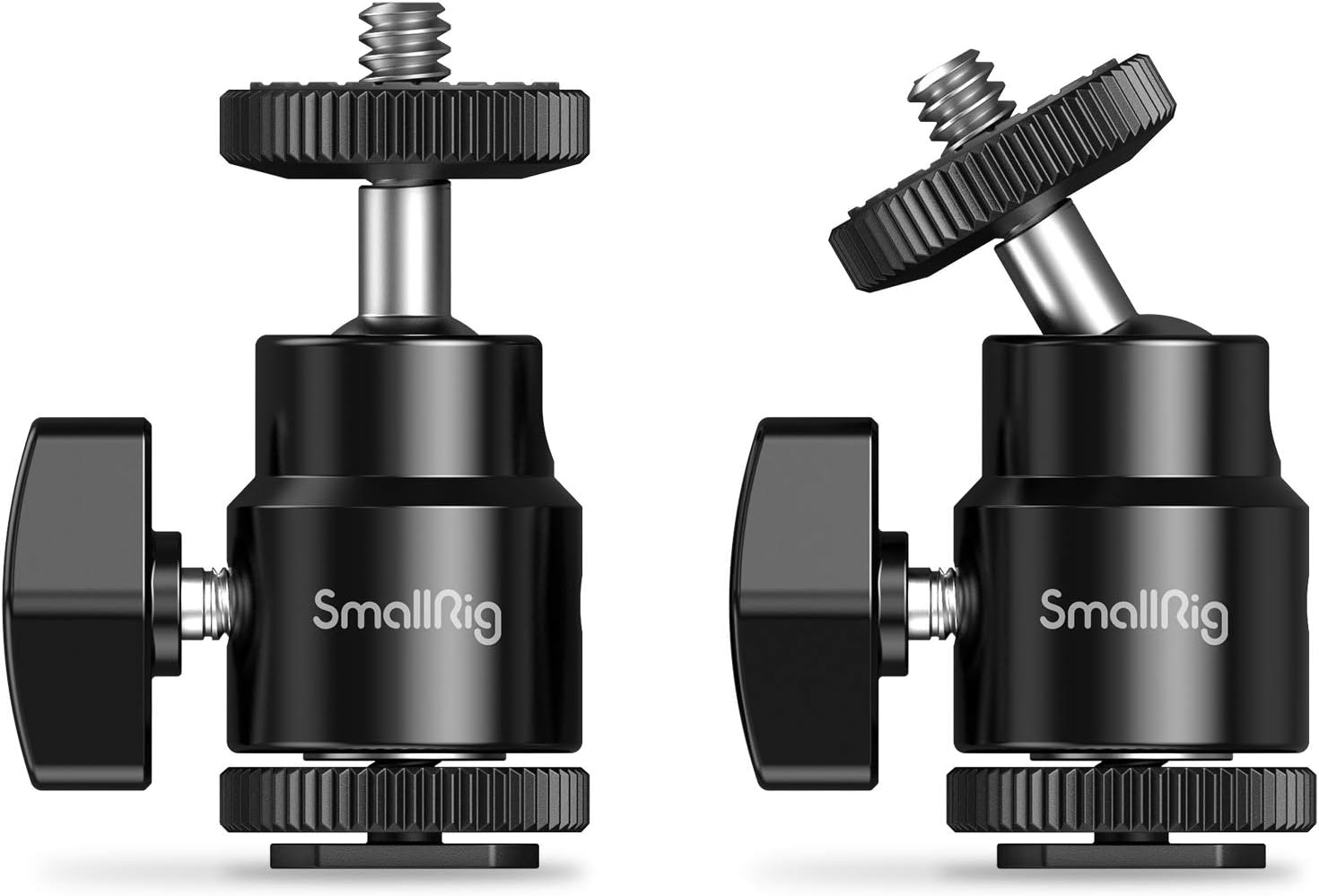
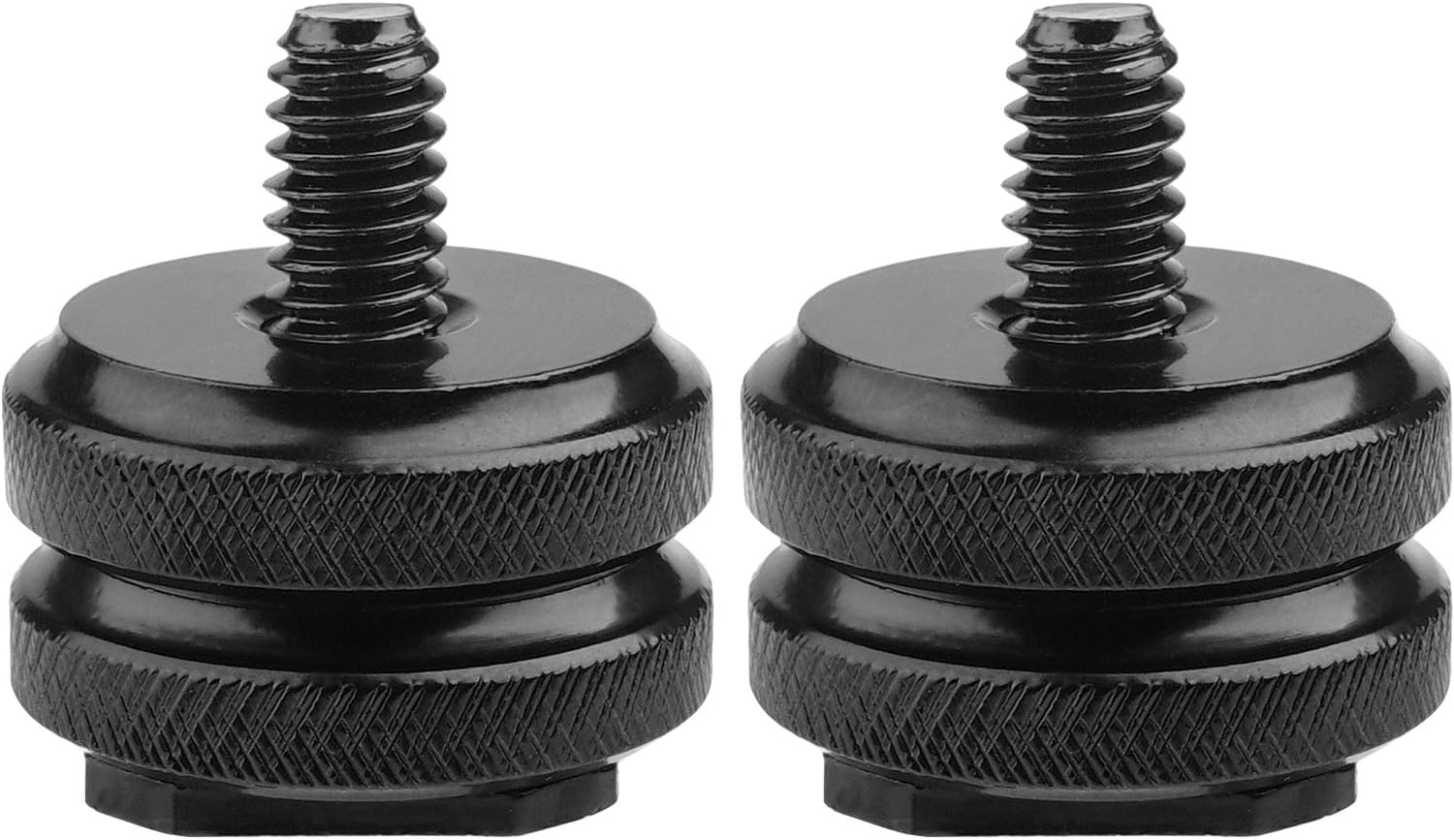
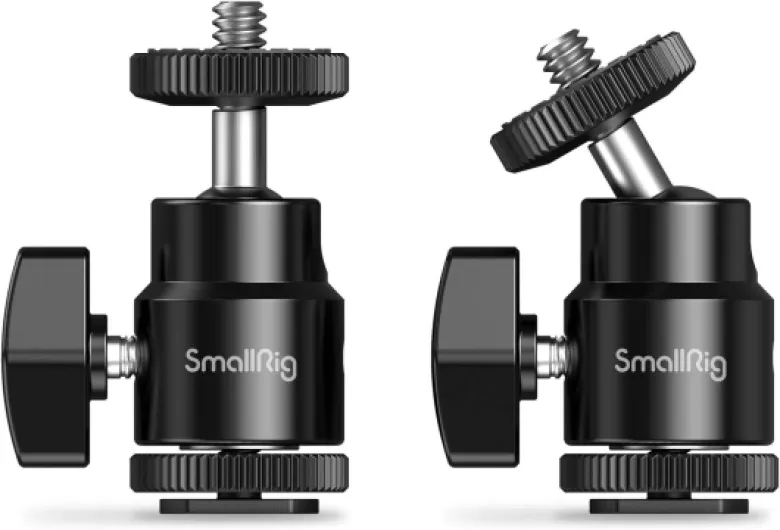
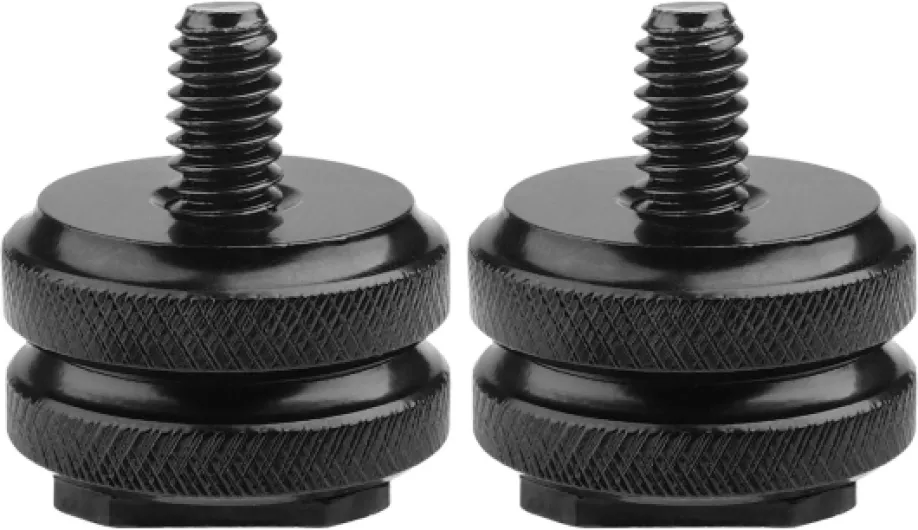
- Cold Shoe Adapters: If you need to mount multiple accessories, a cold shoe adapter can convert your hot shoe into several mounting points. Unlike a hot shoe, a cold shoe does not transmit electrical signals, making it ideal for non-powered accessories.
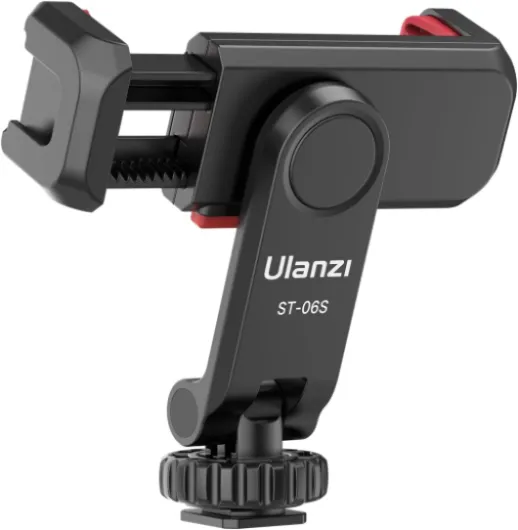
- Viewfinders and Monitors: For digital film shooters, attaching an external viewfinder or monitor to the hot shoe can provide a larger or more accurate display, especially when shooting in bright conditions.
When choosing accessories, always check if they are compatible with your camera’s hot shoe standard. Some brands, like Sony and Olympus, have proprietary designs, so a shoe mount that fits a Nikon Olympus camera may not fit a Minolta Sony model. Reading product reviews and checking compatibility charts can help you avoid frustration and wasted cart items.
If you’re looking to expand your kit, consider starting with a versatile lens. For example, the 27mm Fujifilm lens is a smart choice for everyday photography and pairs well with cameras that feature a hot shoe for extra flexibility.
Remember, the right accessories can elevate your photography, whether you’re shooting digital film, color, or black and white. Always review the specifications and price before making a purchase, especially if you’re in the United States where availability and standards may vary.
How to choose the right camera with a hot shoe
Key Factors to Consider When Selecting a Hot Shoe Camera
When searching for a digital or film camera with a hot shoe, it’s important to match your photography needs with the right features. The hot shoe is a standard mount found on many cameras, allowing you to attach external flashes and other accessories. Here’s how to make an informed choice:
- Compatibility with Accessories: Not all hot shoes are created equal. Some cameras use a proprietary shoe mount, while others stick to the standard hot shoe design. If you already own camera flash units or plan to use specific accessories, check if the camera is compatible with them. Brands like Canon, Nikon, Olympus, Pentax, and Sony each have their own approaches, so always verify compatibility.
- Camera Type and Level: Decide if you need a point and shoot, entry-level, or full-featured digital camera. Professional models often offer more robust hot shoe options, supporting advanced flashes, laser triggers, or even cold shoe adapters for extra gear. For beginners, a standard hot shoe may be enough for basic flash photography.
- Budget and Price Range: Cameras with hot shoes come in a wide price range. Entry-level models from Olympus or Minolta Sony might be more affordable, while high-end digital film cameras with advanced hot shoe features can be pricier. Consider your budget and compare reviews to find the best value.
- Build Quality and Durability: If you plan to use heavier accessories like a camera flash or external microphones, look for a camera with a solid shoe mount. Metal hot shoes are generally more durable than plastic ones, especially for frequent use.
- Feature Set: Some cameras offer additional features such as weather sealing around the hot shoe, support for TTL (Through The Lens) flash control, or compatibility with wireless triggers. These can be important for advanced photography or shooting in challenging environments.
- Brand Ecosystem: If you already own lenses or other gear from Canon Nikon, Olympus Pentax, or Sony, sticking with the same brand can ensure better integration and support for your hot shoe accessories.
Comparing Popular Models
| Camera | Hot Shoe Type | Compatible With | Price Level |
|---|---|---|---|
| Canon EOS Digital | Standard Hot Shoe | Canon, third-party flashes | Mid to High |
| Nikon D Series | Standard Hot Shoe | Nikon, compatible with many brands | Mid to High |
| Olympus OM-D | Standard Hot Shoe | Olympus, compatible with standard accessories | Mid |
| Sony Alpha | Multi Interface Shoe | Sony, adapters for standard hot shoe | Mid to High |
| Pentax K Series | Standard Hot Shoe | Pentax, compatible with standard flashes | Mid |
Other Considerations
Don’t forget to check for user reviews and articles about the camera’s hot shoe reliability and accessory support. If you’re in the United States, availability and after-sales support can also influence your decision. Lastly, consider the color and design if aesthetics matter to you, especially when matching accessories.
Common mistakes to avoid when using a hot shoe
Overlooking Compatibility with Accessories
One of the most common mistakes is assuming every camera hot shoe is compatible with all accessories. While many digital and film cameras feature a standard hot shoe, some brands like Olympus, Sony, and Canon Nikon may have proprietary designs or extra pins for advanced functions. Always check if your camera flash, shoe mount, or other accessory is compatible with your camera hot shoe before purchase. This is especially important for users in the United States, where product versions may vary.Ignoring Weight and Balance
Attaching large or heavy accessories, such as a laser level or an external flash, can affect the balance of your camera. Point shoot models or compact digital film cameras may not support heavier items well. Overloading the shoe camera mount can lead to damage or even breakage, especially with older film cameras or entry-level full frame models.Confusing Hot Shoe with Cold Shoe
A hot shoe transmits electrical signals for accessories like flashes, while a cold shoe is just a physical mount without electrical contacts. Using a cold shoe when you need flash synchronization will result in frustration. Always confirm if your camera is equipped with a standard hot shoe or only a cold shoe, especially when reading product reviews or articles.Neglecting Proper Installation
Improperly mounting accessories can damage both the shoe and the accessory. Make sure the accessory slides in smoothly and locks in place. Forcing a non-compatible accessory can bend the contacts or scratch the shoe. This is a common issue with users switching between brands like Minolta Sony, Olympus Pentax, or Nikon Olympus.Forgetting to Check for Firmware Updates
Some digital cameras require firmware updates to ensure full compatibility with newer accessories. Skipping this step can lead to issues with flash timing, color temperature, or advanced features. Always review the manufacturer's articles and posts for updates, especially if you notice problems after adding new cart items to your kit.| Mistake | Impact | How to Avoid |
|---|---|---|
| Accessory incompatibility | Accessory or camera may not function | Check compatibility lists and reviews |
| Overloading the hot shoe | Potential damage to camera or accessory | Use only accessories within weight limits |
| Confusing hot and cold shoes | No electrical connection for flash | Verify shoe type before purchase |
| Improper installation | Physical damage to contacts or mount | Follow manufacturer instructions |
| Ignoring firmware updates | Loss of advanced accessory functions | Regularly check for updates |
Recommended cameras with a hot shoe for different users
Best Hot Shoe Cameras for Beginners
If you are just starting in photography and want a camera with a standard hot shoe, consider entry-level digital cameras that offer flexibility and ease of use. Models from Canon and Nikon are popular for their intuitive controls and compatibility with a wide range of camera flash units. The Canon EOS Rebel series and Nikon D3500 are often highlighted in reviews for their value and reliable hot shoe performance. These cameras are compatible with most standard hot shoe accessories, making them a solid choice for learning how to use external flashes and other add-ons.
Options for Enthusiasts and Advanced Users
For those who need more advanced features, mid-level full-frame digital cameras from Sony, Olympus, and Pentax provide excellent hot shoe integration. The Sony Alpha series, such as the A7 line, is well-regarded for its robust shoe mount and compatibility with both digital and film accessories. Olympus OM-D models and Pentax K-series cameras also offer reliable hot shoe connections, supporting a variety of camera flash and laser triggers. These cameras are ideal for users who want to experiment with color filters, wireless triggers, and other creative accessories.
Professional-Grade Cameras with Hot Shoe Versatility
Professional photographers often require a camera hot shoe that supports high-end flashes, wireless transmitters, and even cold shoe adapters for video work. Canon EOS R and Nikon Z series mirrorless cameras are praised in articles and posts for their robust hot shoe designs and compatibility with a wide array of accessories. Sony’s full-frame Alpha models and the Olympus OM-D E-M1 Mark III are also frequently recommended for their reliability and flexibility at the professional level. These cameras are suitable for demanding environments, whether you are shooting in the United States or abroad.
Film Cameras with Standard Hot Shoe
If you prefer film photography, look for classic models from Minolta, Olympus, and Pentax that feature a standard hot shoe. Many vintage film cameras are compatible with modern flashes and cold shoe adapters, allowing you to blend analog and digital workflows. Reviews often mention the Minolta X-700 and Olympus OM-1 as reliable choices for film enthusiasts who want to use contemporary lighting equipment.
Compact and Point-and-Shoot Cameras with Hot Shoe
Some point and shoot cameras, though less common, do offer a hot shoe for added versatility. Models from Ricoh and Fujifilm occasionally include this feature, making them suitable for travel or street photography where a lightweight setup is essential. Always check the product specifications and price to ensure the camera is compatible with your preferred accessories and fits your cart items list.
| Camera Model | Type | Hot Shoe Compatibility | Price Level |
|---|---|---|---|
| Canon EOS Rebel T8i | Digital SLR | Standard hot shoe | Entry |
| Sony Alpha A7 III | Mirrorless | Multi-interface shoe | Advanced |
| Nikon Z6 II | Mirrorless | Standard hot shoe | Professional |
| Olympus OM-D E-M10 Mark IV | Mirrorless | Standard hot shoe | Enthusiast |
| Minolta X-700 | Film SLR | Standard hot shoe | Film |
When choosing a camera with hot shoe capabilities, consider your photography level, the type of accessories you plan to use, and your budget. Always check recent reviews and articles for the latest updates on compatibility and performance, especially if you are looking for a camera that works with both digital and film accessories or specific brands like Olympus Pentax or Minolta Sony.