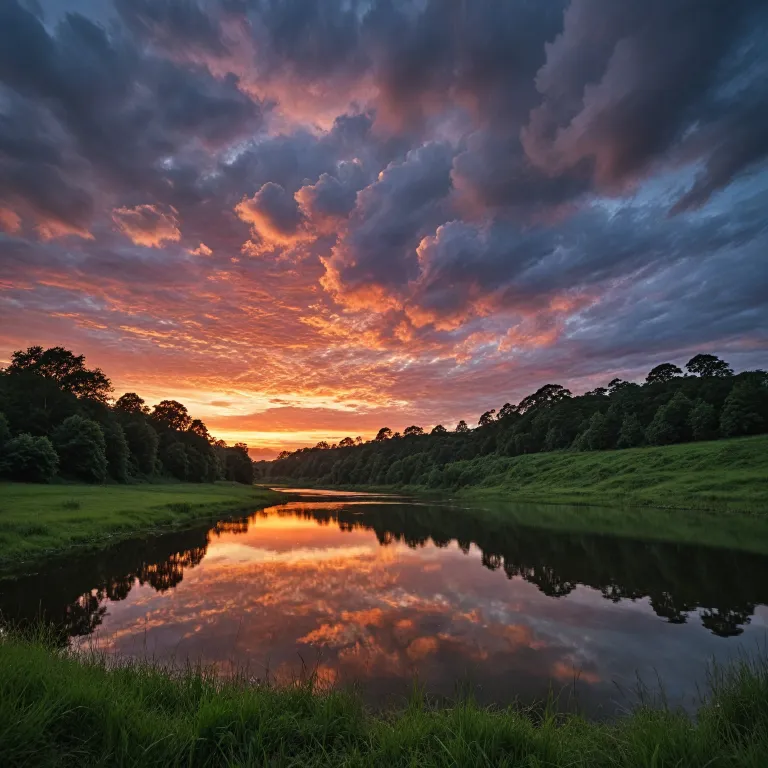

Understanding what makes a lens great for landscape photography
Key Elements That Define a Landscape Lens
When searching for the best lens for landscape photography, it’s important to understand what sets a great landscape lens apart from the rest. Landscape photography is all about capturing wide, dramatic scenes with exceptional detail and clarity. The right lens can make a huge difference in the sharpness, color, and overall image quality of your shots, whether you’re shooting with a full frame digital camera, a crop sensor, or even a compact system.
- Wide Angle Capability: Wide angle lenses are often favored for landscapes because they allow you to fit more of the scene into your frame. This is especially useful for capturing sweeping vistas, mountain ranges, or dramatic skies. Lenses with a focal length between 14mm and 35mm (on full frame cameras) are popular choices for this reason.
- Sharpness and Image Quality: A good landscape lens should deliver excellent sharpness from edge to edge, even at smaller apertures. Look for reviews that mention consistent sharpness and minimal distortion, especially if you plan to print your images large.
- Build Quality and Weather Sealing: Since landscape photography often means shooting outdoors in unpredictable conditions, a lens with solid build quality and weather sealing is a smart investment. This ensures your lens can handle moisture, dust, and temperature changes.
- Focusing Distance: The ability to focus closely can add creative flexibility, letting you include foreground interest in your landscapes. Some of the best lenses for landscape photography offer a short minimum focusing distance, which can also be useful for close-up nature shots. For more on getting creative with close-ups, check out this guide on using macro extension tubes for close-up photography.
- Compatibility: Make sure the lens you choose is compatible with your camera system, whether you shoot with Canon, Nikon, Sony, or another brand. Consider whether you need a lens for a full frame or crop sensor camera, as this affects the effective focal range and field of view.
Understanding these core features will help you make a more informed purchase when selecting a lens for landscapes. As you explore focal length, aperture, and zoom range in the next sections, you’ll see how these elements work together to create stunning landscape images.
Focal length choices for wide and dramatic scenes
How Focal Length Shapes Your Landscape Shots
When it comes to landscape photography, the focal length of your lens is a game changer. It determines how much of the scene you can capture and how dramatic your images appear. The best lenses for landscapes often have a wide focal range, allowing you to include sweeping vistas or focus on specific details. Let’s break down what you need to know about focal length choices for landscape work.
- Wide angle lenses (14-35mm): These are the go-to for most landscape photographers. A wide angle lens lets you fit more of the scene into your frame, making mountains, skies, and fields look expansive. Both full frame and crop sensor digital cameras benefit from wide angle options, though the effective focal length will differ depending on your camera type.
- Ultra wide lenses (below 14mm): If you want to push the boundaries, ultra wide lenses create dramatic perspectives and can make foreground elements pop. However, they can also introduce distortion, so careful composition is key.
- Standard zoom lenses (24-70mm): These offer flexibility. With a zoom range that covers wide to short telephoto, you can quickly adapt to changing scenes without swapping lenses. Many landscape photographers appreciate the versatility, especially when hiking or traveling light.
- Telephoto lenses (70mm and above): While not as common, telephoto lenses are great for isolating distant subjects like mountain peaks or compressing layers in the landscape. They’re also useful for capturing details that a wide angle lens might miss.
Choosing the best focal length depends on your creative vision and the landscapes you love to shoot. For example, a Canon USM wide angle zoom lens is a favorite for many, while Sony and Nikon also offer excellent wide and ultra wide options. Always consider your camera’s sensor size, as a crop sensor will affect the effective focal length of your lens.
For more inspiration on creative approaches to landscape photography, check out this review of monochrome photography with digital cameras. It’s a great way to see how focal length and lens choice can impact your image style.
Remember, the right lens landscape setup is about matching your vision with the right focal range and image quality. Whether you’re looking for the best lenses for wide, dramatic scenes or want to experiment with different focal lengths, understanding these basics will help you make a smart purchase lens decision for your next landscape adventure.
Aperture and depth of field considerations
How Aperture Shapes Your Landscape Shots
When it comes to landscape photography, the aperture of your lens plays a crucial role in determining both the sharpness and the depth of field in your images. Aperture, measured in f-stops, controls how much light enters your camera and how much of your scene stays in focus from front to back. For wide and dramatic scenes, a smaller aperture (higher f-number like f/8 to f/16) is often preferred. This helps keep more of the landscape sharp, from foreground to background, which is essential for capturing the full beauty of wide angle vistas.
- Depth of field: A smaller aperture increases depth of field, making more of your landscape sharp. This is especially important when using wide angle lenses to capture expansive scenes.
- Sharpness: Most lenses, whether you shoot with Sony, Canon, or Nikon, have a 'sweet spot'—usually between f/8 and f/11—where image quality and sharpness are at their best. Testing your lens at different apertures can help you find this optimal range.
- Light and exposure: Using a smaller aperture means less light hits your camera sensor, so you may need a tripod for stability, especially in low light conditions. This is true whether you're using a full frame or crop sensor digital camera.
Some of the best lenses for landscape photography offer a wide aperture range, but for most landscape shots, you won’t need the widest settings. Instead, focus on lenses that deliver consistent sharpness across the frame. If you’re considering a zoom lens, check reviews for edge-to-edge image quality at different focal lengths and apertures.
Another factor is focusing distance. Many landscape photographers use manual focus and set their lens to the hyperfocal distance, maximizing sharpness throughout the image. This technique works well with both prime and zoom lenses, and is especially effective with ultra wide angle lenses.
For those interested in capturing soundscapes or adding audio to their landscape videos, consider checking out this review of a professional wireless lavalier microphone for your digital camera setup.
Prime vs zoom lenses for landscape work
Comparing Prime and Zoom Lenses for Landscape Shooters
When deciding between prime and zoom lenses for landscape photography, it’s important to weigh the strengths of each type. Both have their place in a landscape photographer’s kit, and your choice can influence the style and flexibility of your images.
- Prime Lenses: These lenses have a fixed focal length, such as 24mm or 35mm. Primes are often praised for their superior sharpness and image quality, especially at the edges of the frame. They tend to have wider maximum apertures, which can help in low-light situations or when you want to control depth of field. For landscape work, a prime lens like the Canon USM 24mm or a Nikon 20mm is a classic choice for wide, dramatic scenes. However, you’ll need to physically move to reframe your shot, which can be limiting in some locations.
- Zoom Lenses: Zooms offer a range of focal lengths in one lens, such as 16-35mm or 24-70mm. This flexibility is a major advantage when you’re shooting varied landscapes and want to quickly adapt your composition. Modern zoom lenses from brands like Sony, Canon, and Nikon deliver impressive sharpness and image quality, especially in their premium lines. A wide angle zoom lens, like a Canon 16-35mm or Sony 12-24mm, covers most landscape needs and is especially useful when hiking or traveling light.
When considering the best lenses for landscape photography, think about your shooting style and the types of landscapes you prefer. If you value maximum sharpness and minimal distortion, a high-quality prime lens might be your go-to. If you want the versatility to capture everything from sweeping vistas to tighter scenes without changing lenses, a wide angle zoom lens with a good zoom range is a smart purchase.
Price and weight are also factors. Primes are often lighter and less expensive than pro-grade zooms, but you may need to carry several to cover different focal lengths. Zoom lenses can be heavier and pricier, but they reduce the need to swap lenses in the field, which can help keep your digital camera sensor clean and ready for the next shot.
Ultimately, both prime and zoom lenses can deliver stunning landscape images. The best choice depends on your priorities for image quality, flexibility, and budget. Always check reviews and sample images before making a purchase lens decision, and consider how the lens will pair with your camera body—whether you shoot full frame, crop sensor, Canon, Nikon, or Sony.
Essential features to look for in a landscape lens
Key Features That Elevate Landscape Lenses
When searching for the best lens for landscape photography, certain features can make a significant difference in your images. These details go beyond just focal length or aperture and can impact sharpness, usability, and overall image quality.- Edge-to-Edge Sharpness: For landscape photography, sharpness across the entire frame is essential. The best lenses deliver consistent detail from the center to the corners, especially when shooting wide angle scenes on a full frame or crop sensor digital camera. Look for reviews that test sharpness at different focal lengths and apertures.
- Low Distortion and Chromatic Aberration: Wide angle and ultra wide lenses can sometimes introduce distortion or color fringing. High-quality lenses, like the Canon USM series or certain Nikon and Sony models, minimize these issues, preserving natural lines and accurate colors in your landscapes.
- Weather Sealing: Landscape photography often means shooting in unpredictable conditions. A lens with weather sealing protects against dust and moisture, making it a reliable companion for outdoor adventures.
- Coatings for Flare and Ghosting: Shooting into the sun or in bright conditions can cause unwanted flare. Modern lenses use advanced coatings to reduce flare and ghosting, helping you capture clear, contrast-rich images even in challenging light.
- Manual Focus and Focusing Distance: While autofocus is useful, manual focus with a smooth, precise ring is valuable for landscape work. A lens with a short minimum focusing distance also allows for creative foreground elements in your compositions.
- Filter Compatibility: Many landscape photographers use filters like polarizers or ND filters. Some ultra wide lenses have bulbous front elements that make attaching filters difficult. Check if the lens supports standard filter threads or if special adapters are needed.
- Build Quality and Weight: A solid, durable build is important, but so is portability. Consider the weight of the lens, especially if you hike to your shooting locations. The best lenses balance robust construction with manageable size and weight.
- Price and Value: The price range for landscape lenses varies widely. While top-tier lenses from Canon, Nikon, or Sony offer premium image quality and features, there are excellent options at lower price points. Always compare reviews and consider your budget before making a purchase lens decision.
Popular lens recommendations for landscape photographers
Top Picks for Landscape Lenses Across Brands
When it comes to landscape photography, the best lens is one that delivers sharpness, clarity, and the right focal length for your creative vision. Based on expert reviews and user feedback, here are some of the most popular and highly rated lenses for capturing stunning landscapes with different digital camera systems.
- Canon EF 16-35mm f/4L IS USM: This wide angle zoom lens is a favorite among Canon users for its sharp image quality, constant f/4 aperture, and reliable image stabilization. The focal range is ideal for sweeping vistas, and the build quality is excellent for outdoor use. It works well on both full frame and crop sensor cameras.
- Sony FE 16-35mm f/2.8 GM: For Sony full frame mirrorless cameras, this lens stands out for its ultra wide angle, fast aperture, and impressive sharpness across the frame. The autofocus is quick and silent, making it a top choice for landscape photographers who value image quality and versatility.
- Nikon Z 14-30mm f/4 S: Nikon Z-mount users will appreciate this lightweight, ultra wide zoom lens. It offers a unique focal length range for dramatic perspectives and maintains high sharpness even at the edges. The compact design is perfect for travel and hiking.
- Canon RF 15-35mm f/2.8L IS USM: For those using Canon’s mirrorless system, this lens combines a wide focal range, fast aperture, and image stabilization. It’s highly rated for its edge-to-edge sharpness and robust weather sealing, making it suitable for challenging landscape conditions.
- Tokina AT-X 11-20mm f/2.8 PRO DX: If you’re shooting with a crop sensor camera, this lens offers an affordable way to achieve ultra wide angle shots. The constant f/2.8 aperture is useful for low light landscapes, and the price point is attractive for those looking to purchase a lens without breaking the bank.
- Nikon AF-S 14-24mm f/2.8G ED: This classic Nikon lens is known for its outstanding sharpness and wide angle zoom range. It’s a staple for many landscape photographers using Nikon full frame DSLRs, especially when maximum image quality is the goal.
What Makes These Lenses Stand Out?
These lenses are consistently praised for their sharpness, wide angle capabilities, and reliable performance in the field. Whether you prefer a zoom lens for flexibility or a prime lens for ultimate image quality, there’s an option for every style and budget. Key features to consider when making your purchase include focal length, aperture, image stabilization, and weather sealing. Always check recent reviews and compare prices to find the best fit for your camera system and landscape photography needs.
| Lens | Mount | Focal Length | Aperture | Best For |
|---|---|---|---|---|
| Canon EF 16-35mm f/4L IS USM | Canon EF | 16-35mm | f/4 | Full frame & crop sensor, landscapes |
| Sony FE 16-35mm f/2.8 GM | Sony FE | 16-35mm | f/2.8 | Full frame, wide angle, low light |
| Nikon Z 14-30mm f/4 S | Nikon Z | 14-30mm | f/4 | Mirrorless, ultra wide, travel |
| Canon RF 15-35mm f/2.8L IS USM | Canon RF | 15-35mm | f/2.8 | Mirrorless, sharpness, weather sealing |
| Tokina AT-X 11-20mm f/2.8 PRO DX | Canon/Nikon APS-C | 11-20mm | f/2.8 | Crop sensor, budget, ultra wide |
| Nikon AF-S 14-24mm f/2.8G ED | Nikon F | 14-24mm | f/2.8 | Full frame, sharpness, landscapes |
Choosing the best lenses for landscape photography depends on your camera system, desired focal range, and budget. Each lens listed here has been recognized for its performance and value in landscape work, helping you capture breathtaking images with your digital camera.