

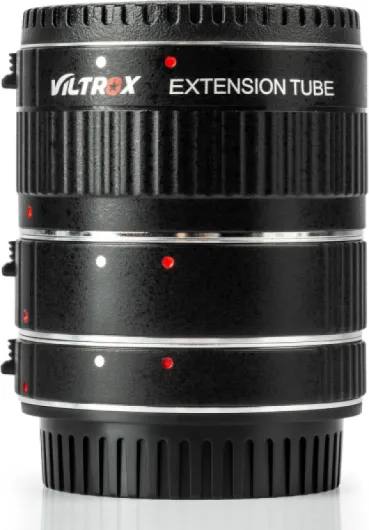
Understanding what a macro extension tube is
What Makes Macro Extension Tubes Unique?
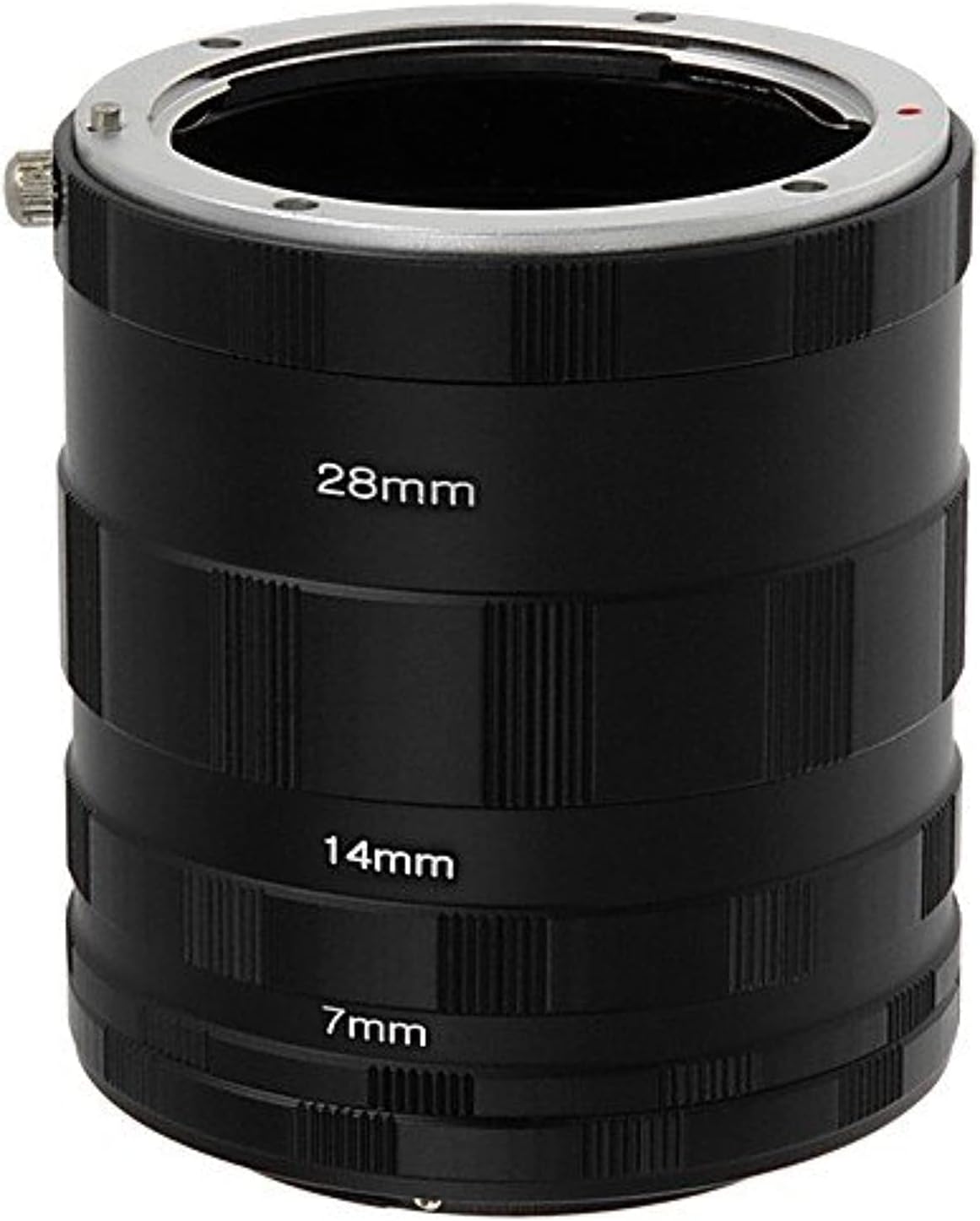
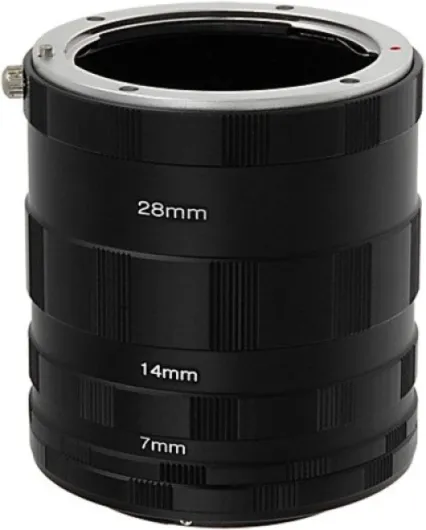
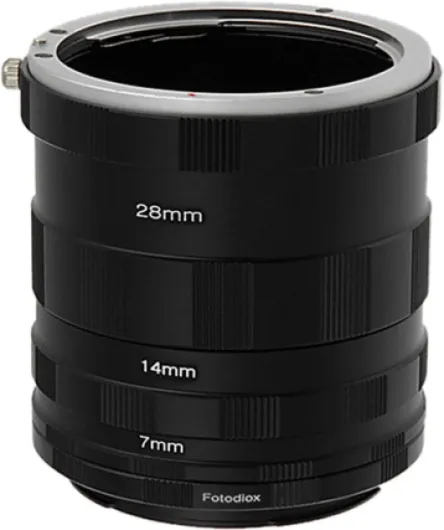
Macro extension tubes are simple yet powerful accessories designed to help photographers capture extreme close-up images. Unlike a dedicated macro lens, a tube is a hollow cylinder that fits between your camera body and lens. By increasing the distance between the lens and the camera sensor, extension tubes allow you to focus much closer to your subject, revealing details that are often invisible to the naked eye. This is especially useful for close photography of small objects, textures, or nature subjects.
How Do Extension Tubes Work?
Extension tubes do not contain optical elements. Instead, they rely on changing the physical position of your lens. When you attach a tube or a set of tubes to your camera, you effectively reduce the minimum focusing distance of your lens. This means you can get closer to your subject and achieve higher magnification, which is key for macro photography. The amount of magnification depends on the length of the extension tube and the focal length of your lens.
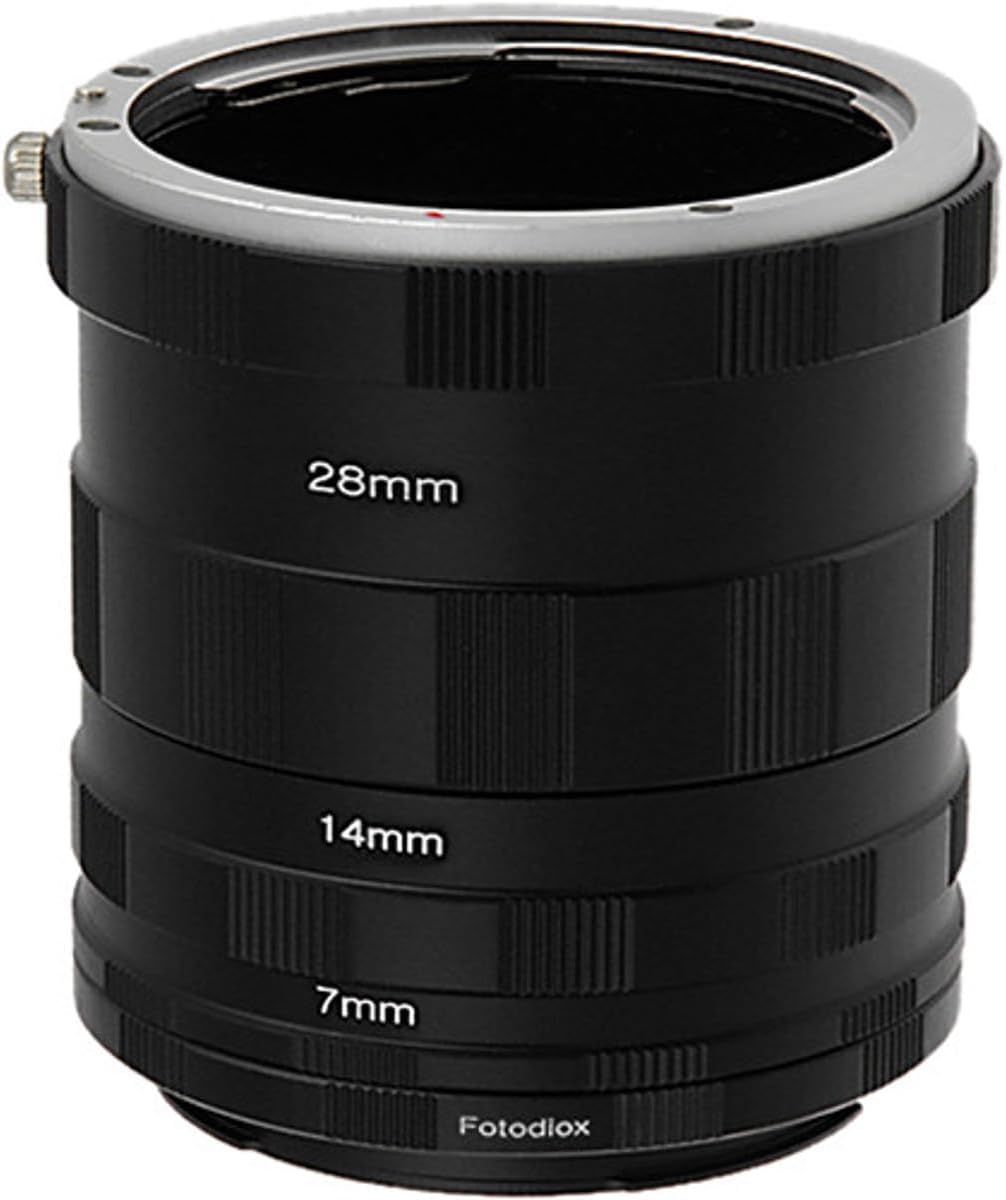
- Extension tubes are available in different lengths, often sold as a tube set for flexibility.
- They are compatible with many cameras, including Canon and Fujifilm mirrorless cameras, as long as the mount matches.
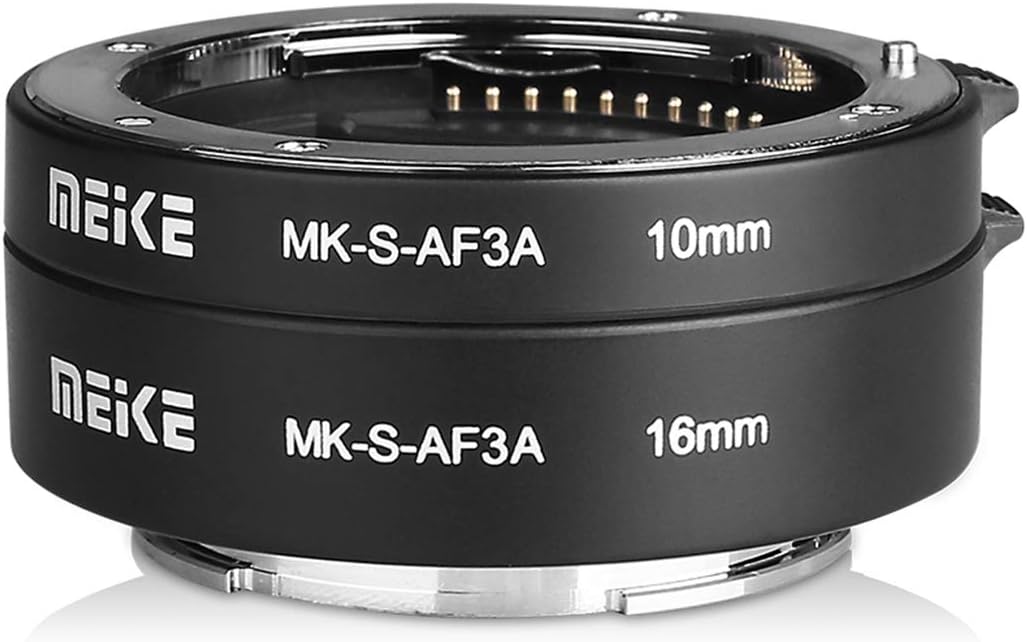
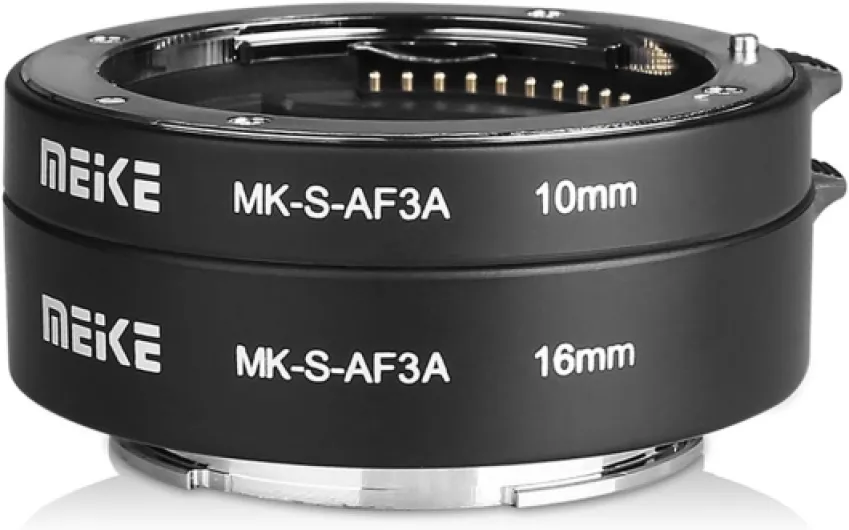
- Some tubes support auto focus and electronic communication, while others are fully manual.
Why Choose Extension Tubes Over Other Macro Gear?
One of the main reasons photographers choose extension tubes is price. Compared to dedicated macro lenses, extension tubes are a budget-friendly way to explore macro photography. They are lightweight, easy to carry, and do not require batteries chargers or additional power. Tubes can be used with a variety of lenses, making them a versatile addition to your camera accessories.
Keep in mind that while extension tubes are great for achieving extreme close shots, they may affect image quality and working distance. The choice between tubes and a macro lens depends on your photography goals and gear preferences. For those interested in learning more about how focus works in digital cameras, check out this guide on mastering autofocus in digital cameras.
- Extension tubes are available for different lens mounts, including set canon and fujifilm options.
- Look for tubes that include body caps and lens caps for protection.
- Some kits also include eye cups for comfortable shooting.

Benefits of using a macro extension tube
Why Macro Extension Tubes Elevate Your Photography
Macro extension tubes are a simple yet powerful accessory that can transform your standard lens into a tool for extreme close photography. By placing a tube between your camera body and lens, you reduce the minimum focusing distance, allowing you to capture subjects at much higher magnification. This is especially useful for those who want to explore the world of macro photography without investing in a dedicated macro lens, which can be costly.
- Affordable Entry to Macro: Extension tubes are generally more budget-friendly compared to macro lenses. Whether you shoot with Canon, Fujifilm, or other mirrorless cameras, you can find a tube set that fits your lens mount and price range.
- Preserves Image Quality: Since extension tubes have no optical elements, they do not degrade image quality. Your lens’s sharpness and color rendition remain intact, making them a reliable choice for close-up work.
- Versatile Compatibility: Most tubes are designed to work with a variety of lenses and camera bodies. You can use them with prime lenses, zooms, or even specialty gear, as long as the mount matches.
- Lightweight and Portable: Tubes are compact and easy to carry in your camera bag, alongside other accessories like lens caps, body caps, and batteries chargers. This makes them ideal for photographers who want to travel light.
- Creative Flexibility: With different tube lengths or a tube set, you can experiment with various levels of magnification. This opens up creative possibilities for extreme close shots of textures, insects, or everyday objects.
Using macro extension tubes can also help you understand the relationship between working distance, focus, and magnification. As you get closer to your subject, you’ll notice how small adjustments in focus can dramatically change your composition. For more ideas on creative techniques and camera settings, check out this guide on mastering camera settings for creative photos.
While some tubes support auto focus and electronic communication between the lens and camera, others are fully manual. Consider your gear and shooting style when choosing the right extension tubes for your needs. With the right setup, you’ll be ready to explore the fascinating world of extreme close photography.
Choosing the right macro extension tube for your camera
Factors to Consider When Picking Your Macro Extension Tube
Choosing the right macro extension tube for your camera can make a big difference in your close-up photography results. Not all tubes are created equal, and your choice will affect image quality, ease of use, and compatibility with your gear. Here are some key points to help you select the best option for your needs.
- Camera and Lens Compatibility: Make sure the extension tube matches your camera mount. For example, Canon, Fujifilm, and other brands have different mounts for their DSLR and mirrorless cameras. Always check if the tube fits your camera body and lens. Some tubes are designed specifically for certain models or lens mounts, so double-check before buying.
- Auto Focus and Electronic Contacts: Some extension tubes support auto focus and electronic communication between your camera and lens, while others are manual only. If you want to retain auto focus and aperture control, look for tubes with electronic contacts. This is especially useful for extreme close photography where precise focus is critical.
- Tube Length and Magnification: Extension tubes come in different lengths, usually measured in millimeters. The longer the tube, the closer you can focus and the higher the magnification. Many photographers use a tube set, which includes multiple tubes that can be combined for more flexibility. However, using longer or multiple tubes can reduce working distance and light, so balance your needs for magnification and practicality.
- Build Quality and Accessories: Look for tubes made from durable materials, especially if you plan to use heavy macro lenses. Some sets come with body caps, lens caps, or even extra accessories like batteries chargers or eye cups, which can be handy for macro photography sessions.
- Price and Value: Price can vary widely depending on brand, features, and build quality. Compare options and consider what features matter most for your style of photography. For example, a set Canon extension tube with auto focus will cost more than a basic manual tube, but it might be worth it for the convenience and image quality.
When building your macro photography kit, don’t forget to consider other essential accessories that can elevate your results, such as lens caps, batteries chargers, and cleaning gear. The right combination of extension tubes and accessories will help you get the most out of your camera and lenses for stunning close-up shots.
How to attach and use a macro extension tube
Attaching the Extension Tube to Your Camera
Before you start, make sure your camera is turned off and you have a clean, dust-free workspace. Remove the lens from your camera body by pressing the lens release button and twisting the lens. Take the macro extension tube and align its mount with your camera’s lens mount. Gently twist the tube into place until it clicks. Now, attach your lens to the front of the extension tube, again aligning the mounts and twisting until secure. For mirrorless cameras and DSLRs, the process is similar, but always check compatibility with your specific camera model, such as Canon or Fujifilm.
Ensuring Proper Connections and Accessories
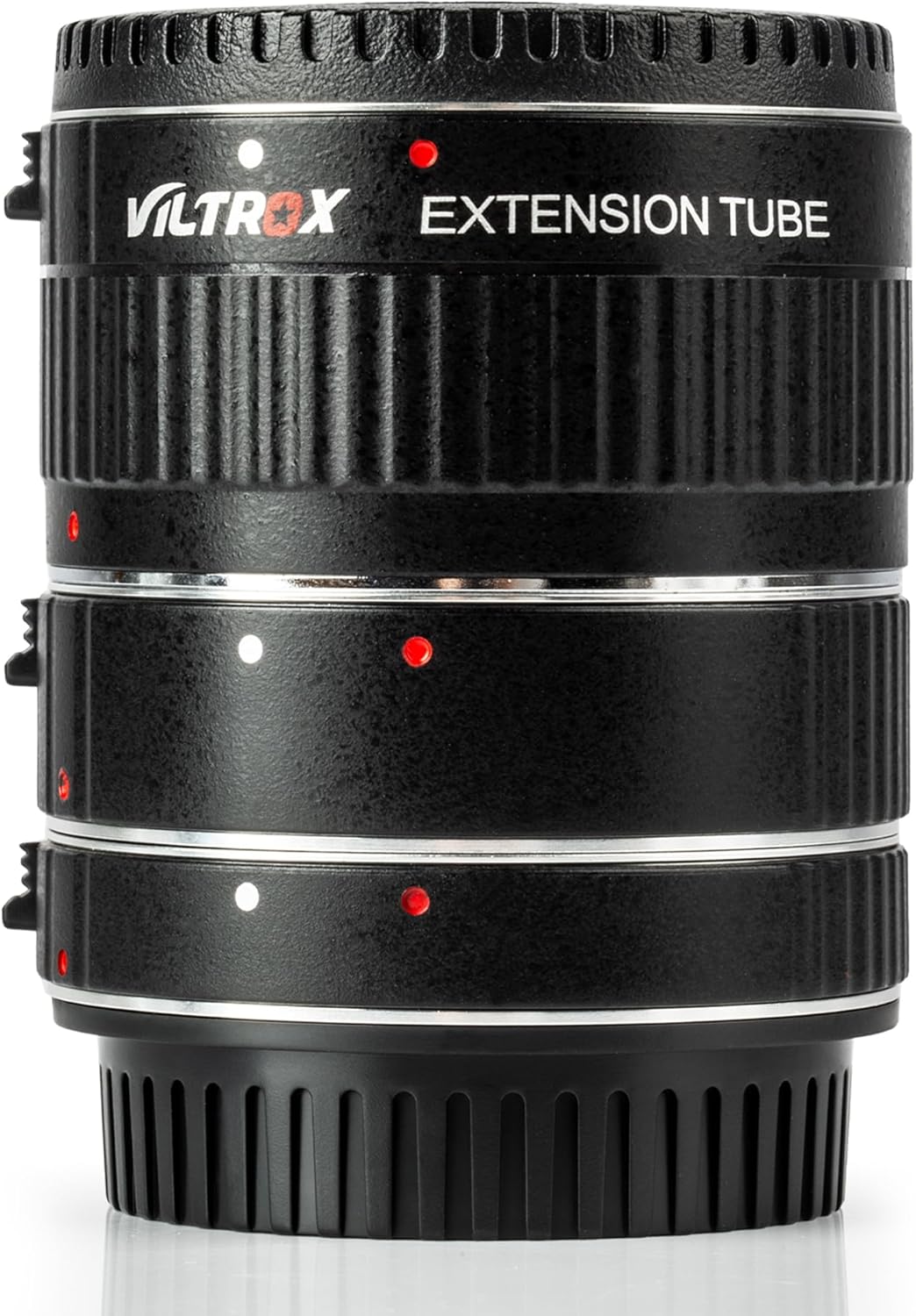
Some extension tubes come as a set with different lengths, allowing you to adjust magnification for extreme close photography. If you’re using a set, stack the tubes as needed, starting with the shortest for subtle macro effects or combining multiple tubes for more extreme magnification. Make sure all electrical contacts are clean, especially if your extension tube supports auto focus and aperture control. If your tube is manual, you’ll need to focus and adjust exposure manually.
- Always use body caps and lens caps when handling your gear to avoid dust and scratches.
- Keep spare batteries chargers handy, as macro photography sessions can drain power quickly.
- Consider using additional accessories like eye cups for comfort during long shoots.
Focusing and Adjusting for Macro Photography
Once your extension tube and lens are attached, switch your camera on. Set your camera to manual focus for the best control, as auto focus may struggle with the reduced working distance. Move your camera closer to your subject until it appears sharp in the viewfinder or on the LCD. For extreme close shots, a tripod can help stabilize your camera and improve image quality. Remember, the closer you get, the shallower your depth of field, so adjust your aperture and focus carefully for the best results.
Checking Compatibility and Price Considerations
Not all lenses and cameras work equally well with every extension tube. Double-check that your tube set matches your camera’s lens mount, especially if you use brands like Canon or Fujifilm. Some tubes are designed specifically for certain mounts, while others are more universal. Price can vary based on features like electronic contacts for auto focus, build quality, and included accessories. Investing in a reliable macro extension tube can make a big difference in your close photography experience.
Tips for successful macro photography with extension tubes
Get Closer Without Losing Focus
When using a macro extension tube, getting sharp, detailed images is all about managing focus and working distance. Because the tube sits between your lens and camera body, it lets you move your lens closer to the subject for extreme close photography. However, this also means your depth of field becomes very shallow, so even a slight movement can throw your subject out of focus. Use manual focus for better control, and consider a tripod to keep your camera steady.
Lighting Makes a Difference
Macro photography often means working with less light, especially when you add extension tubes. The lens lets in less light as you get closer, so you might need to increase your ISO or use a ring light or external flash. Watch out for shadows from your gear or lens, especially with mirrorless cameras where the lens can get very close to the subject.
Choose the Right Lens and Accessories
- Prime lenses with a moderate focal length (like 50mm or 100mm) work well with extension tubes for close photography.
- Auto focus may not always work reliably, especially with third-party tube sets or on some camera mounts. Manual focus is usually more precise for macro shots.
- Protect your gear by using body caps and lens caps when attaching or removing tubes. This helps keep dust out of your camera and extension tube set.
- Keep spare batteries chargers handy. Macro sessions can drain batteries quickly, especially if you use live view or focus peaking features.
Maximize Image Quality
To get the best image quality, stop down your lens to f/8 or f/11. This increases depth of field and sharpness, but be careful not to go too far, as diffraction can reduce detail. Use a remote shutter or the camera’s timer to avoid vibrations. If your camera or lens supports it, use focus stacking for extreme close shots with more of the subject in focus.
Experiment With Magnification and Composition
Try different extension tube lengths to see how they affect magnification. A longer tube increases magnification but reduces working distance. For creative macro photography, experiment with angles, backgrounds, and lighting. Accessories like eye cups can help block stray light, and using a macro lens with extension tubes can push your gear to capture details invisible to the naked eye.
Creative ideas for using macro extension tubes
Experiment with Unusual Subjects and Textures
Macro extension tubes open up a world of creative possibilities. Try photographing everyday objects like coins, fabric, or even water droplets. The increased magnification lets you reveal textures and patterns that are invisible to the naked eye. Using different lenses or a tube set can help you achieve various levels of detail and magnification.Play with Lighting and Shadows
Lighting is crucial in macro photography. Experiment with natural light, LED panels, or even a small flashlight to create dramatic shadows and highlights. Reflectors and diffusers are useful accessories for controlling light and reducing harsh reflections. Adjusting your camera’s position or the angle of your lens can also change how light interacts with your subject.Combine Tubes for Extreme Close-Ups
Stacking multiple extension tubes increases the distance between your lens and camera, allowing for extreme close photography. This technique is great for capturing tiny details on insects, plants, or jewelry. Just remember, the more tubes you add, the closer your focus distance becomes, and the more challenging it is to maintain image quality and focus.Try Focus Stacking for Greater Depth
Because macro extension tubes reduce your working distance and depth of field, focus stacking can help. Take several shots at different focus points and blend them in post-processing. This technique is especially useful for extreme close-ups where you want sharpness across the entire subject.Use Extension Tubes with Different Lenses
Don’t limit yourself to just one macro lens. Try using extension tubes with wide-angle or telephoto lenses to see how the perspective changes. For example, using a tube with a standard lens can give a unique look compared to a dedicated macro lens. Make sure your lens mount and extension tube are compatible, especially if you use mirrorless cameras like Fujifilm or Canon.Incorporate Everyday Accessories
Explore creative setups by combining your macro extension tube with other camera accessories. Use colored gels, body caps, or lens caps to add color or frame your subject. Even simple items like batteries chargers or eye cups can be used as props or backgrounds for your close photography projects.- Test different working distances to see how it affects magnification and composition.
- Compare price macro extension tubes and lens options to find the best gear for your needs.
- Keep your gear organized with a dedicated bag for tubes, caps, and other accessories.
Macro extension tubes are a cost-effective way to explore the world of close-up photography. With a bit of creativity and experimentation, you can capture stunning images that highlight the hidden beauty in everyday objects.