
Why the 50mm lens is a favorite for portrait photography
The Allure of the 50mm Prime
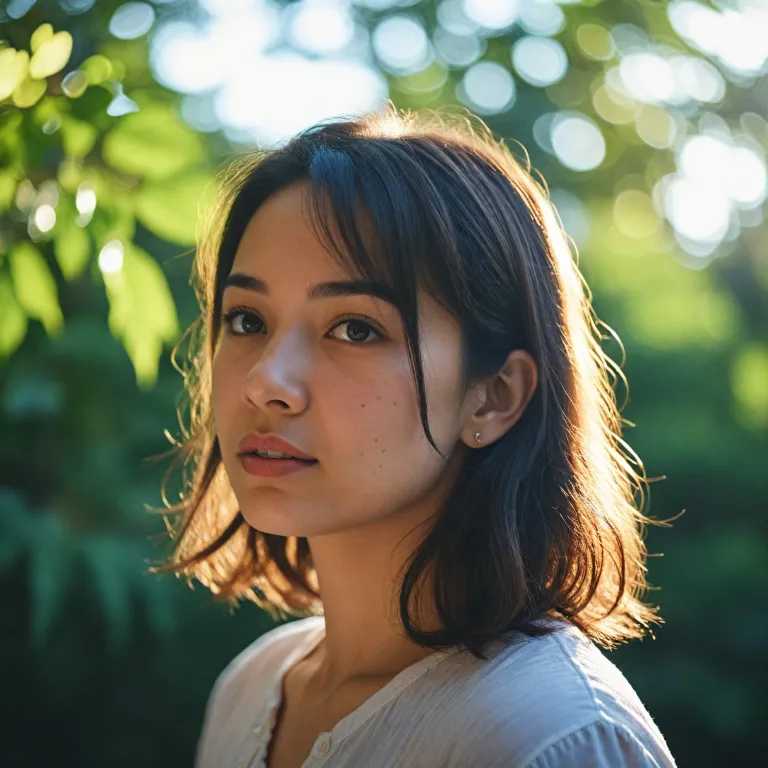
When it comes to portrait photography, many photographers reach for the 50mm lens, often called the "nifty fifty." This prime lens has earned its reputation for delivering sharp, vibrant images with a natural perspective. The 50mm focal length closely matches what the human eye sees, making it ideal for capturing authentic, lifelike portraits. Whether you're shooting with a full frame or a crop sensor camera, the 50mm lens offers versatility that suits both beginners and seasoned professionals.
Why Photographers Prefer the 50mm for Portraits
- Natural Framing: The 50mm focal length allows you to fill the frame with your subject without distortion, making it perfect for headshots and half-body portraits.
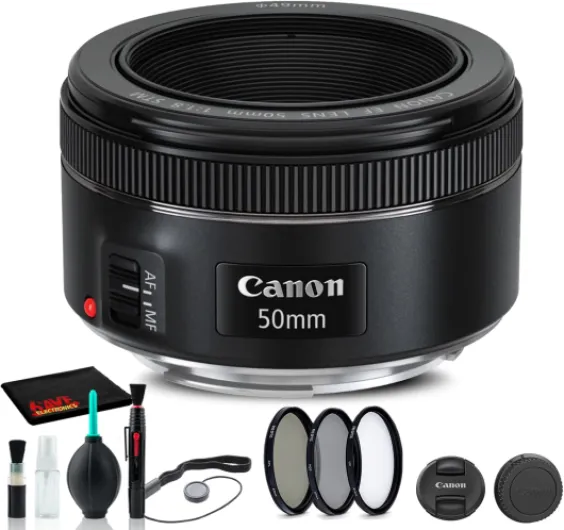
- Wide Aperture: Most 50mm lenses, including Canon STM and USM models, offer wide apertures like f/1.8 or f/1.4. This lets you shoot in low light and create beautiful background blur (bokeh), helping your subject stand out.
- Lightweight and Compact: Compared to zoom lenses, a 50mm prime lens is easy to carry, making it a favorite for street photography and on-the-go shoots.
- Excellent Build Quality: Many 50mm lenses are known for their solid construction and reliable autofocus, whether you choose an STM lens for smooth, quiet focusing or a USM version for speed.
Comparing the 50mm to Other Lenses
While kit lenses and zoom lenses offer flexibility, the 50mm prime lens delivers superior image quality and depth of field control. Working with a prime lens encourages you to move around your subject, improving your composition skills and helping you find the best angle and distance. If you're considering which lens with the right focal length is best for family portraits or individual shots, you can explore more photography tips for choosing the perfect lens for capturing family portraits.
Versatility Beyond Portraits
The 50mm lens isn't just for portraits. It's also a popular choice for street photography, thanks to its unobtrusive size and ability to handle a variety of lighting conditions. Whether you're shooting with a Canon STM, USM, or another brand, the 50mm prime lens is a reliable tool for capturing moments with clarity and style.
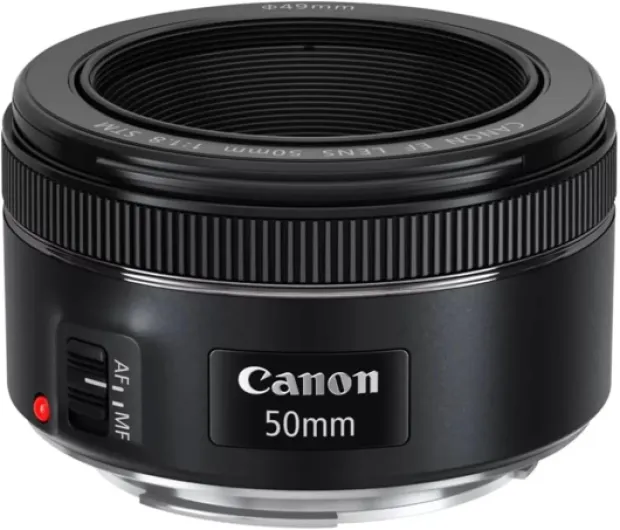
- + Compact and lightweight
- + Wide aperture f/1.8 for low light
- + Great value for money
- + Sharp image quality
- + Quiet autofocus

Choosing the right camera settings for portraits with a 50mm lens
Dialing In the Best Settings for Portraits
Getting the most out of your 50mm lens for portrait photography means understanding how to set up your camera for sharp, flattering results. Whether you’re shooting with a full frame or a crop sensor camera, the right settings can make all the difference in image quality and depth of field. Here’s what to consider when working with this classic focal length.
- Aperture: The 50mm prime lens, often called the "nifty fifty," is known for its wide maximum aperture, usually f/1.8 or f/1.4. A wide aperture lets in more light, which is great for low light situations and helps create a beautiful blurred background (bokeh) that makes your subject stand out. For most portraits, start with an aperture between f/1.8 and f/2.8 to get a shallow depth of field without losing too much sharpness.
- Shutter Speed: To avoid motion blur, use a shutter speed that’s at least 1/100s when shooting handheld. If your subject is moving, increase the shutter speed accordingly. The 50mm focal length is forgiving, but stability is key for crisp results.
- ISO: Keep ISO as low as possible to maintain image quality and reduce noise. However, don’t be afraid to raise it in low light, especially since modern cameras handle higher ISO settings well. The wide aperture of the 50mm lens helps keep ISO lower than with a typical kit lens or zoom lens.
- Focus Mode: Use single-point autofocus to ensure the camera locks onto your subject’s eyes. Many photographers prefer Canon STM or USM lenses for their fast and quiet autofocus, which is especially helpful when shooting portraits.
- White Balance: Set your white balance according to the light source. Natural light often works best, but if you’re working with artificial lighting, adjust accordingly to keep skin tones looking natural.
Prime Lens Advantages Over Kit Lenses
Prime lenses like the 50mm offer better build quality and sharper images compared to most kit lenses. The fixed focal length encourages you to move around and compose your frame more thoughtfully, which can improve your photography skills over time. If you’re considering upgrading, check out this guide on top Canon lenses for stunning portrait photography for more options.
Quick Tips for Better Results
- Fill the frame with your subject to avoid distractions and make the portrait more engaging.
- Experiment with different stroke widths of background blur by adjusting your aperture.
- Practice shooting with both natural and artificial light to see how your lens performs in various conditions.
- Don’t forget to check your focus and review your images for sharpness, especially around the eyes.
With these photography tips, you’ll be well on your way to capturing stunning portraits with your 50mm lens, whether you’re shooting street photography or classic headshots.
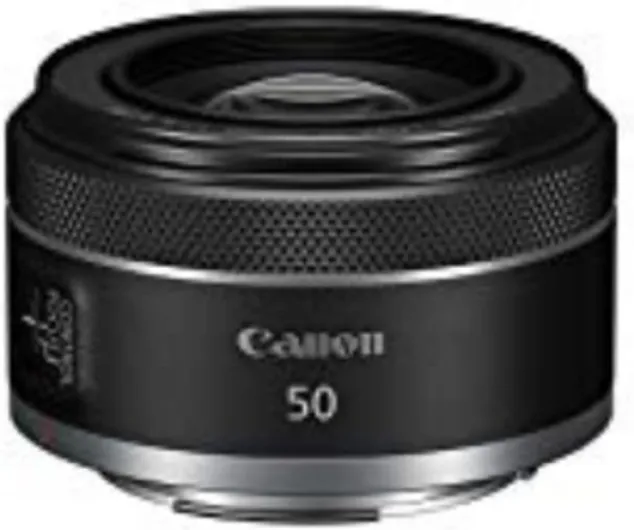
- + Great low light performance
- + Compact and lightweight design
- + High-quality images
- + Compatible with EOS R series
Composing your portrait: framing and positioning tips
Framing Your Subject for Maximum Impact
When shooting portraits with a 50mm lens, how you frame your subject can make a huge difference in the final image. The 50mm focal length is often called the "nifty fifty" for its natural perspective, which closely matches what the human eye sees. This makes it a favorite among photographers for both street photography and portrait work. But to get the most out of your lens, you need to pay close attention to composition and positioning.
- Fill the frame: Move closer to your subject to fill the frame, especially when working with a full frame camera. This helps eliminate distractions and draws attention to facial expressions and details. If you’re using a crop sensor camera, remember that the effective focal length will be longer, so you may need to step back a bit to achieve the same framing.
- Mind your background: A wide aperture on a prime lens like the Canon STM or USM 50mm allows you to blur the background, creating a pleasing depth field effect. Look for simple backgrounds or use the lens’s shallow depth of field to isolate your subject from clutter.
- Positioning: Try different angles—shoot with your subject at eye level for a classic look, or experiment with shooting from slightly above or below to add variety. The 50mm lens is versatile enough for both tight headshots and wider environmental portraits.
- Rule of thirds: Place your subject off-center using the rule of thirds for a more dynamic composition. This works well with the natural perspective of a 50mm prime lens and can add interest to your portraits.
- Watch the edges: Check the edges of your frame for unwanted elements. A kit lens or zoom lens may tempt you to crop in post, but with a prime lens, it’s best to compose carefully in-camera for the highest image quality.
Lighting and camera settings also play a big role in how your portraits turn out, but strong composition is the foundation. For those interested in live streaming or video portraits, understanding how to choose the best cameras for live streaming can further enhance your photography workflow.
Whether you’re shooting with a Canon STM, USM, or another 50mm prime, focusing on composition and framing will help you create portraits that stand out. Remember, practice is key—try different approaches and review your shots to see what works best for your style and your subject.
Mastering natural and artificial lighting for portraits
Balancing Natural and Artificial Light for Flattering Results
When shooting portraits with a 50mm lens, understanding how to work with both natural and artificial light can make a dramatic difference in your photography. The 50mm focal length is versatile, allowing you to adapt to different lighting conditions and still achieve high-quality results. Natural Light Tips- Golden Hour: Early morning or late afternoon offers soft, warm light that flatters skin tones and reduces harsh shadows. This is ideal for outdoor portrait photography.
- Window Light: Indoors, position your subject near a large window. The diffused light creates a gentle stroke across the face, enhancing depth and texture without overwhelming the frame.
- Backlighting: Shooting with the sun behind your subject can create a beautiful halo effect. Use a wide aperture (like f/1.8 or f/1.4) to fill the frame with soft background blur and keep your subject in sharp focus.
- Continuous Lights: LED panels or softboxes give you control over the direction and intensity of light. Adjust the stroke width of the light to avoid harsh shadows and maintain a natural look.
- Flash Photography: A speedlight or external flash can help in low light situations. Bounce the flash off a ceiling or wall to soften the effect and avoid direct, unflattering light on your subject.
- Mixing Light Sources: Combine natural and artificial light for creative effects. For example, use a reflector to bounce sunlight onto your subject while filling in shadows with a small LED light.
- Aperture: The wide maximum aperture of most 50mm prime lenses (like Canon STM or USM models) allows you to shoot with a shallow depth of field, making your subject stand out even in low light.
- Full Frame vs Crop Sensor: On a full frame camera, the 50mm lens gives a natural perspective. On a crop sensor, it acts more like a short telephoto, which can help compress the background and isolate your subject.
- Build Quality: Prime lenses like the nifty fifty are known for their sharpness and quality, even when shooting wide open. This is especially useful when working with challenging lighting conditions.
Creative techniques to make your portraits stand out
Experiment with Depth of Field
One of the biggest advantages of shooting with a 50mm prime lens is the ability to control depth of field. With a wide aperture, such as f/1.8 or f/1.4, you can blur the background and make your subject stand out. This technique is popular in portrait photography because it draws attention to the eyes and facial expressions. Try adjusting your aperture to see how the background changes. On a full frame camera, the effect is even more pronounced, but even on a crop sensor, you can achieve beautiful background blur.
Play with Framing and Composition
Don’t be afraid to fill the frame with your subject. The 50mm focal length is versatile, allowing you to get close without distortion. Move around your subject, try different angles, and experiment with negative space. Sometimes, a tighter crop can add drama, while a wider frame can tell more of the story. Remember, you don’t need a zoom lens to create variety—your feet are your zoom when working with a prime lens.
Use Light Creatively
Lighting can transform a simple portrait into something striking. Natural light is often flattering, especially during golden hour. If you’re shooting indoors or in low light, the wide aperture of a 50mm lens lets in more light, helping you maintain image quality without raising ISO too high. Try positioning your subject near a window or experiment with artificial light sources. Adjusting the direction and quality of light can add mood and depth to your images.
Try Unconventional Angles and Perspectives
Most photographers shoot portraits at eye level, but changing your perspective can make your images stand out. Shoot from above for a softer look, or from below for a more powerful presence. You can also experiment with reflections, shooting through objects, or using foreground elements to frame your subject. These photography tips help add layers and interest to your portraits.
Incorporate Motion and Interaction
Portraits don’t always have to be static. Ask your subject to move, laugh, or interact with their environment. Capturing genuine moments adds life to your images. With the fast autofocus of many modern lenses, such as Canon STM or USM models, you can keep up with spontaneous moments. Don’t be afraid to shoot with a wider aperture to freeze motion in low light or use a slower shutter speed for creative blur effects.
- Use the lens’s build quality to your advantage—prime lenses are often lighter and less intimidating for your subject.
- Experiment with different stroke widths and aperture settings to see how they affect the overall look of your portrait.
- Try shooting with both kit lens and prime lens setups to compare results and find your preferred style.
Common mistakes to avoid when shooting portraits with a 50mm lens
Overfilling or Underfilling the Frame
Many photographers make the mistake of either filling the frame too much with the subject or leaving too much empty space. With a 50mm lens, especially on a full frame camera, it’s easy to misjudge the distance. If you fill the frame too tightly, you might cut off important features or make the portrait feel cramped. Too much space, on the other hand, can distract from the subject. Always check your composition before you shoot and adjust your distance to the subject accordingly.Ignoring Depth of Field Control
A common error when shooting with a prime lens like the nifty fifty is using the widest aperture without considering the depth of field. While a wide aperture (like f/1.8) creates beautiful background blur, it can also result in parts of your subject being out of focus, especially the eyes. Make sure to focus carefully and consider stopping down the aperture slightly for sharper results.Relying Solely on Autofocus
Autofocus systems on lenses such as Canon STM or USM are fast, but they’re not perfect. In low light or with moving subjects, autofocus can miss the mark. Don’t hesitate to switch to manual focus if you notice the camera struggling, especially when working with shallow depth of field.Overlooking Lighting Conditions
Even the best lens can’t compensate for poor lighting. Shooting portraits in harsh midday sun or dim indoor settings without adjusting your camera settings can lead to unflattering results. Use natural light to your advantage, or supplement with artificial lighting when needed. Pay attention to how light falls on your subject’s face and adjust your position or the subject’s pose to get the best effect.Neglecting Lens Quality and Maintenance
Some photographers overlook the impact of lens build quality and cleanliness. Dust, smudges, or scratches on your lens can reduce image quality. Regularly clean your lens with a microfiber cloth and check for any issues. Also, be aware that not all 50mm lenses are created equal—kit lens versions may not offer the same sharpness or low light performance as higher-end prime lenses.Using the Wrong Focal Length for the Sensor
If you’re using a crop sensor camera, the effective focal length of your 50mm lens will be longer, making it closer to 75mm or 80mm. This changes your framing and can make it harder to shoot in tight spaces. Always consider your camera’s sensor size when planning your shoot with a 50mm lens.- Double-check your focus, especially at wide apertures
- Be mindful of your background and how it interacts with your subject
- Experiment with different distances and angles to avoid repetitive shots
By being aware of these common mistakes, you can improve your portrait photography and make the most of your 50mm lens, whether you’re shooting with a Canon STM, USM, or another prime lens.