

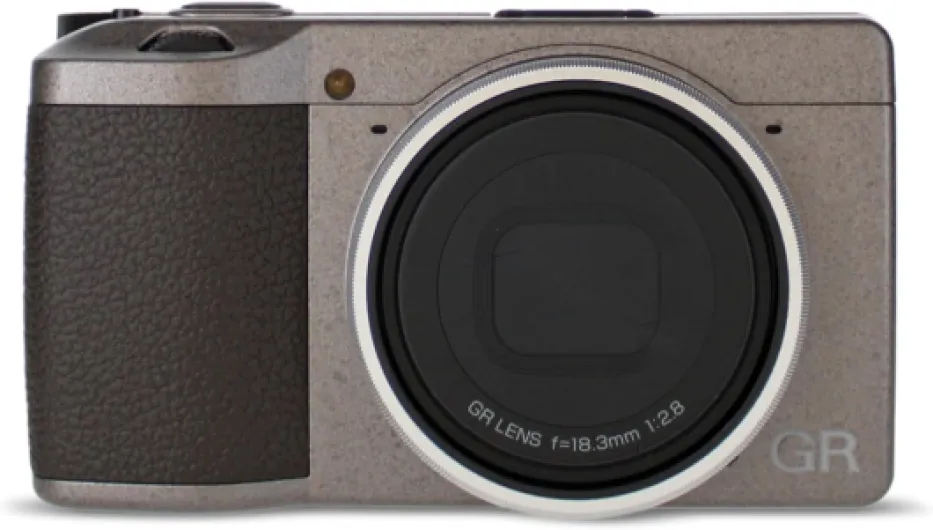
Understanding the ricoh gr iii hdf sensor and image quality
How the Sensor and HDF Filter Shape Image Quality
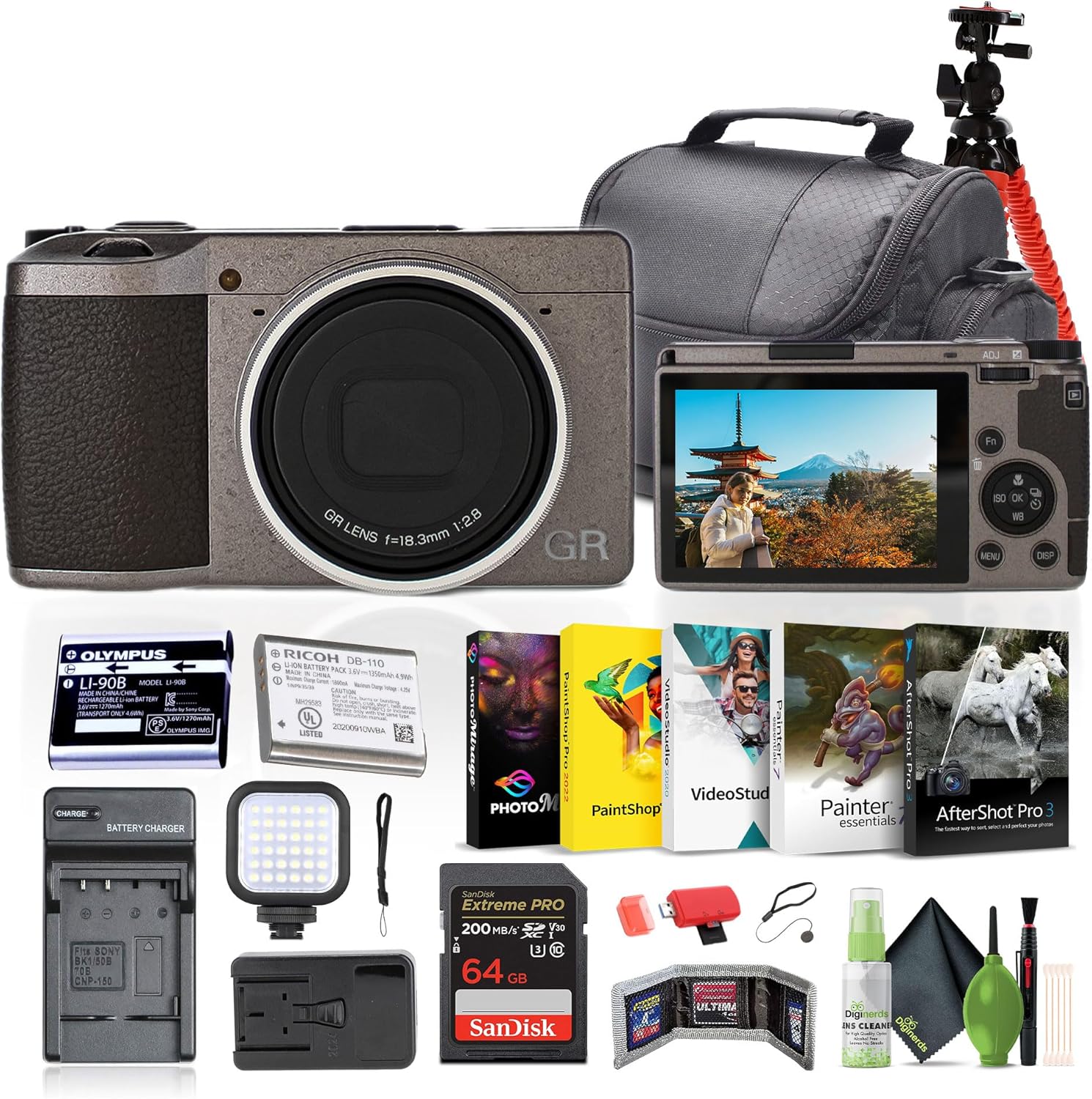
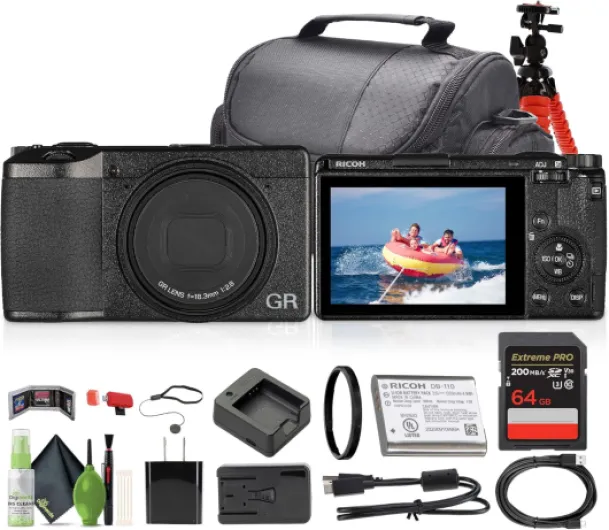
The Ricoh GR III HDF stands out in the world of digital cameras, especially for street photographers who demand both high image quality and portability. At its core, the camera features a large APS-C image sensor, which is a significant advantage over many compact cameras. This sensor captures more light and detail, resulting in high resolution images with impressive dynamic range. The recorded pixels are crisp, and the sensor’s performance at higher ISO settings is reliable, minimizing noise even in low-light shooting.
One of the unique features of the Ricoh GR III HDF is its Highlight Diffusion Filter (HDF). This built-in diffusion filter softens highlights and creates a subtle, film-like glow in images, which many users find appealing for street photography. The HDF filter can be toggled on or off, giving photographers flexibility to choose the look that best fits the scene. Feedback from verified purchase reviews often highlights how the HDF adds a creative touch without sacrificing sharpness or overall image quality.
- Lens and Focal Length: The fixed 28mm equivalent lens is a favorite among street photographers for its natural perspective and versatility. The lens delivers sharp images edge-to-edge, and the wide aperture allows for creative control over depth of field.
- White Balance and Color: The camera’s white balance system is accurate, producing natural colors straight out of the camera. Combined with the sensor’s color science, this ensures images look vibrant and true to life.
- Firmware and Customization: Ricoh regularly updates the GR III HDF with the latest firmware, improving performance and adding features. Some enhancements require firmware updates, so it’s worth checking for the latest version after purchase.
Comparing the Ricoh GR III HDF to models like the Ricoh GR II, Ricoh GR IIIx, and Ricoh GR IIIx HDF, the sensor and HDF filter combination is a key differentiator. While the GR IIIx offers a different focal length, the core image quality and highlight diffusion remain consistent, making the GR III HDF a strong choice for those prioritizing classic street photography aesthetics.
For those interested in the technical aspects of image sensors and how they impact photography, you can learn more about understanding sensor size and its effect on image quality.
In the next section, we’ll explore how the camera’s compact design and battery life make it ideal for capturing spontaneous moments on the go.

Portability and design: capturing moments on the go
Effortless Carry and Discreet Shooting
One of the main reasons street photographers gravitate toward the Ricoh GR III HDF is its compact, lightweight design. The camera fits easily into a jacket pocket or small bag, making it ideal for spontaneous shooting. Its understated look helps photographers blend into the crowd, reducing the chance of drawing attention when capturing candid moments. This portability is a significant advantage over bulkier digital cameras, especially when compared to models like the Canon EOS series.
Design Details That Matter
The Ricoh GR III HDF features a fixed 28mm equivalent focal length lens, which is well-suited for street photography. The high-quality lens, combined with the camera’s APS-C image sensor, delivers sharp, high-resolution images. The inclusion of the HDF (Highlight Diffusion Filter) adds a unique touch, softening highlights and giving photos a subtle, film-like quality. This filter can be toggled on or off, offering flexibility depending on the shooting situation.
- Weight and Size: The camera weighs just over 250 grams, making it one of the lightest in its class.
- Grip and Handling: The textured grip and intuitive button layout support one-handed operation, which is essential for quick, on-the-go shooting.
- Battery Life: While the battery is compact, it provides enough power for a day of casual shooting. Carrying a spare is recommended for extended sessions.
Real-World Feedback and Practical Use
Verified purchase feedback often highlights the Ricoh GR III HDF’s ease of use and reliability in fast-paced environments. Users appreciate the camera’s quick startup and responsive controls, which are crucial for capturing fleeting moments. The high ISO performance and customizable white balance settings help maintain image quality in varying lighting conditions.
For those interested in exploring creative photography techniques, the Ricoh GR III HDF pairs well with the latest firmware updates, which unlock additional features and improve overall performance. If you’re curious about alternative approaches to street photography, you might enjoy exploring the art of pinhole camera photography for a different perspective.
| Feature | Ricoh GR III HDF | Ricoh GR IIIx HDF |
|---|---|---|
| Focal Length | 28mm equivalent | 40mm equivalent |
| HDF Filter | Yes (toggle) | Yes (toggle) |
| Weight | ~257g | ~262g |
| Sensor | APS-C | APS-C |
Autofocus and shooting speed in real-life situations
Real-World Performance: Focusing and Speed on the Streets
Street photography often demands quick reactions and reliable performance from your camera. The Ricoh GR III HDF is designed to keep up with these fast-paced moments. Its autofocus system is responsive, locking onto subjects with impressive speed and accuracy. This is especially useful when you need to capture fleeting expressions or spontaneous street scenes.
- Autofocus reliability: The camera’s hybrid autofocus combines phase detection and contrast detection, resulting in faster and more precise focusing compared to many other compact digital cameras. This is a noticeable improvement over previous models like the Ricoh GR II and Ricoh GR IIix.
- Shooting speed: With a rapid shutter response and minimal lag, the GR III HDF allows you to shoot multiple frames quickly. This is crucial for street photographers who want to capture the decisive moment without missing a beat.
- High ISO performance: The image sensor handles high ISO settings well, maintaining image quality even in low-light conditions. Combined with the highlight diffusion (HDF) filter, you get a unique look to your images while preserving detail and minimizing noise.
- Battery life: While the battery is compact to match the camera’s portable design, it’s advisable to carry a spare for extended shooting sessions. Verified purchase feedback often mentions the importance of this for all-day street outings.
Another practical aspect is the camera’s customizable controls, which let you quickly adjust ISO, white balance, and focal length settings on the fly. This flexibility is especially valuable when lighting conditions change rapidly, such as moving from bright sunlight to shaded alleys.
For those interested in capturing night scenes or working in challenging lighting, the Ricoh GR III HDF’s high-resolution sensor and fast lens provide a solid foundation. If you want to dive deeper into optimizing your camera for night photography, check out this guide on choosing the ideal camera for capturing night scenes.
Overall, the Ricoh GR III HDF stands out for its quick autofocus, reliable shooting speed, and the creative possibilities offered by its HDF filter. These features make it a strong contender for anyone serious about street photography, especially when compared to other compact options like the Canon EOS series or the Ricoh GR IIix HDF.
User interface and customization options
Intuitive Controls and Customization for Fast Shooting
The Ricoh GR III HDF stands out for its user interface, which is designed to keep street photographers focused on the moment. The camera’s menu system is straightforward, allowing quick access to essential settings like ISO, white balance, and image quality. This is especially helpful when lighting conditions change rapidly, as is often the case in urban environments.
One of the key strengths of the Ricoh GR III HDF is its customizable controls. You can assign your most-used functions—such as switching the HDF (Highlight Diffusion Filter) on or off, adjusting the focal length, or changing the recorded pixels size—to dedicated buttons. This means less time navigating menus and more time capturing high-quality images.
Personalized Shooting Experience
- Customizable Fn Button: Assign quick actions like ISO adjustment or activating the HDF filter for instant access.
- Touchscreen Interface: The responsive touchscreen makes it easy to set focus points and review images on the go.
- My Settings Modes: Save your preferred shooting setups, including lens settings and image sensor configurations, for different scenarios.
- Firmware Updates: Ricoh regularly releases firmware required for new features and improved performance, so keeping your camera updated ensures you benefit from the latest enhancements.
Feedback from verified purchase users highlights the value of these customization options, especially when compared to other digital cameras like the Ricoh IIix HDF or even models from the Canon EOS series. The ability to adapt the camera to your shooting style—whether you prioritize high resolution, battery life, or fast shutter speed—makes the Ricoh GR III HDF a flexible tool for street photography.
For those considering a purchase, it’s worth checking that your seller provides the latest firmware and verified accessories to maximize your experience. The Ricoh GR III HDF’s user interface and customization features are a significant part of what makes it a top choice for photographers who demand both quality and efficiency in their workflow.
Comparing the ricoh gr iii hdf to other compact cameras
How the Ricoh GR III HDF Stacks Up Against Other Compacts
When considering a digital camera for street photography, the Ricoh GR III HDF often comes up in comparison with other compact models like the Ricoh GR IIIx, Ricoh GR IIIx HDF, and even alternatives from brands such as Canon. Here’s a closer look at how the GR III HDF stands out in real-world use, especially for those prioritizing image quality, portability, and shooting flexibility.
- Image Sensor and Quality: The Ricoh GR III HDF features a high-resolution APS-C sensor, delivering impressive recorded pixels and sharp images. Compared to the Ricoh GR IIIx and IIIx HDF, the GR III HDF maintains a similar sensor size but offers the unique highlight diffusion (HDF) filter, which softens highlights for a distinct look. Canon EOS compact models, while reliable, often use smaller sensors, which can impact image quality in low-light situations and limit dynamic range.
- Lens and Focal Length: The GR III HDF uses a fixed 28mm equivalent lens, a classic focal length for street photography. The GR IIIx and IIIx HDF offer a 40mm equivalent, which some users prefer for tighter framing. Both Ricoh models are praised for their sharp optics and minimal distortion. Feedback from verified purchase reviews often highlights the GR III HDF’s lens as delivering high clarity and natural color rendering.
- Portability and Battery: Ricoh’s compact cameras are known for their slim, lightweight design, making them easy to carry for spontaneous shooting. The GR III HDF is no exception, fitting comfortably in a pocket. Battery life is comparable across the Ricoh line, though some users note that carrying a spare is wise for longer outings.
- Autofocus and Shooting Speed: The GR III HDF’s autofocus system is fast and reliable for street scenarios, matching the performance of the GR IIIx and IIIx HDF. Canon EOS compacts may offer more advanced autofocus tracking, but the Ricoh’s speed and accuracy are more than sufficient for most street photographers.
- Customization and Firmware: Ricoh cameras, including the GR III HDF, offer deep customization options and regular firmware updates. The latest firmware is often required to unlock new features or improve performance. This flexibility is a major advantage over some competing digital cameras, which may offer fewer user-adjustable settings.
| Camera | Sensor Size | Lens (Focal Length) | Special Feature | ISO Range | Weight |
|---|---|---|---|---|---|
| Ricoh GR III HDF | APS-C | 28mm eq. | Highlight Diffusion Filter | 100-102400 | ~257g |
| Ricoh GR IIIx HDF | APS-C | 40mm eq. | Highlight Diffusion Filter | 100-102400 | ~262g |
| Canon EOS M200 | APS-C | Interchangeable | Touchscreen, Interchangeable Lenses | 100-25600 | ~299g |
Feedback from verified sellers and users consistently points to the Ricoh GR III HDF’s unique HDF filter as a key differentiator. The filter adds a creative touch to images, especially in high-contrast scenes, without sacrificing the high resolution and quality expected from Ricoh’s image sensor technology. For those seeking a camera that balances portability, image quality, and creative flexibility, the GR III HDF is a compelling choice among digital cameras in its class.
Tips for getting the most out of the ricoh gr iii hdf
Maximizing the HDF Filter for Unique Street Shots
The highlight diffusion (HDF) filter is a standout feature of the Ricoh GR III HDF and GR IIIX HDF models. To get the most from this, experiment with different lighting conditions. The HDF filter softens highlights, giving images a cinematic, atmospheric look. Try shooting during golden hour or in scenes with strong light sources to see how the diffusion filter affects the mood and texture of your photos. Remember, the HDF effect is subtle but can make a big difference in image quality, especially for street photography where ambiance matters.
Fine-Tuning Exposure and White Balance
Street scenes can change quickly, so mastering exposure and white balance is crucial. Use the camera’s manual controls to adjust ISO, shutter speed, and white balance on the fly. The Ricoh GR III HDF sensor delivers high resolution and impressive dynamic range, but you’ll get the best results by keeping ISO as low as possible for clean images. For night shooting, don’t hesitate to push ISO higher, as the image sensor handles noise well. Custom white balance settings help maintain accurate colors under mixed lighting, a common challenge in urban environments.
Customizing Controls for Fast Shooting
One of the Ricoh GR III HDF’s strengths is its customizable user interface. Assign frequently used functions—like ISO, focus mode, or the HDF filter toggle—to the camera’s customizable buttons. This lets you react quickly to fleeting moments. The firmware required for the latest features is easy to update, so always check for updates from the official Ricoh site or your verified seller to ensure your camera is running the latest firmware. Feedback from verified purchase users often highlights how much faster shooting becomes with personalized controls.
Optimizing Battery Life and Storage
Street photographers often spend hours on the move. The Ricoh GR III HDF’s battery is decent, but carrying a spare is recommended. Use power-saving settings and turn off features like Wi-Fi when not needed. Shooting in RAW maximizes image quality and allows more flexibility in post-processing, but it fills up memory cards quickly. Always have extra storage on hand, especially if you’re capturing high resolution images at the maximum recorded pixels setting.
Choosing the Right Focal Length
The Ricoh GR III HDF and Ricoh GR IIIX HDF offer different focal lengths, with the III featuring a classic 28mm lens and the IIIX/IIIX HDF a 40mm equivalent. The 28mm is great for wide street scenes, while the 40mm brings you closer to your subject for more intimate shots. If you’re unsure which to choose, consider your shooting style and review feedback from verified purchase users. Both lenses deliver high image quality, but the choice of focal length can shape your street photography approach.
Regular Maintenance and Firmware Updates
To keep your Ricoh camera performing at its best, clean the lens and sensor regularly. Dust can affect image quality, especially at high resolutions. Always check for the latest firmware, as Ricoh frequently releases updates that improve autofocus, shooting speed, and overall camera performance. Firmware updates are straightforward and can be found on Ricoh’s official support page or through your verified seller.
- Use the HDF filter creatively for unique highlight diffusion effects
- Customize controls for faster, more intuitive shooting
- Keep your camera updated with the latest firmware for best results
- Choose the focal length that matches your vision—28mm for wide, 40mm for tighter scenes
- Carry extra batteries and storage for uninterrupted shooting