


Understanding the challenges of concert photography
Concerts: A Unique Challenge for Photographers
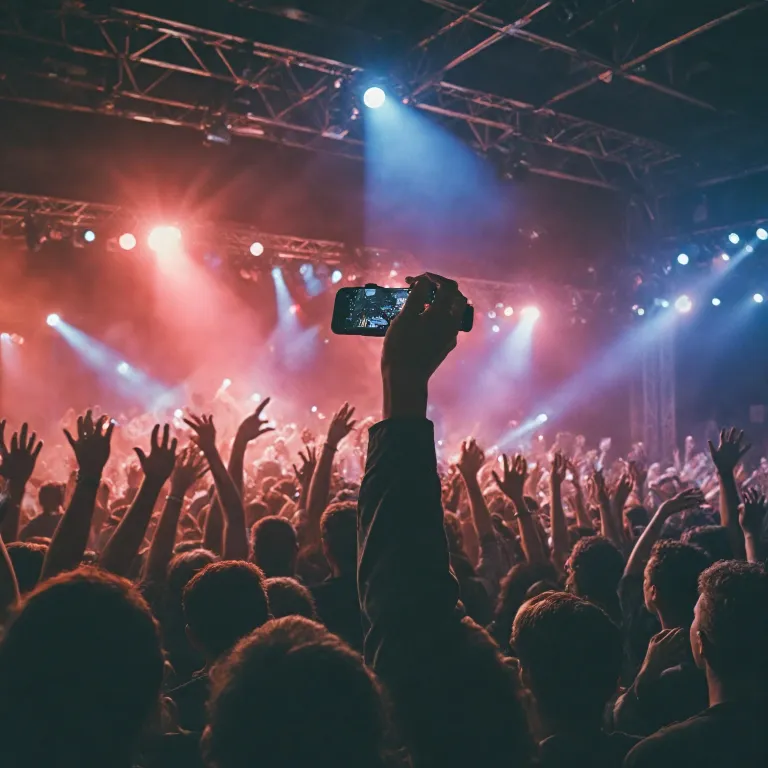
Capturing live music events is a thrilling but demanding experience for any photographer. Concert photography often means working in unpredictable lighting, fast-moving subjects, and crowded spaces. The stage lighting can shift from bright spotlights to deep shadows in seconds, making it tough to get consistently sharp and well-exposed images. For many, the challenge is part of the appeal, but it also means your camera and lens choices are critical.
Lighting Conditions and Their Impact
One of the biggest hurdles in concert photography is the low light environment. Smaller venues can be especially tricky, with dim lighting and colored stage effects that test the limits of your camera’s sensor. Excellent low light performance is essential, as is a camera with a high ISO range and minimal noise at those settings. Cameras with a full frame sensor tend to perform better in these situations, offering greater dynamic range and detail retention. If you want to dive deeper into how lenses can help in these conditions, check out this guide on exploring low light photography with the Canon RF 18-45mm lens.
Fast Action and Unpredictable Moments
Live music is all about movement. Musicians jump, dance, and interact with the crowd, so your camera’s autofocus system needs to be fast and accurate. Performance autofocus is a must for tracking subjects in changing light. A fast lens with a wide aperture (like f/2.8 or wider) lets in more light and helps you freeze action, making it ideal for concert photographers aiming for sharp, vibrant shots.
- High ISO capability for low light performance
- Excellent autofocus for moving subjects
- Wide aperture lenses for more light and creative effects
- Body stabilization to reduce blur from handheld shooting
- Reliable memory cards to handle bursts of images and video
Whether you’re shooting in large arenas or smaller venues, the right gear can make all the difference. The next sections will cover which features to prioritize in a camera, the best cameras for concerts, and practical tips to help you get the most out of your live music photography sessions.

Key features to look for in a concert camera
Essential Camera Features for Concert Shooters
Concert photography is a demanding field, and not every camera is up to the task. The right features can make a huge difference when you’re shooting in low light, dealing with fast-moving musicians, and trying to capture the energy of live music. Here’s what concert photographers should look for when choosing the best cameras for concerts:
- Excellent Low-Light Performance: Concert venues are notorious for challenging lighting. A camera with a high ISO range and low noise at high ISO settings is crucial. Full frame sensor cameras generally perform better in these conditions, offering superior dynamic range and light performance. For more on this, check out this guide on choosing the ideal camera for capturing night scenes.
- Fast and Accurate Autofocus: Musicians move quickly on stage, and lighting changes constantly. Performance autofocus systems help you lock onto subjects even in low light, making ideal shots possible during unpredictable moments.
- Fast Lenses: A camera is only as good as its lens. Look for lenses with wide apertures (f/2.8 or wider) to let in more light and create great background separation. This is especially important in smaller venues where lighting can be even more limited.
- Body Stabilization: In-body image stabilization helps reduce blur from camera shake, especially when shooting handheld at slower shutter speeds. This is a big advantage for concert photographers who often can’t use tripods.
- High Burst Rate: Live music is full of action. Cameras with high frames per second (FPS) allow you to shoot rapid sequences and choose the best moment later.
- Video Capabilities: Many concert photographers also shoot video. Look for cameras that offer excellent video quality, fast autofocus in video mode, and good low-light performance.
- Durability and Ergonomics: Concerts can be chaotic. A camera with a solid build, weather sealing, and a comfortable grip will serve you well. Don’t forget a reliable wrist strap for extra security in crowded environments.
- Dual Memory Card Slots: Shooting RAW files and video eats up storage quickly. Dual slots let you back up your work instantly, reducing the risk of losing important shots.
Brands like Nikon, Sony, and Canon offer excellent options for concert photographers, with models that balance speed, low light performance, and durability. The best cameras for concert photography are those that combine these features, making them great tools for capturing the energy and emotion of live music events.
Top camera types for live music events
Mirrorless vs DSLR: Which Suits Concerts Best?
When it comes to concert photography, choosing between mirrorless and DSLR cameras is a key decision. Both types offer excellent performance, but there are differences that matter for live music events. Mirrorless cameras are generally lighter and more compact, making them easier to handle in crowded venues or when shooting for long periods. They also tend to have faster and more accurate autofocus systems, which is crucial for capturing fast-moving performers on stage. DSLRs, on the other hand, are known for their robust build and excellent battery life, which can be a plus for all-night gigs.
Full Frame or APS-C: Sensor Size Matters
Sensor size plays a big role in low light performance and image quality. Full frame sensors capture more light, resulting in better dynamic range and less noise at high ISO settings. This is especially important in dimly lit concert halls or smaller venues. APS-C cameras can still deliver great results, especially with a fast lens, but full frame models are often preferred by concert photographers for their excellent low light capabilities.
Other Camera Types for Live Music
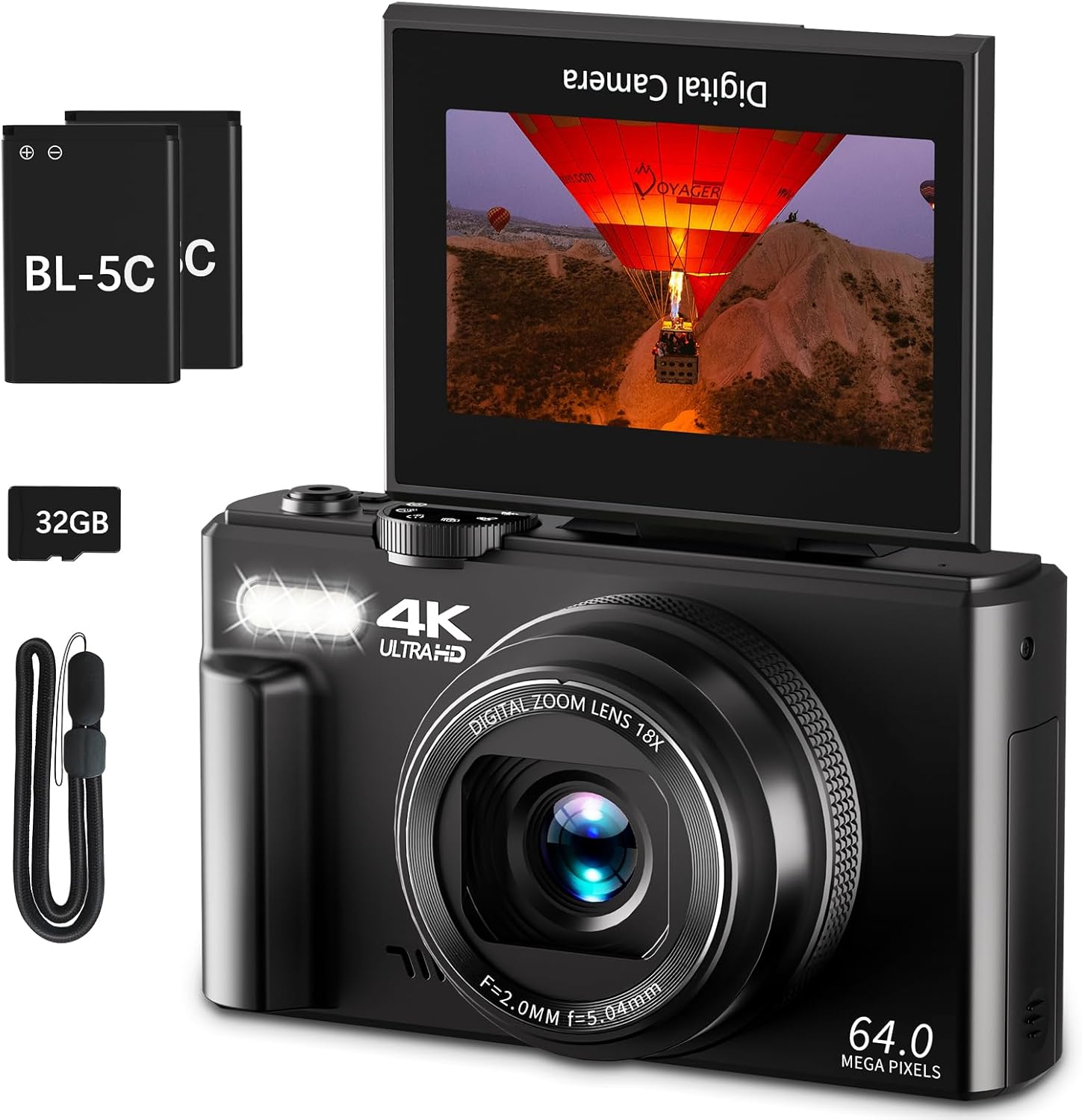
- Compact Cameras: Some high-end compacts offer fast autofocus and good low light performance, making them ideal for photographers who need to travel light or shoot discreetly.
- Bridge Cameras: These offer long zoom ranges and are easy to use, but may struggle in very low light compared to larger sensor cameras.
- Action Cameras: While not traditional for concert photography, they can be useful for capturing unique angles or video footage, especially when mounted with a wrist strap.
Key Features to Consider
- Autofocus Performance: Fast and reliable autofocus is essential for capturing sharp images of moving artists.
- Body Stabilization: In-body stabilization helps reduce blur from camera shake, especially in low light situations.
- High ISO Capability: The ability to shoot at high ISO without excessive noise is a must for concert photographers.
- Memory Cards: Fast and high-capacity cards are important for shooting bursts or recording video during live music events.
For those interested in a compact yet powerful option, the Ricoh GR III HDF stands out for its portability and image quality, making it a great choice for smaller venues or when you want to travel light. Ultimately, the best cameras for concert photography are those that balance excellent low light performance, fast autofocus, and ease of use, allowing you to focus on capturing the energy and emotion of live music.
Low-light performance: why it matters
Why Low-Light Capabilities Define Concert Cameras
Concert photography is all about capturing the energy and emotion of live music events, but the lighting conditions can be a real challenge. Stages often have dramatic, shifting lights, and smaller venues may offer even less illumination. This makes low-light performance one of the most critical factors when choosing the best cameras for concerts.
What Makes a Camera Excel in Low Light?
- Full frame sensor: Cameras with a full frame sensor gather more light, delivering excellent low-light results and better dynamic range. This helps concert photographers capture both the bright stage lights and the deep shadows without losing detail.
- High ISO performance: A camera that handles high ISO settings with minimal noise is a must. This allows photographers to shoot at faster shutter speeds, freezing action even in dim conditions.
- Fast lenses: Pairing your camera with a fast lens (wide maximum aperture, like f/1.8 or f/2.8) lets in more light, making ideal combinations for low-light concert photography.
- Performance autofocus: Excellent autofocus in low light ensures you don’t miss key moments, especially when musicians move quickly across the stage.
- Body stabilization: In-body image stabilization helps reduce blur from camera shake, which is especially useful when shooting handheld in dark environments.
Why Dynamic Range and Autofocus Matter
Dynamic range is the camera’s ability to capture details in both the brightest and darkest parts of a scene. In concert photography, where stage lighting can be harsh and unpredictable, a camera with great dynamic range helps preserve the mood and atmosphere of the performance. Fast and accurate autofocus is equally important, as musicians rarely stay still. Cameras with advanced autofocus systems are better at locking onto subjects in low light, making them a top choice for concert photographers.
Other Practical Considerations
- Memory cards: Shooting concerts often means capturing bursts of images and video. Fast, high-capacity memory cards are essential to avoid missing key moments.
- Wrist strap: A secure wrist strap can help you move quickly in crowded venues without worrying about dropping your gear.
When selecting the best cameras for concert photography, prioritize excellent low-light performance, reliable autofocus, and a fast lens. These features will help you capture the energy and artistry of live music, whether you’re shooting in large arenas or smaller venues.
Recommended cameras for concert photography
Standout Cameras for Concert Photographers
When it comes to concert photography, choosing the right camera can make all the difference in capturing the energy and atmosphere of live music. The best cameras for this genre combine excellent low light performance, fast autofocus, and robust build quality. Here are some top picks that consistently deliver for concert photographers, whether shooting in large arenas or smaller venues.
- Full Frame Mirrorless Cameras: These are often the go-to for professionals due to their superior dynamic range and high ISO capabilities. Models from Nikon, Sony, and Canon stand out for their performance in low light, making them ideal for dimly lit stages. Their fast autofocus systems help freeze action, even with unpredictable stage lighting.
- DSLRs with Excellent Low Light Performance: While mirrorless cameras are gaining ground, DSLRs like the Nikon D850 or Canon 5D Mark IV remain popular. Their full frame sensors handle high ISO settings with minimal noise, and their rugged bodies are built for the demands of live music events.
- Compact Cameras for Smaller Venues: Not every concert allows for large gear. High-end compacts with fast lenses and good body stabilization can be a great choice for photographers needing to travel light or shoot discreetly. Look for models with wide apertures and reliable autofocus.
Features That Make These Cameras Ideal
| Camera Type | Key Strengths | Why It Matters for Concerts |
|---|---|---|
| Full Frame Mirrorless | Excellent low light, fast autofocus, high ISO, compact body | Handles unpredictable lighting and fast-moving performers |
| DSLR | Robust build, dynamic range, reliable performance | Great for demanding environments and consistent results |
| High-End Compact | Portability, fast lens, body stabilization | Ideal for smaller venues and quick shooting |
Additional Gear for the Best Results
Beyond the camera body, a fast lens (with a wide maximum aperture) is crucial for letting in more light. Consider using a wrist strap for security in crowded pits, and always carry extra memory cards to avoid missing key moments. For those shooting both video and stills, look for cameras with strong video capabilities and performance autofocus.
Ultimately, the best cameras for concert photography are those that balance low light performance, speed, and reliability, making them excellent tools for capturing the excitement of live music.
Practical tips for shooting concerts
Getting the Most Out of Your Gear
Concert photography is all about adapting quickly to changing conditions. Even with the best cameras and lenses, knowing how to use your equipment is key. Here are some practical tips to help concert photographers capture excellent images during live music events:
- Use Fast Lenses: A lens with a wide aperture (like f/1.8 or f/2.8) lets in more light, making it ideal for low-light performance. This is especially important in smaller venues where stage lighting can be unpredictable.
- Set High ISO Carefully: Modern cameras, especially full frame sensor models, handle high ISO better than ever. Don’t be afraid to push ISO to get the shot, but watch for noise. Some cameras offer excellent low light performance with minimal grain.
- Enable Autofocus Tracking: Fast and accurate autofocus is crucial for capturing moving performers. Many of the best cameras for concert photography offer advanced autofocus modes that track subjects across the stage.
- Stabilize Your Shots: Body stabilization helps reduce blur from hand movement, especially when shooting at slower shutter speeds. If your camera or lens has stabilization, turn it on.
- Bring Extra Memory Cards and Batteries: Concerts can be unpredictable, and you don’t want to miss a moment because you ran out of storage or power. Always carry spares.
- Use a Wrist Strap: In crowded environments, a wrist strap can prevent accidental drops and keep your camera secure while moving through the crowd.
Adapting to Stage Lighting and Movement
Stage lighting changes fast, and performers rarely stay still. To handle these challenges:
- Shoot in RAW: RAW files retain more dynamic range, making it easier to recover details in highlights and shadows during post-processing.
- Anticipate the Action: Watch the performers and anticipate their movements. This helps you capture expressive moments, even in low light.
- Mind the Shutter Speed: Use a shutter speed fast enough to freeze motion, especially when shooting energetic music performances. Start at 1/250s or faster and adjust as needed.
Respecting the Venue and Audience
- Be Discreet: Avoid using flash, as it can distract performers and the audience. Rely on your camera’s low light capabilities and fast lenses.
- Know the Rules: Some venues have restrictions on photography or video. Always check policies before shooting and respect the staff and audience.
By understanding your camera’s strengths, using the right lens, and adapting to the unique challenges of concert photography, you’ll be well-equipped to capture great images, whether you’re shooting in large arenas or smaller venues. Remember, the best cameras and techniques are those that help you tell the story of the music and the moment.