
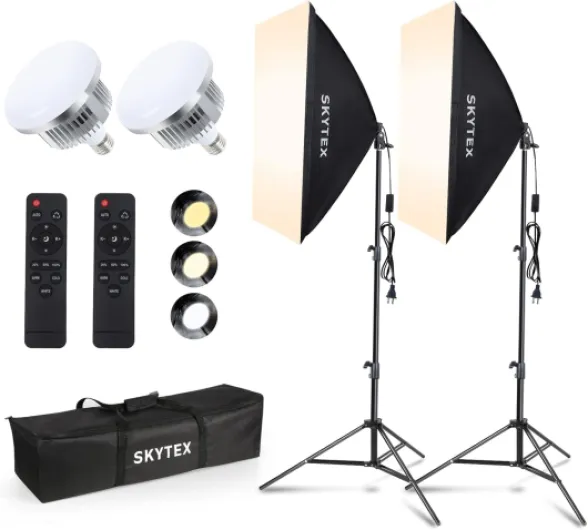
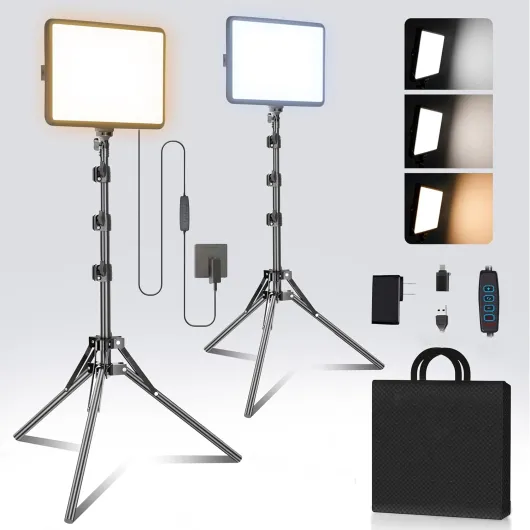
Understanding the impact of lighting tools
Lighting: The Foundation of Every Great Portrait
Lighting is at the heart of portrait photography. Whether you are using natural light, a camera flash, or creative lighting equipment like fairy lights, the way you shape and control light will define the mood and quality of your portraits. Many photographers love working with soft, diffused light for flattering skin tones, but experimenting with different light sources and modifiers can help you create a wide range of effects.
- Natural light is often the easiest to start with. Position your subject near a window or outdoors during golden hour for soft, even illumination.
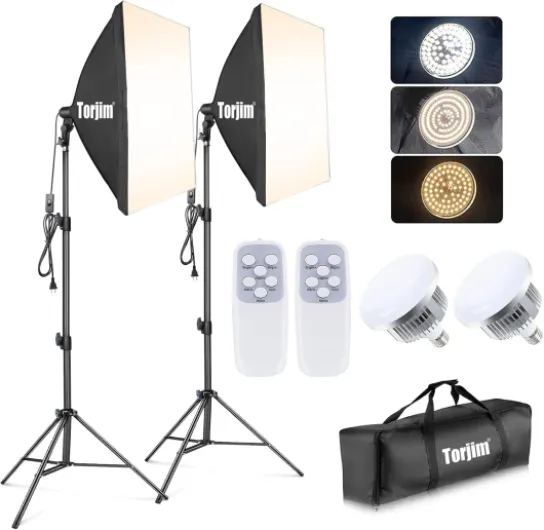
- Camera flash and external strobes offer more control, especially in low light. Using a flash diffuser or softbox can help avoid harsh shadows.
- Continuous lighting equipment lets you see the effect in real time. LED panels are portable and work well for both beginners and advanced users.
- Light modifiers like reflectors, umbrellas, and filters can shape and soften the light, adding depth and character to your portraits.
- Light meters are essential for precise exposure, especially when mixing different light sources or working with manual settings on your camera.
Pairing the right lighting tools with your camera, lens, and other photography gear is key to capturing expressive portraits. For those looking to dive deeper into lens choices that complement your lighting setup, check out this guide on choosing the perfect lens for capturing family portraits. The right combination of lighting and lens will help you achieve stunning results, whether you shoot with Canon EOS, Sony Alpha, or any full frame camera.
As you build your photography equipment kit, consider how each piece of gear—from tripods and supports to backgrounds and props—will work together to elevate your portrait photography. Lighting is just the start, but it sets the stage for every other creative decision you make.

Choosing the right lens for portraits
Finding the Perfect Lens for Your Portraits
When it comes to portrait photography, the lens you choose can make a dramatic difference in your results. The right camera lens helps you capture flattering details, beautiful background blur, and sharp focus on your subject. There’s a wide range of lenses available, and understanding their features is key to elevating your photography.
- Focal Length Matters: For portraits, lenses in the 50mm to 85mm range are popular because they offer a natural perspective and pleasing compression. A 50mm lens is a classic choice for both full frame and crop sensor cameras. If you want to learn more about using a 50mm lens for stunning portraits, check out this guide on how to capture stunning portraits with a 50mm lens.
- Aperture and Light: A wide maximum aperture (like f/1.8 or f/1.4) lets in more light, which is great for low light situations and helps create that dreamy background blur, or bokeh, that so many love in portrait photography. This is especially useful when working with natural light or fairy lights as part of your lighting equipment.
- Prime vs. Zoom Lenses: Prime lenses (fixed focal length) are often sharper and have wider apertures, making them a favorite for portraits. Zoom lenses offer flexibility, letting you quickly adjust your framing without moving your tripod or camera.
- Compatibility and Brands: Whether you use Canon EOS, Sony Alpha, or another camera system, make sure your lens matches your camera mount. Both lens Canon and lens Sony lines offer excellent portrait options. Full frame cameras paired with the right lens can deliver exceptional image quality.
- Filters and Accessories: Don’t overlook lens filters. A simple UV filter can protect your camera lens, while a polarizer can help control reflections and enhance colors. These small pieces of photography gear can make a big difference in your results and help maintain your equipment.
Choosing the right lens is just one part of your photography equipment setup. Combined with quality lighting, a sturdy tripod, and the right camera flash, your lens will help you create portraits that stand out. Investing in great lenses and keeping them clean with proper maintenance gear ensures your photography gear stays in top shape for every session.
Tripods and supports for sharper images
Stabilizing Your Shots for Professional Results
Sharpness is key in portrait photography, and even the best lens or camera can’t compensate for motion blur caused by shaky hands. That’s where tripods and supports come into play. Whether you’re working with natural light, flash, or experimenting with fairy lights, a stable base ensures your portraits are crisp and professional.
- Tripods: A sturdy tripod is essential for low light conditions, long exposures, or when using a camera flash. Carbon fiber tripods are lightweight yet strong, making them ideal for both studio and outdoor work. Look for models with adjustable stroke width and quick-release plates for efficiency.
- Monopods and Supports: If you need more mobility, a monopod offers support without sacrificing flexibility. These are great for dynamic portrait sessions or when you’re using heavier lenses, such as a full frame lens from Canon or Sony Alpha systems.
- Compatibility: Ensure your tripod or support matches your camera and lens setup. Some equipment, like the Canon EOS or Sony Alpha series, may require specific mounts or adapters, especially when working with a wide range of lenses or filters.
Using a tripod also allows you to experiment with lighting equipment and backgrounds, as you can step away from the camera to adjust props or lighting tools without losing your composition. This is especially helpful when you want to maintain consistent framing across multiple shots or when using remote controls and wireless triggers for hands-free shooting.
For those interested in concert or event photography, where lighting can be unpredictable and movement is constant, choosing the right support system is crucial. You can find more insights in this guide to concert photography equipment.
Investing in reliable supports not only improves image sharpness but also extends the life of your photography gear by reducing accidental drops or bumps. Whether you love working with natural light or complex lighting setups, a quality tripod or support is a must-have in your photography equipment kit.
Backgrounds and props to add character
Creative Backdrops and Props for Unique Portraits
When it comes to portrait photography, the background and props you choose can make a significant difference in the mood and storytelling of your images. While your camera, lens, and lighting equipment set the technical foundation, backgrounds and props add personality and context, helping your subject stand out or blend into a scene with intention.
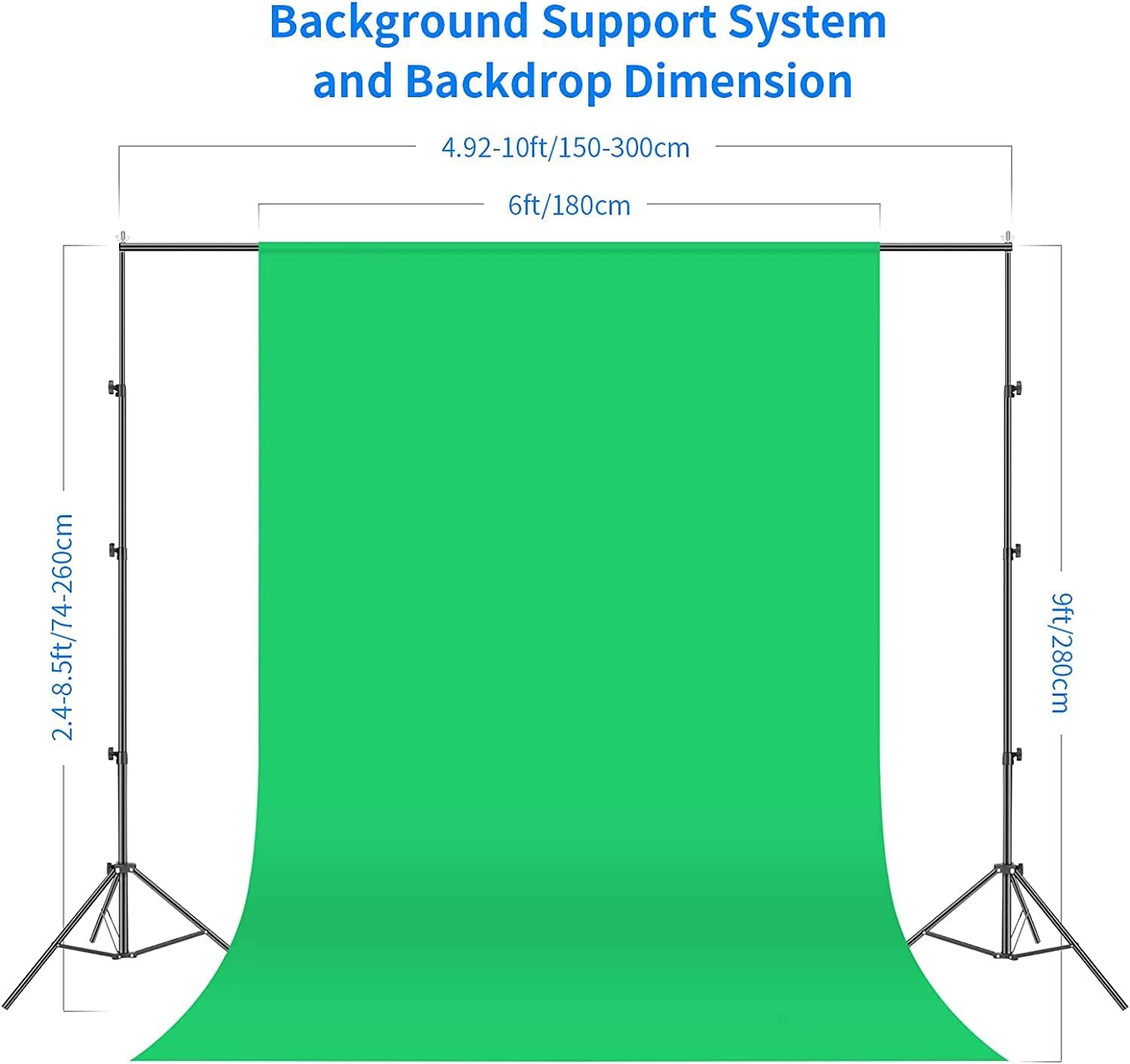
- Backdrops: A wide range of options exist, from seamless paper rolls to textured fabrics and collapsible backgrounds. Neutral tones are great for classic portraits, while bold colors or patterns can inject energy. Consider portable options if you shoot on location, and remember that the right backdrop can complement the focal length of your lens, especially with full frame cameras like the Canon EOS or Sony Alpha series.
- Props: Simple items such as chairs, stools, or even fairy lights can add depth and interest. Props should never overpower your subject but can help tell a story or evoke emotion. For example, using fairy lights with a wide aperture lens creates beautiful bokeh effects, especially in low light conditions.
- Background Stands and Supports: Reliable stands are essential for keeping your backgrounds smooth and wrinkle-free. Carbon fiber stands are lightweight and sturdy, making them ideal for mobile setups. Pair these with your tripod for a stable shooting environment.
- Filters and Gels: Colored gels on your camera flash or strobes can subtly shift the mood of your portrait. Neutral density filters also allow for creative control over exposure, especially when working with natural light or strong studio lighting equipment.
Choosing the right background and props is just as important as selecting the best camera lens or lighting tools. They work together with your photography gear to create memorable, professional portraits. Whether you shoot with a Canon, Sony, or another camera brand, investing in versatile backgrounds and thoughtful props will elevate your portrait photography and help you develop a signature style.
Remote controls and wireless triggers
Triggering Creativity and Precision in Portrait Sessions
Remote controls and wireless triggers are often overlooked in portrait photography, but they can make a significant difference in your workflow and results. These pieces of photography equipment allow you to operate your camera or camera flash without physically touching the camera, which is especially useful when working with a tripod or when you want to avoid camera shake for sharper images.
- Wireless triggers are essential for off-camera flash setups. They let you position your lighting equipment—like flashes or fairy lights—anywhere in the scene, giving you full control over the direction and quality of light. This flexibility is key for creative lighting in both natural light and low light environments.
- Remote controls are great for self-portraits or group shots, letting you step away from the camera and interact with your subject. This can help create a more relaxed atmosphere, resulting in more expressive portraits.
- Many modern cameras, including popular models from Canon and Sony Alpha, offer wireless connectivity via smartphone apps. These apps can act as remote controls, allowing you to adjust settings, trigger the shutter, and even review images on the go.
- For those using full frame or APS-C cameras, compatibility with your camera model is crucial. Always check if your chosen remote or trigger works with your specific camera, lens, and flash setup.
Whether you’re using a carbon fiber tripod for stability or experimenting with different lenses like a lens Canon or lens Sony, remote controls and triggers will help you maintain sharpness and consistency. They also free you to focus on engaging with your subject, adjusting backgrounds, or fine-tuning your lighting. For photographers who love to experiment with a wide range of photography gear, these tools are a must-have addition to your kit.
Essential cleaning and maintenance gear
Keeping Your Gear in Top Shape
Maintaining your photography equipment is just as important as choosing the right lens or lighting. Clean, well-cared-for gear ensures your portraits look sharp and professional, whether you shoot with a Canon EOS, Sony Alpha, or any other camera. Here’s what you need to keep your kit in great condition:- Microfiber cloths and lens cleaning solutions: Dust and fingerprints on your camera lens or filters can ruin a shot. Use a dedicated lens cleaning solution and soft cloth to gently wipe your lenses, filters, and even your camera’s LCD screen.
- Air blowers and brushes: These tools help remove dust from hard-to-reach places, like around the camera flash, lens mount, or inside the lens barrel. Avoid using canned air, as it can introduce moisture.
- Sensor cleaning kits: If you use interchangeable lens cameras, sensor dust is inevitable. A proper sensor cleaning kit is essential, especially for full frame cameras, to prevent spots in your portraits.
- Protective cases and pouches: Storing your lenses, cameras, and lighting equipment in padded cases prevents scratches and accidental damage. Look for options that fit your gear, from compact camera bodies to wide range of lenses.
- Weather protection: Shooting portraits outdoors? Rain covers and silica gel packs help protect your equipment from moisture and condensation, especially when working with natural light or fairy lights in unpredictable conditions.
- Memory card holders: Keeping your memory cards organized and protected is crucial. A lost or damaged card can mean losing an entire portrait session.