

Understanding the basics of landscape photography gear
What Makes Landscape Photography Gear Unique?
Landscape photography is about capturing the beauty and vastness of the outdoors. The gear you choose will directly impact the quality of your images, from the camera body to the lens and even the tripod. Unlike other types of photography, landscapes demand equipment that can handle wide dynamic range, deliver sharpness across the frame, and withstand the elements over years of use.
- Camera sensor size is crucial. Full frame cameras from brands like Canon, Nikon, and Sony are often the best option for landscape work, offering better image quality and dynamic range. APS-C sensors are also viable, especially for those starting out or seeking lighter gear.
- Lenses play a huge role. Wide angle lenses, such as a Canon USM or Nikon Nikkor, let you capture more of the scene. The right focal length will help you frame dramatic vistas or intimate details. Tamron and other third-party brands offer excellent options as well.
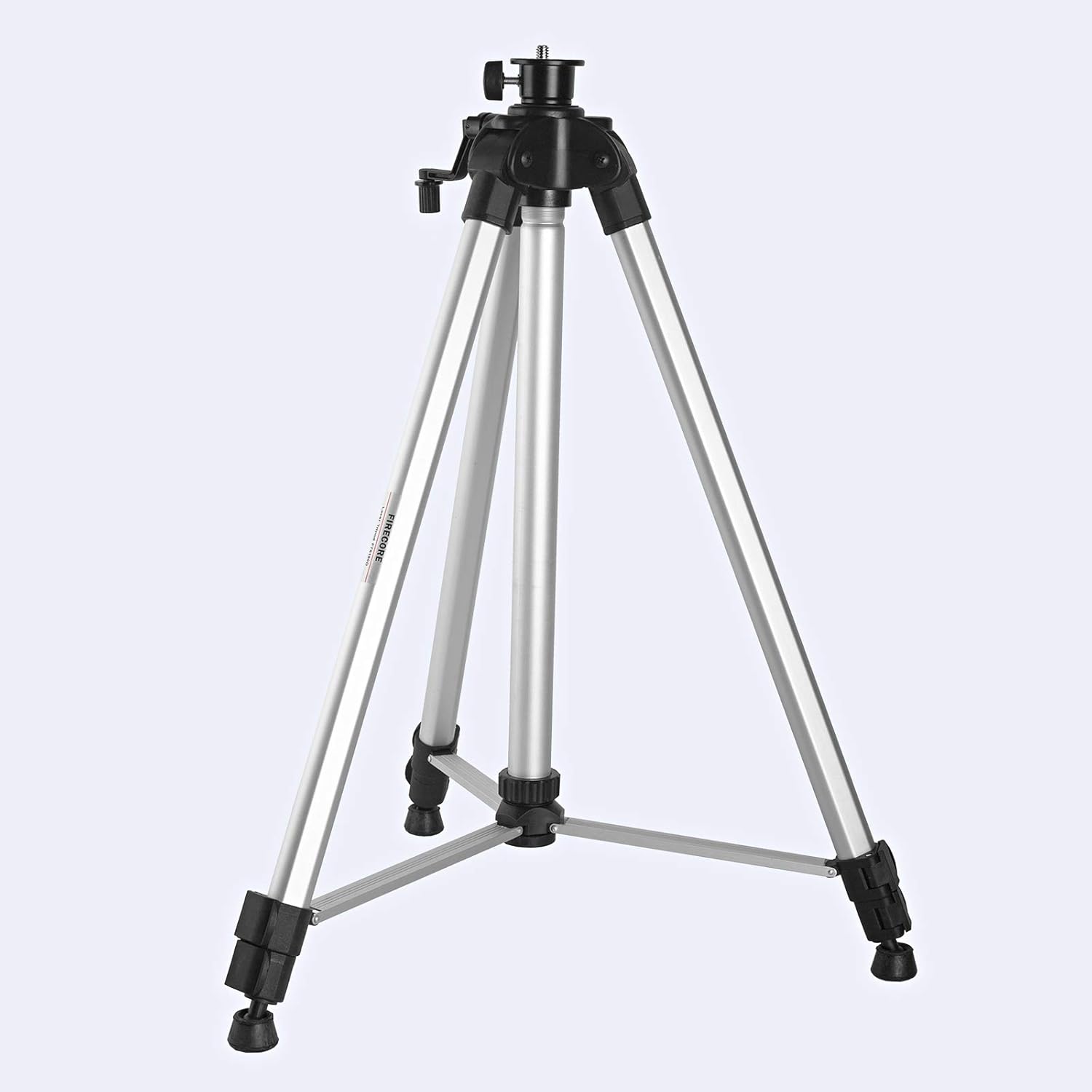
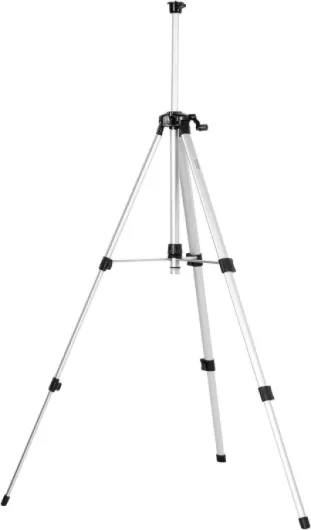
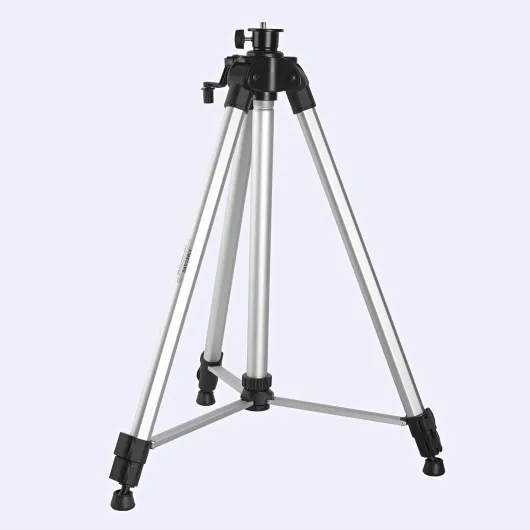
- Tripods are essential for stability, especially in low light or when shooting the night sky. Carbon fiber models with a ball head are lightweight and sturdy, making them a favorite among outdoor photographers.
- Filters and accessories, like ND and polarizing filters, give you creative control over your images, letting you manage reflections and exposure in challenging lighting conditions.
- Camera bags from brands like Peak Design keep your gear safe and organized while you hike or travel to remote locations.
Understanding the basics of landscape photography gear means knowing how each piece contributes to your final image. The best camera or lens for you depends on your style, the landscapes you want to shoot, and your budget. Over time, as you gain experience, you’ll discover which options suit your needs best. For a deeper dive into how camera tilt can enhance your landscape shots, check out this guide on the benefits of camera tilt in digital photography.

Choosing the right camera for landscapes
Key Features to Look for in a Landscape Camera
When it comes to landscape photography, choosing the best camera can make a real difference in your images. The right gear will help you capture the dynamic range of a sunrise, the subtle details in a mountain scene, or the rich colors of a night sky. Here are some essential features to consider when selecting a camera for landscapes:
- Sensor Size: A full frame sensor is often the best option for landscape photographers. It delivers better image quality, improved dynamic range, and less noise, especially in low light. Both Canon and Nikon offer excellent full frame models, and Sony’s options are also highly regarded.
- Resolution: Higher megapixels allow you to capture more detail and make large prints. However, more isn’t always better if it comes at the expense of noise or dynamic range. Look for a balance that suits your needs.
- Dynamic Range: This is crucial for capturing scenes with both bright skies and deep shadows. Cameras with a wide dynamic range will help you recover details in post-processing.
- Weather Sealing: Outdoor photography often means unpredictable weather. A camera with robust weather sealing will protect your gear and give you peace of mind.
- Auto Focus and Manual Controls: While auto focus is handy, manual controls are essential for fine-tuning your shots, especially when using a tripod or shooting with a wide angle lens.
Popular Camera Options for Landscapes
Many photographers recommend Canon, Nikon, and Sony for their reliability and image quality. Canon USM lenses and Nikon Nikkor glass are trusted for sharpness and color rendition. If you’re looking for the best camera for landscape photography, consider these options:
- Canon EOS R5: Full frame sensor, excellent dynamic range, and weather sealing.
- Nikon Z7 II: High resolution, great for wide angle landscapes, and robust build.
- Sony A7R IV: Outstanding resolution and dynamic range, making it a top choice for landscape images.
Third-party lenses like Tamron also offer great value and quality, especially for wide angle and zoom options. Pairing the right camera with a quality lens will help you get the most out of your landscape shots.
Other Gear to Consider
While the camera is central, don’t overlook the importance of a sturdy tripod, filters for creative control, and a reliable camera bag to protect your investment. Carbon fiber tripods with a ball head are lightweight and stable, ideal for outdoor adventures. Peak Design bags are a favorite for their durability and smart organization.
For those interested in capturing time lapse sequences of changing landscapes, check out this guide on choosing the ideal camera for time lapse photography for more tips and recommendations.
Lenses that make a difference in landscape shots
How Lens Choice Shapes Your Landscape Images
When it comes to landscape photography, the lens you attach to your camera is just as important as the camera body itself. The right lens can elevate your images, capturing the vastness of a mountain range or the subtle textures of a forest floor. Here’s what you need to know about choosing lenses for landscape shots, whether you shoot with Canon, Nikon, Sony, or other brands.
- Wide Angle Lenses: These are often the best option for landscapes. A wide angle lens (like a 16-35mm on a full frame sensor) lets you include more of the scene, making it easier to capture dramatic skies and sweeping vistas. Canon, Nikon Nikkor, and Tamron all offer excellent wide angle options, with Canon USM and Nikon’s fast auto focus making them reliable choices.
- Focal Length Matters: For most landscape photographers, a focal length between 14mm and 35mm is ideal. This range gives you flexibility to shoot both expansive scenes and tighter compositions. If you want to photograph the night sky, a wide angle lens with a large aperture (like f/2.8) will help you capture more light and detail.
- Image Quality and Dynamic Range: Look for lenses that deliver sharpness from edge to edge and minimize distortion. High-quality glass from Canon, Nikon, and Tamron can make a noticeable difference in your final images. Better lenses also help your camera sensor capture more dynamic range, preserving details in both highlights and shadows.
- Other Lens Options: While wide angle is the go-to, don’t overlook telephoto lenses. A 70-200mm lens can compress distant elements, creating unique perspectives. If you’re using a tripod, you can experiment with longer exposures and different focal lengths for creative results.
Over the years, lens technology has improved, with options like weather-sealed bodies and advanced coatings that reduce flare. If you’re building your gear kit, consider investing in a lens that matches your camera’s capabilities—whether you shoot with a full frame Canon, Nikon, or an option Sony. A good camera lens will last for years and adapt to different shooting conditions.
For those looking to compare gear or find the best camera for video and vlogging alongside landscape work, check out this in-depth review of a versatile 1080p video camera that includes a mini tripod and remote control—useful for time-lapse or behind-the-scenes shots.
Remember, the best lens is the one that helps you realize your creative vision. Pair it with a sturdy tripod, quality filters, and a reliable camera bag—like those from Peak Design—to protect your investment and make the most of your landscape photography adventures.
Tripods and stabilization essentials
Why Stability Matters in Landscape Photography
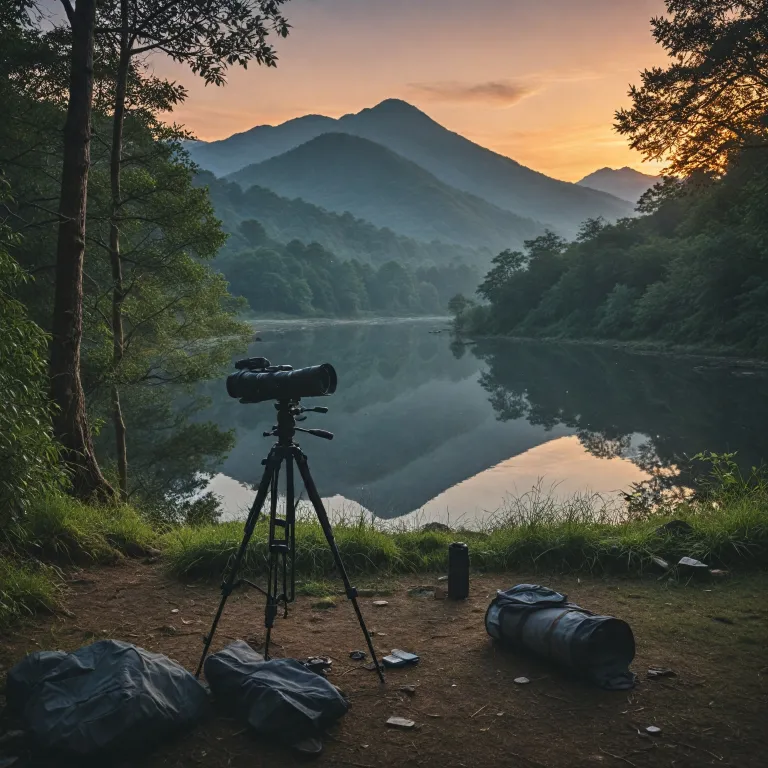
Sharp, detailed images are the goal in landscape photography. Even the best camera, lens, or sensor can’t deliver crisp results if your setup isn’t stable. That’s why a tripod is one of the most essential pieces of gear for outdoor shooters. Whether you’re capturing the night sky, long exposures of waterfalls, or high-resolution panoramas, a tripod helps eliminate camera shake and ensures your images are as sharp as possible.
Choosing the Right Tripod for Your Needs
There are many tripod options, and the best option depends on your shooting style, camera weight, and the terrain you’ll encounter. Here are some key considerations:
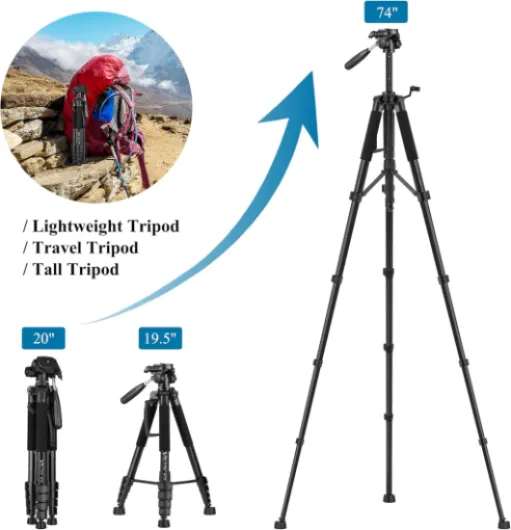
- Material: Carbon fiber tripods are lightweight yet sturdy, making them ideal for hiking and travel. Aluminum models are more affordable but heavier.
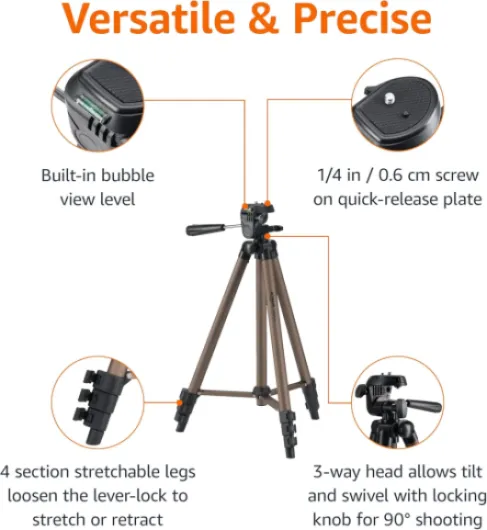
- Height and Weight: A tripod should extend to your eye level but also collapse small enough to fit in your camera bag. Lightweight models are easier to carry but may sacrifice some stability in windy conditions.
- Head Type: A ball head offers quick adjustments and smooth movement, which is great for composing landscape shots. Some prefer pan-tilt heads for precise control.
Recommended Tripod Brands and Models
For years, brands like Manfrotto, Gitzo, and Peak Design have been trusted by landscape photographers. Peak Design’s carbon fiber models are a popular choice for those seeking portability and durability. If you use a full frame camera from Canon, Nikon, or Sony, make sure your tripod can support the weight of your camera and your heaviest lens, such as a wide angle or a Tamron zoom.
Stabilization Techniques Beyond the Tripod
- Use a remote shutter release or your camera’s timer to avoid vibrations when pressing the shutter button.
- Engage your camera’s image stabilization (if available), especially when shooting handheld or with longer focal length lenses.
- Hang your camera bag from the tripod’s center column for extra stability in windy conditions.
When a Tripod Isn’t Practical
Sometimes, carrying a tripod isn’t possible. In these cases, look for natural supports like rocks or logs, and use your camera’s auto focus and high ISO settings to help maintain image quality. Some modern cameras, including the best options from Canon, Nikon, and Sony, offer advanced sensor stabilization, which can help when you need to travel light.
Filters and accessories for creative control
Creative Tools for Enhancing Your Landscape Images
When it comes to landscape photography, filters and accessories can make a significant difference in both image quality and creative control. Whether you use a Canon, Nikon, or Sony camera, the right gear will help you capture the best possible outdoor shots, especially in challenging lighting conditions.
- Polarizing Filters: These are essential for reducing glare and reflections on water or wet surfaces. They also enhance the colors of the sky and foliage, making your images pop. Circular polarizers are compatible with most camera lens options, including wide angle and full frame setups.
- Neutral Density (ND) Filters: ND filters are a must for long exposure shots, such as smoothing out water or capturing the movement of clouds. They allow you to use slower shutter speeds even in bright daylight, which is especially useful when using a tripod and ball head for stability.
- Graduated ND Filters: These filters help balance the exposure between the bright sky and darker foreground, preserving dynamic range in your landscape shots. They are particularly helpful when shooting at sunrise or sunset, where the contrast can be extreme.
- UV Filters: While not as critical for digital sensors as they were for film, UV filters can still protect your camera lens from dust, moisture, and scratches. This is a simple way to safeguard your investment, especially when hiking or traveling with your gear in a camera bag.
Other accessories to consider include remote shutter releases for minimizing camera shake during long exposures, and lens cleaning kits to keep your optics clear in the field. Brands like Tamron, Nikon Nikkor, and Canon USM offer lenses that pair well with these filters, ensuring better results and more creative options.
For those who shoot at night or in low light, a sturdy carbon fiber tripod with a reliable ball head is recommended. This setup provides stability and flexibility, allowing you to experiment with different focal lengths and compositions. Peak Design straps and camera bags are also popular choices for carrying and protecting your gear outdoors, making it easier to access your equipment quickly when the light is just right.
Investing in quality filters and accessories will help you get the most out of your camera, whether you are using the best camera from Canon Nikon or exploring option Sony models. Over the years, these tools have proven to be the best option for landscape photographers seeking to elevate their images and expand their creative possibilities.
Carrying and protecting your gear outdoors
Smart Ways to Carry and Protect Your Landscape Photography Gear
When you’re heading outdoors with your camera, lenses, tripod, and filters, keeping your gear safe and accessible is crucial. The right carrying solutions and protective accessories can make a big difference in your landscape photography experience, especially when you’re dealing with unpredictable weather or rugged terrain.- Camera Bags: Invest in a camera bag designed for outdoor use. Look for options with weather-resistant materials, padded compartments for your camera and lenses, and adjustable dividers. Brands like Peak Design and Lowepro offer models that balance comfort, protection, and quick access. A well-organized bag will help you keep your best camera, wide angle lens, and filters secure while hiking or traveling.
- Lens Protection: Use padded lens pouches or dedicated compartments to prevent scratches and impacts. For expensive glass like a Canon USM, Nikon Nikkor, or Tamron lens, a little extra protection goes a long way. Don’t forget to keep lens caps on when not shooting, and consider using UV filters for an added layer of defense.
- Tripod Transport: Carbon fiber tripods are lighter and easier to carry over long distances. Many camera bags feature external straps or dedicated tripod holders, making it simple to bring your tripod and ball head along without hassle.
- Weather Protection: Sudden rain or dust can threaten your gear. Pack a rain cover for your camera bag and keep a microfiber cloth handy to wipe down your camera sensor or lens. Some photographers recommend using silica gel packs inside your bag to reduce moisture build-up over time.
- Accessory Organization: Small items like filters, memory cards, and batteries can get lost easily. Use zippered pouches or dedicated filter cases to keep everything organized. This will save you time when you want to swap out a polarizer or ND filter for creative control over your images.
| Gear | Protection Tips | Recommended Options |
|---|---|---|
| Camera & Lenses | Padded compartments, lens pouches, UV filters | Peak Design, Canon, Nikon, Tamron |
| Tripod | External straps, carbon fiber for light weight | Manfrotto, Gitzo, Sirui |
| Filters & Accessories | Filter cases, zippered pouches | Lee Filters, Hoya, B+W |