


Understanding the basics of portrait photo equipment
Key Elements That Shape Portrait Photography Gear
Portrait photography is all about capturing the personality and mood of your subject. To achieve this, understanding the essential gear is crucial. The right camera, lens, and lighting setup can make a dramatic difference in the quality of your portraits. Whether you are using a mirrorless camera like the Sony Alpha series or a full frame DSLR such as the Canon EOS, your choice of equipment will influence your results.
- Camera: The foundation of any portrait photographer’s kit. Modern cameras from brands like Sony and Canon offer excellent image quality and low light performance, which are vital for portrait work.
- Lenses: The lens you choose affects the look of your portraits. Prime lenses with a wide aperture, such as the Sony Master or lens Canon options, help create a pleasing background blur and flattering perspective.
- Lighting: Good light is essential. Whether you use natural light, a camera flash, or a dedicated flash system, mastering lighting techniques is key for professional results.
- Accessories: Tools like a light meter, camera bag, and reflectors can help you control your environment and keep your gear organized.
Each piece of equipment works together to help photographers master the art of portrait photography. For example, understanding how nose room impacts your camera shots can elevate your composition and make your portraits more engaging.
As you explore the world of portrait photography, you will discover how different cameras, lenses, and lighting setups can help you achieve stunning results. The following sections will guide you through choosing the right camera, selecting flattering lenses, and mastering light for your next portrait session.
Choosing the right camera for portraits
What Makes a Camera Ideal for Portraits?
When searching for the right camera for portrait photography, several features stand out. Portrait photographers often prioritize cameras that deliver excellent image quality, accurate skin tones, and reliable autofocus. Full frame sensors are popular because they offer better low light performance and a shallower depth of field, which helps create that beautiful background blur in portraits.
- Sensor size: Full frame cameras like the Canon EOS or Sony Alpha series provide more detail and dynamic range, making them a favorite among portrait photographers.
- Autofocus system: Fast and accurate autofocus ensures sharp eyes in your portraits, even when working with wide apertures or moving subjects.
- Color science: Brands like Canon and Sony have developed color profiles that render skin tones naturally, which is crucial for flattering portraits.
- Low light capability: Portrait sessions often use natural light or low ambient light. Cameras with good high ISO performance, such as many mirrorless cameras, help maintain image quality in these conditions.
Popular Camera Choices for Portrait Photographers
Mirrorless cameras are increasingly popular for portrait photography due to their compact size and advanced features. The Sony Alpha line, including models like the A7 series, is known for its impressive autofocus and compatibility with high-quality Sony Master lenses. Canon's EOS R series also offers excellent color science and a growing selection of portrait-friendly lenses.
| Camera | Sensor Type | Strengths |
|---|---|---|
| Sony Alpha A7 IV | Full Frame | Fast autofocus, great in low light, wide lens selection |
| Canon EOS R6 | Full Frame | Natural skin tones, reliable autofocus, strong image stabilization |
| Sony Alpha A6400 | APS-C | Compact, affordable, excellent eye autofocus |
| Canon EOS RP | Full Frame | Lightweight, user-friendly, good value for beginners |
Key Features to Look For
- Interchangeable lenses: The ability to swap lenses is essential for mastering different portrait styles. Look for cameras compatible with a wide range of lenses, such as the Sony Alpha or Canon EOS systems.
- Camera flash support: Built-in or external flash compatibility is helpful for controlling light in various portrait settings. Some cameras offer advanced flash systems like CLS fill or support for off-camera flash units.
- Connectivity: Features like Wi-Fi and Bluetooth make it easier to transfer images and control your camera remotely during portrait sessions.
- Camera bag compatibility: Consider the size and weight of your camera, especially if you plan to carry multiple lenses or accessories in your camera bag.
For those just starting out or looking to refine their technique, understanding the impact of using a 50mm lens for portraits can be a game changer. The right camera paired with the right lens will help you master the art of portrait photography, whether you prefer natural light or studio setups.
Selecting lenses for flattering portraits
How Focal Length Shapes Your Portraits
When it comes to portrait photography, the choice of lens can make or break your results. The focal length of your camera lens directly influences how your subject appears. For most portrait photographers, lenses between 50mm and 135mm on a full frame camera are the sweet spot. These focal lengths help avoid distortion and flatter facial features, making them a staple in any portrait photographer’s gear bag.
- 85mm prime lenses are a classic choice for portraits, offering a natural perspective and beautiful background blur.
- 50mm lenses are versatile and work well for environmental portraits, especially on full frame cameras like the Canon EOS or Sony Alpha series.
- 135mm lenses compress features slightly, which can be flattering and help isolate your subject from the background.
Prime vs. Zoom: What Works Best?
Prime lenses, like the Sony Master 85mm or the popular lens Canon 50mm f/1.8, are favored for their sharpness and wide apertures. These lenses let in more light, which is crucial for low light portrait sessions or when you want to create a creamy background bokeh. Zoom lenses, such as a 24-70mm f/2.8, offer flexibility, especially for photographers who need to adapt quickly during a shoot. However, primes often deliver better image quality and are lighter to carry in your camera bag.
Considerations for Mirrorless and DSLR Cameras
Modern mirrorless cameras, like the Sony Alpha series or Canon EOS R, offer a wide range of native portrait lenses. These cameras are often lighter and provide advanced autofocus features, making them a strong choice for portrait photography. DSLR users still have access to excellent glass, but may find mirrorless options more convenient for on-location work.
Specialty Lenses and Creative Effects
Some portrait photographers experiment with specialty lenses, such as macro lenses for close-up details or tilt-shift lenses for creative effects. While not essential, these can add a unique touch to your portraits. Using a light meter or adjusting your camera flash and stroke width can also help you master exposure, especially in challenging lighting conditions.
Practical Tips for Lens Selection
- Match your lens to your shooting style and the available light. Fast primes are ideal for natural light, while zooms offer flexibility.
- Consider the weight and size of your gear, especially if you work on location or need to carry multiple lenses in your camera bag.
- For those using Sony Alpha cameras, the Sony Master series offers excellent options for portrait work. Canon shooters can look for L-series glass for top performance.
For more on how to enhance your sessions with creative posing and lens choices, check out this guide on how photography posing blocks enhance your digital camera sessions.
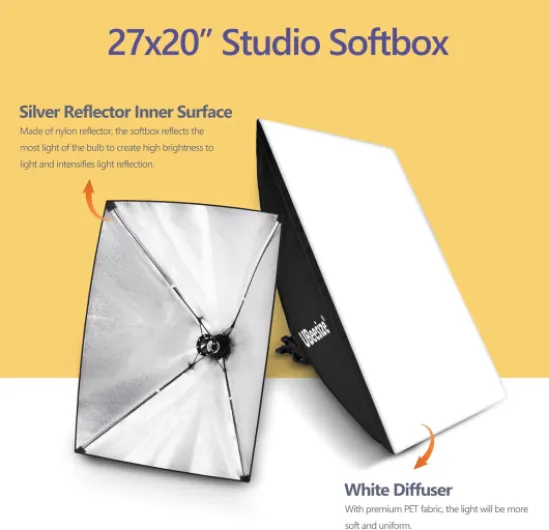
- + Continuous lighting for consistent results
- + Includes 2pcs 40W bulbs for bright illumination
- + 6500K daylight temperature for natural look
- + Rectangular softbox for soft, diffused light
- + Suitable for video recording and portrait shooting

Lighting essentials for portrait photography
Lighting: The Key to Flattering Portraits
Lighting is one of the most important elements in portrait photography. Whether you’re working with natural light or artificial sources, understanding how to control and shape light will help you create portraits that stand out. The right lighting can enhance skin tones, add depth, and highlight your subject’s best features.
- Natural light: Many portrait photographers love working with natural light for its softness and flattering effect. Shooting near a window or outdoors during the golden hour can give your portraits a warm, gentle look. However, you may need to use reflectors or diffusers to control harsh shadows or direct sunlight.
- Camera flash: A camera flash, whether built-in or external, is essential for low light situations or when you need to fill in shadows. Off-camera flashes provide more creative control and can be positioned to sculpt the light on your subject’s face. Brands like Sony and Canon offer dedicated flashes compatible with their alpha cameras and EOS systems.
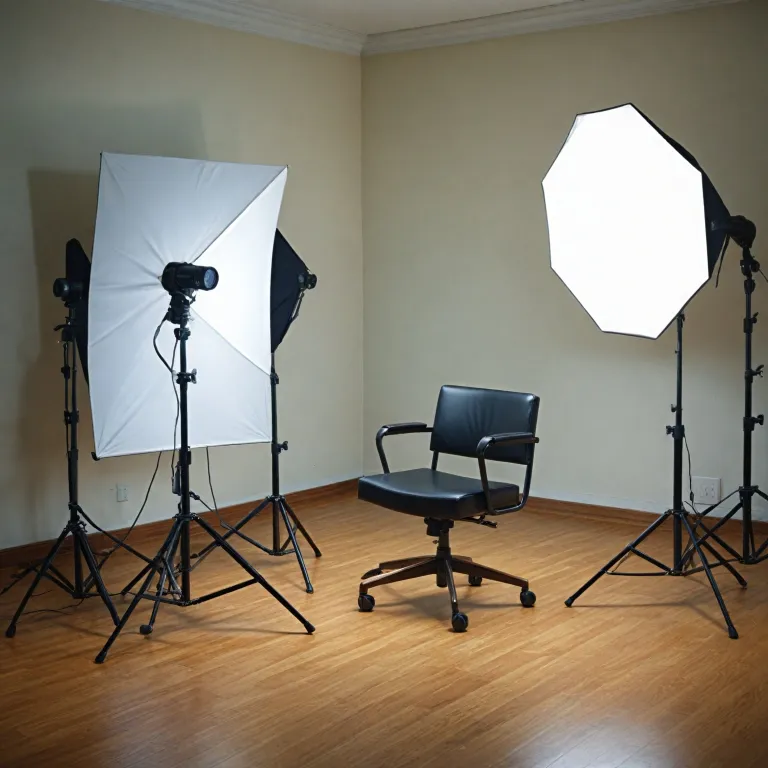
- Studio strobes: For more advanced setups, strobes deliver powerful, consistent light. Adjusting the stroke width and power lets you master the mood of your portraits. Pairing strobes with softboxes or umbrellas helps diffuse the light, making it softer and more flattering.
- Continuous lights: LED panels and other continuous lights let you see the effect in real time, which is helpful for beginners. These are especially useful for video or hybrid shooters using mirrorless cameras like the Sony Alpha series.
Essential Tools for Light Control
- Light meter: A light meter helps you measure the intensity of light, ensuring accurate exposure. This is particularly useful when mixing different light sources or working in challenging lighting conditions.
- Reflectors: Reflectors bounce light back onto your subject, filling in shadows and adding catchlights to the eyes. They’re lightweight and fit easily in your camera bag, making them a must-have for portrait sessions.
- Modifiers: Softboxes, umbrellas, and diffusers are essential for shaping and softening light. They help you avoid harsh highlights and create a more natural look in your portraits.
When choosing your lighting gear, consider your camera system and lens selection. For example, a full frame camera like the Canon EOS or Sony Alpha will handle low light better, allowing you to work with less powerful lights or take advantage of natural light. Pairing your camera with a fast lens, such as a Sony Master or a lens Canon prime, will also help you shoot in dim conditions without sacrificing image quality.
Mastering light is a journey for every portrait photographer. With the right gear and a bit of practice, you’ll be able to create stunning portraits in any environment. For more photography tips and gear recommendations, keep exploring and experimenting with different setups to see what works best for your style.
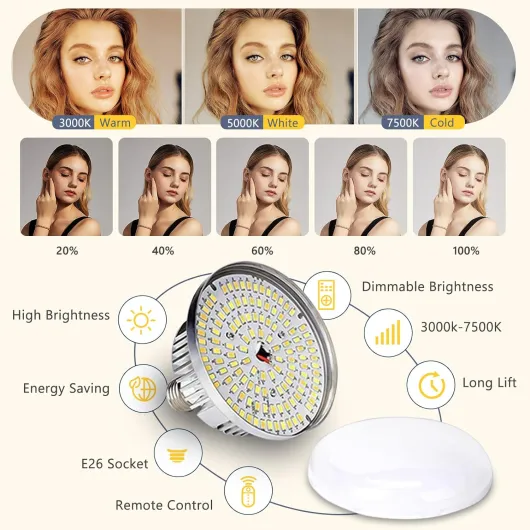
- + Professional quality for photographers and videographers
- + Versatile temperature range of 3000-7500K
- + Soft lighting for flattering portraits
- + Includes 85W LED bulbs
- + Good for studio, live streaming, and video recording
Useful accessories for portrait sessions
Must-Have Tools for Every Portrait Photographer
When you’re aiming to master portrait photography, the right gear goes beyond just the camera and lens. Accessories can make a significant difference in the quality of your portraits and the ease of your workflow. Here’s a look at essential items that help photographers achieve professional results, whether you’re working with a Sony Alpha, Canon EOS, or any other camera system.
- Camera Bag: A reliable camera bag keeps your cameras, lenses, and accessories organized and protected. Look for one with customizable compartments to fit your gear, especially if you use multiple lenses or a mirrorless camera system like the Sony Alpha series.
- Camera Flash & Lighting Modifiers: Even if you prefer natural light, a camera flash or external speedlight is invaluable for low light situations or adding creative effects. Consider modifiers like softboxes or diffusers to soften the light and avoid harsh shadows on your subject’s face.
- Light Meter: A handheld light meter helps you measure the intensity and quality of light, ensuring accurate exposure. This is particularly useful for portrait photographers who want consistent results across different lighting setups.
- Reflectors: Reflectors bounce natural light or flash back onto your subject, filling in shadows and creating a flattering look. They’re lightweight and come in various sizes and colors, making them a staple in portrait photography.
- Remote Shutter Release: Using a remote shutter release minimizes camera shake, especially when shooting at slower shutter speeds or using a tripod. This is helpful for both solo photographers and those working with assistants.
- Tripod: A sturdy tripod is essential for sharp portraits, particularly in low light or when using longer focal length lenses. It also helps maintain consistent framing during longer sessions.
- Lens Cleaning Kit: Keeping your camera lens spotless is crucial for sharp, clear images. A basic kit with a blower, microfiber cloth, and lens cleaning solution should always be in your bag.
- Extra Batteries & Memory Cards: Portrait sessions can be unpredictable. Carrying spare batteries and memory cards ensures you won’t miss a shot due to technical limitations.
Optimizing Your Gear for Portrait Sessions
Whether you’re shooting with a Sony, Canon, or another brand, the right accessories help you adapt to different environments and lighting conditions. For example, a Sony Master lens paired with a full frame Alpha camera can deliver exceptional detail, but only if you have the right support gear—like a light meter and reflectors—to control your light. Similarly, Canon photographers often rely on a camera flash and lens canon for crisp, vibrant portraits in challenging light.
Don’t overlook the importance of stroke width when using lighting modifiers, as it affects how light wraps around your subject. And for those who want to experiment with creative lighting, tools like CLS fill flash systems can add dimension and depth to your portraits.
Ultimately, investing in quality accessories is just as important as choosing the right camera and lenses. They help you work efficiently, adapt to any situation, and consistently produce stunning portraits.
Tips for setting up your portrait shoot
Preparing Your Space and Gear
Setting up for portrait photography means more than just having the right camera or lens. Start by choosing a location with good natural light, or plan your artificial lighting setup. If you’re using a mirrorless camera like a Sony Alpha or Canon EOS, make sure your batteries are charged and your memory cards are ready. Keep your camera bag organized with essentials like extra lenses, a light meter, and a camera flash for low light situations.Optimizing Lighting for Flattering Results
Light can make or break a portrait. Use a combination of natural light and camera flash to achieve the desired effect. For softer shadows, consider using a reflector or diffused light source. Photographers often rely on a light meter to measure exposure accurately, especially when working with multiple light sources or in changing conditions. If you’re using off-camera flash, adjust the stroke width and power to avoid harsh highlights on your subject’s face.Arranging Your Equipment for Efficiency
Before your subject arrives, set up your gear so you can work efficiently. Place your camera on a tripod if you want stability, and have your favorite portrait lenses—like a Sony Master or a lens Canon—within reach. Keep your camera lens clean and ready to swap if you need a different focal length for creative framing. A well-packed camera bag ensures you have all your accessories, from lens cloths to extra batteries.Creating a Comfortable Environment
Portrait photography is about capturing authentic expressions. Make your subject comfortable by preparing the space and explaining your process. Adjust your lighting and camera settings in advance, so you can focus on interacting with your subject. Whether you’re working with alpha cameras, full frame bodies, or compact cameras Sony, confidence in your gear lets you direct your subject with ease.Quick Photography Tips for Portrait Sessions
- Test your camera flash and lighting setup before the session starts.
- Use a light meter to double-check exposure, especially in mixed lighting.
- Choose a lens with a flattering focal length—85mm is a classic choice for portraits.
- Keep your gear organized for quick changes during the shoot.
- Work with natural light when possible, but don’t hesitate to use flash or reflectors for fill.
- Review your images on the camera to ensure sharpness and correct exposure.