
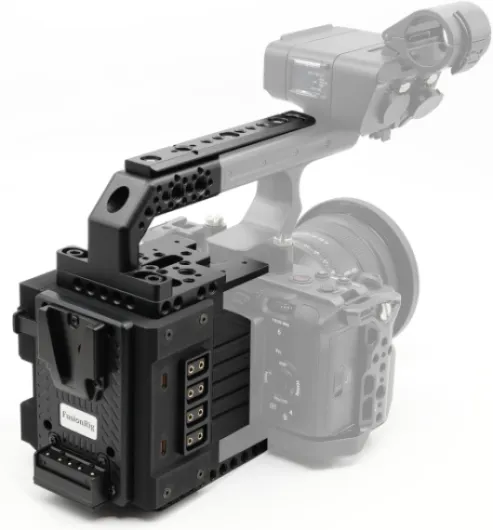
Understanding the cineback fx3 and its unique appeal
What Sets the Cineback FX3 Apart in the World of Digital Cinema
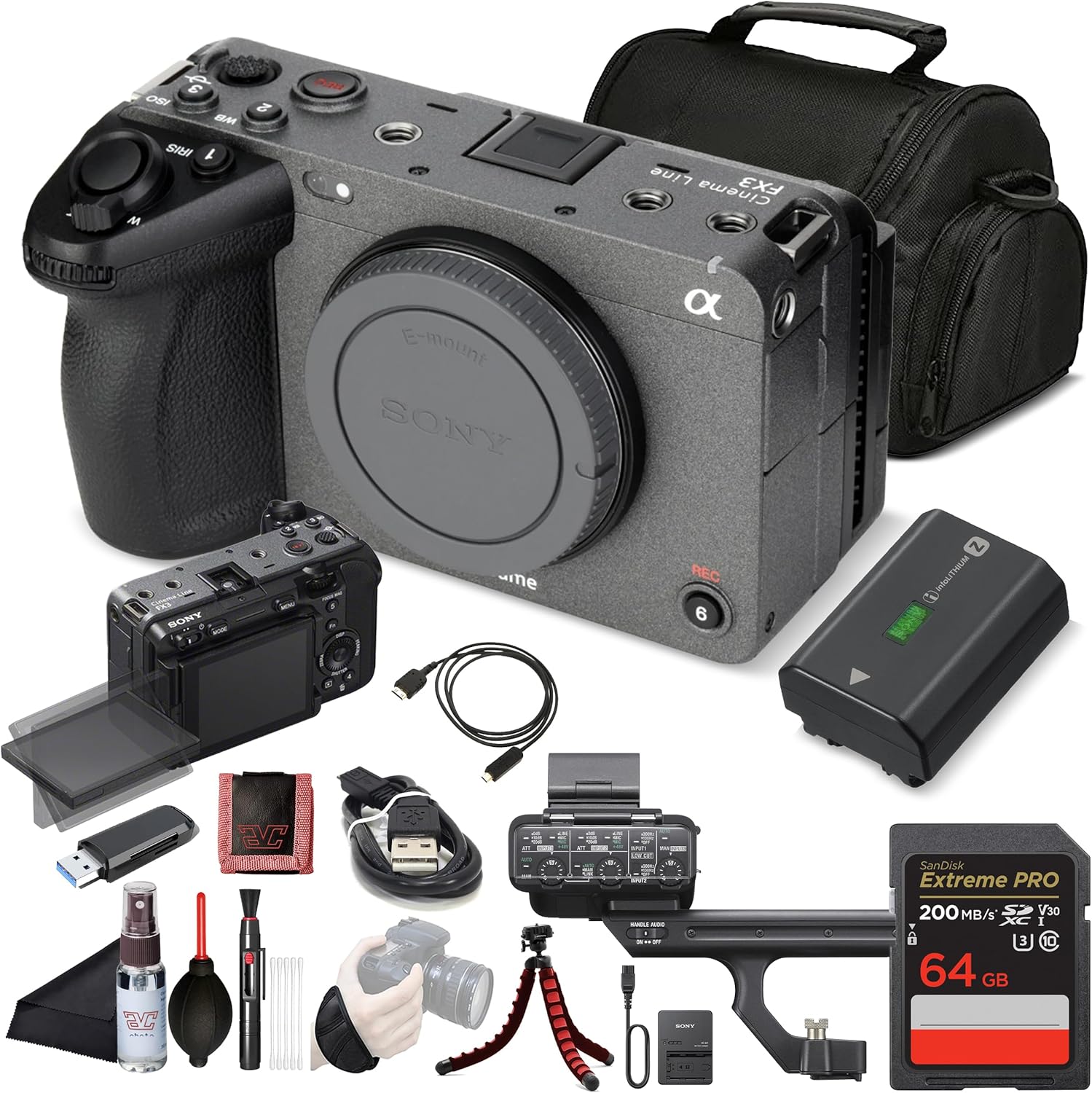
The cineback FX3 is making waves in the digital camera scene, especially among creators who want to bridge the gap between compact mirrorless bodies and true cinema camera rigs. Built around the popular Sony FX3, the cineback version introduces a fresh approach to handling, power management, and rigging flexibility. This camera is not just about specs—it’s about how it transforms the shooting experience for video professionals.
Why Filmmakers Are Paying Attention
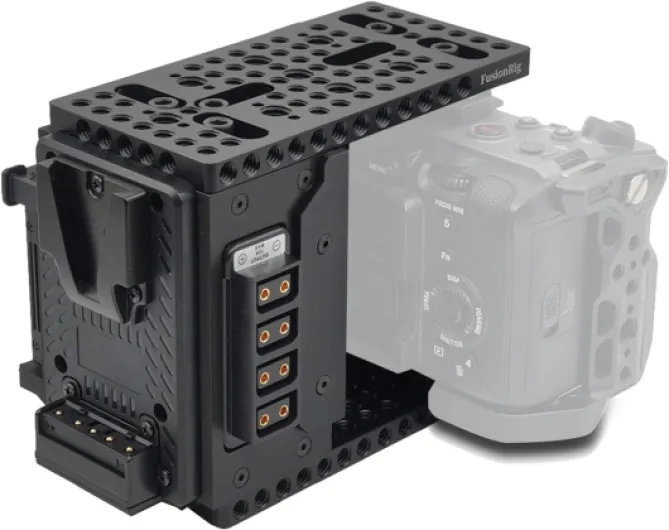
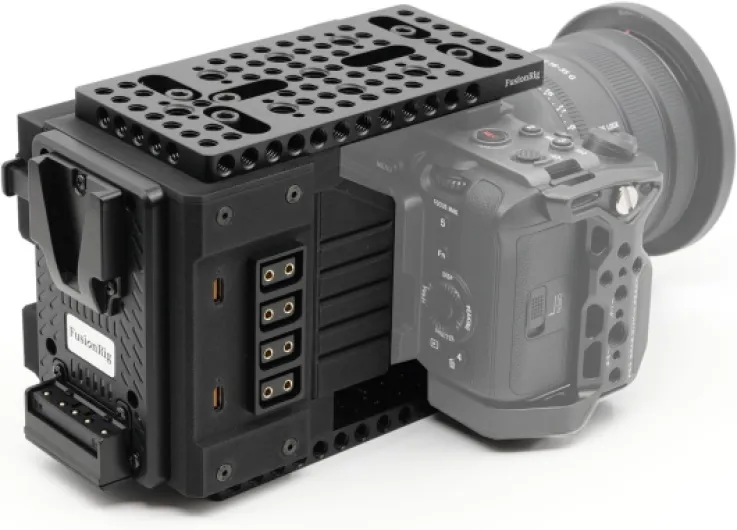
One of the main reasons the cineback FX3 is gaining traction is its unique combination of portability and cinema-grade features. The camera body remains compact, but with the addition of a cineback, you get a more boxy cinema form factor. This makes it easier to mount accessories like a top handle, battery plate, or a full smallrig cage. For those who need to rig their gear for longer shoots, the cineback’s design allows for seamless integration of power solutions, such as a tap dummy battery or a plate tap adapter.
- Camera compatibility: The cineback is designed to work with the Sony FX3, but its modular approach means you can adapt it to various setups.
- Power options: With multiple tap outputs and a dedicated power switch, you can run monitors, wireless transmitters, and other accessories without worrying about battery life.
- Rigging flexibility: The cage and mounting points let you build a camera rig that suits your workflow, whether you’re shooting handheld or on a tripod.
How the Cineback FX3 Fits Into Modern Video Production
As more creators demand versatility from their gear, the cineback FX3 stands out by offering a cinema camera experience in a compact package. Whether you’re mounting a handle smallrig for better grip or adding a tap splitter for extra power, this camera adapts to your needs. If you’re exploring your options for filmmaking gear, check out this guide on choosing the ideal video camera for filmmaking for more insights into what makes a camera truly versatile on set.

Key features that make the cineback fx3 stand out
Design Innovations That Set It Apart
The cineback fx3 stands out in the crowded cinema camera market thanks to its thoughtful design and unique features. Unlike traditional camera bodies, the cineback version is engineered for flexibility and adaptability, making it a favorite among professionals who demand more from their gear. The boxy cinema form factor, combined with a robust cage system, allows for seamless integration with a variety of accessories, including top handles, battery plates, and mounting solutions.
Power and Connectivity for Demanding Shoots
One of the most significant advantages of the cineback is its advanced power management. The camera supports multiple power options, such as a dedicated battery plate, tap splitter, and USB adapter, ensuring you can keep shooting without frequent interruptions. The inclusion of a tap dummy battery and power switch makes it easy to swap power sources on the fly, which is essential for long video shoots. The camera’s mount battery system is compatible with a wide range of cinema camera rigs, offering both reliability and flexibility.
Accessory Ecosystem and Rigging Potential
Rigging the cineback fx3 is straightforward, thanks to its compatibility with popular brands like Smallrig. The smallrig cage and top handle options provide secure mounting points for monitors, microphones, and other essential gear. The plate tap and handle smallrig accessories enhance the camera’s usability, making it easier to handle during handheld or shoulder-mounted shoots. This modular approach allows users to build a camera rig tailored to their specific needs, whether for narrative cinema or run-and-gun documentary work.
Enhanced Video Capabilities
The cineback fx3 is designed with video professionals in mind. Its advanced release mechanisms, robust camera mount, and cinema-grade features deliver high-quality footage in a compact package. The camera’s ability to adapt to different shooting scenarios, combined with its reliable power and accessory support, makes it a versatile choice for filmmakers and content creators alike.
For those looking to optimize their audio setup alongside their camera rig, understanding how to choose the best iPhone microphone for video recording can further enhance your production quality. Explore this guide for more insights.
- Boxy cinema design for modular rigging
- Multiple power options: battery plate, tap splitter, USB adapter
- Compatible with smallrig cage and top handle systems
- Flexible mounting for cinema camera accessories
- Reliable camera compatibility for professional workflows
Real-world performance: how the cineback fx3 handles on set
On-Set Usability and Workflow
The cineback FX3 has quickly become a favorite among video professionals for its practical design and adaptability on set. Its boxy cinema camera body allows for easy integration with a variety of camera rigs and accessories, making it suitable for both solo shooters and larger crews. The addition of a top handle, especially when paired with a Smallrig cage, enhances maneuverability and stability during handheld shots. This is particularly useful for dynamic shooting environments where flexibility is key.
Power Management and Connectivity
One of the standout aspects of the cineback is its approach to power solutions. The camera supports multiple battery options, including the use of a battery plate and mount battery adapters. This means you can swap between different power sources without interrupting your workflow. The inclusion of a tap splitter and tap dummy battery further extends compatibility with various cinema gear, ensuring your rig stays powered throughout long shoots. The power switch and USB adapter options also add to the camera's versatility, letting you tailor your setup to the specific demands of your project.
Mounting and Accessory Integration
Mounting accessories is straightforward thanks to the cineback's thoughtful design. The camera body features multiple mounting points for plates, cages, and other rig components. Whether you're using a Smallrig cage or a custom plate tap, the cineback Sony system ensures secure attachment and easy access to controls. The top handle Smallrig and other handle options make it simple to adjust your setup on the fly, which is crucial when transitioning between tripod, handheld, or gimbal work.
Performance in Real-World Scenarios
On set, the cineback FX3 delivers reliable performance, handling demanding video shoots with ease. Its cinema camera features, combined with robust camera compatibility, mean it can be adapted for a wide range of shooting styles and environments. The release of each new version has brought incremental improvements, such as enhanced privacy policy compliance and better accessory support, reflecting feedback from the filmmaking community.
For those looking to elevate their portrait work with this camera, you might find this guide on capturing stunning portraits with a 50mm lens particularly useful, as it demonstrates how the cineback FX3's features can be leveraged for creative results.
Comparing the cineback fx3 to other popular digital cameras
How the Cineback FX3 Measures Up Against Leading Digital Cameras
When evaluating the cineback FX3, it’s important to see how it stacks up against other popular digital cameras in the cinema and video production space. The cineback’s unique design and features set it apart, but direct comparisons help clarify where it excels and where it might face competition.- Camera Rig Flexibility: The cineback FX3, especially when paired with a smallrig cage or top handle, offers a modular approach. Many other cameras require additional adapters or custom mounts to achieve similar rigging flexibility. The integrated battery plate and multiple tap outputs simplify powering accessories, a feature not always standard on other models.
- Power Management: Unlike some cinema cameras that rely on proprietary batteries, the cineback FX3 supports a variety of battery options, including dummy battery solutions and V-mount battery plates. This adaptability is a significant advantage for long shoots and on-set power management. Competing cameras may require more adapters or lack the convenient tap splitter and power switch integration found here.
- Build and Handling: The boxy cinema body of the cineback FX3 is designed for easy rigging and mounting. While other digital cameras may offer similar cinema-grade performance, their ergonomics can be less suited for quick rig changes or handheld shooting. The inclusion of a top handle and compatibility with popular smallrig accessories enhances on-set handling.
- Connectivity and Expansion: The cineback FX3 provides multiple USB and tap outputs, making it easier to connect monitors, wireless transmitters, and other gear. Some competitors require additional adapters or have limited ports, which can slow down workflows.
- Camera Compatibility: The cineback version for Sony cameras is specifically engineered for seamless integration, while some other cinema cameras may not offer the same level of compatibility with third-party rigs and accessories.
| Feature | Cineback FX3 | Other Cinema Cameras |
|---|---|---|
| Power Options | V-mount, dummy battery, tap splitter | Often proprietary, fewer tap outputs |
| Rigging Flexibility | Smallrig cage, top handle, modular | May need custom adapters |
| Connectivity | Multiple USB, tap, power switch | Limited ports, extra adapters needed |
| Camera Compatibility | Optimized for Sony cinema cameras | Varies, not always seamless |
Tips for getting the most out of your cineback fx3
Optimizing Your Cineback FX3 Setup
Getting the most out of your cineback FX3 means understanding how to build a camera rig that suits your workflow. The cineback system is designed to enhance the Sony FX3, making it feel more like a dedicated cinema camera. Here are some practical tips to help you maximize its potential:
- Choose the Right Cage and Top Handle: A robust smallrig cage with a secure top handle gives you better control and mounting options. Look for versions that offer multiple mounting points for accessories like monitors, microphones, and lights.
- Power Management: The cineback supports various battery plate and mount battery options. Using a dummy battery or tap dummy adapter lets you power your camera for longer shoots. Consider a tap splitter if you need to run multiple accessories from a single battery plate.
- Efficient Cable Routing: Use a smallrig cage with integrated cable clamps to keep your usb and HDMI cables secure. This reduces the risk of accidental disconnections during a take.
- Quick Release Solutions: Invest in a reliable release plate system. This allows you to move the camera between tripod, handheld, and gimbal setups quickly, keeping your workflow smooth on set.
- Monitor Your Power: The cineback’s power switch and tap outputs make it easy to manage your gear. Always check compatibility between your camera body, adapter, and any third-party accessories to avoid power issues.
- Build for Your Shooting Style: Whether you prefer a compact boxy cinema rig or a fully accessorized setup, the cineback’s modular design lets you tailor your gear. Test different configurations to find what feels best for your shooting needs.
Maintaining Camera Compatibility and Performance
To ensure your cineback Sony FX3 setup runs smoothly, regularly check for firmware updates and new version releases. These can improve camera compatibility and add useful features. When adding new gear like a handle smallrig or plate tap, verify that all components are securely mounted and balanced. This helps prevent strain on the camera mount and ensures reliable performance during long shoots.
Protecting Your Investment
Finally, always review the privacy policy and warranty information for any third-party accessories you use. Keeping your cinema camera and rig components in top condition will help you get the most value and longevity from your cineback FX3 system.
Common challenges and solutions when using the cineback fx3
Power Management and Battery Solutions
One of the most common challenges with the cineback FX3 is managing power on set. The camera body, when paired with a cineback, often requires more robust power solutions than standard batteries. Many users opt for a battery plate or mount battery system to extend shooting times. Using a dummy battery or a tap dummy adapter can help integrate V-mount or Gold mount batteries, but it's crucial to check camera compatibility and ensure the power switch is easily accessible. A tap splitter can also be useful for distributing power to additional gear like monitors or wireless transmitters.
Rigging and Handling Issues
The boxy cinema design of the cineback can make rigging a bit tricky, especially when adding a top handle or building out a full camera rig. A smallrig cage or handle smallrig can provide extra mounting points and stability, but be mindful of the added weight and balance. When using a top handle, make sure it is securely attached to avoid any risk of damaging the camera or the cineback sony version. For those who need to mount additional accessories, a plate tap or cage with multiple mounting options can make a significant difference in workflow efficiency.
Connectivity and Accessory Integration
Integrating accessories like external monitors, microphones, or wireless video transmitters can sometimes be challenging due to limited USB or tap ports on the cineback. Using a tap splitter or USB adapter can help expand connectivity, but always check the privacy policy and manufacturer recommendations to avoid voiding warranties. Proper cable management is essential to prevent accidental disconnections during a shoot.
Firmware and Release Updates
Staying up to date with the latest firmware release for both the camera and cineback is important for optimal performance. Updates often address compatibility issues and add new features, but always back up your settings before updating. If you encounter problems after an update, consult the manufacturer's support resources or user forums for troubleshooting tips.
Heat Management and Long Takes
Extended video recording sessions can cause the camera and cineback to heat up, potentially impacting performance. To mitigate this, consider using external power sources, keeping the rig well-ventilated, and monitoring temperature warnings. Some users add small fans or heat sinks to their cinema camera rig for extra protection during long takes.
- Double-check all mounts and plates before shooting
- Use high-quality batteries and adapters for reliable power
- Test your full rig setup before critical shoots to identify any compatibility issues