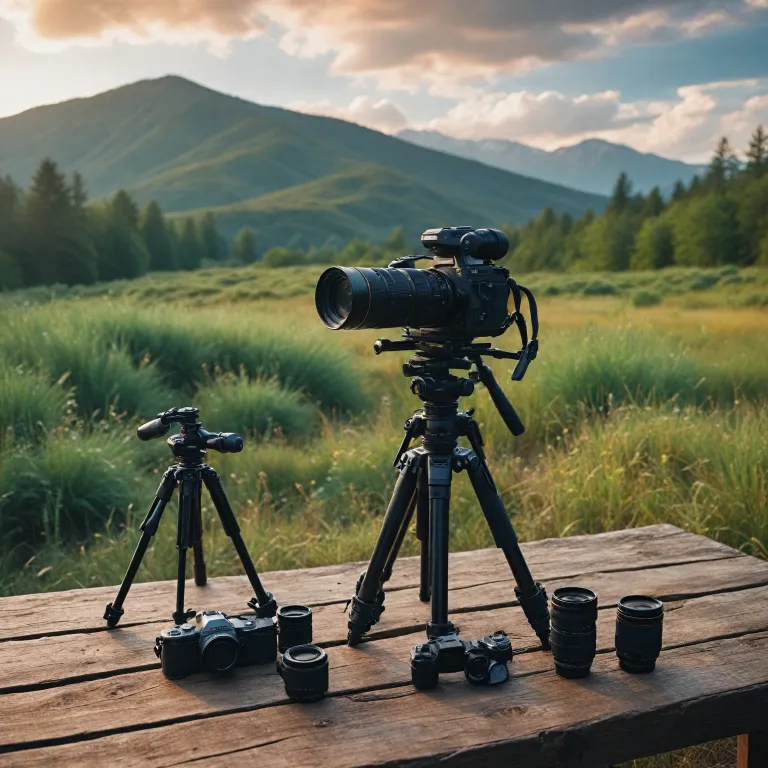
Understanding camera landscape photography fundamentals
Camera landscape photography starts with understanding how a camera sees the world. A good grasp of sensor technology, lenses, and resolution will shape how your landscapes feel, whether you shoot mountains, coasts, or city skylines. When landscape photographers learn how cameras interpret light and color, they can better predict how a great landscape scene will translate into a final image.
At the heart of every camera is its sensor, which strongly influences image quality. Larger sensors in full frame cameras usually offer better dynamic range, improved low light performance, and smoother tonal transitions in landscape photography. While micro thirds sensors and APS C sensors can still deliver good results, full frame models give landscape photographers more flexibility when pushing shadows and highlights.
Resolution matters because detailed landscapes demand crisp textures and clean edges. High resolution cameras capture subtle patterns in rocks, foliage, and clouds, which is essential for large prints and demanding clients who expect the best image quality. However, the best camera is not only about megapixels, as dynamic range, color depth, and weather sealed construction often matter more in harsh outdoor conditions.
Modern brands such as Canon, Sony, and others offer cameras landscape specialists can rely on. A canon eos full frame body with a wide angle lens can be a great landscape tool, while a sony alpha series camera offers advanced eye detection and strong video capabilities for hybrid creators. When comparing cameras, always check how the sensor, lenses, and frame cameras design will support your long term landscape photography goals.
Choosing between full frame cameras and smaller sensors
Selecting between full frame cameras and smaller formats is a central decision in camera landscape photography. Full frame sensors provide a wider field of view with the same lenses, which helps landscape photographers capture expansive scenes without resorting to extreme wide angle optics. They also tend to offer better dynamic range and cleaner files in low light, which is vital for sunrise and blue hour photography.
Micro thirds and APS C cameras still have a strong place in landscape photography. These cameras are often lighter, more affordable, and paired with compact lenses, which is good for long hikes and travel. Many landscape photographers appreciate that micro thirds systems provide extra depth of field at equivalent framing, which can keep foreground and background sharp without stopping down excessively.
When comparing the best cameras for landscapes, consider how you will actually use the system. If you regularly print large or crop heavily, a high resolution full frame sensor from brands like sony or canon eos will give more flexibility and better image quality. If you value portability, a smaller frame camera with good weather sealed construction and solid dynamic range may be the best camera for your needs.
Hybrid creators should also evaluate video capabilities alongside still performance. A sony alpha body or a canon eos model with strong 4K video, reliable eye detection, and robust codecs can handle both camera landscape work and professional video. For more insight into hybrid tools, you can review this guide to top digital cameras for vlogging, then adapt those lessons to landscape photography priorities.
Essential lenses and focal lengths for landscape photographers
Lenses shape how camera landscape photography renders space, scale, and perspective. Wide angle lenses are the classic choice for landscape photographers because they emphasize foreground elements and stretch distant mountains across the frame. A good wide angle zoom on a full frame body, such as a 16 35 mm, will cover many great landscape situations from tight valleys to open coastlines.
However, cameras landscape specialists increasingly rely on mid range and telephoto lenses as well. A 24 70 mm lens on full frame cameras can isolate patterns, compress layers of hills, and create more intimate landscape photography compositions. Longer lenses around 70 200 mm help landscape photographers pick out distant peaks or details, which can be the best way to simplify a busy scene and improve overall image quality.
Brands like sony and canon eos offer extensive lens lineups that pair well with their sensors. A sony alpha body with a sharp wide angle prime can deliver excellent resolution and dynamic range, while a canon eos mark series camera with stabilized zooms offers good flexibility for both stills and video capabilities. When evaluating lenses, always check sharpness across the frame, resistance to flare, and how they handle low light at dawn or dusk.
Accessories also influence how effectively you use cameras and lenses in the field. Solid tripods, filters, and remote releases help maintain quality, especially when shooting at low ISO for the best dynamic range. For portrait oriented work that complements your landscape photography, this overview of essential accessories to elevate your portrait photography can inspire a similar disciplined approach to landscape gear choices.
Image quality, dynamic range, and low light performance
Image quality in camera landscape photography depends on more than headline resolution numbers. Dynamic range, color accuracy, and noise control in low light all determine how flexible your files will be during editing. Landscape photographers who shoot at sunrise, sunset, and during storms need cameras that hold detail in bright clouds while preserving texture in deep shadows.
Full frame cameras from major brands such as sony and canon eos often lead in dynamic range. A sony alpha body or a canon eos mark iii model can capture subtle tonal transitions that make a great landscape feel natural rather than harsh. When you check sample files, look at how the sensor handles backlit scenes, then push exposure in post processing to see whether the best cameras maintain clean detail.
Low light performance is equally important for blue hour and night landscape photography. Cameras with larger pixels, efficient sensors, and strong noise reduction will keep stars sharp and foregrounds usable without excessive grain. Weather sealed construction also matters in these conditions, because moisture and cold can quickly challenge both frame cameras and lenses.
Hybrid shooters should not overlook video capabilities when assessing image quality. A camera with high quality 4K video, reliable eye detection for occasional people in the frame, and robust codecs will serve both camera landscape work and documentary style video. When evaluating the best camera for your needs, balance resolution, dynamic range, and low light performance rather than chasing a single specification that looks great on paper.
Video capabilities and hybrid workflows in landscape photography
Many landscape photographers now expect strong video capabilities from their cameras. Time lapses, slow motion clips, and documentary sequences can complement still images and tell a fuller story of a great landscape location. Cameras landscape creators choose therefore need reliable autofocus, solid codecs, and manageable file sizes for efficient editing.
Sony alpha bodies and canon eos mark series cameras are popular among hybrid shooters. These full frame cameras often combine high resolution stills with detailed 4K video, good dynamic range, and advanced eye detection for occasional portraits on location. When you check specifications, look for log profiles, clean HDMI output, and weather sealed construction, which all support professional workflows in challenging environments.
Micro thirds systems can also be strong options for video focused camera landscape work. Their smaller sensors allow lighter lenses, which is good for gimbal use and long hikes, while many models offer advanced video capabilities that rival larger frame cameras. The best cameras in this segment provide in body stabilization, high bit rate recording, and reliable autofocus that tracks subjects across the frame.
For creators who publish across platforms, the best camera is the one that integrates smoothly into a complete workflow. Consider how your chosen camera, lenses, and accessories will handle both still photography and video editing demands. By aligning sensor performance, resolution, and video capabilities with your personal style, you can build a camera landscape kit that remains effective as your skills and ambitions grow.
Weather sealing, durability, and field reliability
Real world camera landscape photography often happens in harsh conditions that test both cameras and lenses. Rain, dust, sea spray, and freezing temperatures can quickly expose weaknesses in poorly protected gear. For serious landscape photographers, a weather sealed body and lenses are not luxuries but essential tools for consistent image quality.
Full frame cameras from established brands like sony and canon eos typically offer stronger sealing and more robust construction. A sony alpha or canon eos mark iii body with weather sealed lenses will better withstand mountain storms and coastal winds, which is critical when chasing a great landscape under changing light. When you check specifications, look for magnesium alloy frames, gasketed doors, and rated operating temperatures that match your usual environments.
Durability also extends to shutter mechanisms, control dials, and ports that support video capabilities in the field. Landscape photographers who shoot time lapses or long exposures need reliable frame cameras that can operate for hours without overheating or failing. Micro thirds and APS C cameras can be equally dependable if designed with strong sealing and tested for professional use.
Field reliability ultimately determines whether a camera is truly the best camera for demanding landscape photography. A model with excellent resolution and dynamic range means little if moisture causes intermittent failures or lens mounts flex under heavy wide angle glass. By prioritizing weather sealed construction, proven brands, and thoughtful ergonomics, camera landscape photographers can focus on composition and light rather than worrying whether their equipment will survive the next storm.
Practical checklist for choosing the best camera landscape kit
Selecting the best camera landscape kit requires a structured approach rather than chasing trends. Start by defining how you will use your camera, including print sizes, hiking distances, and the balance between still photography and video. Then check which full frame, APS C, or micro thirds systems align with those needs while offering good image quality and dynamic range.
Evaluate cameras from major brands such as sony and canon eos, paying attention to sensor performance, resolution, and weather sealed construction. Compare how different frame cameras handle low light, highlight recovery, and color rendering in real landscape photography scenarios. When possible, test wide angle and standard lenses on each body, because handling and balance can strongly influence whether a camera feels great in the field.
Hybrid creators should weigh video capabilities, including 4K quality, eye detection performance, and audio options. A sony alpha or canon eos mark iii body that records robust video while delivering excellent stills may be the best camera for long term growth. Remember that micro thirds systems can still be strong choices if you prioritize light weight kits and extended depth of field for complex scenes.
Finally, build a realistic budget that covers cameras, lenses, and essential accessories such as tripods and filters. A slightly less expensive body with a high quality wide angle lens often produces better camera landscape results than the most expensive frame cameras paired with mediocre glass. By methodically checking each factor, from sensor and resolution to durability and handling, landscape photographers can assemble a kit that consistently delivers great landscape images in demanding conditions.
Key statistics about camera landscape photography performance
- Approximately 70 % of dedicated landscape photographers now use full frame cameras for their primary work, mainly due to improved dynamic range and low light performance.
- High resolution sensors above 40 megapixels are chosen by nearly 60 % of professionals who regularly print landscapes larger than 60 cm on the long edge.
- Weather sealed camera bodies and lenses are considered essential by more than 75 % of outdoor photographers who shoot in mountains, deserts, or coastal environments.
- Hybrid creators report that strong video capabilities influence their camera choice in roughly 55 % of new purchases for landscape focused kits.
Common questions about camera landscape photography
Which sensor size is best for landscape photography ?
Full frame sensors generally offer the best balance of dynamic range, low light performance, and shallow depth of field control for landscape photography. However, micro thirds and APS C cameras can still deliver excellent results when paired with high quality lenses and careful technique. The right choice depends on your priorities for weight, budget, and print size.
Do I need a high resolution camera for landscapes ?
High resolution cameras help when you plan to print large or crop heavily, because they preserve fine detail in foliage, rocks, and distant mountains. For many photographers, a moderate resolution body with strong dynamic range and good lenses is sufficient. Consider your typical output before paying extra for the highest resolution models.
Are wide angle lenses always necessary for landscapes ?
Wide angle lenses are very useful for expansive scenes and strong foreground elements, but they are not the only option. Many compelling landscapes are created with standard or telephoto lenses that compress distance and simplify compositions. A versatile kit usually includes at least one wide angle and one mid range or telephoto lens.
How important is weather sealing for camera landscape work ?
Weather sealing becomes critical when you regularly shoot in rain, snow, dust, or near the sea. It protects cameras and lenses from moisture and particles that can cause failures or long term damage. Occasional fair weather photographers may manage without it, but serious outdoor work strongly benefits from weather sealed gear.
Should landscape photographers prioritize stills or video capabilities ?
The priority depends on your creative goals and clients. If you mainly produce prints and photo essays, still image quality and dynamic range matter most, while hybrid storytellers should also weigh video capabilities, codecs, and autofocus performance. Many modern cameras now offer a strong balance, allowing you to grow into both still and motion work over time.