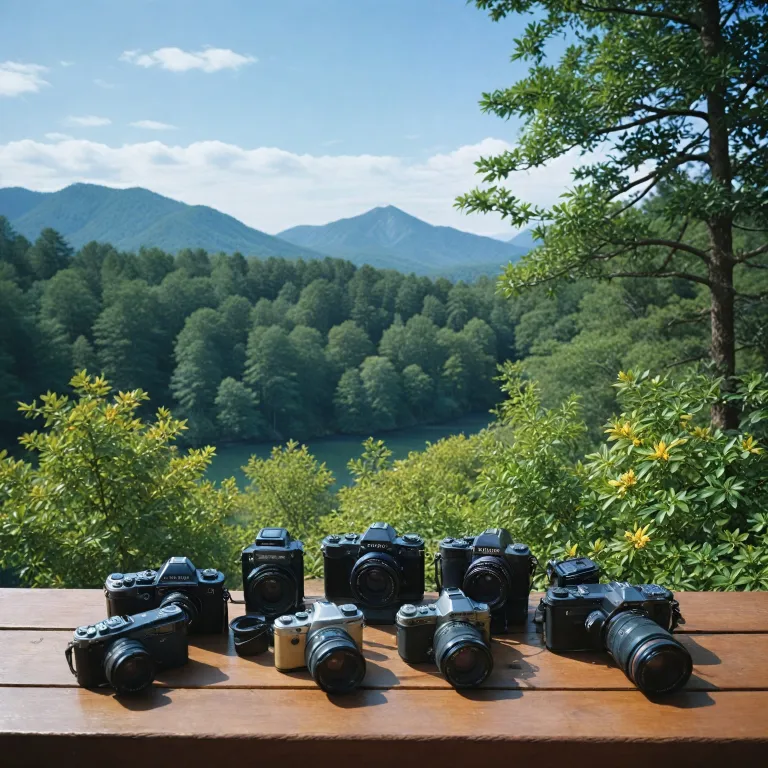

Understanding what makes a camera nature-friendly
Key features that support nature photography
When searching for the best camera for nature photography, it's important to focus on features that make a camera truly nature-friendly. Outdoor conditions can be unpredictable, so the right digital camera should be able to handle a variety of challenges while delivering high image quality for both wildlife and landscape photography.
- Weather sealing: Cameras with weather sealing are designed to resist dust, moisture, and sometimes even freezing temperatures. This is crucial for nature photographers who may find themselves shooting in rain, snow, or dusty environments. Many full frame models from Canon, Nikon, and Sony offer robust weather-sealed bodies.
- Durability: A sturdy build ensures your camera can withstand the occasional bump or drop. Magnesium alloy bodies are common in higher-end digital cameras and provide extra protection.
- Portability: For those who hike or travel long distances, weight and size matter. Point shoot cameras and compact mirrorless models are easier to carry, though they may offer fewer advanced features than larger DSLRs.
- Battery life: Nature photography often means long hours away from power sources. A camera with a strong battery life, or the ability to swap batteries easily, is essential. This will be discussed further in the section on battery and storage.
- Autofocus performance: Fast and accurate autofocus is key for capturing fleeting wildlife moments. Features like animal eye detection and high frames per second (fps) shooting rates help ensure you never miss the shot. Leading brands like Canon EOS, Nikon, and Sony have made significant advances in this area.
- Image stabilization: Built-in stabilization helps reduce blur from camera shake, especially when using telephoto lens for distant wildlife or shooting handheld in low light.
Choosing a nature-friendly camera is about balancing these features with your budget and shooting style. While price is always a consideration, investing in a camera with the right mix of durability, weather resistance, and performance will pay off in the long run. For those interested in exploring unique styles, such as monochrome photography with digital cameras, some models offer dedicated modes or sensors for creative expression in nature.
In the next section, we’ll look at how sensor size and image quality impact your outdoor photography results, helping you decide which digital camera might be the best fit for your adventures.
Sensor size and image quality in outdoor settings
Why Sensor Size Matters for Nature Photography
When you’re out in the wild, the sensor size of your digital camera plays a big role in the quality of your images. Larger sensors, like those found in full frame cameras, capture more light and detail. This is especially important for wildlife photography and landscape photography, where lighting conditions can change quickly and you want the best image quality possible.
- Full frame sensors (like those in the Canon EOS or high-end Nikon cameras) offer excellent dynamic range and low noise, making them a top choice for serious nature photographers.
- APS-C sensors are smaller but still deliver great results, especially for those who want a balance between price and performance.
- Point and shoot digital cameras and compact models, such as the Nikon Coolpix, are lighter and easier to carry, but may struggle in low light or when you need to crop your wildlife images.
Image quality isn’t just about megapixels. The sensor’s ability to handle different lighting, its color accuracy, and its performance at higher ISO settings all contribute to the final result. For animal eye autofocus and fast-moving wildlife, a camera with a fast sensor readout and high frames per second (fps) is crucial. Brands like Sony and Canon have made big strides in this area, offering cameras with impressive autofocus and burst shooting speeds.
Weather Sealing and Image Stabilization
Nature photography often means unpredictable weather. A weather sealed camera body helps protect your investment from dust, moisture, and the elements. Many of the best nature cameras, including models from Canon, Nikon, and Sony, offer weather sealing as a standard feature. Image stabilization is another must-have for outdoor shooting, especially when using longer lens options for wildlife or shooting handheld in low light.
Comparing Options for Outdoor Image Quality
| Camera Type | Sensor Size | Best For | Weather Sealed | Image Stabilization |
|---|---|---|---|---|
| Full Frame DSLR/Mirrorless | Full Frame | Wildlife, Landscape | Often | Usually |
| APS-C DSLR/Mirrorless | APS-C | Wildlife, Travel | Sometimes | Varies |
| Point and Shoot | Small | Casual, Lightweight | Rarely | Sometimes |
Choosing the right sensor size and camera features will depend on your style of nature photography and your budget. If you’re passionate about capturing the best wildlife images, investing in a camera with a large sensor, reliable autofocus, and weather sealing will pay off. For more on how wide lenses can enhance your landscape photography, check out this guide on choosing the best wide lens for capturing stunning landscapes.
Image credit: Product manufacturers and official camera reviews.
Lens options for capturing wildlife and landscapes
Choosing the Right Lens for Wildlife and Landscape Shots
When it comes to nature photography, your lens choice can make or break your images. The best camera for wildlife or landscape work is only as good as the lens you pair with it. For capturing distant animals or sweeping vistas, understanding lens options is essential for getting sharp, detailed photos in the wild.
- Telephoto Lenses: These are a must for wildlife photography. A telephoto lens (200mm and above) lets you photograph animals from a safe distance without disturbing them. Many wildlife cameras from brands like Nikon, Canon, and Sony offer excellent telephoto options with fast autofocus and image stabilization, crucial for sharp images of moving subjects.
- Wide-Angle Lenses: For landscape photography, a wide-angle lens (16-35mm range) captures more of the scene, making it easier to include dramatic skies and foreground details. Full frame digital cameras paired with wide-angle lenses deliver superior image quality and dynamic range, especially in outdoor settings.
- All-in-One Zooms: If you want flexibility, consider an all-in-one zoom lens. These cover a broad focal range, making them great for both wildlife and landscapes. While they may not match the sharpness of prime lenses, their convenience in the field is hard to beat.
Weather sealing is another factor to consider. Nature photography often means shooting in unpredictable conditions, so a weather-sealed lens and camera body, like the Canon EOS or certain Nikon Coolpix models, will protect your gear from dust and moisture.
Image stabilization is also vital, especially when using longer lenses or shooting handheld. Many digital cameras and lenses now feature built-in stabilization, helping you achieve crisp images even at slower shutter speeds.
For those looking to review a versatile setup, the mirrorless camera with 16-50mm lens offers a compact solution with real-time animal eye autofocus, making it a strong contender for both wildlife and landscape shots.
| Lens Type | Best For | Key Features | Popular Models |
|---|---|---|---|
| Telephoto | Wildlife Photography | Long reach, fast autofocus, image stabilization | Nikon 200-500mm, Canon 100-400mm, Sony 200-600mm |
| Wide-Angle | Landscape Photography | Wide field of view, sharpness, weather sealing | Canon 16-35mm, Nikon 14-24mm, Sony 16-35mm |
| All-in-One Zoom | Versatility in the field | Broad focal range, compact, affordable price | Nikon 18-300mm, Canon 18-135mm, Sony 18-135mm |
Ultimately, the best lens for your nature photography depends on your subject and shooting style. Consider your camera’s compatibility, the lens’s weather sealing, and your need for fast autofocus or image stabilization. Investing in quality glass will elevate your wildlife and landscape images, helping you make the most of your digital camera in the great outdoors.
Autofocus and speed: capturing fleeting moments
Why Fast Autofocus and Frame Rate Matter in Nature Photography
When photographing wildlife, the difference between a good shot and a missed opportunity often comes down to autofocus speed and frames per second (fps). Animals rarely stay still, and the best nature photography cameras are designed to keep up with unpredictable movement. Whether you are capturing birds in flight or a fox darting through the underbrush, your camera’s ability to lock focus quickly and shoot multiple images in rapid succession is crucial.
- Autofocus (AF) System: Look for digital cameras with advanced autofocus systems. Features like animal eye detection and subject tracking are now common in top wildlife cameras from brands like Sony, Canon, and Nikon. These systems help maintain sharp focus on moving subjects, even when they change direction suddenly.
- Frames Per Second (fps): High fps allows you to capture a burst of images in a single second. For wildlife photography, a camera offering at least 8-10 fps is recommended. Some models, such as the Canon EOS R6 or Sony Alpha series, can shoot up to 20 fps or more, increasing your chances of getting the perfect shot.
- Image Stabilization: Built-in image stabilization helps reduce blur caused by camera shake, especially when shooting handheld or with long lenses. This is particularly valuable in low light or when tracking fast-moving animals.
Comparing Popular Wildlife Cameras
| Model | AF Features | Max FPS | Weather Sealing | Price Range |
|---|---|---|---|---|
| Canon EOS R6 | Animal Eye AF, Fast Tracking | 20 fps | Yes | Mid-High |
| Sony Alpha 7 IV | Real-time Animal Eye AF | 10 fps | Yes | High |
| Nikon Z6 II | Advanced Hybrid AF | 14 fps | Yes | Mid-High |
| Nikon Coolpix P1000 | Point Shoot, Fast AF | 7 fps | No | Mid |
When reviewing digital cameras for nature photography, consider not just the autofocus and fps, but also weather sealing and image stabilization. These features ensure your camera will perform reliably in challenging outdoor conditions. The best wildlife camera is one that balances speed, accuracy, and durability, fitting your style and budget. For those seeking the best nature photography camera, a full frame sensor combined with advanced AF and high fps is often the top choice, but even point shoot digital cameras like the Nikon Coolpix can be effective for beginners or those on a budget.
Image credit: Manufacturer websites and product review sources.
Battery life and storage considerations in the field
Staying Powered and Ready in the Wild
When you’re deep in nature, the last thing you want is your digital camera running out of power or storage just as the perfect wildlife moment appears. Battery life and storage are crucial for any nature or wildlife photography adventure, especially when shooting with high-performance cameras like the Canon EOS, Sony, or Nikon models. These cameras often feature advanced autofocus, high fps (frames per second), and full frame sensors, all of which can drain batteries faster than you might expect.
- Battery Life: Look for cameras with robust battery performance. Mirrorless digital cameras, while compact and lightweight, tend to consume more power than DSLRs. Carrying extra batteries is essential, especially for long hikes or multi-day trips. Some wildlife cameras offer battery grips for extended shooting, which can be a game-changer for capturing animal eye autofocus shots or high-speed bursts.
- Storage Solutions: High-resolution image files and 4K video quickly fill up memory cards. Invest in high-capacity, fast SD or CFexpress cards, particularly if your camera supports rapid fps shooting. It’s wise to bring multiple cards and a weather-sealed case to protect your data from the elements.
- Weather Sealing: Nature photography often means unpredictable weather. Cameras with weather sealing, such as some full frame Nikon or Canon models, are better equipped to handle moisture, dust, and temperature changes, helping to protect both battery and storage components.
For those using point shoot digital cameras or the Nikon Coolpix series, battery life may be more limited, so planning ahead is even more important. Always check the manufacturer’s review and specifications for real-world battery performance and storage compatibility before heading out.
| Camera Model | Battery Life (CIPA) | Weather Sealed | Storage Type |
|---|---|---|---|
| Canon EOS R6 | ~360 shots | Yes | SD UHS-II |
| Nikon Z6 II | ~410 shots | Yes | CFexpress/SD |
| Sony A7 IV | ~580 shots | Yes | SD/CFexpress |
| Nikon Coolpix P1000 | ~250 shots | No | SD |
Choosing the best nature photography camera means balancing battery life, storage, and weather protection. These factors, along with image quality and lens options, will help ensure you never miss a shot in the wild. Image credit: Manufacturer press kits
Practical accessories for nature photographers
Essential Gear for Fieldwork
When you’re out in nature, the right accessories can make a big difference in your wildlife photography experience. Beyond the camera and lens, a few practical items will help you get the best image quality and keep your equipment safe in challenging outdoor conditions.
- Weather Protection: Nature photography often means unpredictable weather. Weather-sealed bags or rain covers are crucial for protecting your digital camera, especially if you use a full frame model like the Canon EOS or Nikon Coolpix. Look for accessories that offer weather sealing to keep your gear safe from moisture and dust.
- Sturdy Tripod: A stable tripod is essential for landscape photography and shooting at slower shutter speeds. It helps maintain sharpness and image stabilization, especially when using heavier wildlife camera lenses. Choose a lightweight but robust tripod for easy transport.
- Extra Batteries and Memory Cards: Battery life can be a challenge during long wildlife shoots. Carrying extra batteries and high-capacity memory cards ensures you won’t miss fleeting animal eye moments or fast fps bursts. Some digital cameras, like those from Sony and Nikon, are known for efficient power use, but spares are always wise.
- Lens Cleaning Kit: Dust, pollen, and moisture are common in the field. A lens cleaning kit helps maintain image quality and prevents smudges that can ruin your best shots. Microfiber cloths and air blowers are lightweight and effective.
- Protective Filters: UV or clear filters add a layer of protection to your lens. They’re especially useful for cameras used in rugged environments, helping to avoid scratches and reduce glare in bright conditions.
- Comfortable Camera Strap or Harness: Carrying a digital camera for hours can be tiring. A padded strap or harness distributes weight evenly, making it easier to move quickly when photographing wildlife.
Smart Packing for Wildlife and Landscape Shoots
Choosing the best accessories depends on your photography style and the camera you use. For example, a point shoot digital camera may need less gear than a full frame DSLR with interchangeable lenses. Always consider the price and practicality of each item, and review your kit regularly to match your evolving needs in nature photography.
Image credit: Digital Camera Guru