

Understanding telephoto lenses and their uses
What Makes a Lens Telephoto?
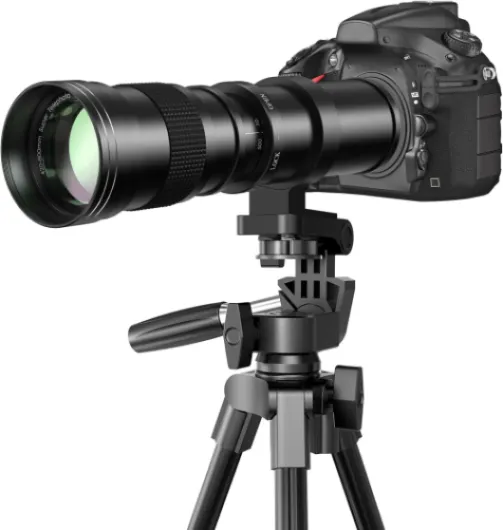
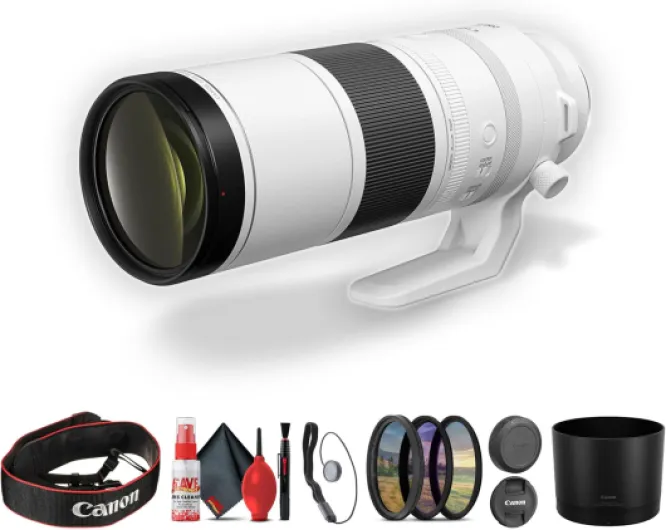
Telephoto lenses are designed to bring distant subjects closer, making them a favorite for wildlife, sports, and travel photography. In the world of Canon cameras, a telephoto lens typically starts at a focal length of 70mm and can extend well beyond 300mm. These lenses compress perspective, allowing you to capture tight shots of subjects that are far away without physically moving closer.
Why Choose a Telephoto Lens for Your Canon Camera?
Whether you use a Canon EOS DSLR or a mirrorless camera, adding a telephoto lens to your kit opens up creative possibilities. Telephoto zoom lenses, like the Canon USM or Canon STM models, are versatile for capturing action or isolating details in landscapes. Prime telephoto lenses, on the other hand, offer outstanding image quality and wide apertures, making them ideal for low-light situations and achieving beautiful background blur.
- Wildlife and sports: Get close to the action without disturbing your subject.
- Portraits: Flatter facial features and create soft, creamy backgrounds.
- Travel: Capture distant landmarks or candid moments from afar.
Understanding Focal Length and Aperture
The focal length of a telephoto lens determines how much you can magnify your subject. For Canon cameras, popular telephoto focal lengths include 70-200mm, 100-400mm, and even super telephoto options like 600mm. The aperture, often marked as f/2.8 or f/4, affects how much light the lens lets in and how much of your image is in focus. A wide aperture is great for low-light performance and creating a shallow depth of field.
Telephoto Lenses and Image Quality
Canon's pro grade lenses, such as those with USM (Ultrasonic Motor) or Nano USM technology, deliver fast autofocus and excellent image quality. Third-party options, like Sigma telephoto zooms, also offer strong performance for both full frame and crop sensor Canon cameras. Choosing the best telephoto lens depends on your needs, whether you want the best travel lens, a super telephoto for wildlife, or a best prime for portraits.
If you're curious about how different focal lengths and lens types compare, you might find this article on why photographers love the 35mm lens helpful for understanding the basics of lens selection and image perspective.
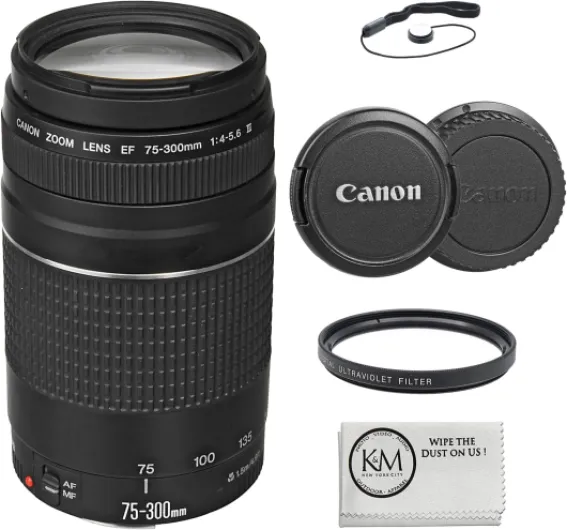
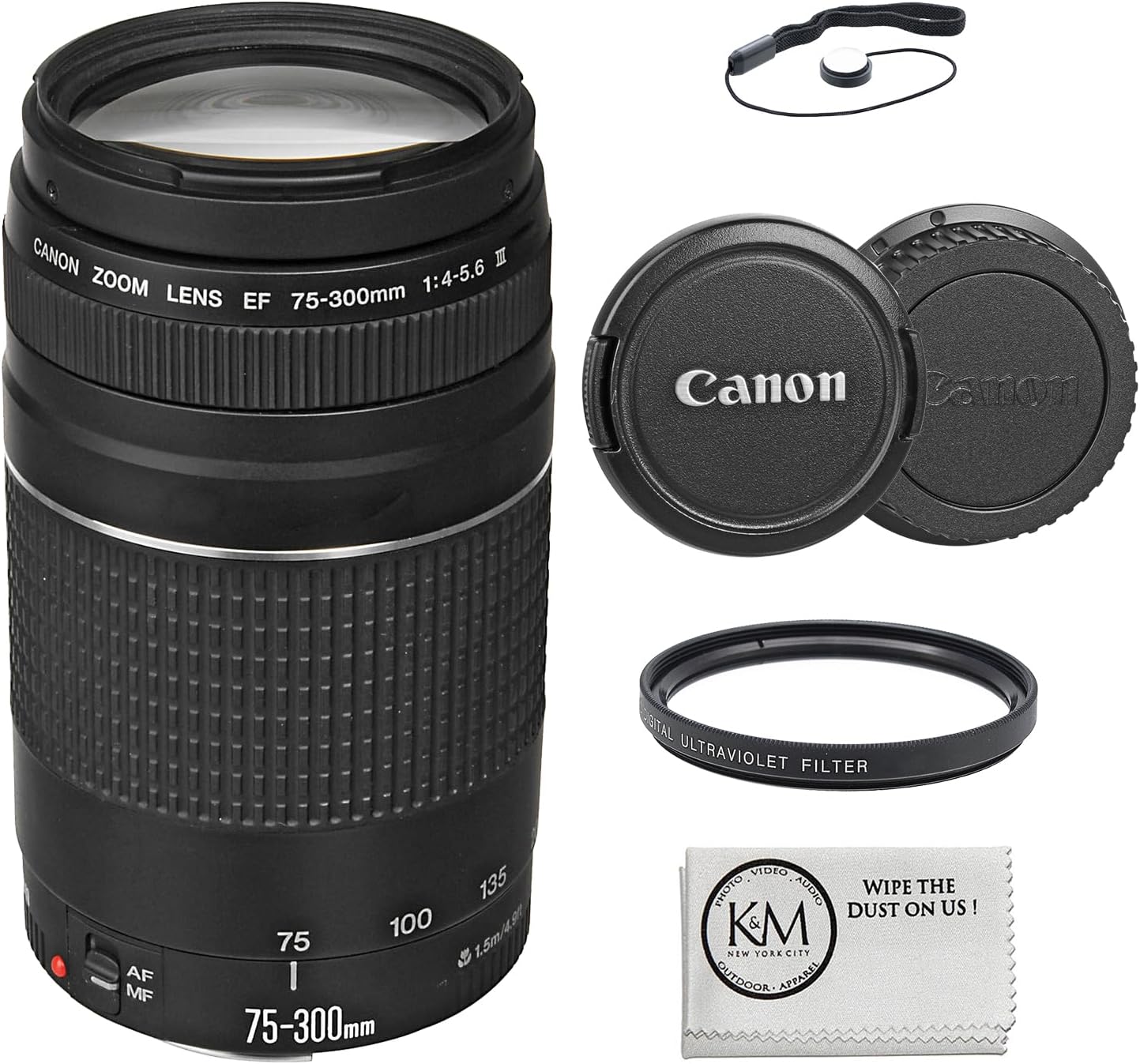
- + Versatile zoom range from 75-300mm
- + Includes essential accessories: UV filter, lens cap keeper, and cleaning cloth
- + Compact and lightweight design for ease of use
- + Great for outdoor photography and distant subjects

Key features to consider when choosing a telephoto lens
What Matters Most in a Telephoto Lens?
When searching for the best telephoto lens for your Canon camera, several features will shape your experience and results. Whether you shoot with a Canon EOS DSLR, a mirrorless model, or a crop sensor camera, understanding these factors helps you buy the right lens for your needs.
- Focal Length: Telephoto lenses start around 70mm and can go well beyond 400mm. Longer focal lengths bring distant subjects closer, making them ideal for wildlife, sports, and travel photography. Consider what you shoot most often. A 70-200mm zoom lens is versatile, while a super telephoto like a 400mm or 600mm is best for distant action.
- Aperture: The maximum aperture (like f/2.8 or f/4) affects low-light performance and background blur. A wide aperture lets in more light and creates a creamy bokeh, but these lenses are often heavier and pricier. If you want the best image quality and performance in dim conditions, look for a lens with a wide maximum aperture.
- Autofocus System: Canon USM (Ultrasonic Motor) and Nano USM lenses offer fast, silent autofocus—great for both stills and video. STM (Stepping Motor) lenses are quieter and smoother, especially for video. Choose the autofocus system that matches your shooting style.
- Image Stabilization: Built-in stabilization is a game changer for handheld shooting, especially at longer focal lengths. Canon’s IS (Image Stabilization) and Sigma’s OS (Optical Stabilization) help reduce blur from camera shake, letting you shoot at slower shutter speeds.
- Build Quality: Pro grade lenses often feature weather sealing and robust construction. If you travel or shoot outdoors, durability is key. Look for a lens that matches your environment and usage.
- Weight and Size: Super telephoto and full frame lenses can be heavy. If you need the best travel lens, balance performance with portability. Some prime lenses are lighter than zooms, but zoom lenses offer more flexibility.
Comparing Image Quality and Performance
Image quality is a top priority. Canon L-series lenses and Sigma’s pro grade options are known for sharpness, color, and contrast. Check for reviews and sample images to see how a lens performs at different focal lengths and apertures. Chromatic aberration, distortion, and vignetting can affect your results, especially on full frame cameras.
Prime or Zoom: Which Delivers the Best Results?
Prime telephoto lenses usually offer better sharpness and wider apertures, making them the best prime choice for portraits or low-light scenes. Telephoto zoom lenses provide flexibility, letting you adjust focal length without changing lenses—ideal for events or travel. Your choice depends on your shooting style and priorities.
Additional Considerations
- Compatibility: Make sure the lens fits your Canon EOS camera mount. Some lenses are designed for full frame, while others are made for crop sensor bodies.
- Third-Party Options: Sigma and other brands offer excellent alternatives to Canon lenses, often at a lower price point.
For more insights into how focal lengths and lens types impact your photography, check out why photographers love the 35mm lens for digital cameras.
Compatibility with Canon cameras
Ensuring Your Telephoto Lens Works Seamlessly with Canon Cameras
When looking to buy the best telephoto lens for your Canon camera, compatibility is a crucial factor. Not every lens fits every camera, and the right match ensures you get the best image quality and performance. Canon offers a wide range of cameras, from EOS DSLRs to mirrorless models, and each may require different lens mounts or adapters.
- Mount Type: Canon cameras use different mounts, such as EF, EF-S, RF, and EF-M. Full frame EOS cameras typically use EF or RF lenses, while crop sensor models often use EF-S or EF-M. Always check your camera’s mount before choosing a lens.
- Autofocus Systems: Many Canon lenses feature USM (Ultrasonic Motor) or STM (Stepping Motor) for fast and quiet focusing. USM lenses are popular for their speed, while STM lenses are often preferred for smooth video focus. Nano USM combines both benefits for versatile performance.
- Third-Party Options: Brands like Sigma offer high-quality telephoto and zoom lenses compatible with Canon mounts. These can be a great alternative if you’re looking for specific features or better value.
- Sensor Size: A lens designed for a full frame camera (like Canon’s EF lenses) can be used on crop sensor bodies, but the effective focal length changes. For example, a 200mm lens on a crop sensor gives a field of view similar to a 320mm lens on full frame.
- Firmware and Features: Some advanced features, such as image stabilization or pro grade autofocus, may require recent camera firmware. Always update your camera to get the best performance from your lens.
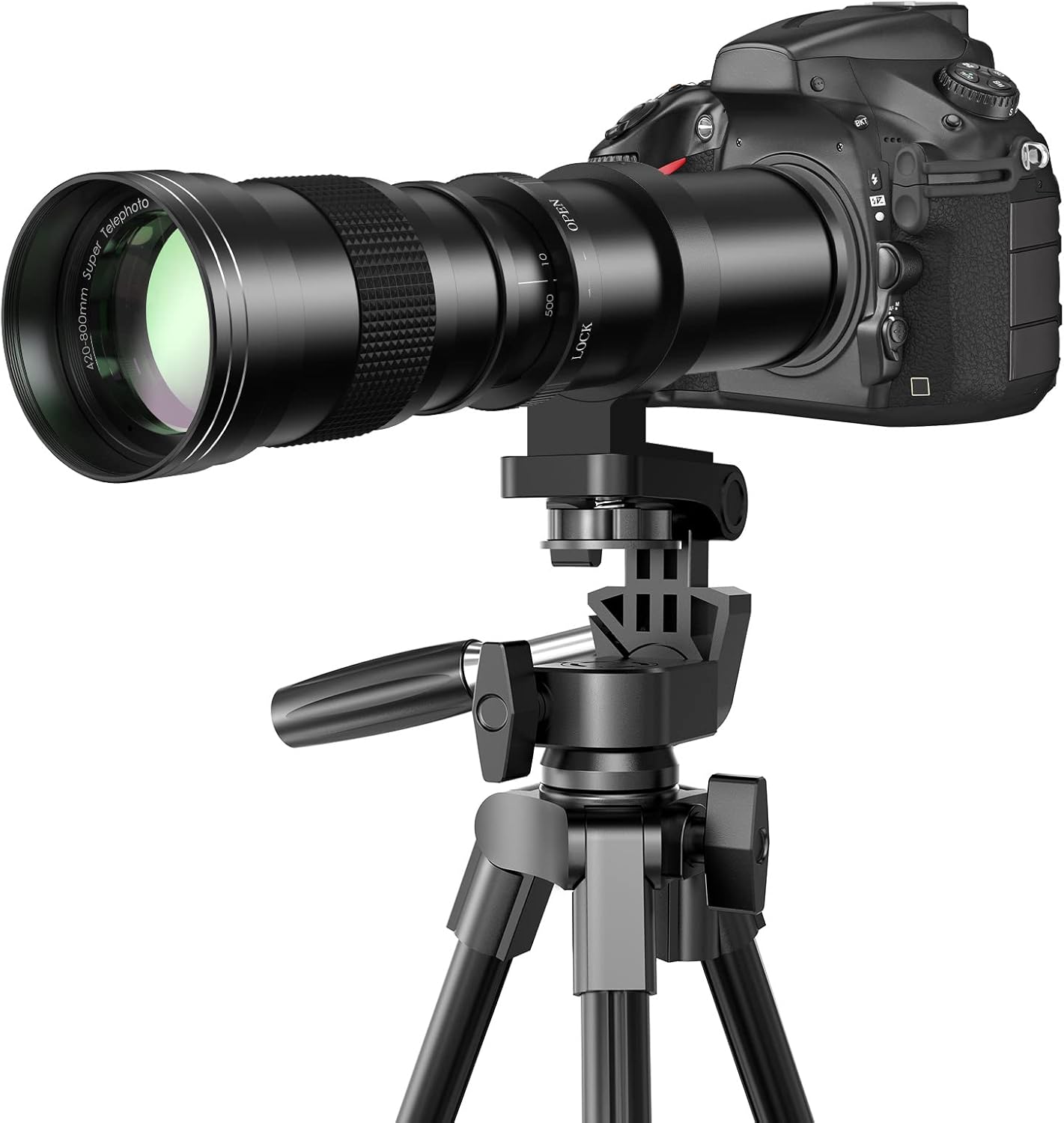
Whether you’re after a super telephoto zoom lens for wildlife or a best prime lens for portraits, matching the lens to your Canon camera is key. If you travel often, consider the weight and size of your lens, especially for best travel setups. For those using tripods with heavy telephoto lenses, check out this guide to choosing a stable tripod to support your gear.
Remember, the right lens-canon combination unlocks the full potential of your camera, whether you shoot with a Canon EOS R, a classic DSLR, or a compact mirrorless model. Always verify compatibility before making your purchase to ensure you get the best results from your telephoto lens investment.
Prime vs. zoom telephoto lenses: which is right for you?
Comparing Prime and Zoom Telephoto Lenses for Canon Cameras
When choosing a telephoto lens for your Canon EOS camera, one of the main decisions is between a prime lens and a zoom lens. Both types offer unique advantages, and the best choice depends on your photography style, subject, and budget.
Prime Telephoto Lenses: Sharpness and Simplicity
Prime telephoto lenses have a fixed focal length, such as 85mm, 135mm, or 300mm. This means you can't zoom in or out, but you often get superior image quality and wider apertures. These lenses are known for their sharpness, beautiful background blur (bokeh), and strong low-light performance. For example, a Canon USM prime lens with a wide aperture like f/2.8 or f/1.8 is excellent for portraits, sports, and wildlife, especially in challenging light.
- Best for: Low-light, portraits, action, and when you want the highest image quality
- Advantages: Lighter, often smaller, and deliver pro grade performance
- Limitations: Less flexible for changing focal lengths quickly
Zoom Telephoto Lenses: Versatility and Convenience
Zoom telephoto lenses cover a range of focal lengths, such as 70-200mm or 100-400mm. This flexibility makes them ideal for travel, events, and situations where your subject distance changes frequently. Canon's zoom lenses, including those with Nano USM or STM motors, offer fast, quiet autofocus and are available for both full frame and crop sensor cameras. Sigma and other third-party brands also provide excellent zoom options for Canon users.
- Best for: Travel, sports, wildlife, and general photography
- Advantages: Adaptable to different scenes without changing lenses
- Limitations: Usually heavier and may have smaller maximum apertures compared to primes
Which Should You Buy?
If you prioritize image quality and often shoot in controlled environments, a prime telephoto lens might be the best choice. For those who need flexibility and shoot a variety of subjects, a telephoto zoom lens offers more convenience. Consider your camera body (full frame or crop sensor), the lens's maximum aperture, and your typical shooting scenarios. Both types are available in Canon's USM and STM lines, ensuring fast autofocus and reliable performance.
Recommended telephoto lenses for Canon cameras
Top Telephoto Lenses for Canon Cameras
When it comes to choosing the best telephoto lens for your Canon camera, the market offers a wide range of options. Whether you shoot with a Canon EOS full frame or a crop sensor body, there are lenses designed to deliver excellent image quality, fast autofocus, and reliable performance. Here are some of the most recommended telephoto and super telephoto lenses for different needs and budgets:- Canon EF 70-200mm f/2.8L IS III USM: This pro grade zoom lens is a favorite among professionals for its fast aperture, sharpness, and robust image stabilization. It works well for sports, wildlife, and portrait photography. The constant f/2.8 aperture ensures great low light performance and beautiful background blur.
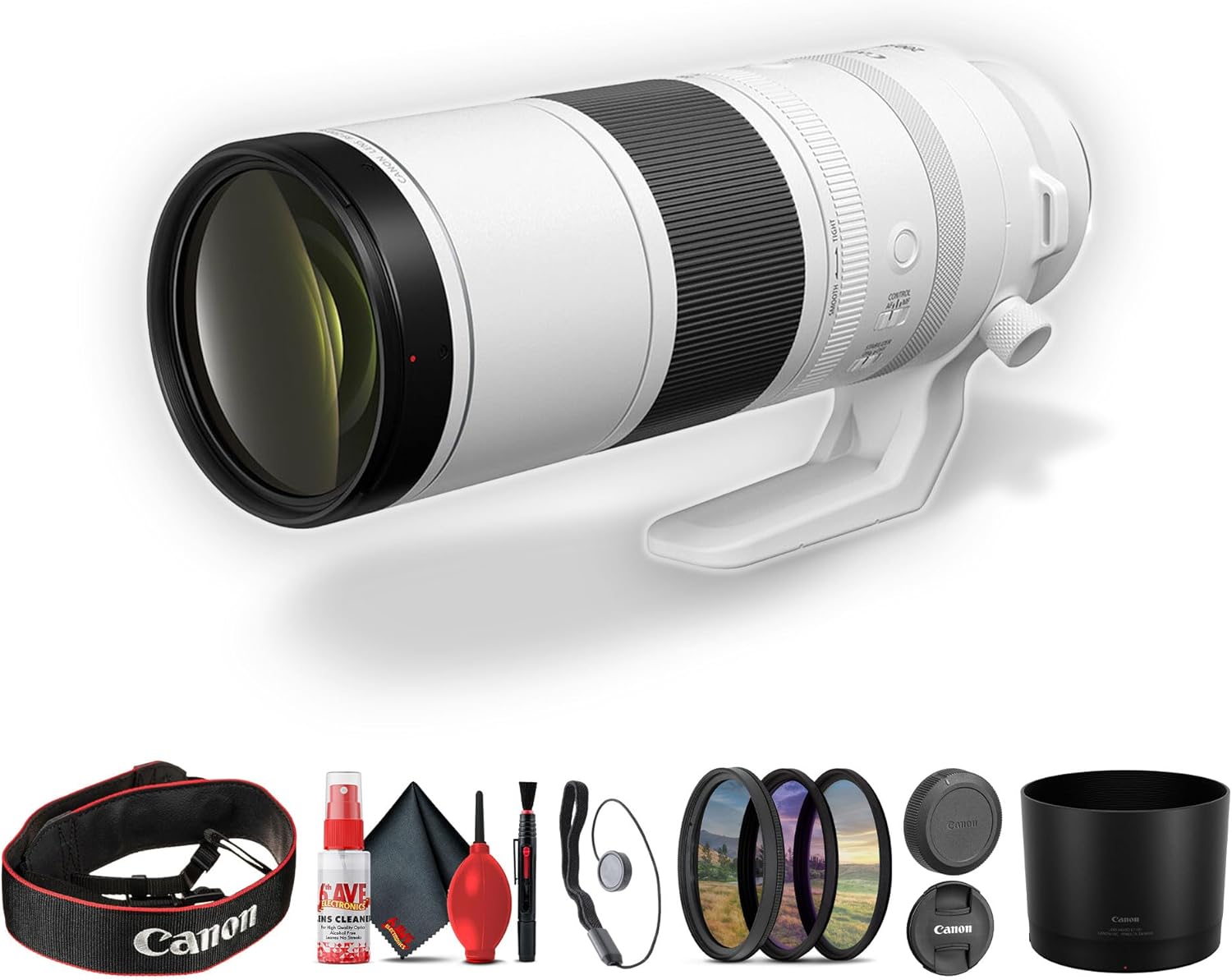
- Canon RF 100-500mm f/4.5-7.1L IS USM: Designed for Canon EOS R series mirrorless cameras, this super telephoto zoom lens covers a wide focal length range, making it ideal for travel and wildlife. The nano USM motor delivers quick and silent autofocus, and the lens is surprisingly lightweight for its reach.
- Canon EF 85mm f/1.8 USM: If you prefer a prime telephoto lens, this is one of the best prime options for portraits. It offers a wide aperture for creamy bokeh and excellent sharpness, all in a compact package.
- Canon EF-S 55-250mm f/4-5.6 IS STM: For those using Canon crop sensor cameras, this affordable telephoto zoom lens provides good reach and image stabilization. The STM motor ensures smooth and quiet autofocus, making it a great choice for video as well.
- Sigma 150-600mm f/5-6.3 DG OS HSM Contemporary: If you need extra reach for wildlife or sports, this Sigma lens is compatible with Canon full frame and crop sensor bodies. It offers impressive focal lengths and optical stabilization at a competitive price point.
- Canon RF 70-200mm f/4L IS USM: For travel photographers who want a lighter zoom lens without sacrificing image quality, this compact RF lens is a top pick. It delivers sharp images and fast autofocus, and its smaller size makes it easy to carry.
How to Choose the Right Lens for Your Needs
Consider your shooting style and camera body when selecting a telephoto lens. For action and wildlife, a super telephoto zoom lens with fast autofocus and image stabilization is essential. Portrait shooters may prefer a wide aperture prime lens for beautiful background separation. If you travel often, a lightweight zoom lens with a versatile focal length range is best. Always check compatibility with your Canon EOS camera, whether it’s full frame or crop sensor, to ensure optimal performance and image quality. Remember, the best Canon telephoto lens is the one that fits your needs, budget, and shooting preferences. Investing in a quality lens can make a significant difference in your photography results.Tips for getting the most out of your telephoto lens
Mastering Focus and Stability
To get the best image quality from your Canon telephoto lens, focus accuracy is essential. Use your camera’s autofocus modes, like AI Servo for moving subjects, and take advantage of USM or Nano USM motors for fast, silent focusing. For sharper results, especially with longer focal lengths or super telephoto lenses, stabilize your camera using a tripod or monopod. Image stabilization (IS) built into many Canon lenses can also help reduce blur when shooting handheld.
Optimizing Aperture and Exposure
Telephoto lenses often have wide maximum apertures, which are great for low light and creating a shallow depth of field. Experiment with different aperture settings to balance background blur and sharpness. On full frame and crop sensor Canon EOS cameras, adjusting ISO and shutter speed is key to maintaining image quality, especially in challenging lighting. Remember, a faster shutter speed helps freeze action and minimize camera shake.
Choosing the Right Focal Length for the Scene
Different focal lengths serve different purposes. A 70-200mm zoom lens is versatile for portraits and events, while a 300mm or longer super telephoto is ideal for wildlife or sports. Consider your subject and distance when selecting a lens. Prime telephoto lenses often deliver the best performance and image quality, but zoom lenses offer flexibility for travel and varied shooting scenarios.
Maximizing Lens Features
- Use lens switches for quick access to focus limiter and IS modes.
- Take advantage of weather-sealed pro grade Canon lenses for outdoor shoots.
- Try Canon STM lenses for smooth, quiet video autofocus.
Practical Tips for Everyday Use
- Keep your lens clean to avoid dust spots in your images.
- Use a lens hood to reduce flare and protect the front element.
- Practice panning techniques for dynamic shots of moving subjects.
- Pack lighter by choosing the best travel telephoto lens for your needs.
Comparing Third-Party Options
Don’t overlook third-party lenses like Sigma, which can offer strong performance and value for Canon cameras. Always check compatibility with your Canon EOS body, especially for full frame versus crop sensor models, to ensure optimal results.