

Understanding wide angle lenses for Canon cameras
What Makes a Lens Wide Angle?
When exploring Canon lenses for wide angle photography, it’s essential to understand what qualifies as a wide angle lens. Generally, a lens is considered wide angle if its focal length is less than 35mm on a full frame camera. Ultra wide angle lenses go even further, often offering focal lengths below 24mm. These lenses provide a broader field of view, making them great for capturing landscapes, architecture, and interiors where coverage is key.
Wide Angle Options for Canon Cameras
Canon offers a variety of wide angle lenses for both DSLR and mirrorless systems, including the EOS series. You’ll find options like prime lenses, which have a fixed focal length, and zoom lenses, which offer a range of focal lengths for more flexibility. Mirrorless lenses and DSLR lenses each have their own strengths, so it’s important to match the lens to your camera body and shooting style. Canon’s STM and USM technologies also play a role in autofocus performance and noise levels, which can impact your experience depending on your needs.
Why Choose Wide or Ultra Wide?
The main advantage of using a wide or ultra wide angle lens is the ability to fit more into your frame without stepping back. This is especially useful for landscape photography, real estate, and group shots. Wide angle lenses also exaggerate perspective, making foreground objects appear larger and more dramatic. Features like image stabilization and a wide aperture can further enhance image quality, especially in low light conditions.
Compatibility and Coverage
Before choosing a lens, consider whether you’re using a full frame or APS-C camera. The same lens will provide different coverage depending on your sensor size. For example, a 16mm lens on a full frame camera is ultra wide, but on an APS-C sensor, it behaves more like a 24mm lens. Understanding this difference helps you select the right product for your needs and budget.
Getting Started with Wide Angle Photography
If you’re new to wide angle lenses, it’s helpful to read a guide on using your camera with different accessories to maximize your setup. As you explore Canon’s lineup, pay attention to product descriptions, customer reviews, and price points to find the best fit for your photography goals. Later sections will dive deeper into key features, popular models, and tips for getting the most out of your wide angle lens.

Key features to look for in a wide angle Canon lens
Essential Specifications for Wide Angle Performance
When selecting a Canon wide angle lens, understanding the technical details can make a big difference in your photography experience. Here are the main features to consider before making a purchase:
- Focal Length: Wide angle lenses typically range from 10mm to 35mm. Ultra wide options, like a 10-18mm zoom lens, offer expansive coverage, while a 24mm prime lens provides a more classic wide perspective. The choice depends on your desired field of view and the type of scenes you want to capture.
- Aperture: A wider maximum aperture (like f/2.8 or f/1.4) allows more light into the camera, which is great for low-light situations and creative depth of field. However, lenses with larger apertures often come at a higher price.
- Image Stabilization: Canon’s IS (Image Stabilization) technology helps reduce blur from hand shake, especially useful in low light or when shooting handheld. Some Canon STM and USM lenses offer this feature, enhancing image quality for both stills and video.
- Autofocus System: Canon’s STM (Stepping Motor) lenses are known for smooth and quiet autofocus, ideal for video. USM (Ultrasonic Motor) lenses provide faster, more responsive focusing, which is great for action or wildlife photography.
- Compatibility: Make sure the lens matches your camera body. Canon offers wide angle lenses for both full frame and APS-C (crop sensor) EOS series cameras. Lenses for mirrorless cameras (RF mount) and DSLR cameras (EF or EF-S mount) are not interchangeable without an adapter.
- Build Quality and Weather Sealing: If you shoot outdoors, look for lenses with robust construction and weather resistance. This ensures your product can handle challenging conditions and last longer.
Balancing Features with Budget
Price is a major factor when choosing a Canon wide angle lens. Ultra wide and full frame compatible lenses often cost more, but there are affordable options, especially for APS-C cameras. Consider what features matter most for your style—sometimes a slightly narrower angle or a slower aperture can save you a significant amount.
Maintaining Your Wide Angle Lens
To keep your lens performing at its best, regular cleaning and maintenance are essential. Dust and smudges can impact image quality, especially on wide angle and ultra wide lenses. For practical advice, check out this guide on how to properly clean your astro camera, which applies to wide angle lenses as well.
Customer Service and Product Reviews
Before finalizing your choice, read customer reviews and product descriptions carefully. Look for feedback on image quality, autofocus performance, and durability. Canon’s customer service reputation and warranty coverage can also influence your decision, especially if you plan to invest in higher-end lenses or use your gear professionally.
Popular Canon wide angle lenses and their uses
Canon Wide Angle Lenses: Top Choices and Their Strengths
When searching for the best Canon wide angle lens, it helps to know which products stand out for different needs. Canon offers a range of wide and ultra wide angle lenses for both DSLR and mirrorless cameras, each with unique features, price points, and image quality. Here’s a look at some of the most popular options, their coverage, and what makes them great for various photography styles.- Canon EF 16-35mm f/2.8L III USM
This full frame ultra wide angle zoom lens is a favorite among landscape and architecture photographers. It delivers sharp image quality across the frame, fast autofocus with Canon USM, and a constant wide aperture for low light shooting. The build quality and weather sealing make it a reliable choice for demanding environments. - Canon RF 15-35mm f/2.8L IS USM
Designed for the EOS series mirrorless cameras, this lens offers a versatile focal length range and image stabilization. The wide angle coverage is excellent for interiors and events, while the fast aperture and Canon USM motor ensure smooth, quiet autofocus. Customer reviews highlight its performance and sharpness, though the price reflects its premium status. - Canon EF-S 10-18mm f/4.5-5.6 IS STM
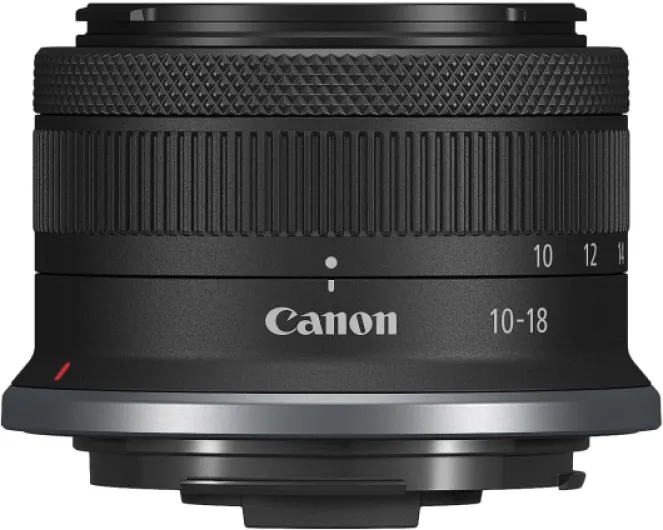
For APS-C DSLR users, this ultra wide angle zoom lens is a budget-friendly option. The STM motor provides quiet autofocus, ideal for video, and image stabilization helps reduce blur. While the aperture is narrower, it’s a great entry point for those new to wide angle photography. - Canon RF 16mm f/2.8 STM
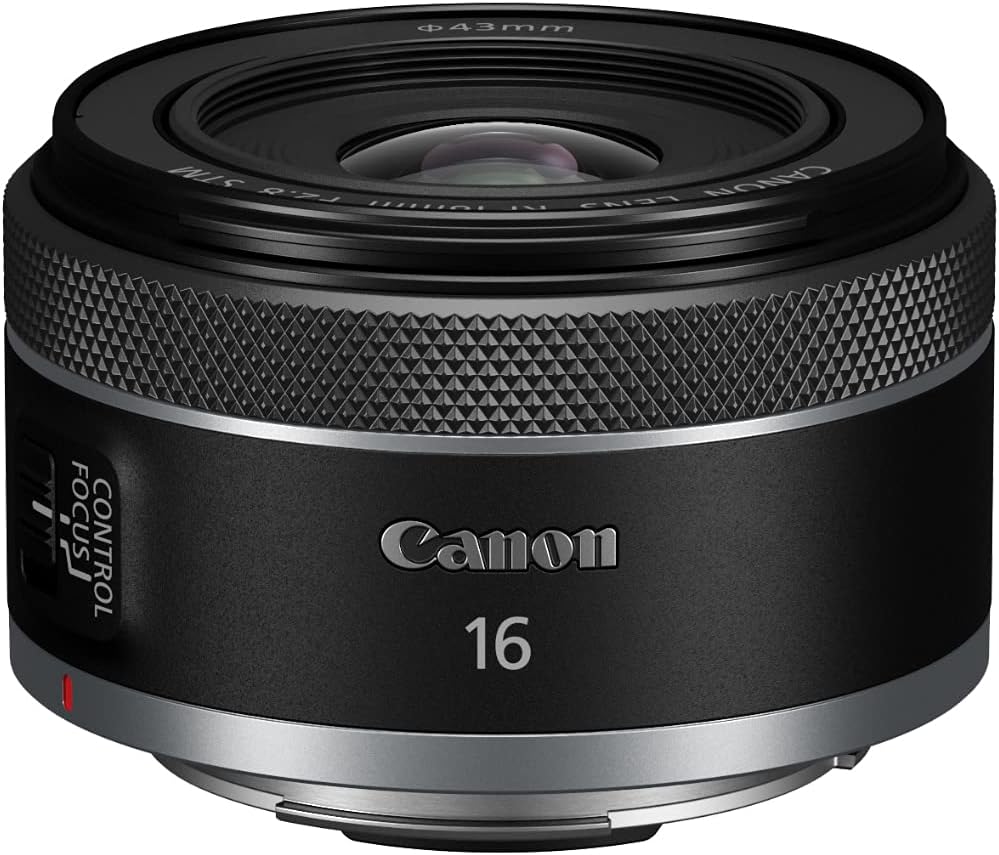
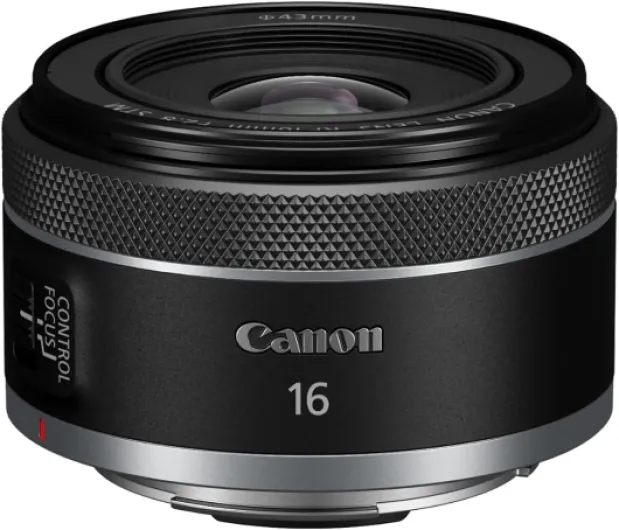
This compact prime lens for mirrorless cameras offers ultra wide coverage in a lightweight package. The fast aperture is great for low light and creative effects, and the price is accessible for most enthusiasts. It’s especially popular for travel and vlogging. - Canon EF 24mm f/1.4L II USM
A classic wide angle prime lens for full frame DSLRs, this lens is known for its bright aperture and excellent image quality. It’s a top choice for night photography, environmental portraits, and street scenes, offering a natural perspective with impressive background blur.
| Lens | Type | Focal Length | Max Aperture | Image Stabilization | Mount | Price Range |
|---|---|---|---|---|---|---|
| EF 16-35mm f/2.8L III USM | Zoom | 16-35mm | f/2.8 | No | Full Frame DSLR | High |
| RF 15-35mm f/2.8L IS USM | Zoom | 15-35mm | f/2.8 | Yes | Full Frame Mirrorless | High |
| EF-S 10-18mm f/4.5-5.6 IS STM | Zoom | 10-18mm | f/4.5-5.6 | Yes | APS-C DSLR | Low |
| RF 16mm f/2.8 STM | Prime | 16mm | f/2.8 | No | Full Frame Mirrorless | Low |
| EF 24mm f/1.4L II USM | Prime | 24mm | f/1.4 | No | Full Frame DSLR | High |
Comparing prime vs. zoom wide angle lenses
Prime or Zoom: Which Wide Angle Lens Fits Your Needs?
When exploring Canon wide angle lenses, one of the first choices you’ll face is between a prime lens and a zoom lens. Both types have their own strengths, and the right pick depends on your shooting style, camera body, and budget.
- Prime Lenses: These have a fixed focal length, such as 24mm or 35mm. They’re known for delivering excellent image quality, wide maximum apertures, and lighter weight. Many photographers appreciate the sharpness and low-light performance of a prime lens. For example, the Canon RF 35mm f/1.8 STM is popular among EOS series mirrorless users for its compact size and great image quality.
- Zoom Lenses: These offer a range of focal lengths, like the Canon EF 16-35mm f/4L IS USM or the RF 15-30mm f/4.5-6.3 IS STM. Zoom lenses provide flexibility, letting you adjust your angle of coverage without changing lenses. This is especially useful for landscape or architectural photography, where you might need both ultra wide and moderately wide perspectives in one session.
Comparing Key Features
| Feature | Prime Lens | Zoom Lens |
|---|---|---|
| Focal Length | Fixed (e.g., 24mm) | Variable (e.g., 16-35mm) |
| Maximum Aperture | Wider (f/1.8, f/2.8) | Narrower (f/4, f/3.5-5.6) |
| Image Quality | Often sharper, less distortion | Very good, but may have more distortion at extremes |
| Weight | Lighter | Heavier |
| Price | Generally lower for entry-level | Varies, higher for pro models |
| Versatility | Less (one angle) | More (multiple angles) |
Choosing for Your Canon Camera
If you use a full frame Canon camera, both EF and RF mount lenses offer a wide selection of ultra wide and wide angle options. For mirrorless lenses, the RF series brings innovations like improved image stabilization and compact designs. DSLR users can still find excellent EF and EF-S wide angle lenses, many with USM or STM motors for fast and quiet autofocus.
Consider what matters most: If you want the best image quality and low-light performance, a prime lens is a solid choice. If you need flexibility and don’t want to swap lenses, a wide zoom lens or ultra wide angle zoom lens is great for coverage. Customer reviews and product descriptions can help you compare real-world performance and service support.
Tips for getting the most out of your wide angle lens
Maximizing Field of View and Composition
Wide angle lenses for Canon cameras offer impressive coverage, but getting the most out of them requires attention to composition. Move closer to your subject to emphasize foreground elements and create depth. This technique works especially well with ultra wide and full frame lenses, as it draws the viewer into the scene. Experiment with different focal lengths on your zoom lens to find the right balance between coverage and subject prominence.Managing Distortion and Perspective
Wide and ultra wide angle lenses can introduce distortion, especially at the edges of your image. To minimize this, keep the camera level and avoid tilting it up or down excessively. If you use a Canon USM or STM lens with image stabilization, you can shoot handheld at slower shutter speeds, which is great for low-light scenes. For architecture or interiors, consider using a tripod and correcting distortion in post-processing to maintain straight lines and accurate perspective.Optimizing Aperture and Image Quality
Selecting the right aperture is crucial for sharpness and depth of field. Many Canon wide angle lenses, including prime lens and zoom options, deliver their best image quality when stopped down to f/5.6 or f/8. This ensures edge-to-edge sharpness, especially on full frame EOS series cameras. If your lens features a wide maximum aperture, use it creatively for shallow depth of field effects, but be mindful of potential softness at the edges.Using Filters and Accessories
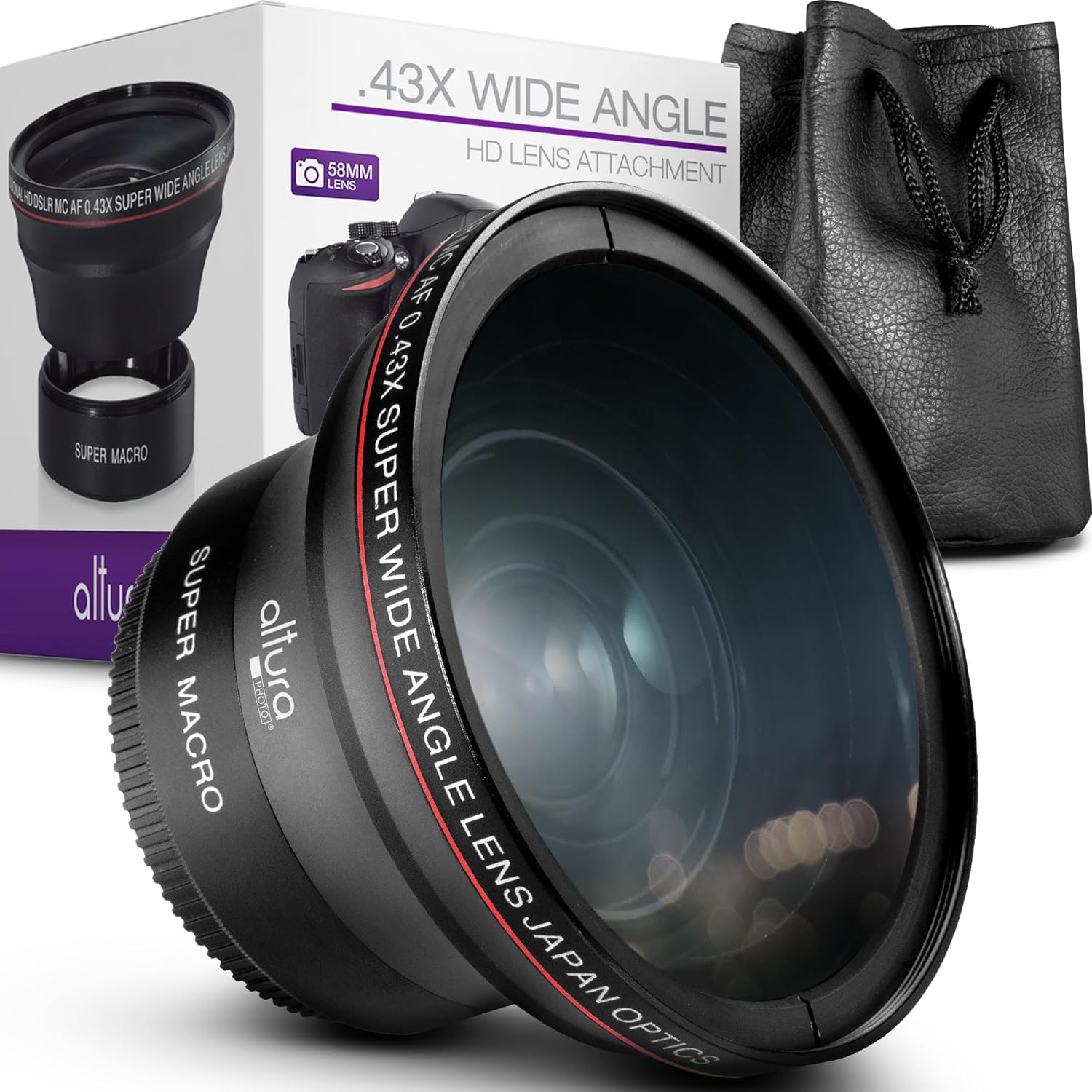
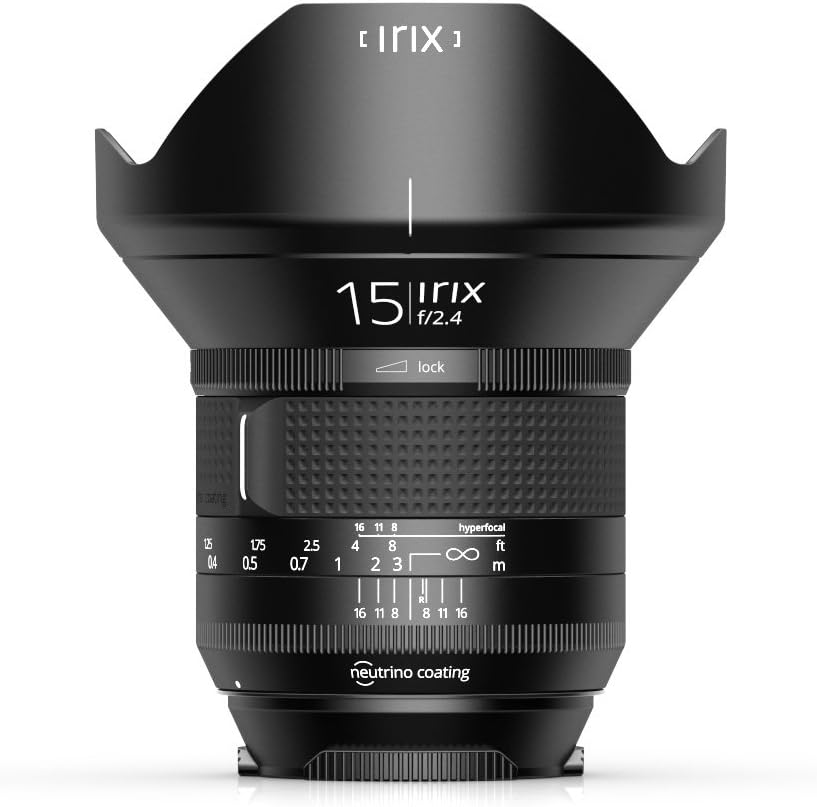
Wide angle lenses often have large, bulbous front elements, making it tricky to use traditional screw-in filters. Look for product descriptions that mention filter compatibility or consider specialized filter systems designed for ultra wide lenses. Polarizing filters can enhance sky contrast, while neutral density filters allow for creative long exposures. Always check customer reviews to ensure compatibility with your Canon lens.Practical Shooting Tips
- Use live view or the electronic viewfinder on Canon mirrorless lenses to preview composition and exposure.
- Enable grid lines to help keep horizons straight and improve framing.
- Take advantage of image stabilization, especially on Canon STM and USM lenses, for handheld shooting.
- Review product manuals for your specific lens to understand unique features like focus distance scales or custom function buttons.
- Regularly clean your lens elements to maintain optimal image quality, especially when shooting outdoors.
Leveraging Your Gear for Creative Results
Whether you use a wide zoom, angle lens, or a prime lens, explore different shooting scenarios. Capture dramatic landscapes, expansive cityscapes, or creative close-ups with exaggerated perspective. The versatility of Canon wide angle lenses, from budget-friendly options to high-end L-series products, means there’s a solution for every price point and creative vision. Always consider the focal length, aperture, and image stabilization features to get the most out of your Canon camera and lens combination.Budget considerations and alternatives for wide angle photography
Making Wide Angle Photography Affordable
Wide angle lenses for Canon cameras come in a range of prices, and it’s easy to feel overwhelmed by the options. If you’re just starting out or working with a limited budget, you don’t have to sacrifice image quality or creative flexibility. Here’s how you can maximize your investment and still get great results.
- Consider Canon STM Lenses: Canon’s STM (Stepping Motor) lenses are often more affordable than USM (Ultrasonic Motor) models. While USM lenses offer faster, quieter autofocus, STM lenses deliver smooth, silent focusing that’s ideal for video and everyday photography. Many STM wide angle lenses provide excellent image quality for a lower price.
- Look at Third-Party Options: Brands like Sigma and Tamron offer wide angle lenses compatible with Canon EOS series cameras. These products often provide similar focal length coverage and aperture performance at a lower price point. Always check customer reviews and product descriptions to ensure compatibility and image quality.
- Prime vs. Zoom: Prime wide angle lenses (fixed focal length) are typically less expensive than zoom lenses, especially for ultra wide coverage. If you don’t need the flexibility of a zoom, a prime lens can deliver sharp images and a wider aperture for less money.
- Used and Refurbished Lenses: Buying a used or Canon-certified refurbished lens can save you a significant amount. Many reputable camera stores and online services offer warranties and customer service for these products, so you can shop with confidence.
- Mirrorless vs. DSLR: If you’re using a Canon mirrorless camera, look for EF-M or RF mount lenses. These mirrorless lenses are sometimes more affordable and lighter than their DSLR (EF/EF-S mount) counterparts, though availability may vary.
Features to Prioritize When on a Budget
- Image Stabilization: Not all wide angle lenses include image stabilization, but it can make a big difference for handheld shooting, especially in low light. Consider whether this feature is essential for your style.
- Aperture: A wider maximum aperture (like f/2.8) is great for low light and creative depth of field, but lenses with smaller apertures (like f/4) are often more affordable and still deliver excellent results.
- Build Quality: Entry-level lenses may use more plastic in their construction, but many still offer reliable performance. Check reviews for long-term durability and service support.
Sample Budget-Friendly Canon Wide Angle Lenses
| Lens | Mount | Focal Length | Max Aperture | Image Stabilization | Approx. Price |
|---|---|---|---|---|---|
| Canon EF-S 10-18mm f/4.5-5.6 IS STM | EF-S (DSLR) | 10-18mm (ultra wide zoom) | f/4.5-5.6 | Yes | Low |
| Canon RF 16mm f/2.8 STM | RF (Mirrorless) | 16mm (prime lens) | f/2.8 | No | Low |
| Sigma 16mm f/1.4 DC DN Contemporary | EF-M (Mirrorless) | 16mm (prime lens) | f/1.4 | No | Moderate |
Remember, the best lens for you depends on your camera body, desired coverage, and shooting style. Always read review product feedback and check the product description for compatibility with your Canon camera, whether it’s a full frame DSLR or a mirrorless model. With careful research, you can find a wide angle lens that fits your budget and delivers great image quality.