


What are k mount lenses and why do they matter
Exploring the K Mount System
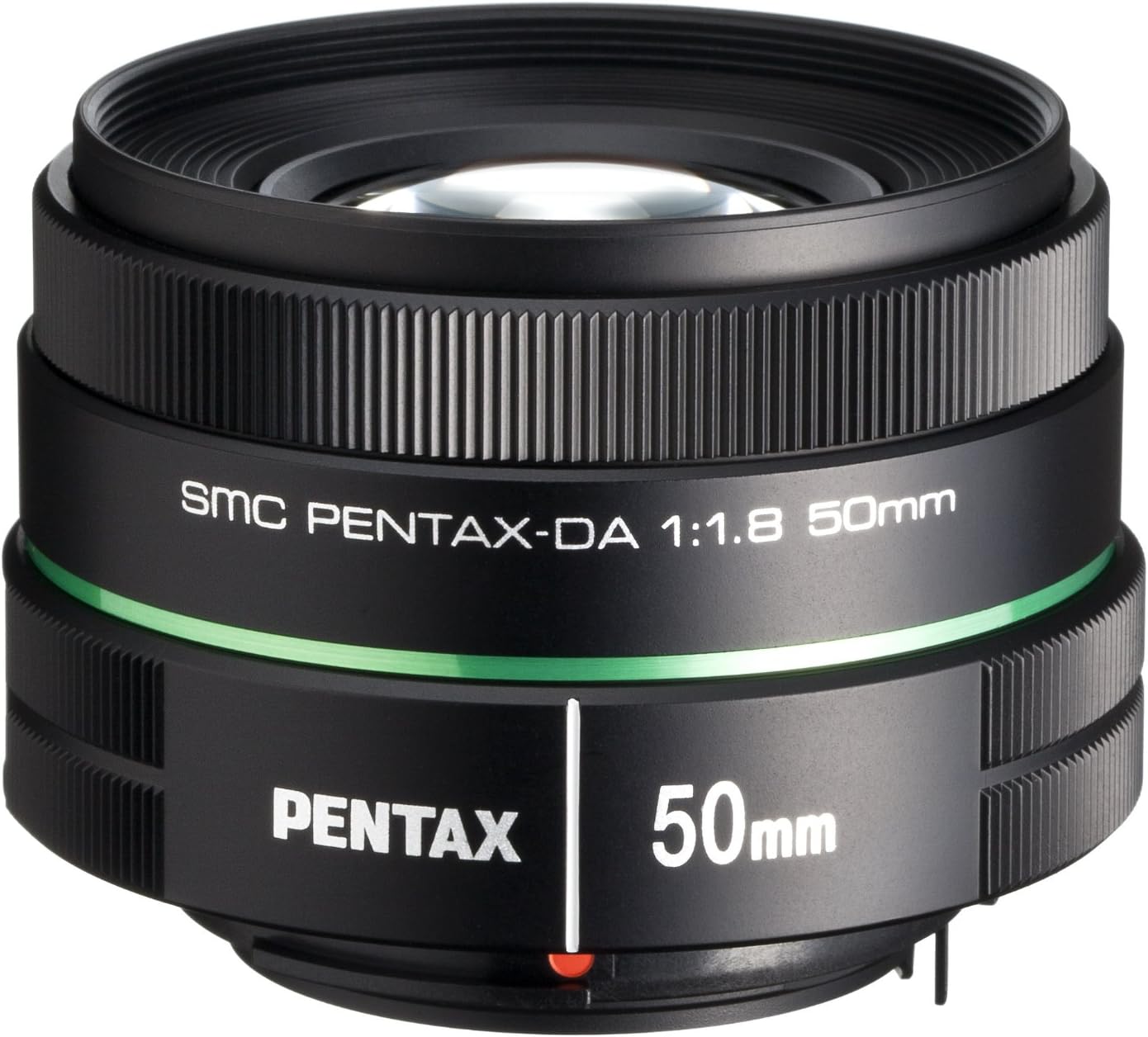
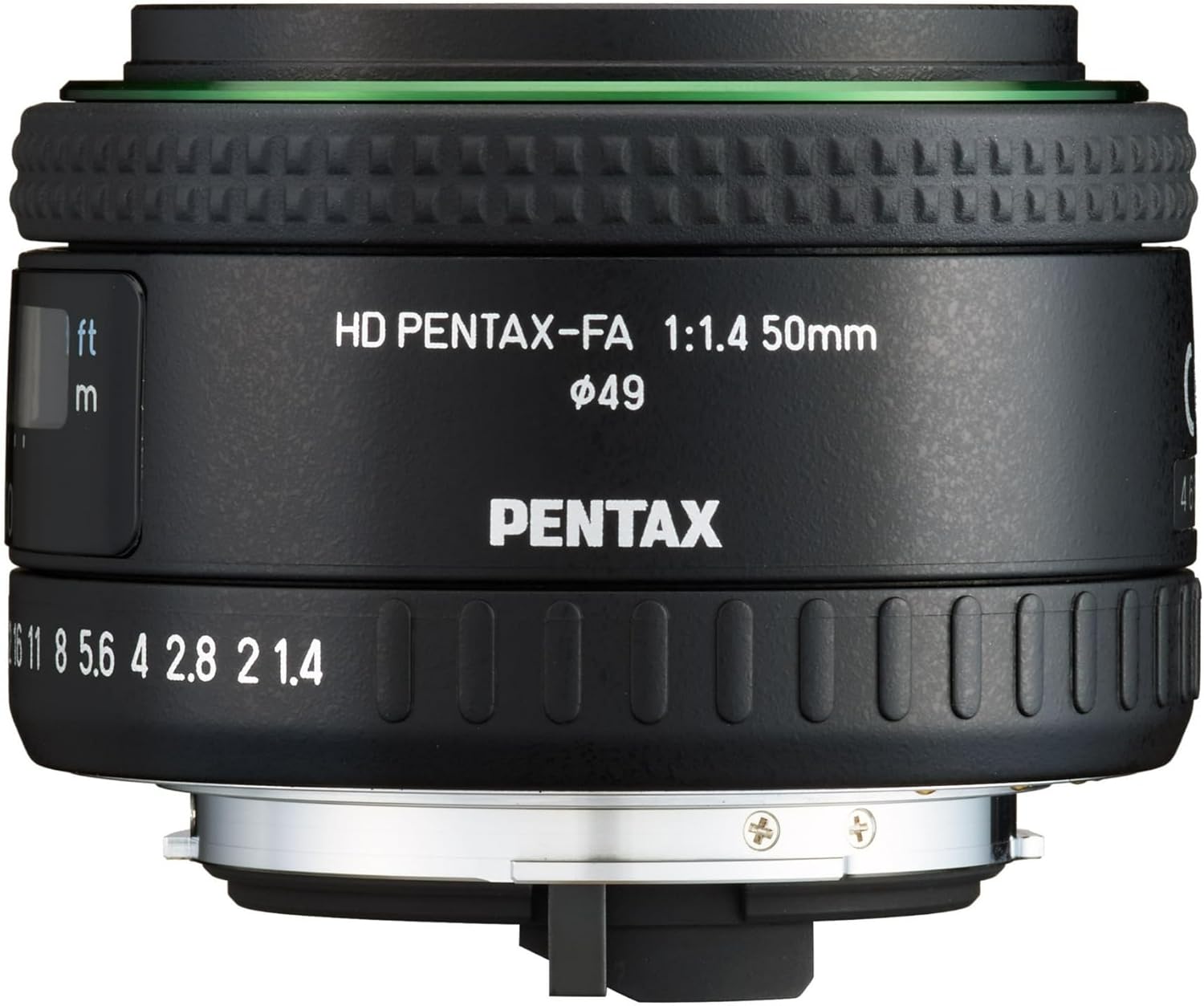
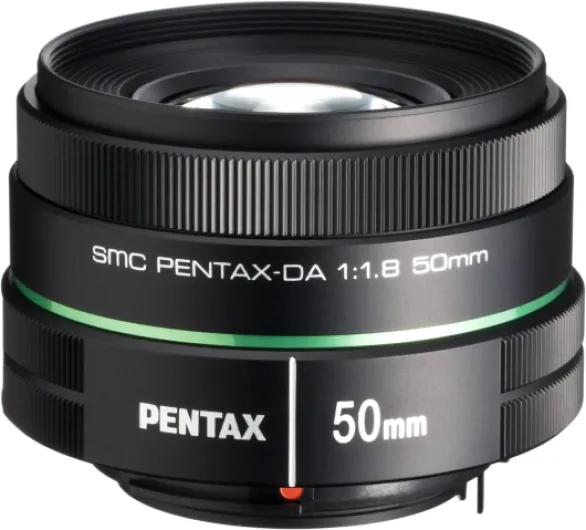
The K mount is a lens mount standard introduced by Pentax, and it has become a cornerstone for many digital camera enthusiasts. This mount system allows photographers to attach a wide variety of lenses, including prime, zoom, macro, and cine lenses, to their cameras. The flexibility of the K mount means you can use lenses from Pentax, Sigma, Vivitar, and other manufacturers, making it a popular choice for those who want to expand their creative options.
Why the K Mount Matters for Digital Cameras
Choosing a camera system with a K mount opens up access to a broad ecosystem of lenses. Whether you are interested in wide angle photography, macro shots, or need a reliable zoom lens, the K mount supports them all. The system is known for its compatibility with both manual focus and auto focus lenses, including advanced options like Pentax SMC, Pentax Limited, and Pentax SDM lenses. This versatility is especially valuable for photographers who want to experiment with different styles or upgrade their gear over time.
- Lens Variety: From classic SMC Pentax primes to modern auto focus zooms, the K mount supports a huge range of optics.
- Full Frame and APS-C: Many K mount lenses are designed for both full frame and APS-C digital cameras, offering flexibility as your needs change.
- Creative Control: Features like manual focus, macro capabilities, and specialized filters are widely available in K mount lenses.
If you are curious about how the K mount compares to other lens mounts for wide angle photography, you might find this guide on choosing the best Canon lens for wide angle photography helpful for context.
Key Features of K Mount Lenses
K mount lenses are known for their robust build quality, reliable lens mount connection, and compatibility with a range of Pentax cameras. Many models feature SMC (Super Multi Coating) for improved image quality, while others offer advanced auto focus systems like Pentax SDM. Whether you prefer the tactile feel of manual focus or the convenience of auto focus, the K mount system has options to suit your style. The availability of specialty lenses, such as macro and cine lenses, further enhances the creative possibilities for digital photographers.
Compatibility of k mount lenses with digital cameras
How K Mount Lenses Work with Modern Digital Cameras
K mount lenses have a long history, especially with Pentax cameras, but their compatibility with digital cameras can be a bit complex. The K mount system was originally designed for 35mm film cameras, yet it has evolved to support a wide range of digital models. If you own a Pentax digital camera, most K mount lenses will physically fit, but there are some important details to consider for full functionality.
- Auto focus and manual focus: Older K mount lenses often rely on manual focus, while newer versions, like Pentax SDM or lenses with auto focus motors, provide faster and quieter focusing. Not all digital bodies support every auto focus feature, so double-check your camera’s compatibility list.
- Lens mount variations: The K mount family includes several subtypes, such as the original K, KA (with electrical contacts for auto exposure), and newer digital-specific mounts. Some features, like aperture control or auto exposure, may not work with pre-digital lenses on modern cameras.
- Third-party lenses: Brands like Sigma, Vivitar, and others produce K mount lenses. While most are compatible, some third-party lenses may have limitations with digital camera bodies, especially regarding auto focus or electronic communication.
- Full frame and APS-C: Many Pentax digital cameras use APS-C sensors, but some models are full frame. K mount lenses designed for film (full frame) will work on both, but digital-only lenses may vignette on full frame bodies.
- Specialty lenses: Options like macro, wide angle, cine, and zoom prime lenses are available in K mount. Features such as SMC coatings, limited editions, and filter compatibility can vary by lens and camera pairing.
For those interested in exploring the creative possibilities of K mount lenses, it’s worth noting that some digital cameras require firmware updates or specific settings to use older manual focus or non-"A" series lenses. Always check your camera manual for guidance.
Want to see how a specific lens can enhance your photography? Check out this review of the Fujifilm 23mm 1.4 lens for insights on lens performance and versatility.

Advantages of using k mount lenses
Why photographers appreciate k mount lenses
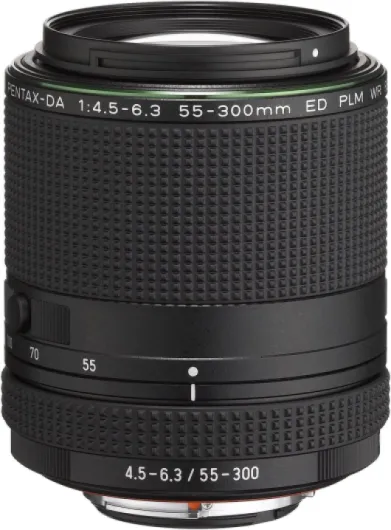
K mount lenses have built a reputation among digital camera users for their flexibility and performance. Whether you use a Pentax digital camera or another compatible brand, these lenses offer a wide range of creative possibilities. Here are some of the main reasons why many photographers choose k mount lenses for their cameras :
- Versatility across camera bodies : The k mount system allows you to use lenses on a variety of cameras, including both older film models and modern digital bodies. This means you can use classic manual focus lenses or newer auto focus options, depending on your needs.
- Wide selection of lens types : From wide angle to macro, zoom lens to prime, the k mount ecosystem covers almost every photographic style. You can find everything from compact Pentax Limited lenses to robust Sigma zooms, as well as specialty options like cine and macro lenses.
- High optical quality : Many k mount lenses, such as the SMC Pentax and Pentax SMC series, are known for their sharpness, color rendering, and build quality. The coatings on these lenses help reduce flare and improve contrast, which is especially valuable for digital photography.
- Affordability and availability : Because the k mount has been around for decades, there is a large used market. You can often find high-quality manual focus or auto focus lenses at reasonable prices, including brands like Vivitar and Pentax lens options.
- Special features : Some k mount lenses offer advanced features like SDM (Supersonic Drive Motor) for fast and quiet auto focus, or weather sealing for outdoor use. Others, like the Pentax Limited series, are prized for their compact size and unique rendering.
Creative control and adaptability
Using k mount lenses gives photographers more control over their images. Manual focus lenses encourage a slower, more deliberate approach, while modern auto focus models make it easy to capture fast-moving subjects. Many k mount lenses also support filter attachments, letting you experiment with effects like polarizers or ND filters.
Another advantage is the ability to use full frame or APS-C cameras with the same lens mount, making it easier to upgrade your camera body without replacing your entire lens collection. This adaptability is a key reason why the k mount remains popular among both beginners and experienced photographers.
Integration with camera features
K mount lenses often work seamlessly with digital camera features such as in-body stabilization and advanced metering. Some lenses, like the Pentax SDM and Limited series, are optimized for digital sensors, ensuring sharp results and accurate color reproduction. If you are interested in advanced lighting techniques, k mount lenses can also be paired with systems like CLS fill flash. For more on how flash systems impact your photography, check out this guide to understanding TVS flash for digital cameras.
Common challenges when using k mount lenses
Potential Issues When Adapting K Mount Lenses
While k mount lenses offer flexibility and a broad selection for digital cameras, users often encounter several challenges. Understanding these can help you make informed decisions and avoid frustration.
- Auto Focus Limitations: Many older k mount lenses, such as classic smc pentax or vivitar models, rely on manual focus. Even some modern lenses may not support full auto focus features on all cameras, especially when used with non-pentax bodies. This can slow down your shooting process, particularly for action or event photography.
- Compatibility Gaps: Not every k mount lens is fully compatible with every digital camera. For example, certain pentax sdm or limited series lenses may require specific firmware or camera models to enable features like sdm auto focus or cls fill flash. Some third-party lenses, like sigma or cine types, may need adapters, which can affect performance.
- Metering and Exposure: Using pre-digital era lenses, such as early smc or manual focus primes, can lead to inconsistent metering or exposure. Some cameras may not communicate aperture or stroke width data, making it harder to achieve accurate results without manual adjustments.
- Lens Mount Wear: Frequent mounting and unmounting of lenses can cause wear on the lens mount or camera bayonet. This is especially true with heavy zoom lens or macro lens pentax models. Over time, this may affect the secure fit and alignment, impacting image quality.
- Filter and Accessory Fit: Not all k mount lenses use the same filter thread size. Wide angle and limited lenses, for example, may require specific filters or hoods. This can complicate your accessory choices and increase costs.
- Full Frame vs. APS-C Coverage: Some k mount lenses, especially older or specialty designs, may not cover the full frame sensor area. Using these on a full frame digital camera can result in vignetting or reduced image quality at the edges.
How to Overcome These Challenges
To get the best results from your k mount lenses, check your camera’s compatibility list and firmware updates. When possible, test the lens before buying, especially if you rely on features like auto focus or cls fill. For manual focus lenses, practice focusing techniques and consider using focus peaking if your camera supports it. Regularly inspect your lens mount and clean contacts to ensure reliable performance. Finally, keep an eye on filter sizes and invest in step-up rings if you use multiple lenses pentax or third-party options.
Tips for selecting the right k mount lens for your needs
Key factors to consider before buying
When choosing a K mount lens for your digital camera, it’s important to look beyond just the price tag. The right lens can transform your photography, but the wrong one can limit your creative options. Here are some essential points to guide your decision:
- Camera compatibility: Not all K mount lenses work seamlessly with every Pentax digital camera. Check if the lens supports auto focus or if you’ll be relying on manual focus. Some older lenses require manual aperture control, while newer models like Pentax SMC or Pentax SDM offer advanced features.
- Lens type: Decide between prime and zoom lenses. Prime lenses, such as the Pentax Limited series, are known for sharpness and wide apertures, while zoom lenses offer flexibility for different scenes. Consider if you need a macro lens for close-ups, a wide angle for landscapes, or a cine lens for video work.
- Optical quality: Look for SMC (Super Multi Coated) coatings, which reduce flare and improve contrast. Brands like Vivitar, Sigma, and Pentax SMC are popular for their reliable optics. Limited series lenses are also praised for their build and image quality.
- Auto focus vs. manual focus: Some lenses offer quick and quiet auto focus, like Pentax SDM models, while others are strictly manual focus. If you shoot fast-moving subjects, auto focus can be a big advantage.
- Special features: Consider features like CLS fill (for creative lighting), filter compatibility, and stroke width for cine work. Full frame compatibility is also important if you plan to upgrade your camera body in the future.
- Budget and availability: Vintage K mount lenses can offer great value, but check for wear and compatibility. Modern lenses, such as Pentax lens or Sigma options, may cost more but provide updated technology.
Questions to ask yourself
- What type of photography do I enjoy most? (Portrait, landscape, macro, cine, etc.)
- Do I need auto focus, or am I comfortable with manual focus?
- Is my camera full frame or APS-C, and does the lens cover my sensor size?
- Will I need special filters or accessories for my lens mount?
Comparing popular K mount lens options
| Lens Type | Auto Focus | Special Features | Best For |
|---|---|---|---|
| Pentax Limited | Yes | SMC coating, compact | Street, travel, everyday |
| Vivitar Macro | No | Manual focus, macro | Close-up, product |
| Sigma Zoom | Yes | Wide angle, zoom prime | Events, landscapes |
| Pentax SMC | Varies | Multi-coated, classic | General, portrait |
Take your time to research and, if possible, test different mount lenses on your camera. The right choice will depend on your shooting style, camera body, and personal preferences. Remember, a well-chosen lens can be a long-term investment in your photography journey.
Maintaining and caring for your k mount lenses
Cleaning and Protecting Your K Mount Lenses
Proper care is essential to keep your Pentax mount lenses, including SMC Pentax, Sigma, and Vivitar models, performing at their best. Dust, fingerprints, and moisture can impact image quality and even damage the lens elements. Always use a soft microfiber cloth or a lens cleaning brush to gently remove debris from the front and rear elements. For stubborn smudges, a few drops of lens cleaning solution on the cloth can help. Avoid using rough materials or household cleaners, as these can scratch the coatings, especially on SMC and Pentax Limited lenses.
Storage and Handling Best Practices
When not in use, store your lens Pentax or other mount lenses in a dry, cool place. Using lens pouches or hard cases helps protect against dust and accidental knocks. For lenses with electronic contacts, such as Pentax SDM or auto focus models, keep the caps on to prevent dust and static buildup. If you own manual focus or vintage prime lenses, check for signs of fungus or haze periodically, especially if you live in a humid climate. Silica gel packs in your storage area can help control moisture.
Maintaining Lens Performance
- Check the lens mount and contacts for dirt or oxidation, especially if you use multiple cameras or swap lenses often. Clean with a blower or a soft brush.
- Inspect the filter threads and ensure filters are not cross-threaded or overtightened, which can damage the lens mount or filter ring.
- For zoom lens and macro lens users, extend and retract the barrel gently to avoid dust entering the mechanism.
- Use lens hoods to reduce the risk of impact and protect against stray light, which can affect contrast on SMC and Pentax SMC lenses.
Regular Checks for Autofocus and Manual Focus
Auto focus and manual focus mechanisms require occasional attention. For Pentax SDM and other auto focus lenses, listen for unusual noises or sluggish movement. If you notice issues, consult a qualified technician. Manual focus lenses, especially older or cine models, may benefit from periodic lubrication of the focus ring, but this should be done by a professional to avoid damaging internal components.
Long-Term Lens Longevity
Whether you use wide angle, zoom prime, or full frame lenses, regular maintenance ensures your equipment stays reliable. Avoid exposing your lenses to extreme temperatures or rapid changes in humidity. For lenses with special coatings, such as Pentax Limited or SMC Pentax, gentle cleaning preserves optical quality. By following these care tips, your mount lens collection will deliver sharp, vibrant images for years to come.